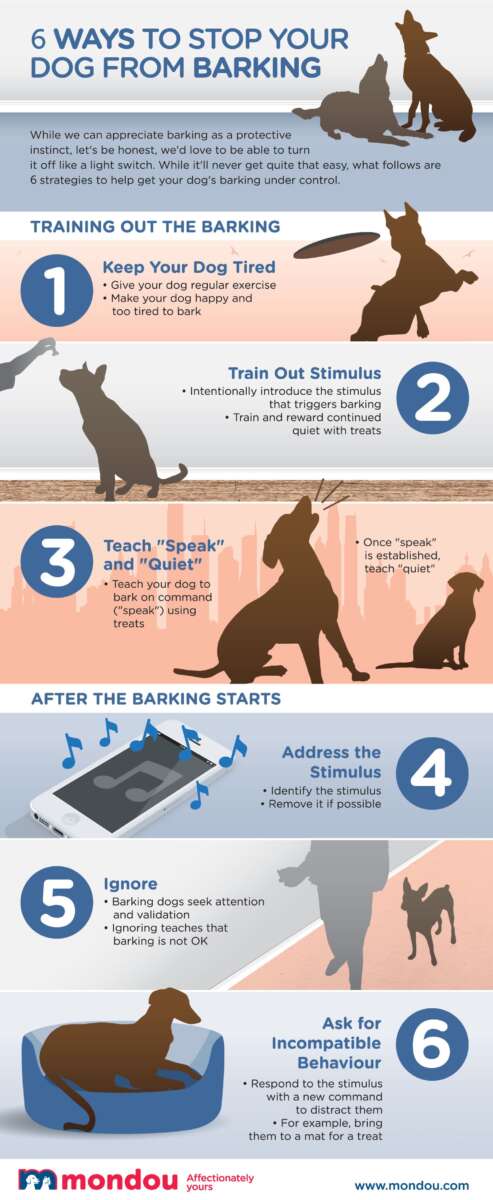
Do Great Danes Bark A Lot: What Owners Should Know
Do great danes bark a lot? Learn why Great Danes bark, what triggers it, and practical tips to encourage quieter, happier behavior.
Great Danes do not usually bark a lot, but they bark loudly when they have a reason.
If you are asking, “do Great Danes bark a lot?” the honest answer is more nuanced than a simple yes or no. This giant breed is often calm and quiet at home, yet its deep bark can sound dramatic when it feels alert, bored, afraid, or protective. Understanding the cause behind the noise is the key to living peacefully with a Great Dane.
Do Great Danes bark a lot?
Most Great Danes are not constant barkers. They often spend much of the day resting, watching the home, or following their family from room to room.
Still, Great Danes can bark loudly. Their size gives them a powerful voice that may seem much worse than the actual amount of barking. One or two deep warning barks can sound like a small dog barking for several minutes.
So, do Great Danes bark a lot compared with other breeds? Usually, no. They tend to bark less than many small, highly alert breeds, but their bark is much louder and deeper.
A Great Dane may bark to:
• Alert you to a stranger, animal, sound, or movement
• Ask for attention, food, play, or access to a room
• React to fear, stress, or sudden change
• Respond to another dog
• Show excitement
• Express discomfort or pain
• Cope with boredom or loneliness
The individual dog matters most. Genetics, early socialization, training, exercise, health, and the home environment all affect barking habits.

Why do Great Danes bark?
Barking is a form of communication. It is not always a behavior that needs to be stopped. Your first task is to learn what your dog is trying to say.
Alert barking
Great Danes were developed as watchful hunting and companion dogs. Many still notice small sounds outside, such as a delivery truck, a neighbor, or a squirrel near the window.
Alert barking often comes in short bursts. Your dog may bark, look toward the sound, and then settle once the threat or disturbance disappears.
Territorial barking
A Great Dane may bark when someone approaches the home, walks past the fence, or enters the property. This behavior can become stronger if the dog believes barking makes people leave.
Territorial barking is common near windows, doors, gates, and fences. Blocking the view and teaching a calm response can help reduce it.
Attention-seeking barking
Some Great Danes learn that barking gets results. If barking leads to food, petting, a door opening, or a game, the behavior may repeat.
This does not mean the dog is being stubborn or spiteful. It means the dog has discovered a pattern. Changing the pattern requires patience and consistent rewards for quiet behavior.
Boredom barking
A bored Great Dane may bark, pace, chew furniture, or search for trouble. Despite their calm reputation, these dogs still need daily mental and physical activity.
Long periods alone with nothing to do can make barking worse. Puzzle feeders, short training sessions, scent games, and safe walks can give the dog a better outlet.
Fear or anxiety barking
Fear-based barking may sound sharp, fast, or frantic. The dog may also hide, tremble, pant, pace, or try to escape.
Punishment can increase fear. A gradual training plan, a calm home routine, and help from a qualified behavior professional are safer choices.
Pain or illness
A sudden change in barking deserves attention. A dog that rarely vocalizes but begins barking often may be in pain, confused, or unwell.
Look for other signs, such as limping, appetite changes, restlessness, vomiting, coughing, or unusual sleep. Contact your veterinarian if the change is sudden, intense, or paired with other symptoms.
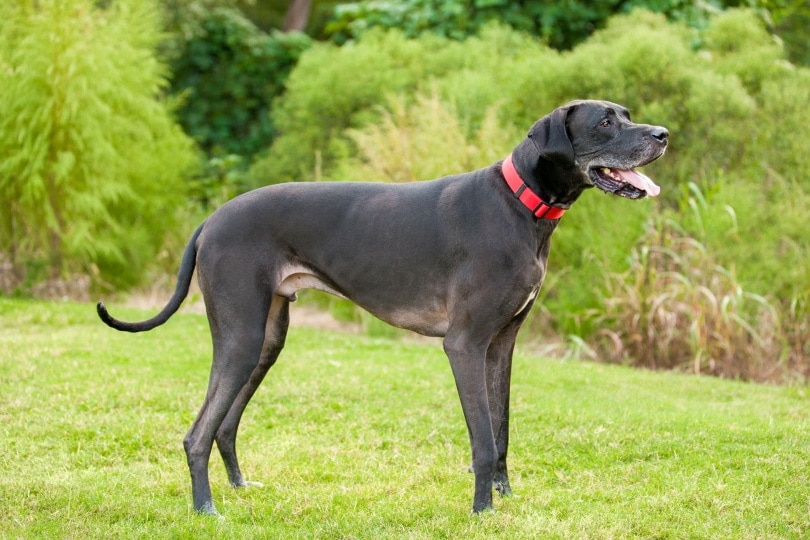
How loud is a Great Dane bark?
A Great Dane bark can be startling because it is deep, strong, and resonant. The sound may travel through walls and across a yard, especially at night when the environment is quiet.
The volume does not always show how upset the dog is. A relaxed Great Dane may give one booming bark when someone knocks. A smaller dog may yap many times but create less overall sound.
Several factors affect how loud a dog sounds:
• The dog’s size and chest structure
• The reason for barking
• The distance from walls or windows
• The room’s acoustics
• The dog’s age and individual voice
• Whether the dog is calm, excited, or distressed
Neighbors may be more concerned about repeated barking than an occasional alert bark. If your dog barks for long periods, focus on the cause rather than only the volume.
Never use devices designed to shock, hurt, or frighten a dog into silence. These tools may suppress sound for a time, but they can increase stress and create new behavior problems.

Do Great Danes bark at night?
Great Danes may bark at night, but nighttime barking is not a breed requirement. It usually points to a trigger or a change in routine.
Common nighttime triggers include:
• Animals near the home
• Outdoor sounds that seem louder at night
• Separation from the family
• A need to go outside
• Pain or digestive discomfort
• Poor sleep habits
• Fear of darkness or unfamiliar sounds
Start by checking basic needs. Make sure your dog has had a bathroom break, feels comfortable, and has a quiet sleeping area.
White noise, closed curtains, and a consistent bedtime can reduce outside triggers. If the dog sleeps in another room and becomes distressed, move the bed closer to the family for a gradual transition.
Older Great Danes may develop new nighttime vocal behavior because of pain, sensory changes, or cognitive decline. A veterinary check is wise when an older dog begins barking at night without a clear reason.

How to stop excessive Great Dane barking
The goal is not to silence every bark. The goal is to reduce unnecessary barking and teach your dog a better response.
1. Find the trigger
Keep a simple barking log for several days. Write down:
• What happened before the barking
• Where your dog was
• How long the barking lasted
• What stopped it
• How your dog looked and acted
Patterns often become clear. Your Great Dane may bark only at delivery workers, during meal preparation, or when left alone.
2. Reduce easy triggers
Management is not a shortcut. It is a useful part of training.
Try these changes:
• Close blinds during busy outdoor hours
• Move furniture away from windows
• Use a secure fence with fewer gaps
• Keep your dog away from the front door during deliveries
• Provide quiet background sound
• Give a food puzzle before a predictable trigger
Every prevented barking episode makes it easier to practice calm behavior.
3. Teach “quiet”
First, allow one or two alert barks. Then say “quiet” in a calm voice. Hold a treat near your dog’s nose. When the dog pauses, even for one second, reward that silence.
Repeat this in short sessions. Slowly increase the quiet time before giving the treat.
Do not yell “quiet.” Your dog may think you are joining the barking. A low, calm voice works better.
4. Reward calm behavior
Notice your dog when it is quiet. Give gentle praise, a treat, or access to a favorite activity.
Many owners reward barking without realizing it. They speak to the dog, touch the dog, or open the door during a barking episode. Wait for a brief pause whenever it is safe to do so.
5. Increase exercise and mental work
A Great Dane does not need extreme exercise. In fact, young Great Danes need age-appropriate activity because their bones and joints develop slowly.
Useful activities include:
• Short walks at a relaxed pace
• Basic obedience practice
• Scent games
• Food puzzles
• Gentle play
• Calm social visits
Avoid forced running and repeated high-impact jumping, especially in growing dogs. Ask your veterinarian about suitable exercise for your dog’s age and health.
6. Practice alone time
Some dogs bark when left alone because they feel distressed. Begin with very short absences and return before your dog becomes anxious.
Increase the time slowly. A camera can help you see whether your dog settles or remains upset.
If your Great Dane shows intense separation anxiety, consult a veterinarian or a certified behavior professional. Severe anxiety may need a structured plan and, in some cases, medication.
7. Train with rewards
Reward-based training is supported by modern veterinary behavior guidance. It teaches the dog what to do instead of relying on fear or pain.
Avoid punishment, shock collars, and harsh corrections. These methods may damage trust and can make defensive barking worse.

Socialization and training for a quieter Great Dane
Early socialization can help a Great Dane respond calmly to normal sights and sounds. Socialization does not mean forcing your puppy to greet everyone.
Instead, let the puppy observe people, dogs, vehicles, surfaces, and noises from a comfortable distance. Pair new experiences with treats and calm praise.
Good socialization teaches:
• New sounds are not always dangerous
• Visitors can arrive without chaos
• Other dogs can pass without a confrontation
• Handling can be safe and predictable
• The owner can be trusted during uncertain moments
Obedience skills also matter. Practice name recognition, recall, place training, leave it, and quiet behavior.
A well-trained Great Dane is not silent. It is simply more able to pause, listen, and choose a calmer response.
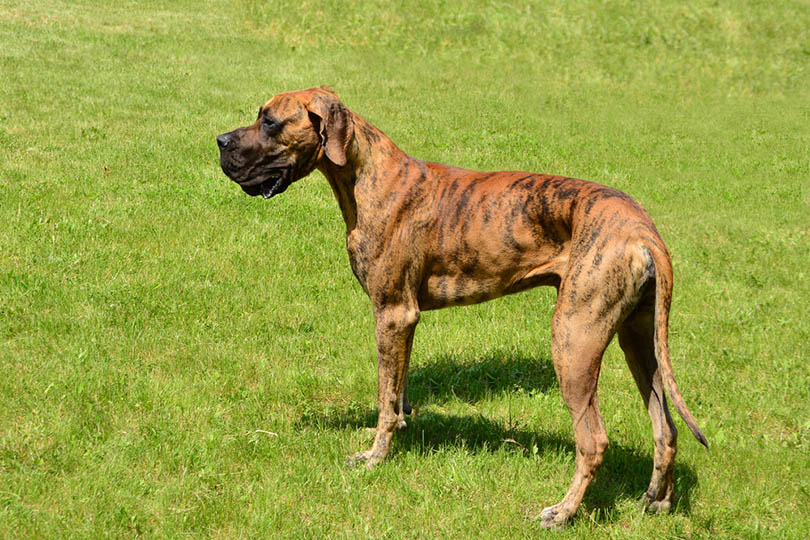
Great Dane barking by age
Barking habits can change throughout a dog’s life.
Puppy stage
Great Dane puppies may bark during play, frustration, fear, or separation. They need gentle guidance and many chances to sleep.
Overtired puppies often act like tired children. They may become noisy, wild, and unable to settle. A regular nap schedule can help.
Adolescent stage
Teenage dogs may test old rules and become more alert to their surroundings. Consistent training is especially important during this stage.
Keep sessions short and rewarding. Avoid expecting perfect behavior every day.
Adult stage
Adult Great Danes often become more settled. However, they may still bark at visitors, wildlife, or unusual sounds.
A steady routine and continued training help maintain good habits.
Senior stage
Older dogs may bark more because of pain, hearing loss, vision changes, anxiety, or cognitive problems. A veterinary examination can identify issues that training alone cannot fix.

When Great Dane barking is a problem
Occasional barking is normal. Excessive barking may signal a welfare problem or create conflict with neighbors.
Seek professional help if your dog:
• Barks for long periods every day
• Injures itself trying to escape
• Shows aggression during barking
• Cannot settle after a trigger ends
• Barks suddenly without a clear cause
• Shows signs of panic when alone
• Has other symptoms of illness
Start with your veterinarian when health may be involved. For behavior concerns, look for a certified veterinary behaviorist or a reward-based trainer with experience handling giant breeds.
Be cautious with anyone who promises to stop barking instantly. Behavior change takes time because the cause, learning history, and home setting all matter.

Living with a vocal Great Dane
A Great Dane’s size makes planning important. Even friendly barking can frighten guests, children, delivery workers, or people who are not comfortable around large dogs.
Create a visitor routine. Ask your dog to go to a mat or another room before opening the door. Reward calm behavior while guests enter.
You can also prepare visitors with simple instructions:
• Do not rush toward the dog
• Avoid staring directly at the dog
• Wait for the dog to settle
• Let the dog choose whether to approach
• Follow the owner’s directions
A calm routine helps your dog feel secure. It also protects visitors and gives you more control.
One common mistake I see is waiting until barking has become a daily habit before starting training. It is much easier to reward quiet behavior early than to undo months of repeated barking.
Frequently Asked Questions About Do Great Danes Bark a Lot
Do Great Danes bark more than other large dogs?
Not usually. Great Danes are often moderate or low-frequency barkers, but their deep voices make each bark sound powerful.
Why does my Great Dane bark at strangers?
Your dog may be alerting you, protecting its territory, feeling unsure, or reacting to a past experience. Reward calm behavior and avoid forcing contact with unfamiliar people.
Can Great Danes be trained not to bark?
You can reduce unnecessary barking, but no healthy dog should be expected to never bark. Training works best when you identify the trigger and reward a quiet alternative.
Do Great Danes bark when left alone?
Some do, especially if they feel bored or have separation anxiety. Gradual alone-time training, enrichment, and professional support can help.
Are Great Danes good apartment dogs if they bark?
They can live well in apartments when their exercise, training, and social needs are met. However, their loud bark means owners should take noise control and neighbor comfort seriously.
Should I use a bark collar on my Great Dane?
Avoid shock or painful bark collars. Reward-based training and veterinary guidance are safer and more reliable ways to address excessive barking.
Does a Great Dane bark when it is bored?
It can. Boredom may also cause chewing, pacing, restlessness, or attention-seeking behavior, so add safe mental activities and structured interaction.
Conclusion
So, do Great Danes bark a lot? Most do not bark constantly, but they can produce a remarkably loud bark when they feel alert, excited, anxious, bored, or unwell.
Focus on the reason behind the barking. Use calm training, reduce triggers, reward quiet behavior, provide suitable exercise, and seek veterinary or professional help when the behavior changes suddenly or becomes intense.
With patience and a clear routine, a Great Dane can be a peaceful companion rather than a nonstop alarm system. If you live with one, track its barking triggers this week and share your experience or questions in the comments.

Pet Care Writer & Researcher
Daniel writes practical guides on daily care, feeding, and safety, turning complex topics into simple, actionable advice.