Why Do Dogs Bark Incessantly: Causes And Fixes
Why do dogs bark incessantly? Learn the common causes and practical, humane ways to reduce excessive barking and restore peace at home.
Dogs bark incessantly because they may be bored, afraid, stressed, excited, lonely, or trying to alert you to something.
Understanding why dogs bark incessantly starts with reading the bark in context. The sound, timing, body language, and trigger all matter. Once you find the cause, you can choose humane training steps that teach quiet behavior instead of simply shouting “stop.”

What Incessant Barking Really Means
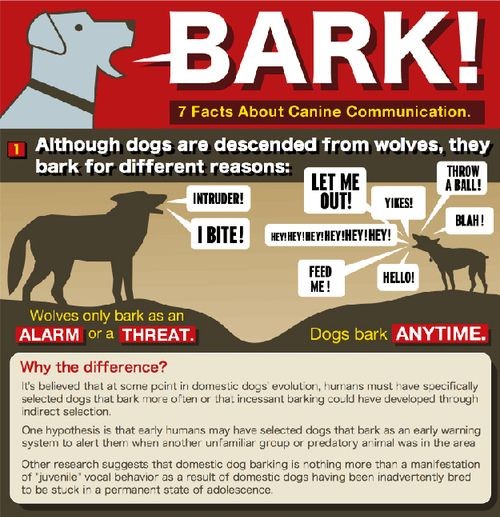
Barking is normal dog communication. Dogs use it to warn, greet, play, ask for help, show fear, and release tension. The problem begins when barking lasts too long, happens at the wrong times, or causes stress for the dog and everyone nearby.
The key question is not only, “How do I stop my dog from barking?” Ask, “What is my dog trying to say?” This small change in thinking often reveals the real cause.
Dogs also learn from results. If barking makes you open the door, toss a toy, or offer food, your dog may repeat it. In that case, the barking has become a successful habit.
Why Do Dogs Bark Incessantly?
There is rarely one answer to why dogs bark incessantly. Most cases involve a mix of genetics, daily routine, past learning, health, and the dog’s surroundings.
Attention-seeking barking
Some dogs bark because barking gets a fast response. Even negative attention can reward the behavior. Looking at your dog, yelling, or walking toward the crate may still feel like a win.
For example, a dog may bark beside the kitchen each evening. If the family gives a treat to create peace, the dog learns that loud barking works.
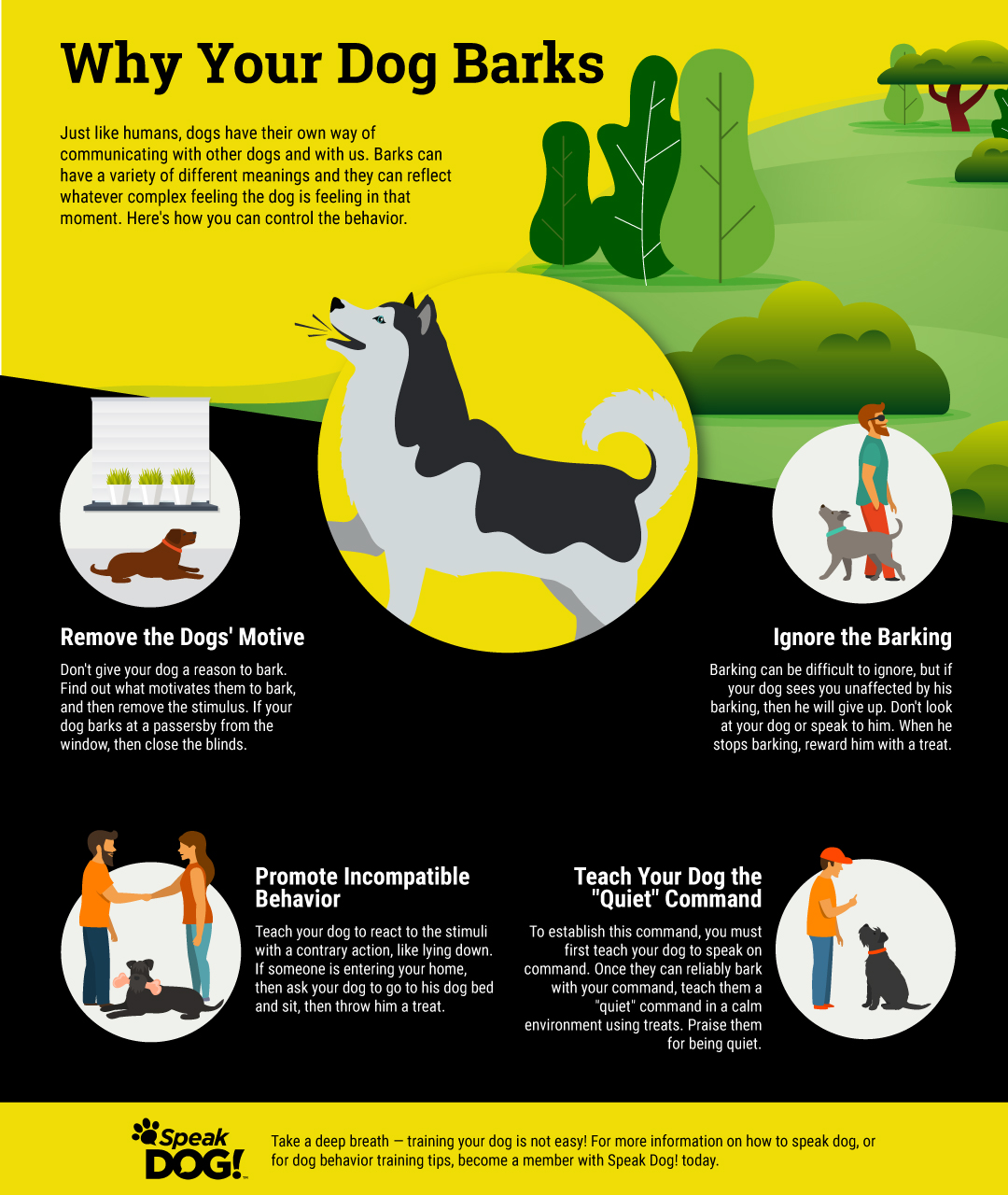
Try to reward calm behavior before the barking starts. Give attention when your dog sits quietly, lies on a mat, or looks at you without making noise.
Alert and territorial barking
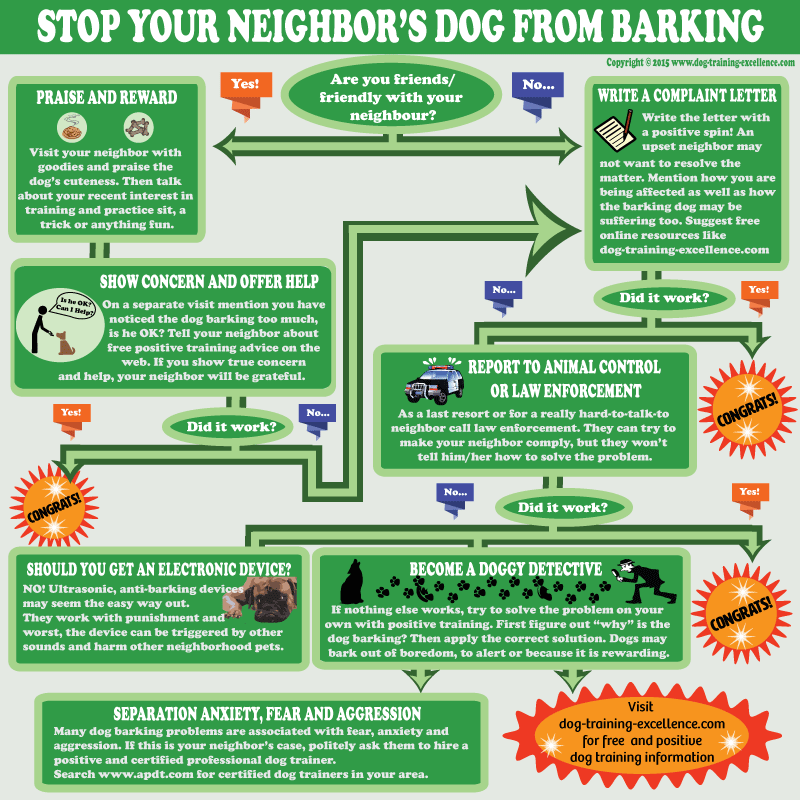
Dogs often bark at people, animals, cars, or sounds near the home. Windows, fences, and front doors can turn a normal alert into a long barking session.
Territorial barking may sound sharp and repeat in bursts. Your dog may stand tall, stare at the trigger, raise the tail, or rush toward the window.
You can reduce this pattern by:
• Closing blinds during busy hours
• Using frosted window film
• Moving furniture away from windows
• Playing soft background noise
• Teaching your dog to come to a mat after one or two alert barks
Do not punish a dog for warning you. Instead, teach your dog what to do after the warning.
Fear and anxiety
Fear is one of the most important reasons why dogs bark incessantly. A dog may bark at thunder, strangers, other dogs, new places, or sounds that seem harmless to people.
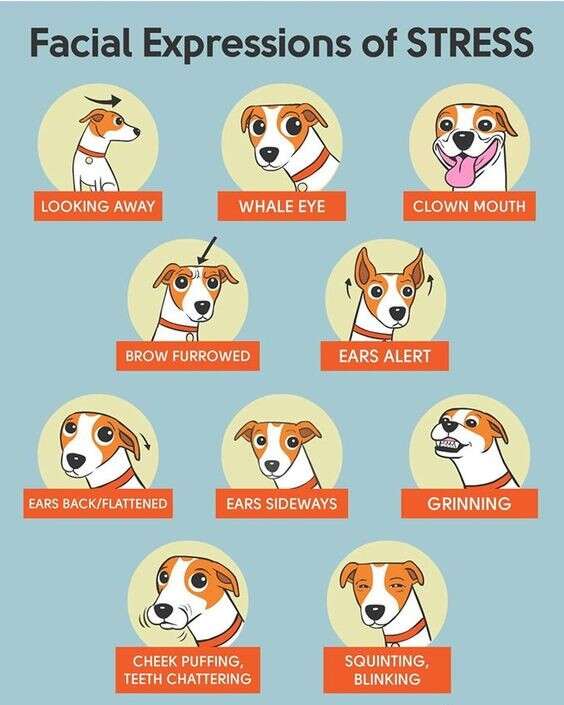
Fear barking may come with tucked ears, a lowered body, lip licking, trembling, hiding, or attempts to escape. Some fearful dogs look aggressive because they are trying to create distance.
Punishment can make fear worse. A calm routine, safe space, gradual exposure, and reward-based training are safer choices. If fear is intense, work with a qualified veterinary behaviorist or reward-based trainer.
Boredom and excess energy
A dog with too little exercise or mental work may bark to fill the day. This is common in active breeds, young dogs, and dogs left alone for long periods.
Physical exercise helps, but it is not the whole answer. A long walk may tire the body while the brain still feels restless.
Add simple enrichment such as:
• Food puzzles
• Sniff walks
• Short training games
• Frozen food toys
• Hide-and-seek with treats
• Safe chew items
Mental work can be as useful as a longer walk. Letting your dog sniff during a walk is especially valuable because sniffing is natural brain exercise.
Separation distress
Some dogs bark only when left alone. They may also howl, pace, scratch doors, destroy objects, drool, or have accidents.
This pattern can point to separation anxiety rather than poor manners. The dog is not trying to punish you for leaving. The dog may be experiencing real distress.
Record your dog during a short absence if it is safe to do so. A phone or home camera can show when barking begins and what other signs appear.
Treatment may include:
• Very short practice departures
• Calm arrivals and exits
• A predictable daily schedule
• Food puzzles used only during alone time
• Professional behavior support
Severe cases may need medication prescribed by a veterinarian. Medication works best with a behavior plan, not as a stand-alone fix.
Excitement and frustration
Some dogs bark when they see a leash, ball, visitor, squirrel, or another dog. The bark may come from excitement, but frustration can also be part of it.
A dog that cannot reach a person or animal may bark harder. This often happens behind fences, in cars, or at windows.
Teach an alternate behavior, such as looking at you, touching your hand, or sitting. Reward the behavior while the trigger is still far enough away for your dog to think.
Pain or illness
A sudden change in barking can signal a health problem. Pain, hearing loss, vision loss, confusion, thyroid disease, and age-related brain changes can affect vocal behavior.
Older dogs may bark at night because they feel confused or restless. Dogs with hearing loss may bark louder because they cannot judge their own volume.
Contact your veterinarian when barking is new, intense, or paired with other changes. A medical check is especially important if your dog also eats less, sleeps poorly, limps, pants more, or acts confused.
Breed traits and natural behavior
Some breeds are more vocal than others. Herding dogs, hounds, terriers, and many small companion breeds may use their voices often.
Breed does not determine behavior completely. It does, however, offer useful clues. A beagle may bark or bay when following a scent, while a herding dog may react to movement.
The goal is not to erase a dog’s natural traits. The goal is to manage triggers and teach a reliable way to settle.
Age and life changes
Puppies bark because they are learning how the world works. They may need help with sleep, toilet training, frustration, and new sounds.
Adolescent dogs may bark more as they gain confidence and test limits. Adult dogs can develop barking habits when routines change, such as a move, new baby, schedule change, or new pet.
Aging dogs may vocalize due to pain, sensory loss, or cognitive changes. Each life stage needs a slightly different plan.

How to Identify the Cause of Excessive Barking
A bark alone does not provide enough information. Watch what happens before, during, and after the barking.
Keep a simple barking log for several days. Write down:
• The time barking begins
• What happened just before it started
• The location
• The sound of the bark
• Your dog’s body language
• How long the barking lasts
• What stops it
Patterns often appear quickly. You may learn that your dog barks at delivery trucks, only after sunset, or only when left alone.
Read your dog’s body language
Relaxed excitement may include a loose body, soft eyes, and a wagging tail. Fear may include a stiff body, pinned ears, a tucked tail, or repeated lip licking.
A dog that barks while lunging and staring needs more space from the trigger. Do not force close contact in the hope that the dog will “get used to it.” That can increase stress.
Check the environment
Look for common triggers around your home:
• Street traffic
• Neighboring dogs
• Wildlife
• Doorbells
• Construction noise
• People passing windows
• Lack of shade or shelter outdoors
Small changes can lower the number of barking episodes before formal training begins.
Consider the timing
Barking at night may have a different cause than barking during the day. Night barking can relate to wildlife, loneliness, pain, noise, or confusion.
Barking when you leave points toward separation distress. Barking during play often reflects excitement or poor impulse control.
Timing is one of the best clues when deciding why dogs bark incessantly.
How to Stop a Dog From Barking Incessantly
Stopping incessant barking takes a plan. Start by reducing triggers, then teach a calm behavior, and reward that behavior often.
Step 1: Meet basic needs
Make sure your dog has daily access to:
• Exercise suited to age and health
• Sniffing and mental enrichment
• Fresh water and balanced food
• Comfortable rest
• Safe social contact
• Regular toilet breaks
A dog cannot learn well when tired, hungry, isolated, or overstimulated.
Step 2: Prevent rehearsal
Every barking episode can strengthen the habit. Use management while training begins.
You might close curtains, bring the dog inside, use a quiet room, or add distance from other dogs. Prevention is not a permanent solution, but it gives the brain a chance to settle.
Step 3: Teach a “quiet” cue
First, allow one brief alert bark when appropriate. Then say “quiet” in a calm voice. The moment your dog pauses, offer a high-value treat.
Do not repeat the cue many times. If you say “quiet, quiet, quiet” while the dog keeps barking, the word may become background noise.
Practice during calm moments. Keep sessions short and reward small pauses at first.
Step 4: Reward calm behavior
Look for quiet moments throughout the day. Reward your dog for resting, watching the world calmly, or choosing a toy instead of barking.
This is often where owners miss an important lesson. Dogs need feedback for what they should do, not only correction for what they should stop doing.
Step 5: Change the emotional response
If the trigger causes fear or excitement, train below the reaction point. Start far away or use a very mild version of the trigger.
When your dog notices it but remains calm, give a treat. Over time, your dog can learn that the trigger predicts something safe and rewarding.
This process is called desensitization and counterconditioning. It should move slowly. If your dog barks, lunges, or cannot eat, increase distance and lower the challenge.
Step 6: Teach a replacement behavior
A replacement behavior gives your dog a clear job. Useful choices include:
• Go to your mat
• Touch my hand
• Look at me
• Sit and stay
• Find the treat
For door barking, practice with a quiet knock. Reward your dog for moving to a mat. Slowly increase the sound and duration over many short sessions.

Mistakes That Can Make Barking Worse
Many caring owners accidentally reward barking. They may open the door, offer food, or yell because they need immediate silence.
Yelling often sounds like barking to a dog. It may increase excitement, fear, or confusion. Shock collars and harsh corrections can also create fear and may suppress warning signals without fixing the cause.
Avoid these common mistakes:
• Punishing a fearful dog
• Letting a dog bark at windows for long periods
• Expecting exercise alone to fix anxiety
• Training only after barking begins
• Changing rules from day to day
• Demanding long silence too soon
A common lesson from behavior work is that consistency beats intensity. Five calm minutes of daily practice can be more useful than one stressful training session each week.
When to Call a Veterinarian or Behavior Professional
Contact a veterinarian if barking starts suddenly or changes sharply. A medical exam can rule out pain, hearing problems, vision loss, and other health concerns.
Seek professional help when your dog:
• Shows aggression or tries to bite
• Panics when left alone
• Injures itself at doors or fences
• Cannot settle after common triggers
• Barks for hours despite basic changes
• Shows signs of pain or confusion
Choose a professional who uses reward-based methods. Look for credentials such as a board-certified veterinary behaviorist, certified applied animal behaviorist, or a trainer with respected evidence-based certification.
No method works for every dog. A professional should assess the individual dog, home, history, and trigger instead of selling one quick fix.
Does a Bark Collar Help?
Bark collars may reduce sound by delivering a vibration, spray, or electric shock. However, stopping the noise does not always solve the fear, boredom, pain, or anxiety behind it.
A collar may also punish a dog when another dog barks nearby. Some dogs become more anxious or learn to hide their warning signs. For these reasons, behavior experts commonly recommend identifying the cause and using reward-based training first.
If a device is considered, discuss it with a veterinarian or qualified behavior professional. The dog’s welfare and safety should come before convenience.

A Practical Daily Plan
A simple routine can help many dogs build better habits.
-
Give your dog a calm morning toilet break and sniff walk.
-
Offer a food puzzle or short training game.
-
Block known window triggers during busy times.
-
Practice one replacement behavior for three to five minutes.
-
Reward quiet rest during the day.
-
Provide a safe activity before leaving the home.
-
Record progress instead of judging one difficult day.
Progress is rarely perfectly smooth. Your dog may improve for a week and then bark more after a stressful event. Return to an easier step and build up again.
Why Do Dogs Bark Incessantly at Night?
Dogs may bark at night because of outside sounds, wildlife, loneliness, pain, fear, or age-related confusion. A dark yard can make small noises seem more important.
Check the sleeping area first. Provide a comfortable bed, reduce outside views, and keep a steady bedtime routine. For an older dog or a dog with a sudden change, schedule a veterinary visit.
Why Do Dogs Bark Incessantly at Nothing?
Dogs may hear, smell, or see things that people miss. They can react to distant sounds, rodents, insects, shadows, or changes in the environment.
Still, repeated barking at empty spaces can also relate to anxiety, sensory loss, pain, or cognitive changes. Watch for other symptoms and consult a veterinarian if the behavior is new or unusual.
Why Do Dogs Bark Incessantly When Left Alone?
Barking that starts soon after you leave may indicate separation distress. Look for pacing, scratching, destruction, drooling, escape attempts, or accidents.
Avoid long periods of forced isolation while you seek help. A gradual departure plan and professional guidance can help your dog feel safer.
Can Exercise Stop Incessant Barking?
Exercise can reduce barking linked to boredom and excess energy, but it may not resolve fear, pain, territorial behavior, or separation anxiety. Choose activity that fits your dog’s age, breed, health, and fitness.
Mental enrichment matters too. Sniffing, food puzzles, and short training games can help a dog settle better than constant high-energy play.
Should I Ignore a Dog That Barks for Attention?
Ignoring attention barking can help only when you are sure the dog’s needs are met and no fear or medical issue is present. Wait for a brief quiet pause, then reward calm behavior.
Do not ignore barking caused by panic, pain, or serious distress. In those cases, ignoring the dog can increase fear and delay proper treatment.
Conclusion
Dogs bark incessantly for many reasons, including alerting, fear, boredom, excitement, loneliness, pain, and learned attention-seeking. The most effective solution begins with finding the cause, reducing triggers, meeting daily needs, and rewarding calm replacement behaviors.
Avoid shouting and harsh punishment. Track the pattern, make small changes, and contact a veterinarian or qualified behavior professional when barking is sudden, severe, or linked to distress.
Start today by recording when your dog barks and what happens before it begins. That simple step can turn a frustrating mystery into a clear training plan. Share your experience or explore more evidence-based dog behavior resources to keep building a calmer home.