
How To Make Neighbors Dog Stop Barking: Proven Quieting Tips
Practical tips on how to make neighbors dog stop barking safely and politely, with training, sound solutions, and neighbor communication to reclaim quiet nights.
Talk politely, document the noise, try neighborly solutions and humane fixes before legal steps.
I’ve worked with neighbors, landlords, and trainers to help stop persistent barking. This guide on how to make neighbors dog stop barking lays out practical steps, legal options, and humane fixes you can use today. I’ll explain causes, quick actions, long-term training ideas, useful tools, and when to escalate. Read on for clear, tested advice you can apply with confidence.

Why dogs bark and why it matters
Dogs bark to communicate. They bark from boredom, fear, attention-seeking, territorial instincts, or medical pain. Understanding the reason helps you pick the right solution.
If you want to learn how to make neighbors dog stop barking, start by identifying when barking happens. Note time, duration, triggers, and how neighbors respond. That pattern guides whether you talk to the owner, suggest enrichment, or seek formal help.

First steps: approach, document, and collaborate
Start calm. A friendly conversation is often the fastest way to resolve barking. Explain the problem, share times and facts, and offer to work together.
Document the barking before you escalate. Keep a log with dates, times, recordings, and how the noise affects you. That record is useful for mediation, landlord complaints, or local noise complaints when needed.

Immediate humane fixes you can suggest
When wondering how to make neighbors dog stop barking tonight, these tactics can help quickly.
- Ask about exercise: More walks or play reduce boredom and barking.
- Recommend mental enrichment: Puzzle feeders and chew toys tire dogs mentally.
- Suggest short indoor breaks: Close blinds or move the dog away from windows to reduce triggers.
- Use positive redirection: Teach “quiet” with treats and praise rather than punishment.
- Offer white noise: Fans or sound machines mask outside noise and calm dogs.
These steps are low-cost and humane. They work best when the owner is willing to try them.
Long-term training and enrichment options
Long-term solutions stop barking at the root. Training and enrichment create lasting calm.
- Professional training: A certified trainer can assess triggers and build a plan.
- Consistent commands: Teach “quiet” with immediate reward for compliance.
- Socialization: Gradual exposure to triggers reduces reactive barking.
- Structured routines: Predictable meals, walks, and play reduce anxiety-driven barking.
- Crate training for calm: Done correctly, crates can offer a safe place for dogs when owners are away.
If you’re advising a neighbor, recommend positive reinforcement trainers. Avoid advice that encourages yelling, hitting, or isolation.

Tools and products: what works and what to avoid
There are several products people ask about when researching how to make neighbors dog stop barking. Pick humane, evidence-backed options.
- Sound masking devices: White noise machines and fans help. They are safe and affordable.
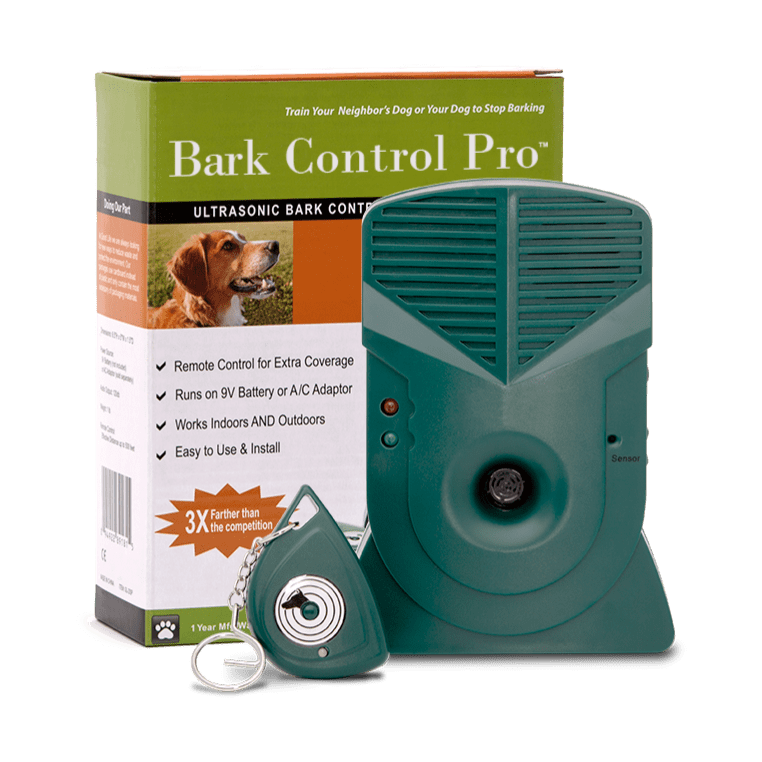
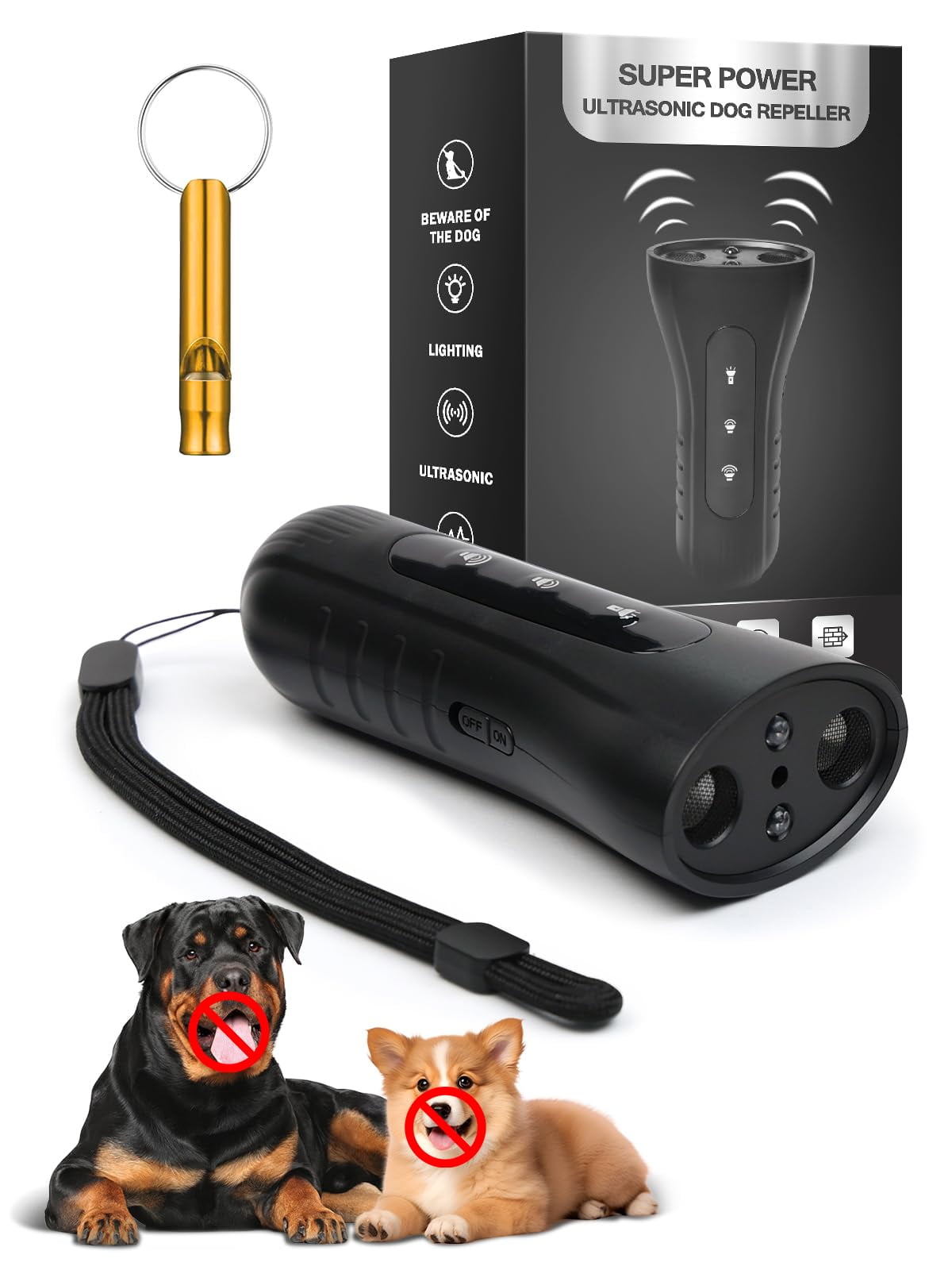
- Ultrasonic devices: Mixed evidence; some dogs respond, others do not. Use cautiously.
- Anti-bark collars: Citronella or vibration collars can work but may stress some dogs. Avoid shock collars due to welfare concerns.
- Physical barriers: Fencing or privacy screens reduce visual triggers and lower barking.
- Enrichment toys: Durable puzzle toys, frozen treat toys, and long-lasting chews keep dogs busy.
Always suggest humane choices first. If a product causes fear or pain, stop using it.
Legal options and mediation: when friendly talks don’t work
If neighborly solutions fail, you may need formal steps. Local noise ordinances often cover excessive dog barking. Landlords and HOAs can also intervene.
- Check local laws: Many places have quiet-hours or nuisance rules for barking dogs.
- Try mediation: A neutral mediator can help neighbors agree on a plan.
- File a formal complaint: Use your documentation when contacting animal control or local authorities.
- Consider civil options: Repeated, severe cases may warrant small-claims or nuisance actions.
Escalation should be last resort. It can strain relationships, so document everything and remain professional.

Safety, ethics, and homeowner boundaries
Helping a neighbor with a barking dog requires respect and ethics. Focus on the dog’s welfare as well as your peace.
- Never harm or harass the dog: Illegal or cruel acts risk legal trouble.
- Respect privacy: Approach the owner privately and respectfully.
- Be transparent: Explain how the barking affects your life with clear facts.
- Know limits: You can request change, but you can’t control someone else’s choices.
Balancing empathy with firmness gets the best outcomes. Most owners want a calm pet and will work with a neighbor who is reasonable.

My experience: a real case that worked
I once had a neighbor whose dog barked every morning for 45 minutes. I logged the noise for two weeks. Then I knocked, explained the pattern, and offered to help find a trainer.
We suggested a morning walk routine and a Kong toy filled with frozen peanut butter. The owner also used a white noise machine. Within three weeks the barking time dropped to five minutes. The friendly approach, documentation, and small practical fixes solved the issue without escalation.
Lesson learned: Clear records and a cooperative tone work better than anger. Small, consistent changes can make a big difference.

Common questions people ask about barking (PAA-style)
How long will it take for training to reduce barking? Training results vary. With consistent routines and rewards, many dogs show measurable improvement in 2–8 weeks.
Can soundproofing stop neighbor dog noise? Soundproofing helps reduce noise indoors but won’t stop the dog from barking outside. Combine soundproofing with behavioral solutions for best results.
Are anti-bark devices legal? Many are legal, but rules vary by location. Choose humane devices and check local regulations before recommending them.
Frequently Asked Questions of how to make neighbors dog stop barking
Why does my neighbor’s dog bark so much?
Dogs bark for many reasons: boredom, fear, attention needs, territorial instincts, or pain. Identifying the trigger helps decide whether to use training, enrichment, or medical care.
How should I approach my neighbor about their barking dog?
Be calm and factual. Share times and recordings, offer suggestions, and express empathy—most owners want to be good neighbors and may not realize the problem.
When should I contact animal control or the landlord?
If the barking is persistent after polite attempts, and you have documentation, contact animal control, the landlord, or local noise enforcement. Use records to support your complaint.
Do anti-bark collars work to stop barking?
Some collars reduce barking for certain dogs, but results vary. Choose humane options and avoid shock collars due to welfare concerns and potential legal limits.
What if the dog barks at night and disrupts sleep?
Document occurrences, talk to the owner, and suggest nighttime fixes: indoor rest areas, white noise, earlier evening exercise, or temporary boarding if needed.
Can medication or vet care help stop barking?
Yes. If barking comes from anxiety, fear, or pain, a vet can diagnose and suggest treatment, including behavior therapy and, rarely, medication.
Is mediation worth trying before legal action?
Yes. Mediation is less confrontational and often leads to practical, mutually agreed solutions. It preserves neighbor relations and can be faster than legal routes.
Final thoughts
Stopping a neighbor’s dog from barking takes patience, clear records, and humane action. Start with a calm talk, document the pattern, offer practical fixes, and suggest training or vet checks when needed. If those steps fail, use mediation or legal channels with your records ready.
Take action today by logging the noise for a week and having a polite conversation with your neighbor. If you found this helpful, try the steps, share your experience, or leave a comment so others can learn from your story.

Pet Care Writer & Researcher
Daniel writes practical guides on daily care, feeding, and safety, turning complex topics into simple, actionable advice.