Why Do Dogs Bark When You Come Home: The Real Reason
Why do dogs bark when you come home? Learn what your dog’s greeting means and how to respond to excited barking calmly and effectively.
Dogs bark when you come home to greet you, release excitement, seek attention, or signal that your arrival changed the environment.
If you have ever opened the door to a noisy welcome, you may wonder, “Why do dogs bark when you come home?” The answer depends on your dog’s body language, history, and daily routine. A calm greeting bark is very different from a fearful or frustrated bark. This guide explains the most common causes, how to read the signals, and how to build a calmer homecoming routine.

Why do dogs bark when you come home?
Dogs bark because barking is one of their main ways to communicate. Your return can trigger several feelings at once, such as joy, relief, excitement, alertness, or worry. In many cases, your dog is not being “bad.” Your arrival simply creates a large emotional response.
The most common reasons why dogs bark when you come home include:
• Greeting you after time apart
• Showing excitement about attention, play, food, or a walk
• Asking you to open a door or remove a barrier
• Reacting to sounds at the door
• Feeling anxious during your absence
• Protecting the home from a person they see as unfamiliar
• Learning that barking makes people respond
A dog’s bark is like a sentence. Its meaning depends on the sound, the situation, and the rest of the dog’s body. A loose body and wagging tail often suggest friendly excitement. A stiff body, hard stare, raised hackles, or low growl may signal fear or concern.

Your dog may be greeting you
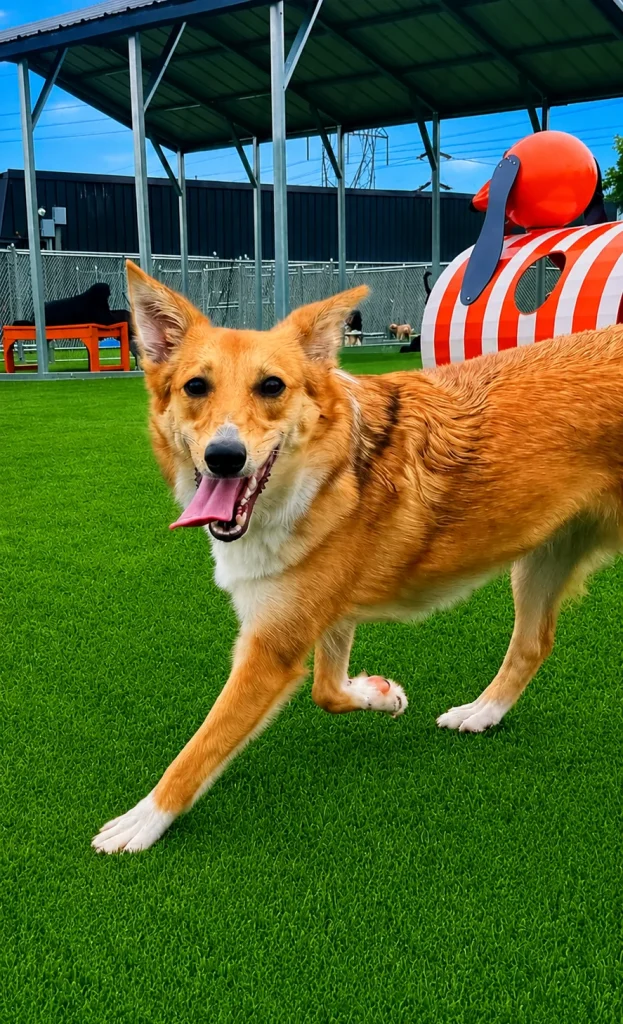
Many dogs bark when their favorite person returns because they are happy to see them. The bark may come with jumping, spinning, whining, tail wagging, or a toy brought to the door.
This type of barking often starts before you enter. Your dog may hear your car, keys, footsteps, or garage door. Dogs have strong hearing and excellent pattern memory. They can connect small sounds with your arrival long before you reach the front door.
If you ask why dogs bark when you come home and your dog looks relaxed, greeting behavior may be the main answer. Your dog may be saying, “You are back. Pay attention to me.”
Still, friendly barking can become loud or difficult to manage. Dogs repeat behaviors that lead to rewards. If barking brings petting, excited talk, or immediate play, your dog may learn that noise is the best way to start the reunion.
Excitement and pent-up energy can cause barking
Your dog may spend hours resting, watching the window, or waiting for something interesting to happen. When you return, the quiet routine changes at once. That sudden change can release stored energy.
This is one reason why dogs bark when you come home after a long day away. Your arrival may predict several good events:
• A walk
• Dinner
• Playtime
• Outdoor access
• Cuddling
• A trip in the car
The bark may be part of a larger excitement chain. Your dog hears the key, runs to the door, barks, jumps, and then gets a walk. Over time, each part of the chain becomes stronger.
You can reduce this pattern by making your arrival calm and predictable. Enter without shouting. Wait for four paws on the floor. Then offer a quiet greeting or guide your dog to a mat before starting the next activity.
Separation anxiety may be behind the barking
Some dogs bark when you come home because they were distressed while you were gone. Separation anxiety is more than normal loneliness. It is a strong fear response linked to being away from a trusted person.
Signs may include:
• Barking or howling soon after you leave
• Scratching doors or windows
• Chewing furniture
• Drooling or panting
• Urinating indoors despite good house training
• Pacing or trying to escape
• Following you closely when you return
A dog with separation anxiety may bark intensely when you come home because your return ends a stressful period. The noise may sound joyful, but the deeper feeling may be relief.
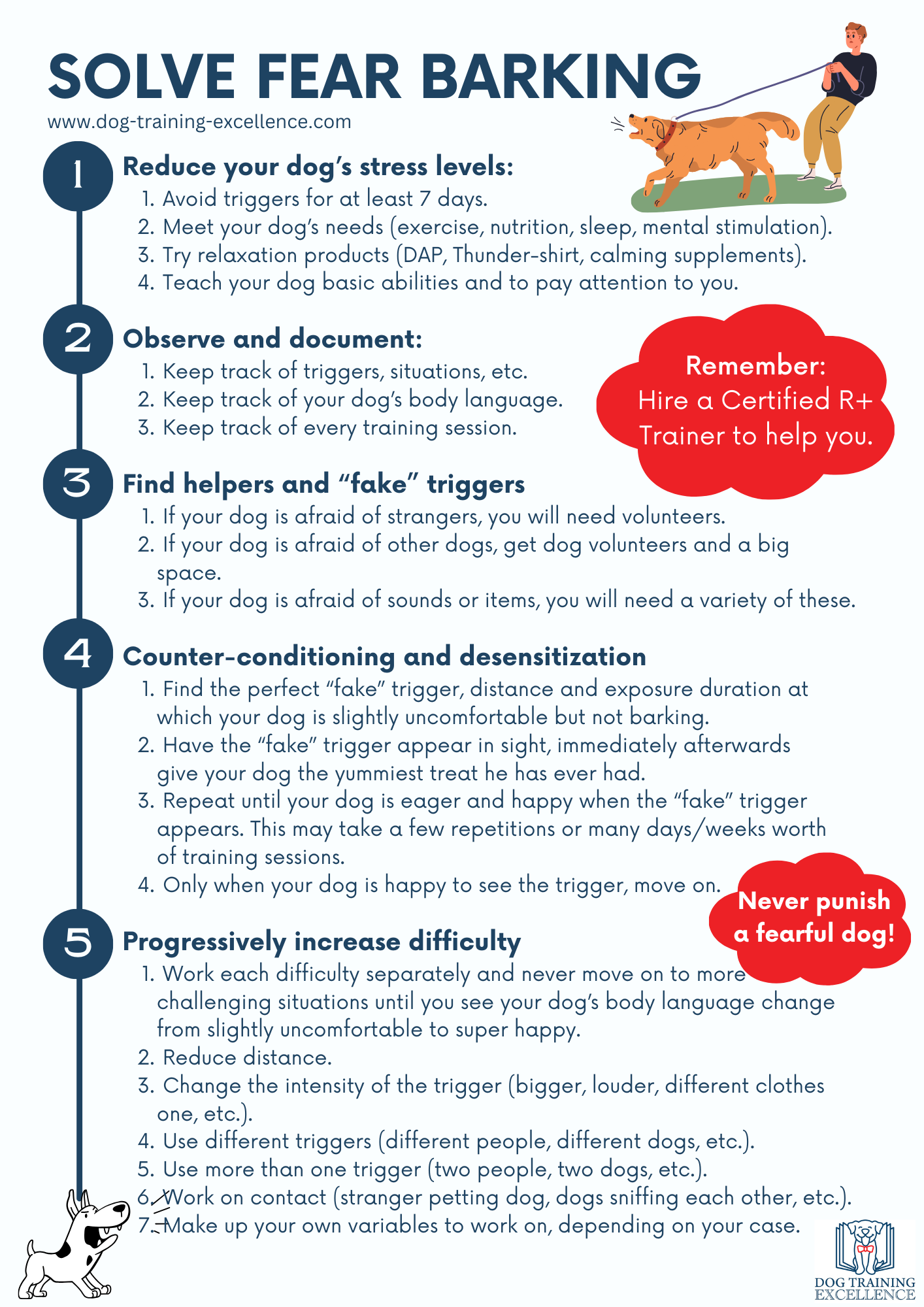
Punishment can make this problem worse. It may add fear without teaching your dog how to cope alone. A veterinarian or certified veterinary behavior professional can help create a gradual treatment plan. Some dogs also need medical support, especially when anxiety is severe.
Territorial behavior can trigger barking
Dogs notice changes around the home. When you come through the door, you may look and smell different from the person who left. You may carry shopping bags, wear a uniform, or bring outdoor scents inside.
Some dogs bark because they are checking the area and announcing your arrival. Others may treat the doorway as a space they must control. This behavior can become stronger if your dog also barks at visitors, delivery workers, or people passing the house.
Look closely at body language. A territorial dog may stand tall, lean forward, raise the tail, or stare toward the door. The bark may sound sharp and repeated. A fearful dog may move back, lower the body, pin the ears, or hide while barking.
Do not force a fearful dog to approach the doorway. Give the dog space and use a gate, leash, or quiet room when needed. If the behavior includes snapping, lunging, or biting, seek help from a qualified professional.

Your dog may be asking for something
Barking can be a request. Your dog may want food, water, a bathroom break, play, or access to another room. Your return may be the first moment when the dog expects these needs to be met.
This explains why dogs bark when you come home even when they appear calm. The dog may have learned that you control important resources. Barking becomes a clear way to ask for action.
Try to meet basic needs before the barking becomes intense. Keep meals and walks on a steady schedule when possible. Teach a different request, such as sitting by the door, touching your hand, or bringing a toy.
Reward the replacement behavior. For example, wait for your dog to sit, then open the door or offer attention. This teaches that calm communication works better than loud barking.

Learned attention barking is common
Dogs learn through results. If barking makes you look at the dog, speak, touch, or move faster, the behavior may continue. Even saying “Stop!” can act as attention.
This is a key reason why dogs bark when you come home in homes where greetings are very active. The dog may not know that the barking is unwanted. The dog only knows that barking starts an interaction.
A better plan is to reward quiet moments. You do not need to wait for perfect silence. Start with one second of calm, then offer a treat or gentle praise. Slowly increase the quiet time.
Everyone in the home should follow the same rule. If one person ignores barking while another person gives attention, progress may be slow. Consistency makes the lesson clear.
How to read your dog’s body language
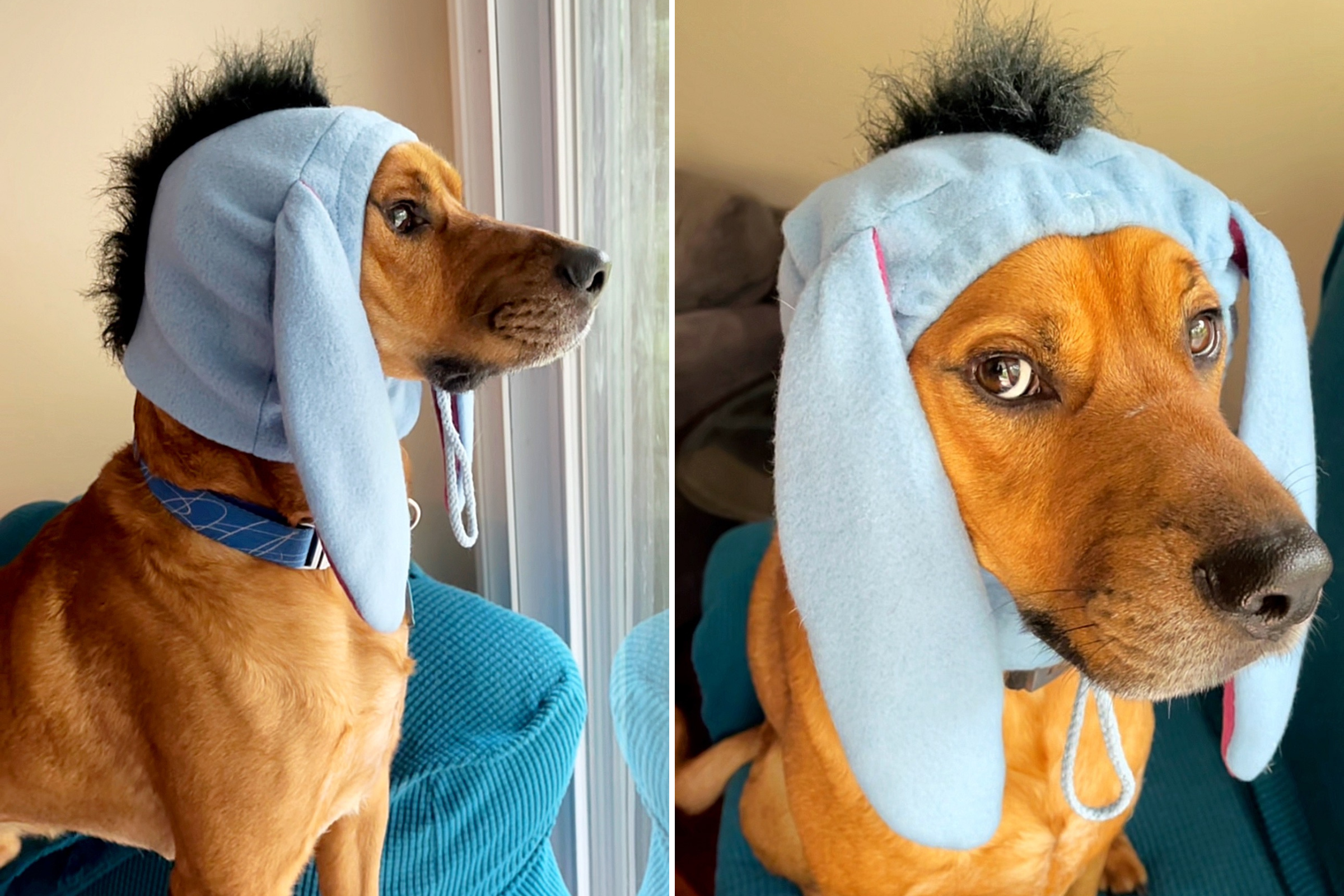
The bark alone does not tell the whole story. Study the dog from head to tail. Body language helps you understand whether the bark reflects joy, fear, stress, or a demand.
Friendly excitement often includes:
• A loose body
• A relaxed open mouth
• A wide, sweeping tail wag
• Play bows
• Soft eyes
Fear or stress may include:
• A lowered body
• Ears held back
• Lip licking
• Yawning
• Whale eye, where you see the whites of the eyes
• Tail tucked under the body
Possible defensive behavior may include:
• A stiff posture
• A fixed stare
• Raised hackles
• Weight shifted forward
• A deep growl
A wagging tail does not always mean happiness. Dogs can wag when they are tense or unsure. Look at the full picture rather than relying on one signal.
How to stop your dog from barking when you come home
The goal is not to silence every bark. Barking is normal dog behavior. The goal is to reduce excessive noise and teach a calm way to greet you.
Use this simple routine:
-
Prepare before opening the door. Keep treats near the entrance and remove anything your dog may knock over.
-
Enter quietly. Avoid loud greetings, fast movements, and repeated commands.
-
Wait for calm behavior. Look for four paws on the floor or a brief pause in barking.
-
Reward the pause. Give a small treat, calm praise, or gentle attention.
-
Ask for a simple cue. “Sit,” “touch,” or “go to your mat” can give your dog a clear task.
-
Provide a suitable outlet. After the greeting, offer a walk, toy, sniffing game, or short training session.
-
Repeat the same steps. A calm routine works through practice, not one perfect day.
When asking why dogs bark when you come home, also consider what happens next. If barking always leads to immediate play, delay the play until your dog offers a calmer behavior.
Training exercises that help
Teach a greeting behavior
Choose one behavior you want, such as sitting on a mat. Practice when no one is arriving. Reward your dog for walking to the mat and staying there for a short time.
Next, practice with a soft knock. Then try opening and closing the door. Increase the challenge slowly. If barking becomes intense, make the exercise easier.
Reward quiet
Stand outside the door for a few seconds. Enter when your dog is as calm as possible. If barking starts, wait for a small pause. Mark the pause with praise and give a treat.
Do not yell over the barking. Your dog may think you are joining the noise.
Use enrichment
Mental work can lower excess energy. Try:
• A food puzzle
• A stuffed rubber toy
• A scatter feed in the yard
• A short scent game
• Basic obedience practice
• A safe chew
Exercise helps, but it is not a complete treatment for fear or separation anxiety. A tired dog can still feel worried. Match the plan to the cause.
Mistakes to avoid
Many owners make the same mistakes because the barking is stressful. These errors are understandable, but they can make the habit stronger.
• Do not punish fear-based barking. Fear needs safety and support.
• Do not grab the collar during a tense greeting. This can increase frustration or cause a bite.
• Do not reward jumping with excited attention.
• Do not expect instant results after one training session.
• Do not use shock, prong, or harsh corrections without expert guidance. These methods can increase fear and aggression.
• Do not ignore a sudden change in barking. Pain, hearing loss, cognitive changes, or illness can affect vocal behavior.
A lesson I have seen often in home training is that people focus on the sound but miss the cause. Once the dog’s need is clear, the solution usually becomes more practical. Calm entry, good timing, and small rewards often work better than louder commands.
When to contact a veterinarian or behavior expert
Contact your veterinarian if the barking begins suddenly, becomes extreme, or appears with other changes. Watch for pain, confusion, appetite changes, sleep problems, or unusual irritability.
Professional help is especially important when your dog:
• Bites or attempts to bite
• Charges the door
• Cannot settle after you arrive
• Damages doors or windows
• Shows signs of panic when alone
• Guards the entry area
• Has a history of aggression
A veterinarian can check for medical causes and refer you to a qualified behavior specialist. Choose a professional who uses reward-based methods and can explain the plan clearly.
Behavior advice has limits when no one has observed the dog directly. A short video of the arrival routine can help a professional identify patterns, but record from a safe distance and never create a risky situation for filming.
Frequently Asked Questions
Why do dogs bark when you come home but stay quiet for other people?
Your dog may have a stronger bond with you or may connect your arrival with food, play, walks, or attention. The barking can reflect excitement, expectation, or relief after being apart.
Should I ignore my dog when I come home?
Ignore jumping and intense barking, but do not ignore fear or panic. Wait for a brief calm moment, then reward a safe behavior such as sitting or standing with four paws on the floor.
Is barking when I come home a sign of separation anxiety?
It can be, but barking alone does not prove separation anxiety. Look for distress while you are away, such as destruction, pacing, escape attempts, drooling, or nonstop vocalizing.
Why does my dog bark and bring me a toy when I come home?
The toy may be a greeting gift or a request to play. This is often friendly behavior, especially when your dog has a loose body and relaxed face.
How long does it take to stop homecoming barking?
The time varies by cause, age, temperament, and training history. Many dogs improve within weeks with consistent practice, while fear, aggression, or separation anxiety may require a longer professional plan.
Should I yell “quiet” when my dog barks at the door?
Yelling may increase excitement or make your dog think you are barking too. Teach “quiet” by rewarding a brief pause, then slowly build longer periods of calm.
Conclusion
Why do dogs bark when you come home? Most dogs bark because your return brings strong emotion, attention, change, or relief. The right response depends on the dog’s body language and the events that follow the barking.
Enter calmly, reward quiet behavior, teach a clear greeting routine, and avoid punishment. If the barking comes with panic, fear, aggression, or sudden behavior changes, ask a veterinarian or qualified behavior professional for help.
Start with one small change at your next homecoming. Give your dog a calm task, reward the first quiet pause, and build from there. Share this guide with another dog owner or explore more reward-based training resources for a calmer greeting.

Pet Care Writer & Researcher
Daniel writes practical guides on daily care, feeding, and safety, turning complex topics into simple, actionable advice.