
How To Stop Your Dog From Barking At Other Dogs: Quick Fix
Learn simple, vet-backed training steps for how to stop your dog from barking at other dogs. Calm walks, clear commands, fast results—start today.
Teach calm focus, remove triggers, and train with desensitization plus rewards.
I’ve worked with many dogs and owners who asked how to stop your dog from barking at other dogs, and I know it can feel overwhelming. In this guide I’ll share clear, practical steps based on hands-on experience and behavior science to help you reduce barking, regain control on walks, and make meeting other dogs less stressful for both of you. Read on for easy routines, a step-by-step training plan, tool recommendations, and troubleshooting tips so you can confidently stop your dog from barking at other dogs.
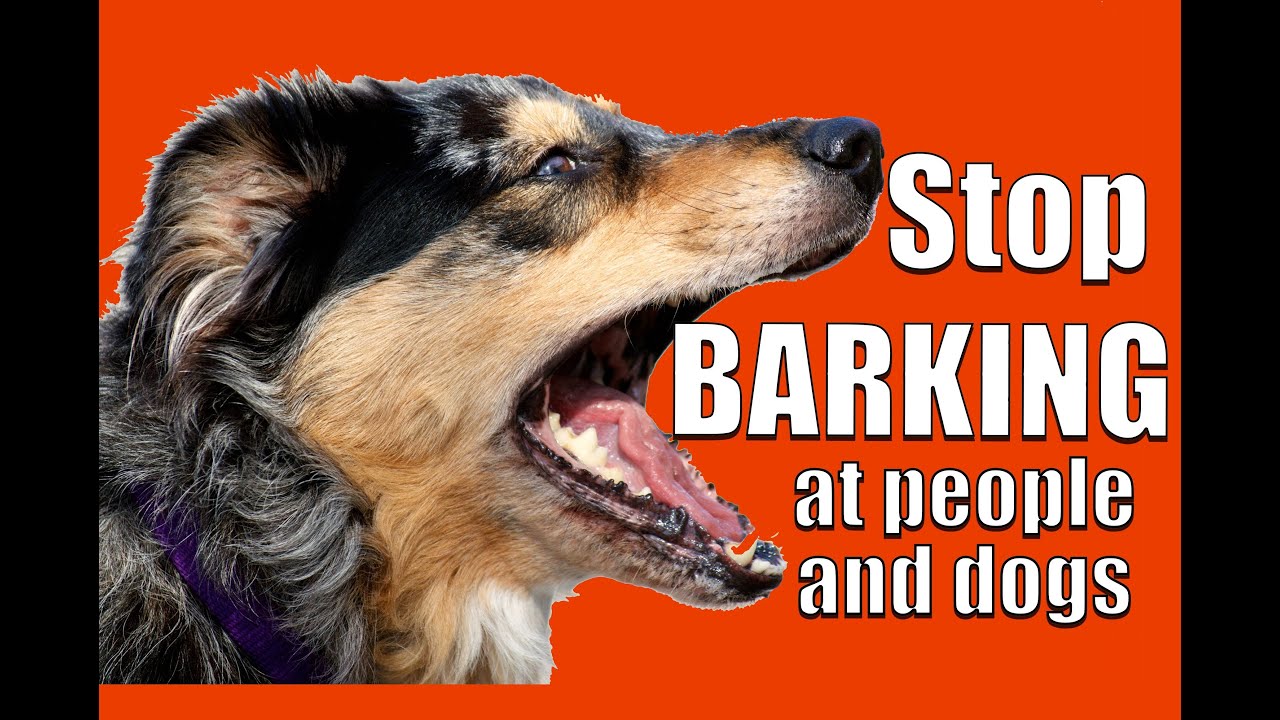
Why dogs bark at other dogs
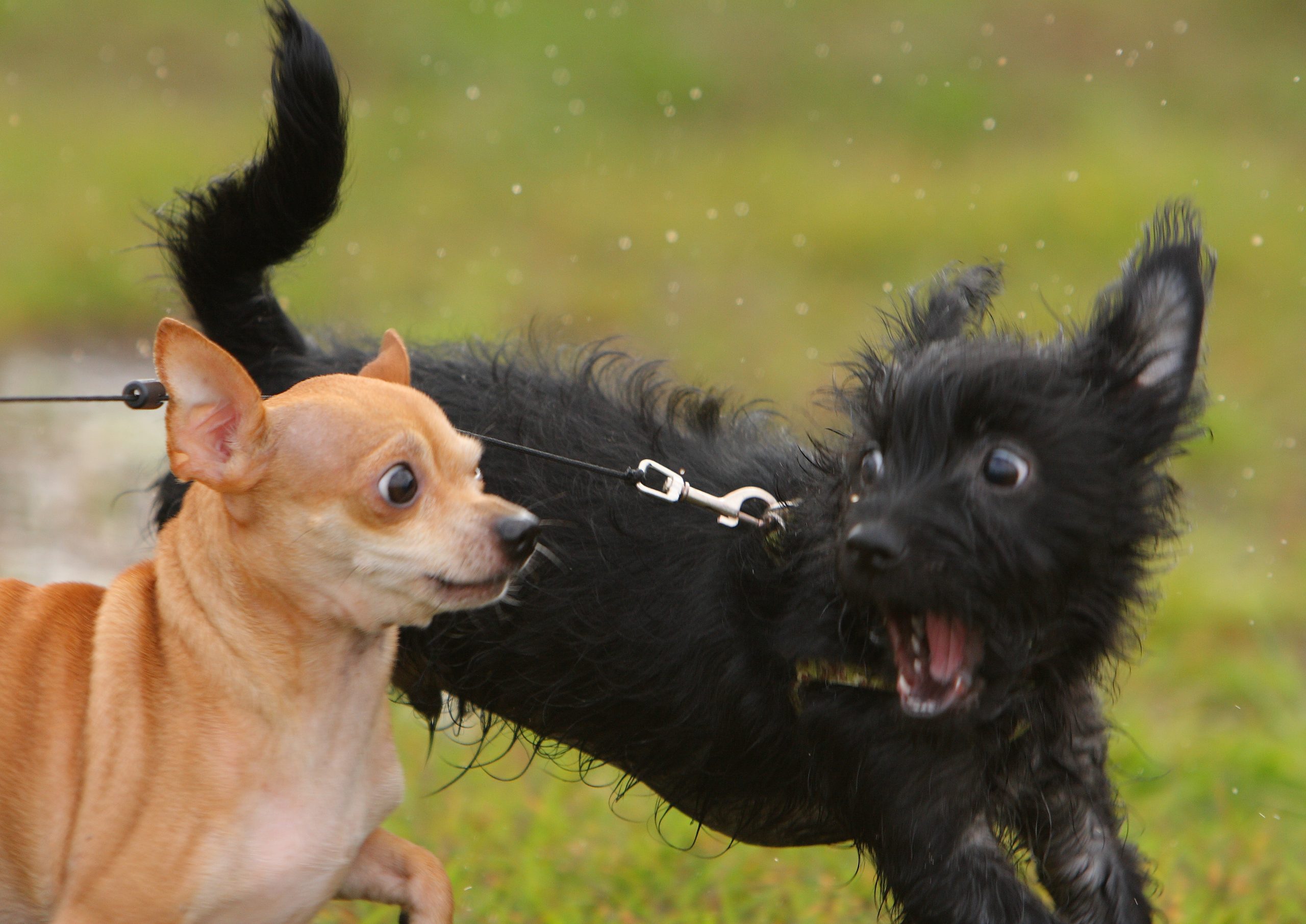
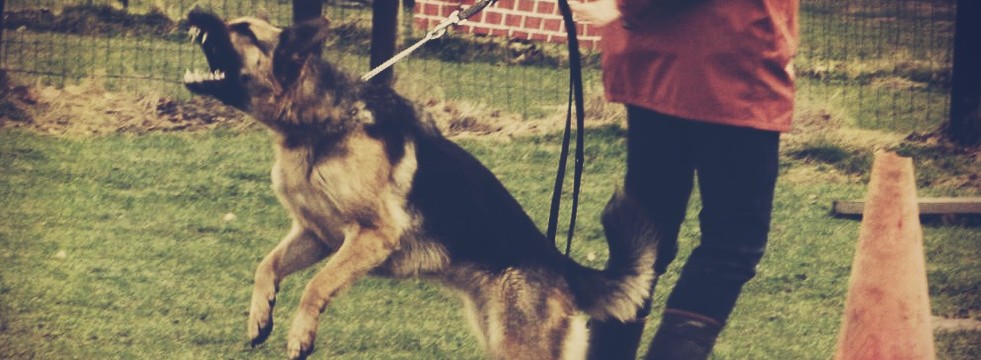
Dogs bark at other dogs for many reasons. Some dogs bark from excitement. Others bark out of fear, frustration, or to warn. Barking can also be learned behavior. If barking leads to the dog getting what it wants (space, attention, or a reaction), the dog will keep doing it.
- Lack of socialization at a young age.
- Over-arousal because of excitement or pent-up energy.
- Fear or anxiety triggered by certain postures or distances.
- Frustration or barrier aggression when the dog cannot reach another dog.
- Learned habit reinforced by attention or avoidance.
Understanding the cause helps decide how to stop your dog from barking at other dogs. For example, a fearful dog needs gentle desensitization. An excited dog needs impulse control and physical outlets. My experience shows most owners improve results when they match the method to the cause.

Core principles to stop your dog from barking at other dogs
Follow these core principles when you train:
- Manage the environment first so your dog can succeed.
- Use desensitization and counter-conditioning to change feelings about other dogs.
- Teach alternative behaviors like attention, calm, or “leave it.”
- Reward desirable behavior immediately and consistently.
- Avoid punishment that raises fear or increases reactivity.
Practical examples:
- If your dog lunges at neighborhood dogs, cross the street to keep distance and reward calm behavior there.
- If your dog barks when other dogs appear, train a “look at me” cue and reward eye contact with high-value treats.
- If your dog is frustrated behind a fence, remove the barrier or redirect before barking starts.
These steps are the backbone of how to stop your dog from barking at other dogs. They work because they change the dog’s emotions and reward alternatives, not just suppress noise.

Step-by-step training plan to stop barking (8-week outline)
Week 1: Manage and observe
- Identify triggers and safe distances.
- Start rewarding any calm behavior near triggers.
- Short, frequent training sessions of 3–5 minutes.
Week 2: Build attention
- Teach “look” or “watch me” with treats.
- Practice indoors and at greater distances from other dogs.
Week 3: Desensitize at distance
- Expose the dog to other dogs at a distance that does not trigger barking.
- Reward calm and look behavior repeatedly.
Week 4: Reduce distance slowly
- Move closer only when the dog stays calm for several repetitions.
- Keep sessions short and positive.
Week 5: Add real-world distractions
- Practice on busy walks with low-intensity encounters.
- Use high-value rewards for calm behavior.
Week 6: Teach “quiet” cue
- Capture moments of silence and reward. Pair with a cue like “quiet.”
- Avoid saying “quiet” during barking; cue should predict calm.
Week 7: Reinforce impulse control
- Use games like “sit-stay” and “leave it” around other dogs.
- Increase duration and complexity slowly.
Week 8: Generalize and proof
- Practice in different places and with different dogs.
- Aim for maintenance routines: regular walks, mental work, and short practice sessions.
Stick with short sessions and consistent rewards. Progress may be slow but steady. This plan shows how to stop your dog from barking at other dogs without rushing or forcing changes.
Specific exercises and commands that work
Attention training: Teach a firm “watch me” cue.
- Hold a treat near your eyes and reward eye contact.
- Repeat in new locations and around gentle distractions.
Counter-conditioning: Change emotional response to other dogs.
- Pair the sight of another dog with something great (treats, praise).
- Start at a distance where your dog is relaxed.
Desensitization: Reduce sensitivity step-by-step.
- Gradually bring the trigger closer only when your dog stays calm.
- If barking returns, increase distance and slow down.
“Quiet” training:
- Wait for a pause in barking. Reward immediately and say “quiet.”
- Extend the pause gradually before rewarding.
Impulse control games:
- Practice sit-stay with increasing time and distraction.
- Play “leave it” to improve self-control around triggers.
These exercises are practical ways to implement how to stop your dog from barking at other dogs. They focus on teaching what to do instead of just stopping the barking.
Tools and gear that help (and what to avoid)
Helpful tools:
- Treat pouch for quick rewards.
- Front-clip harness or head halter for better steering control.
- Long leash (15–30 feet) for safe desensitization practice.
- Clicker for precise timing when teaching new behaviors.
Use caution with:
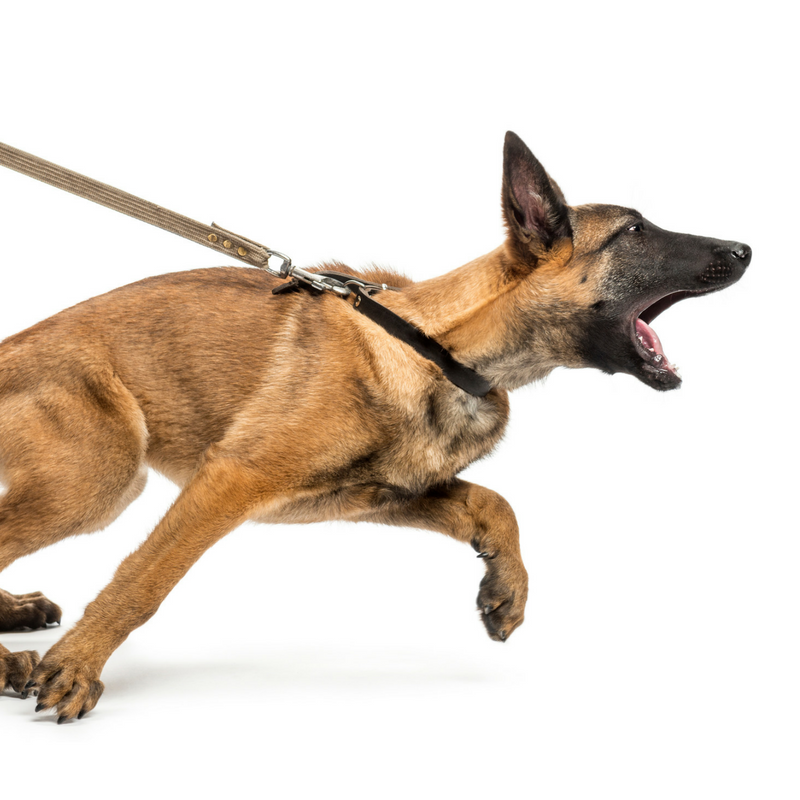
- Shock collars or prong collars that cause pain. These can increase fear and reactive barking.
- Over-relying on equipment instead of training.
If your dog’s barking is sudden or changed overnight, consult your veterinarian to rule out pain or medical causes. In my work, pairing the right tools with consistent training speeds progress without causing harm.
Socialization, exercise, and lifestyle changes
Socialization is not a one-time event. Regular, calm exposure to other dogs helps. Start with well-mannered dogs and controlled settings.
Exercise reduces excess energy. A tired dog barks less. Add:
- Daily walks with training intervals.
- Play sessions and puzzle toys to reduce boredom.
Routine matters. Consistency with rules, cues, and rewards will help you stop your dog from barking at other dogs more quickly. In my experience, owners who maintain simple routines see better long-term change.

Common mistakes and how to avoid them
Mistake: Yelling at the dog for barking
- Why it fails: Yelling often sounds like joining the bark or increases anxious arousal.
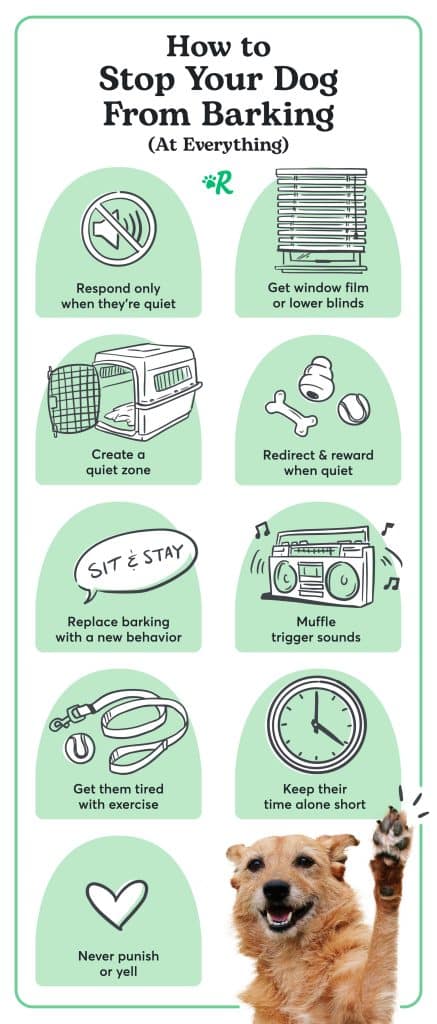
- Fix: Use calm redirection and reward quiet.
Mistake: Rushing proximity
- Why it fails: Getting too close too quickly increases fear and reactivity.
- Fix: Move at the dog’s pace and reward small wins.
Mistake: Inconsistent rules
- Why it fails: Dogs learn by patterns. Mixed signals slow progress.
- Fix: Align household rules and reward all family members use the same cues.
Mistake: Ignoring body language
- Why it fails: You miss early signs of stress or excitement.
- Fix: Learn signals like stiff posture, whale eyes, raised hackles, and deal with triggers earlier.
Avoid these errors to improve outcomes and make the work to stop your dog from barking at other dogs more effective.
PAA-style quick questions
How long does it take to stop my dog from barking at other dogs?
Most dogs show improvement in a few weeks with daily short sessions, but full change can take months depending on history and severity.
Should I punish my dog for barking at other dogs?
No—punishment can worsen fear or aggression. Reward calm behavior and use positive, consistent training methods.
Can exercise alone stop the barking?
Exercise helps but rarely fixes trigger-specific barking by itself. Combine physical activity with targeted training for best results.
Frequently Asked Questions of how to stop your dog from barking at other dogs
What is the first step to stop my dog from barking at other dogs?
Start by managing distance so your dog can stay calm. Use rewards to reinforce relaxed behavior at that distance.
Can leash training reduce barking at other dogs?
Yes. A front-clip harness or head halter gives you better control while you teach alternative behaviors like “watch me” and “sit.”
When should I get professional help?
Seek a qualified trainer or behaviorist if the barking includes lunging, snapping, or signs of severe fear, or if progress stalls despite consistent effort.
Are some breeds more likely to bark at other dogs?
Some breeds have higher vocal tendencies or reactivity, but individual upbringing, socialization, and training are major factors.
What if my dog barks only when behind a fence?
This is likely barrier frustration. Limit exposure by changing routes, removing visual access, or training calm behavior near the fence.
How often should I practice these exercises?
Short, frequent sessions—3 to 5 minutes, 2 to 4 times daily—are more effective than long, irregular training blocks.
Can medication help stop barking?
Medication can be helpful for dogs with anxiety or severe reactivity, but it should be prescribed by a veterinarian and paired with training.
Conclusion
Stopping your dog from barking at other dogs takes patience, the right plan, and consistent practice. Start by managing triggers, teach clear alternative behaviors, use rewards, and progress at your dog’s pace. Keep sessions short, celebrate small wins, and seek professional help when needed. Try the step-by-step plan in this article and track progress week by week—your calm, confident dog is achievable with steady work. If this guide helped, leave a comment with your dog’s story, subscribe for more training tips, or try one training step today and note the change.

Pet Care Writer & Researcher
Daniel writes practical guides on daily care, feeding, and safety, turning complex topics into simple, actionable advice.