Why Is Dog Barking At Nothing: Causes And Solutions
Why is dog barking at nothing? Learn common causes, hidden triggers, and practical ways to calm your dog and reduce unexplained barking.
Dogs bark at “nothing” because they detect sounds, smells, sights, or feelings that people often miss.
If you have wondered why is dog barking at nothing, you are not alone. Dogs experience the world through sharp senses and fast emotional reactions. A quiet room to you may include a distant dog, a small pest in the wall, a new smell, or a shadow that catches your pet’s eye.
The good news is that this behavior is often normal. Still, sudden or nonstop barking can point to fear, boredom, pain, aging, or a health problem. This guide explains the most likely causes, how to respond, and when to contact a veterinarian or qualified behavior professional.

Why is dog barking at nothing?
The phrase “barking at nothing” usually means a dog is reacting to something its owner cannot see or hear. Dogs can hear higher-pitched sounds than humans and notice faint smells from far away. They also watch small movements, changes in light, and body language with great care.
A dog may bark at a passing animal, a person outside, a pipe noise, or a scent near a door. In other cases, the bark comes from emotion rather than a clear outside trigger. Fear, excitement, frustration, loneliness, and confusion can all cause vocal behavior.
Dogs also learn from results. If barking makes a person look over, open a door, or offer attention, the dog may repeat it. The behavior can become a habit even after the first trigger disappears.

Common reasons your dog barks at “nothing”
1. Your dog hears sounds you cannot hear
A dog’s hearing is highly sensitive. Your pet may notice a car several houses away, a bird in a tree, a mouse in the wall, or a high-pitched electronic sound.
Common hidden sounds include:
• Distant dogs or wildlife
• Heating and air-conditioning systems
• Plumbing, fans, and appliances
• Car alarms and security devices
• Movement in walls, ceilings, or attics
This is one of the most common answers to why is dog barking at nothing. Watch your dog’s ears. If they point toward one wall, window, or door, a sound may be present.
2. Your dog smells something unfamiliar
A dog’s nose can detect scents that seem completely absent to people. A raccoon near the yard, a new cleaning product, or another animal’s scent on clothing may trigger barking.
Smells can remain after the source leaves. This explains why a dog may continue barking at a doorway even when no person or animal is visible.
3. Your dog sees small changes
Dogs notice movement and contrast well. A curtain moving in the breeze, headlights on a wall, a reflection, or a flickering screen may look important to your pet.
Low light can make this worse. Shadows may change shape, and your dog may treat each change as a new event. Closing blinds at night or moving a lamp can sometimes solve the problem.
4. Your dog feels alert or protective
Barking is a natural warning signal. A dog may bark to tell you that something has changed in its space. This can happen near windows, fences, doors, or the edge of a yard.
Protective barking often includes a stiff body, forward ears, and a fixed stare. Your dog may also move toward the perceived threat. Do not punish this reaction harshly, as fear or stress may increase.
5. Your dog is bored or under-stimulated
A bored dog may create its own activity. Barking can provide mental stimulation, release energy, or invite interaction.
Dogs need more than a quick bathroom break. Walks, sniffing games, training, play, and safe chewing activities help meet their needs. A tired mind often settles more easily than a tired body alone.
6. Your dog wants attention
Some dogs bark because barking works. If barking leads to petting, eye contact, food, play, or access to a room, the dog may learn that noise gets results.
Even telling a dog to stop can reward the behavior with attention. The better approach is to calmly reward quiet behavior before the barking becomes intense.
7. Your dog is anxious or afraid
Fear-based barking may happen when your dog hears thunder, sees strangers, stays alone, or enters a new place. The dog may pace, hide, pant, tremble, lick its lips, or keep its tail low.
An anxious dog is not being stubborn. It is trying to create distance from something that feels unsafe. Comfort, routine, gradual training, and professional help can make a major difference.
8. Your dog is aging
Older dogs may bark at empty spaces because of changes in vision, hearing, memory, or sleep. Canine cognitive dysfunction can cause confusion, restlessness, nighttime vocalizing, and changes in social behavior.
A senior dog that suddenly barks at walls, corners, or empty rooms deserves a veterinary check. Aging may be part of the cause, but pain, illness, and sensory loss must also be considered.

How to tell what your dog is reacting to
The bark itself gives useful clues. Listen for changes in pitch, speed, and rhythm. Then study your dog’s posture and the setting.
A short, sharp bark may signal surprise. A low, repeated bark may reflect concern. High-pitched barking often appears with excitement, frustration, or distress.
Look for these patterns:
• Barking at windows may suggest sights, movement, or territorial concern.
• Barking at walls may point to pests, plumbing sounds, or reflected noise.
• Barking at night may relate to wildlife, fear, loneliness, or age-related confusion.
• Barking after exercise may reflect excitement that has not settled.
• Barking when alone may suggest separation distress.
• Barking during storms may signal noise sensitivity.
Keep a simple log for several days. Write down the time, place, sound, body language, and what happened after the barking. This small record often reveals a pattern.
In cases I have observed, owners often focus on the sound but miss the moment before it starts. That moment matters. A glance toward the window, a stiff tail, or a quick head turn can show the trigger before the first bark.
What to do when your dog barks at nothing
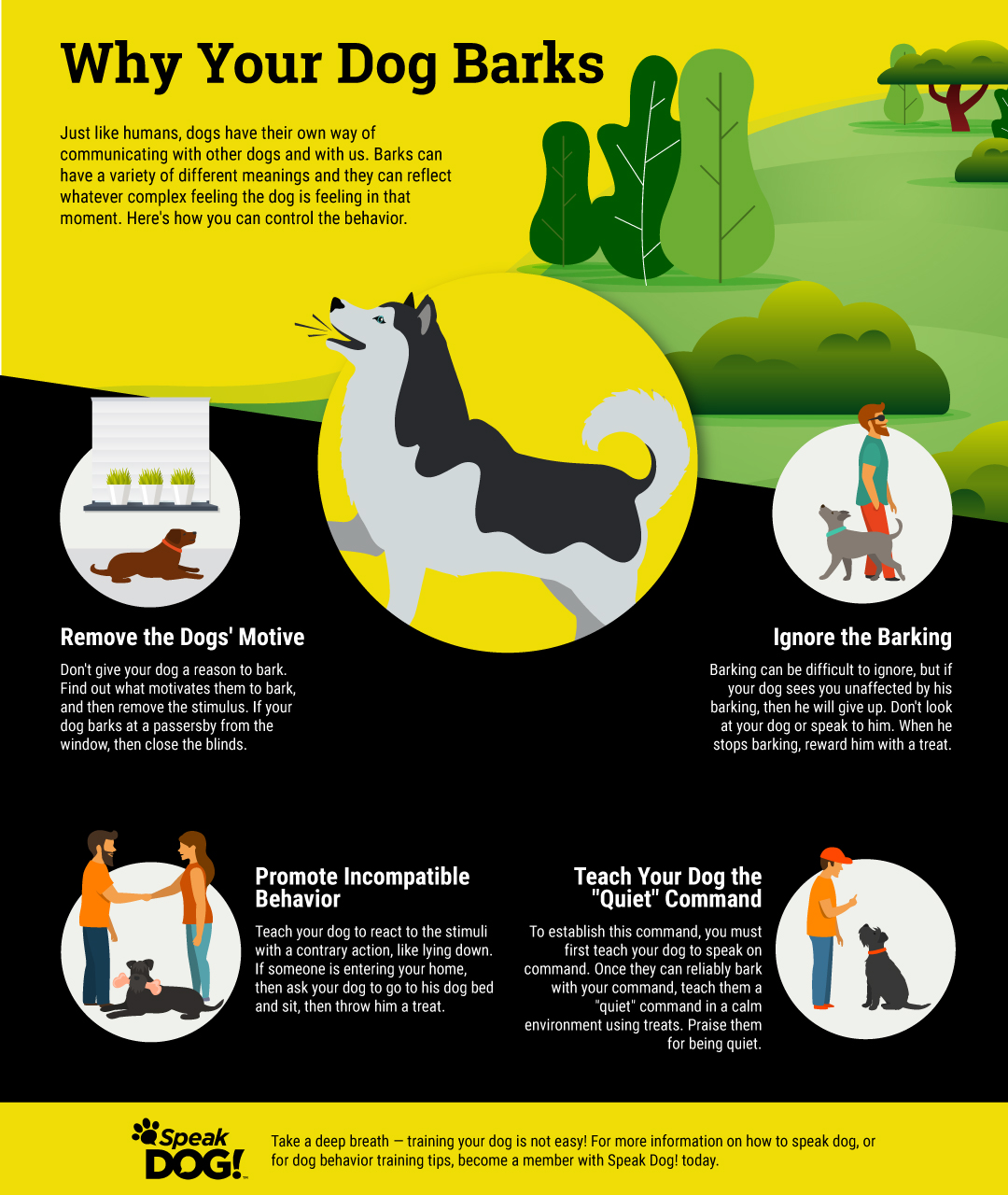
Start by staying calm. Shouting can make your dog think you are joining the alarm. It may also increase fear and make the barking louder.
Use a simple plan:
-
Check for a real trigger. Look for wildlife, people, pests, loud devices, or a new smell.
-
Reduce the trigger when possible. Close the blinds, move your dog away from the door, or use soft background noise.
-
Wait for a brief pause. Even one or two seconds of quiet is a useful starting point.
-
Reward the quiet moment. Offer a small treat, calm praise, or a favorite toy.
-
Give your dog another task. Ask for “sit,” “touch,” or “go to your mat.”
-
Repeat the process often. Short, calm practice works better than one long lesson.
Avoid opening the door or offering food while your dog is actively barking. If you do, your dog may connect barking with access or rewards.
Never use shock collars or harsh physical punishment without expert guidance. These tools can suppress sound while increasing fear. A dog that feels unsafe may stop warning but become more likely to snap.

Training methods that reduce unwanted barking
Positive reinforcement is the most practical starting point for many dogs. It teaches your pet what to do instead of barking.
Teach a quiet cue
First, allow one or two alert barks. Then say “quiet” in a calm voice. Hold a treat near your dog’s nose. Most dogs pause to sniff. Mark that pause with praise and give the treat.
Repeat this in short sessions. Do not yell the cue. Over time, your dog can learn that “quiet” means settle and look to you.
Teach a place cue
Train your dog to go to a mat or bed. Reward the dog for staying there while calm sounds occur. Begin with easy distractions, then slowly increase the challenge.
This gives your dog a clear job. A dog with a job often handles the world with more confidence.
Add daily mental exercise
Helpful activities include:
• Sniff walks at a relaxed pace
• Food puzzles that match your dog’s skill level
• Short obedience sessions
• Hide-and-seek games
• Safe chew items
• Scatter feeding in a clean, secure area
Do not increase exercise suddenly. Puppies, older dogs, and dogs with joint problems need activities that fit their health and age.
Manage the environment
Training works best when the dog does not practice barking all day. Use window film, curtains, gates, white noise, or a quieter resting area as needed.
Management is not failure. It is like lowering the volume while your dog learns a new habit.

When barking may signal a health problem
A sudden behavior change should not be ignored. Dogs may bark more when they feel pain, become confused, or cannot hear and see normally.
Contact your veterinarian if barking comes with:
• Loss of balance or unusual walking
• Head pressing, staring, or repeated circling
• Seizures or fainting
• Whining when touched
• Heavy panting without heat or exercise
• Changes in appetite, thirst, or bathroom habits
• Vomiting, weakness, or marked sleep changes
• Sudden nighttime confusion
• A major change in an older dog’s behavior
Veterinary care is especially important when the barking has no clear pattern and began suddenly. A behavior professional can help after medical causes receive attention.
There is no reliable evidence that barking at empty areas proves paranormal activity. A hidden sensory trigger, emotional state, or medical concern is a more useful explanation to investigate.
Why is dog barking at nothing at night?
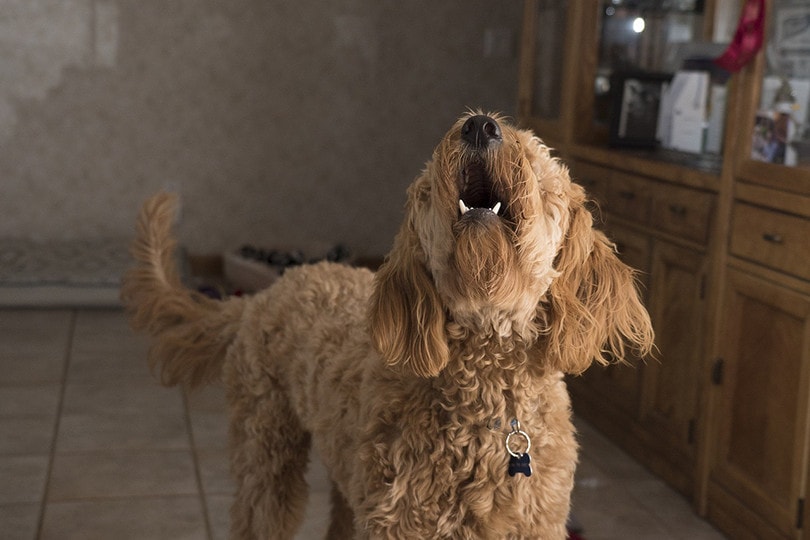
Night barking can feel especially strange because the house is quiet. Yet nighttime may make hidden triggers easier for dogs to notice.
Wildlife becomes active after dark. Sounds can travel farther in still air. Outdoor lights create moving shadows, and household noises may stand out when people are asleep.
Night barking may also result from:
• Separation from family members
• A need to go outside
• Pain or discomfort
• Fear of darkness or unfamiliar sounds
• Canine cognitive changes
Check the environment first. Then make sure your dog has a comfortable sleeping area and a steady bedtime routine. A brief bathroom break may help, but avoid turning nighttime barking into a long play session.
For a senior dog, arrange a veterinary visit if nighttime barking is new or increasing. Early support may improve sleep and comfort for both the dog and the household.

Why is dog barking at nothing while staring at a wall?
Wall staring with barking may have a simple cause, such as insects, rodents, pipes, or sounds from a neighboring home. Dogs can locate noises inside walls more accurately than people can.
Look for scratching, droppings, damaged food packages, or gaps near pipes and vents. Do not use toxic pest products where a dog can reach them. Contact a licensed pest professional if you find signs of an infestation.
If there is no environmental explanation, watch for other symptoms. Repeated staring, confusion, tremors, circling, or loss of awareness requires veterinary advice.
A single event is usually less concerning than a repeated pattern. Record a video if it is safe to do so. Video can help your veterinarian understand what happens during the episode.
Mistakes to avoid when your dog barks
Many well-meaning owners accidentally make barking stronger. The most common mistake is responding with loud emotion.
Avoid these habits:
• Yelling from another room
• Chasing the dog toward a window
• Punishing fear-based barking
• Giving treats only after long barking spells
• Ignoring a sudden change in an older dog
• Using exercise as the only solution
• Expecting instant silence after one training session
Do not assume every bark has the same cause. A dog may bark at wildlife in the morning, boredom in the afternoon, and anxiety at night. Each pattern needs a slightly different response.
One lesson I have learned from working through barking problems is that consistency matters more than intensity. Five calm minutes each day can teach more than one frustrated hour at the weekend.
When to contact a dog behavior professional
Ask for help when barking disrupts sleep, causes conflict with neighbors, or continues despite careful training. Professional support is also wise when the dog lunges, bites, destroys doors, or cannot settle.
Choose a trainer who uses reward-based methods and explains the plan clearly. A veterinary behaviorist can help with severe fear, aggression, compulsive behavior, or complex medical concerns.
Bring useful information to the appointment:
• A short video of the barking
• A record of time and location
• Recent changes at home
• Your dog’s exercise and sleep routine
• Any new medicines or health symptoms
A good professional should consider the dog’s health, environment, learning history, and emotional state. There is rarely one universal fix for why is dog barking at nothing.
Frequently Asked Questions About Why Is Dog Barking at Nothing
Why is my dog barking at nothing in the house?
Your dog may hear sounds, smell animals, see reflections, or react to a shadow that you do not notice. If the behavior is sudden, intense, or paired with confusion, schedule a veterinary check.
Can dogs see or hear things humans cannot?
Yes. Dogs can detect many higher-pitched sounds and faint scents that people miss. Their eyes may also notice small movements or changes in light more quickly.
Should I ignore my dog when it barks at nothing?
Do not automatically ignore it. Check for a real trigger, make sure your dog is safe, and reward calm behavior rather than giving attention during active barking.
Why does my dog bark at an empty corner at night?
An empty corner may contain a sound, scent, pest, or shadow that your dog detects. Night barking can also result from anxiety, pain, or age-related confusion, especially in senior dogs.
Is barking at nothing a sign of illness?
Sometimes, but not always. A new pattern combined with staring, balance problems, pain, confusion, seizures, or sleep changes needs prompt veterinary attention.
How can I stop my dog from barking at nothing?
Identify the trigger, reduce exposure, teach a quiet or place cue, and reward calm behavior. Daily mental activity and consistent routines can also reduce boredom and anxiety.
Conclusion
Dogs rarely bark at truly nothing. They may respond to hidden sounds, smells, movement, stress, boredom, pain, or age-related changes. The best answer to why is dog barking at nothing begins with careful observation rather than punishment.
Check the setting, record patterns, reward quiet moments, and give your dog healthy ways to use its body and mind. If the behavior is sudden, severe, or linked with other symptoms, contact your veterinarian.
With patience and the right plan, many barking problems improve. Observe your dog today, try one calm training step, and share your experience or explore more trusted dog behavior resources.

Pet Care Writer & Researcher
Daniel writes practical guides on daily care, feeding, and safety, turning complex topics into simple, actionable advice.