What Does It Mean When A Dog Barks At Nothing: Why?
What does it mean when a dog barks at nothing? Learn common causes, hidden triggers, and simple ways to help your dog feel calm.
A dog may bark at “nothing” because it senses unseen sounds, smells, movement, or feels anxious.
When a dog barks at nothing, the cause is usually not mysterious. Dogs hear, smell, and notice small changes that people miss. Still, sudden or repeated barking can also point to fear, boredom, pain, aging, or a health issue. This guide explains the most likely reasons, how to read your dog’s body language, and what to do next.
Why Does a Dog Bark at Nothing?
Dogs rarely bark without a reason. The reason may simply be outside your senses. A dog can hear high or distant sounds, smell an animal near the home, or notice a tiny movement behind a wall or window.
When a dog barks at nothing, think of the bark as an alert. Your dog may be saying, “Something changed,” even when you cannot see what changed.
Common causes include:
• A distant car, animal, alarm, or appliance
• A new smell near the home
• Shadows, reflections, or moving curtains
• Fear or nervousness
• Excitement or a desire for attention
• Boredom and excess energy
• Pain or illness
• Age-related confusion or hearing changes
The bark itself offers clues. A sharp, repeated bark may signal alarm. A high-pitched bark can show fear or excitement. A low growl with stiff posture may mean your dog feels threatened.
Dogs Can Sense Things People Miss
A dog’s world is rich with sound and scent. Many dogs can hear sounds at higher frequencies than humans, and their sense of smell is far stronger than ours. This means your dog may react to something real, even if the room seems empty.
For example, your dog may hear a mouse moving inside a wall. It may smell a raccoon near the porch. It may notice a neighbor opening a garage door several houses away.
This is why barking at nothing often happens at night. The home is quiet, so small sounds stand out. Outdoor animals also move more freely after dark.
Dogs may also bark at:
• Plumbing noises
• Heating and cooling systems
• Phone or television sounds
• Electrical buzzing
• Reflections in glass
• Flickering lights
• Tree branches moving near a window
Try to observe the setting instead of dismissing the behavior. Note the time, location, direction of your dog’s gaze, and what happened just before the barking began. A simple log can reveal a pattern within a few days.

Common Reasons a Dog Barks at Nothing
Alert barking
Alert barking is one of the most common explanations. Your dog may hear a delivery truck, detect a person near the house, or notice movement outside.
The bark often stops when the sound or smell fades. Your dog may stand tall, point its ears forward, and look toward a door or window.
Fear or anxiety
A nervous dog may bark at empty corners, dark rooms, new objects, or familiar places that suddenly look different. A fear response can come from thunder, fireworks, construction noise, separation, or a past bad experience.
Look for signs such as:
• Tucked tail
• Pinned-back ears
• Lip licking
• Yawning
• Trembling
• Hiding
• Pacing
When a dog barks at nothing due to fear, scolding usually makes the problem worse. Your dog may learn that the strange event is even more dangerous because you are upset too.
Territorial behavior
Some dogs bark to protect their home. They may react to people walking past, animals in the yard, or sounds near the front door.
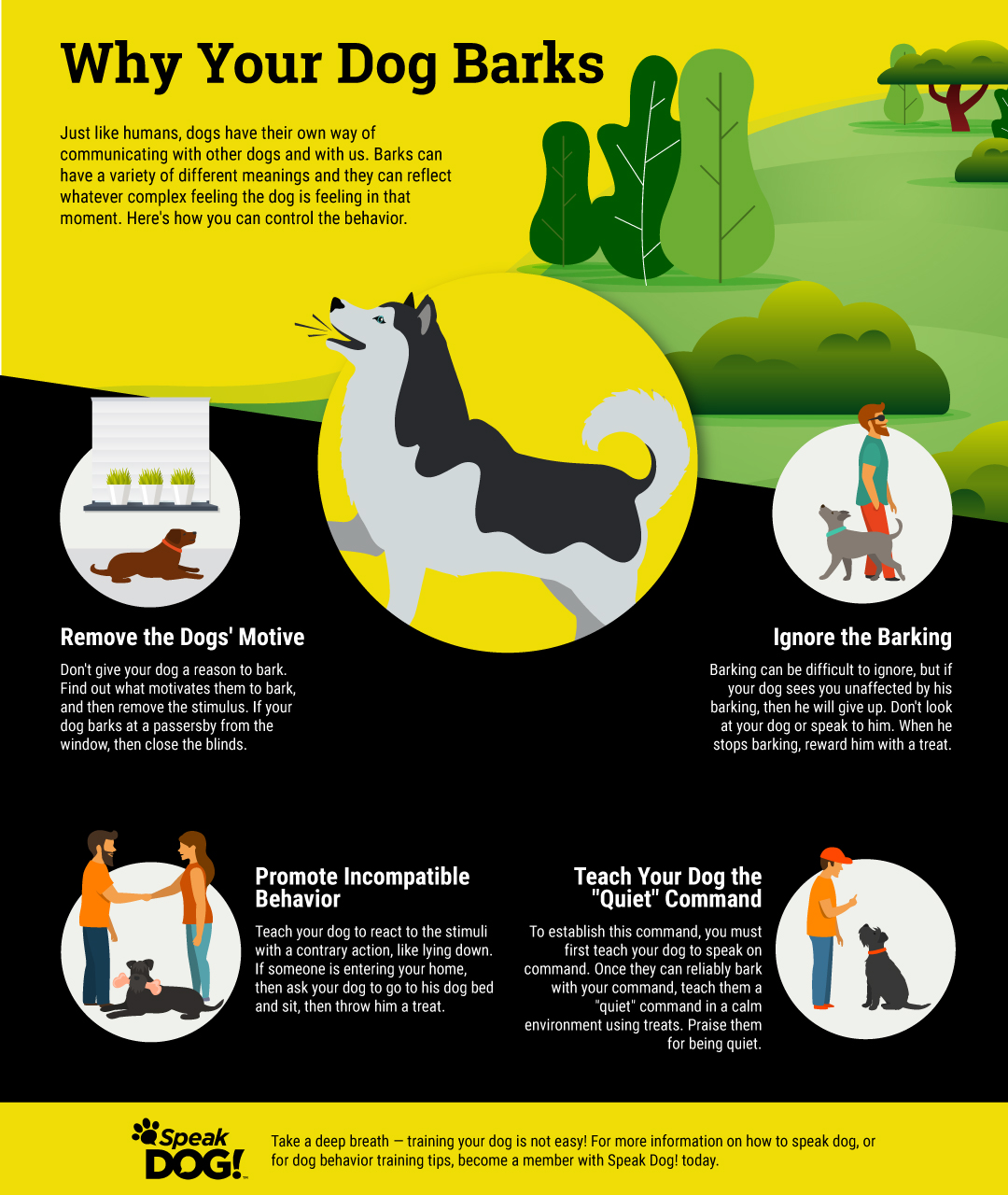
Territorial barking often happens in the same places, such as a window, fence, or porch. Closing the blinds, using a privacy film, or moving furniture away from the window can reduce visual triggers.
Boredom and excess energy
A bored dog may bark because it needs something to do. This is common in dogs that spend long periods alone or receive little exercise.
A dog needs more than a quick bathroom break. Walks, sniffing games, training, food puzzles, and safe play can help meet its mental needs.
Attention seeking
Some dogs learn that barking brings a reaction. Even saying “stop” may reward the behavior because your dog receives attention.
If barking is safe and not caused by fear or pain, give attention when your dog is calm. Reward quiet behavior with praise, a treat, or a toy. This teaches your dog what you want instead of only correcting what you dislike.
Pain or illness
A sudden change in barking deserves attention. Pain can make a dog restless, vocal, or more sensitive to normal sounds.
Possible medical causes include:
• Ear infections
• Dental pain
• Arthritis
• Vision loss
• Neurological problems
• Hormonal disorders
• General illness
If your dog begins barking at nothing without a clear reason, schedule a veterinary check. This is especially important if the barking comes with confusion, balance problems, appetite changes, vomiting, weakness, or unusual sleep.

What Does It Mean When a Dog Barks at Night?
Nighttime barking may happen because the environment is quiet. Your dog can hear sounds that are hidden by daytime traffic, voices, and household activity.
Night barking may also relate to:
• Wildlife near the home
• A security response
• Separation from family members
• Anxiety in a dark room
• Poor vision
• Canine cognitive dysfunction in older dogs
Older dogs may become confused at night. They might wander, stare at walls, bark, or seem unsure of familiar rooms. This condition can resemble dementia in people, but only a veterinarian can assess the cause.
Keep a short record of nighttime behavior. Write down when it starts, how long it lasts, and whether your dog seems alert, afraid, confused, or uncomfortable.

How to Tell What Your Dog Is Reacting To
You do not need to guess. Careful observation can help you identify the trigger.
Start with these steps:
-
Watch your dog’s body language. Notice the ears, tail, eyes, mouth, and body position.
-
Check the environment. Look near windows, doors, walls, vents, and appliances.
-
Listen for sounds. Turn off fans, televisions, and music for a moment.
-
Look for smells. Other animals, food, cleaning products, and visitors can trigger a response.
-
Track the timing. Note whether the barking happens after dark, during storms, when you leave, or when someone passes the home.
-
Record a short video. A video can help a trainer or veterinarian understand the behavior.
A useful lesson from behavior cases is that context matters more than volume. A loud bark is not always a sign of aggression. A quiet, tense dog may be more fearful than a dog that makes a lot of noise.

How to Stop a Dog From Barking at Nothing
The best solution depends on the cause. First, meet your dog’s basic needs. Provide regular exercise, mental play, rest, water, and social contact.
Then reduce known triggers. Close curtains at busy times, use white noise for outdoor sounds, and keep your dog away from doors if visitors cause barking.
Reward calm behavior. When your dog notices a sound but stays quiet, offer a treat or gentle praise. Over time, your dog can learn that calm behavior brings good results.
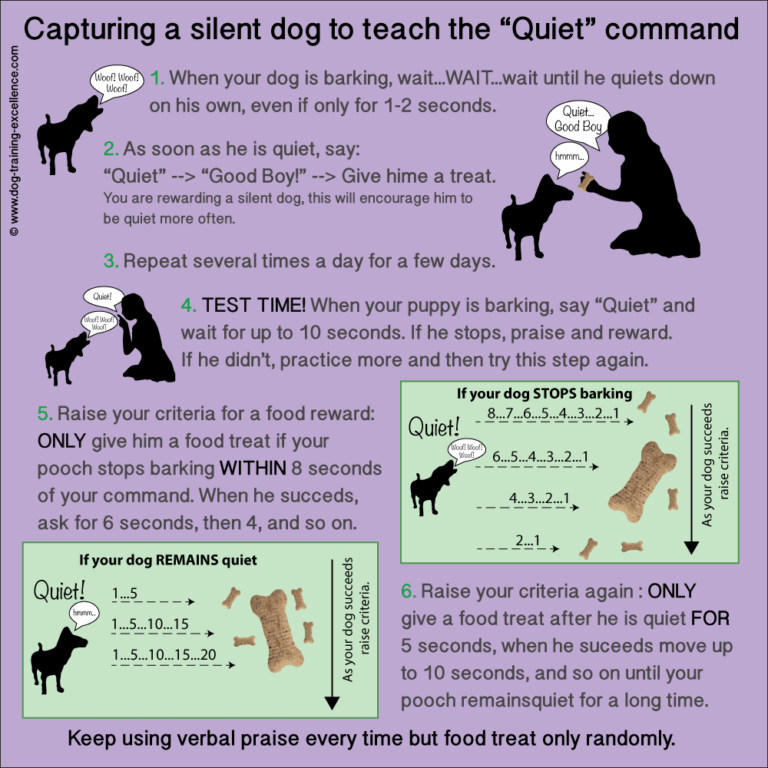
You can also teach a simple cue such as “quiet.” Use this method:
-
Allow one or two alert barks.
-
Say “quiet” in a calm voice.
-
Hold a treat near your dog’s nose.
-
When your dog pauses, reward the silence.
-
Repeat in short sessions.
Do not yell, hit, use shock collars, or punish a frightened dog. These methods can increase stress and may damage trust. They also fail to address the reason for the barking.
If the behavior is intense, work with a certified professional dog trainer or a veterinary behaviorist. Choose someone who uses reward-based methods.

When Should You Call a Veterinarian?
Contact your veterinarian if the barking is new, severe, or linked to other changes. A physical exam can help rule out pain, hearing loss, vision problems, or illness.
Seek prompt veterinary advice if your dog:
• Seems confused or disoriented
• Stares at walls for long periods
• Loses balance
• Has seizures
• Cries when touched
• Stops eating or drinking normally
• Shows sudden aggression
• Cannot settle or sleep
• Barks repeatedly without breaks
A veterinarian may ask about your dog’s age, medications, home routine, sleep, appetite, and behavior history. Bring notes or videos if possible. Clear details can speed up the evaluation.
Older dogs deserve special care. Barking at nothing in a senior dog may be linked to sensory decline or cognitive changes. Early support can improve comfort and safety.

Mistakes to Avoid When Your Dog Barks at Nothing
Many owners react with frustration because the trigger is invisible. That response is understandable, but it can create a cycle: the dog feels alarmed, the owner becomes tense, and the dog barks even more.
Avoid these common mistakes:
• Assuming your dog is being stubborn
• Punishing fear-based barking
• Giving constant attention during demand barking
• Ignoring a sudden behavior change
• Using a bark collar without understanding the cause
• Providing exercise but no mental enrichment
• Waiting too long to seek help
One practical lesson is to change one factor at a time. If you close the blinds, start a noise machine, and change your dog’s routine all at once, you may not know what helped.
Stay calm and consistent. Your dog watches your behavior for information. A relaxed response can make an unusual sound feel less threatening.

Can Training and Enrichment Help?
Yes. Training gives your dog a clear response when it notices something unusual. Enrichment also reduces the need to create its own entertainment.
Try these activities:
• Scatter a few treats in a safe area for your dog to sniff
• Use a food puzzle during quiet times
• Practice “sit,” “look,” and “settle”
• Take slow walks that allow sniffing
• Rotate toys instead of leaving every toy out
• Play gentle games indoors
• Teach your dog to move away from windows on cue
Sniffing is especially useful because it engages the brain. A short scent game may tire a dog more effectively than fast play alone.
Keep sessions short and positive. Five calm minutes each day can be more useful than one long session once a week.

Frequently Asked Questions About What Does It Mean When a Dog Barks at Nothing
Is my dog barking at ghosts?
There is no reliable scientific evidence that dogs bark at ghosts. In most cases, the dog is reacting to a sound, scent, movement, reflection, emotion, or physical issue that people have not noticed.
Why does my dog bark at nothing in the house?
Your dog may hear activity inside walls, smell an animal, notice a reflection, or respond to a household appliance. Anxiety, boredom, and pain are also possible causes, especially when the behavior is new.
Why does my dog bark at nothing at night?
Nighttime is quieter, so distant sounds and outdoor animals may be easier for your dog to detect. In older dogs, nighttime barking can also relate to vision loss or cognitive changes.
Should I ignore my dog when it barks at nothing?
Do not ignore sudden barking until you consider fear, pain, or illness. If your dog is healthy and the barking is attention seeking, reward quiet behavior and avoid giving extra attention during the barking.
How can I stop my dog from barking at nothing?
Identify the pattern, reduce triggers, provide exercise and enrichment, and reward calm behavior. If the barking continues or comes with anxiety or other symptoms, ask a veterinarian or reward-based behavior professional for help.
Is barking at nothing a sign of anxiety?
It can be. Anxiety is more likely when barking occurs with pacing, trembling, hiding, panting, lip licking, or a tucked tail, but a medical problem should also be considered.
Conclusion
When a dog barks at nothing, it is usually reacting to something you cannot detect or understand yet. Sound, scent, movement, fear, boredom, attention seeking, pain, and aging can all play a role.
Watch your dog’s body language, track the pattern, and avoid punishment. Reduce triggers, reward calm behavior, and arrange a veterinary check when the barking is sudden, intense, or paired with other changes.
With patience and careful observation, you can turn confusing barking into useful information. Start by recording what happens today, then share your experience or questions with a trusted veterinarian, trainer, or dog behavior professional.

Pet Care Writer & Researcher
Daniel writes practical guides on daily care, feeding, and safety, turning complex topics into simple, actionable advice.