Can You Remove A Dogs Bark: Safe Humane Options
Can you remove a dogs bark? Learn why debarking is harmful and explore humane, effective ways to reduce excessive barking safely.
A dog's bark cannot be safely erased at home; surgery is risky, limited, and rarely the best answer.
If you are asking, “can you remove a dogs bark,” you may be dealing with noise complaints, stress, or a dog that barks for hours. Veterinary behavior experts agree that barking is normal communication, so the safest goal is to find the cause and reduce the behavior through humane training.
Can You Remove a Dog’s Bark?
Yes, a veterinarian can perform a procedure called devocalization, also known as vocal cordectomy. However, this surgery does not truly remove a dog’s ability to make sound. It usually makes the bark quieter, rougher, or more breathy.
The operation changes the vocal cords. It does not remove the reason the dog barks. A dog may still bark after surgery because it feels afraid, bored, excited, lonely, or protective.


Many veterinary groups oppose devocalization when it is done only for convenience. The American Veterinary Medical Association states that the procedure should not be used as a routine way to solve nuisance barking.
The better question is often not “can you remove a dogs bark?” but “why is my dog barking, and what does my dog need?”

What Is Devocalization Surgery?
Devocalization is a surgical procedure that reduces the strength of a dog’s voice. A veterinarian may enter through the mouth or use an incision in the throat. The method depends on the dog, the surgeon, and local rules.
The procedure may involve cutting, scarring, or removing part of the vocal cord tissue. The dog can usually still breathe, eat, drink, and bark. The sound, however, may become hoarse or very faint.
Possible risks include:
• Pain after surgery
• Bleeding or swelling
• Infection
• Trouble breathing
• Coughing or gagging


• Scar tissue
• Regrowth of tissue
• A weak or harsh voice
• Need for repeat surgery
A major concern is that surgery can hide a warning signal without fixing distress. A fearful dog may still feel afraid. A bored dog may still feel bored. In some cases, frustration can lead to other unwanted actions, such as digging, chewing, escaping, or snapping.
This is why a careful vet should check the dog’s health and behavior before anyone considers devocalization.
Is Removing a Dog’s Bark Legal?
Laws differ by state, county, city, and country. Some places ban devocalization unless it is needed for a medical reason. Other areas allow it only under strict conditions.
Rules may also apply to landlords, boarding kennels, breeders, and rescue groups. A surgery that is legal in one area may be restricted in another.
Before asking about the procedure, contact:
• Your licensed veterinarian
• Your state veterinary medical board
• Your local animal control office
• A certified veterinary behaviorist
• Your housing provider, if noise is the main concern


Legal permission does not always mean the procedure is wise. A responsible veterinarian should explain safer options first and discuss the possible long-term effects.
Why Do Dogs Bark?
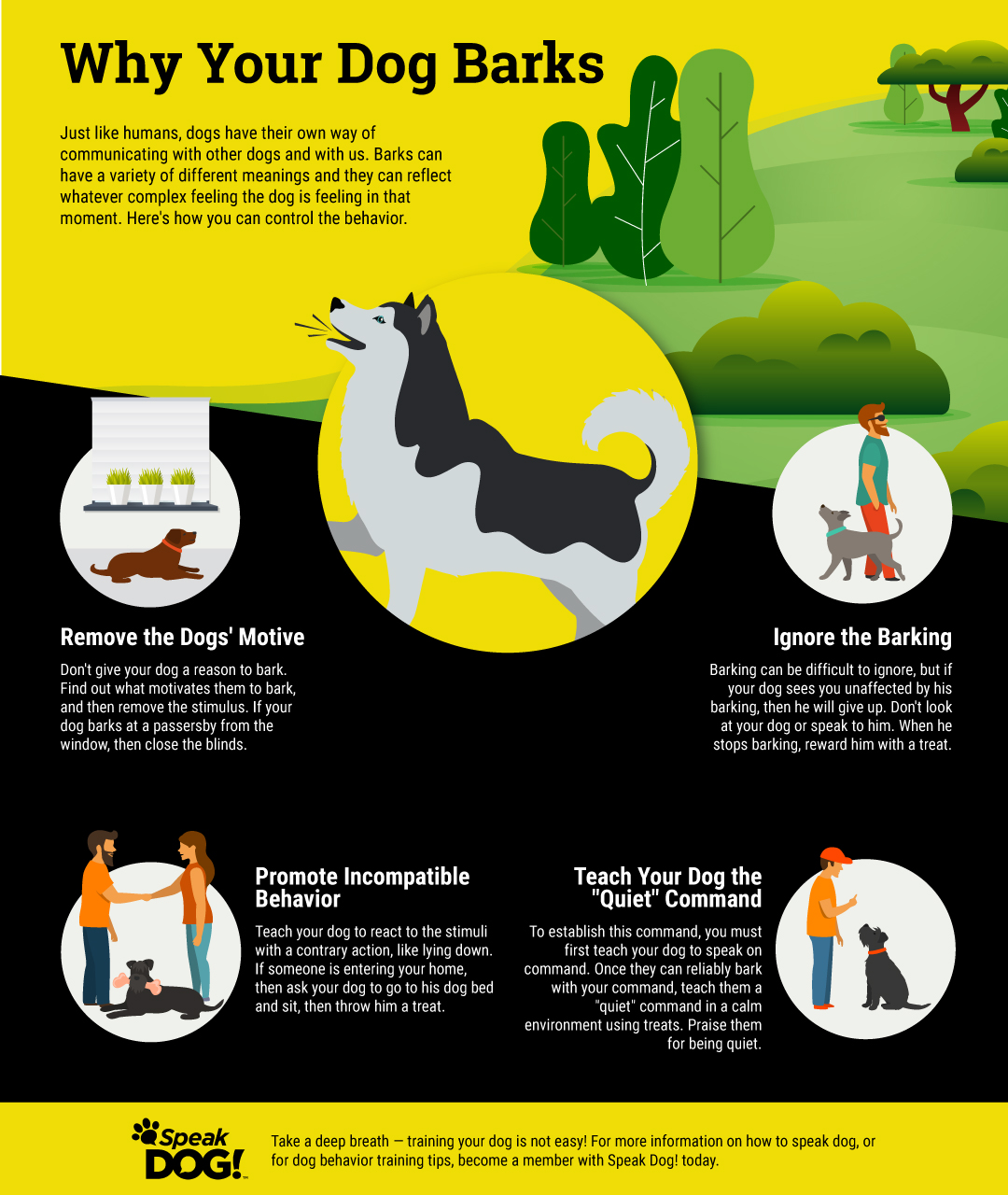
Barking is a form of communication. It can mean many things, just as human speech can show fear, joy, anger, or confusion.
Common causes include:
Alarm barking
The dog may bark at people, cars, wildlife, doorbells, or sounds outside. This is common near windows, fences, and front doors.
Attention barking
Some dogs learn that barking brings a reward. If barking leads to food, play, eye contact, or opening a door, the dog may repeat it.
Fear barking
A dog may bark when it feels trapped or threatened. Loud sounds, strangers, other dogs, and new places can trigger this response.
Boredom barking
Dogs need movement, play, rest, and mental work. A dog left alone with little to do may bark to release energy.
Separation distress
Some dogs bark, howl, pace, or destroy items when left alone. This can be a serious anxiety problem, not simple misbehavior.
Pain or illness
A sudden change in barking may point to pain, hearing loss, confusion, breathing trouble, or another medical issue. A veterinary exam is important when barking changes quickly.
Knowing the trigger is the first step. It is like finding a leak before repainting a wall. Treating the sound alone may leave the real problem untouched.

How to Stop Excessive Barking Humanely
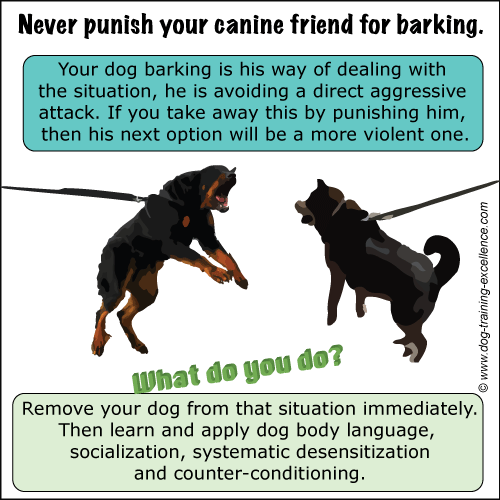
Training works best when it teaches the dog what to do instead. Punishment may stop a sound for a moment, but it can increase fear and stress.
Start with these steps:
-
Record when the barking happens. Note the time, place, trigger, and length.
-
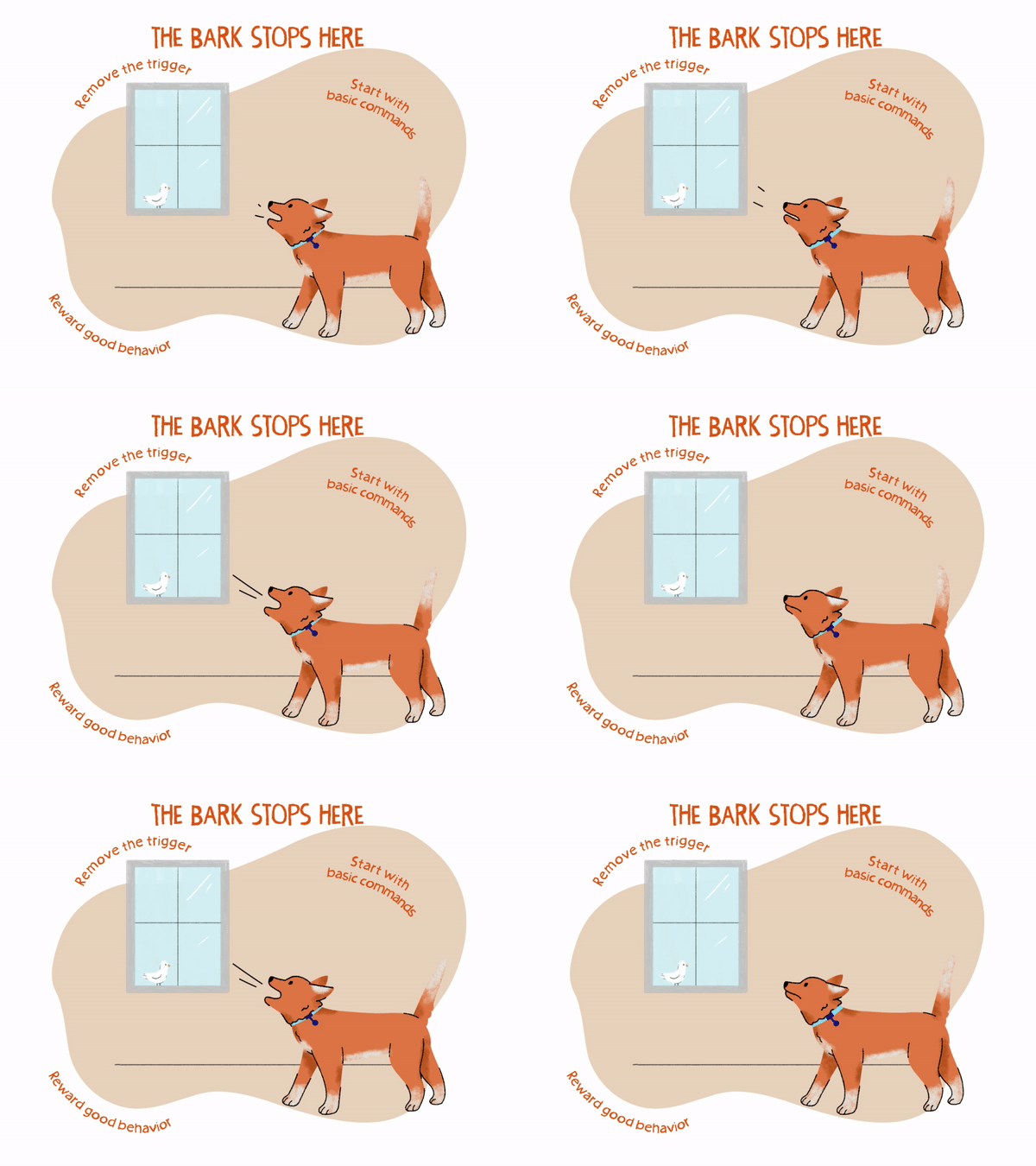
Block easy triggers. Close blinds, add privacy film, or move the dog away from a busy window.
-
Teach a quiet cue. Wait for a short pause, say “quiet,” and give a small treat.
-
Reward calm behavior. Offer praise, food, or play when your dog rests quietly.
-
Add daily activity. Use walks, sniffing games, food puzzles, and short training sessions.
-
Reduce alone time when possible. A dog with separation distress may need gradual practice and professional help.
-
Keep training sessions short. Five calm minutes can teach more than one long, tense session.


Avoid yelling “quiet.” Many dogs hear yelling as more barking from you. Do not use shock collars, painful devices, or methods that create fear. These tools can damage trust and may worsen aggression or anxiety.
A practical lesson from working through dog behavior advice is that owners often reward barking without noticing. Opening the door, shouting, or handing over a toy may teach the dog that barking works. Change the reward pattern, and progress often becomes easier.
Training Tools That May Help
Management tools can reduce barking while training takes place. They should support learning, not replace it.
Helpful options may include:
• A white noise machine to soften outside sounds
• Window coverings to limit visual triggers
• A secure, comfortable resting area
• Food puzzles and chew items
• A long-lasting enrichment toy
• A front-clip harness for calm walks
• A camera to observe barking when you are away
Use bark-detection collars with caution. Some deliver sound, vibration, citronella, or electric stimulation. These products may suppress noise without addressing fear or loneliness. A dog that is anxious may become more distressed.
If you use any device, ask a veterinary behaviorist or qualified positive-reinforcement trainer for guidance. The tool should be safe, humane, and part of a clear plan.

When Should You Call a Veterinarian?
Contact your veterinarian if barking is sudden, intense, or paired with other changes. A medical problem can sometimes appear as a behavior problem.
Seek professional advice if your dog:
• Barks at night without a clear reason
• Pants, paces, hides, or trembles
• Shows aggression
• Has trouble breathing or swallowing
• Barks after being left alone
• Seems confused or disoriented
• Has pain, coughing, or voice changes
• Does not improve with basic training
A veterinarian can check for pain, hearing changes, thyroid problems, neurological conditions, and other health issues. If behavior is the main concern, ask for a referral to a board-certified veterinary behaviorist.
A certified professional trainer can also help. Look for someone who explains methods clearly and uses reward-based training. Be cautious of anyone who promises a silent dog in one session.

What About Neighbor Complaints?
Noise complaints can feel embarrassing and stressful. Try to respond early instead of waiting for the problem to grow.
You can:
• Ask neighbors when the barking is worst
• Keep a log of changes you make
• Share your training plan
• Use indoor enrichment during busy hours
• Bring the dog inside during common trigger times
• Consult local noise rules
• Work with a trainer before conflict increases
A simple conversation may help. You might say, “I know the barking is disruptive, and I am working on it. Please tell me the times you notice it most.”
Do not ignore legal notices or assume a surgery will solve every complaint. A dog may still make noise after devocalization, and the underlying behavior may continue.
Can a Dog Bark Less Without Becoming Unhappy?
Yes. The goal is not to silence all communication. The goal is to reduce unnecessary barking while allowing normal expression.
A healthy plan gives the dog other ways to cope. For example, a dog that barks at delivery workers can learn to go to a mat and receive a treat. A dog that barks from boredom can receive sniff walks and puzzle feeders. A dog with separation anxiety may need a slow departure plan and professional treatment.
Think of barking like a smoke alarm. It is sometimes annoying, but it can also signal a real problem. A quiet dog is not always a relaxed dog.
Common Mistakes to Avoid
Many owners try several methods at once. This makes it hard to know what works and can confuse the dog.
Avoid these common mistakes:
• Punishing every bark
• Leaving the dog outside for long periods
• Using a bark collar without expert guidance
• Rewarding barking by accident
• Expecting instant results
• Skipping a medical check
• Removing exercise and enrichment
• Waiting until neighbors are angry
Consistency matters more than force. Everyone in the home should use the same cue and reward calm behavior in the same way.
Keep expectations realistic. Some dogs will always bark more than others because of age, breed traits, past experiences, or temperament. Improvement does not mean total silence.
Frequently Asked Questions About Can You Remove a Dogs Bark
Can you remove a dog’s bark permanently?
Devocalization can reduce the volume of a dog’s bark, but it does not always make the dog silent. The voice may return partly, and the procedure does not remove the cause of barking.
Is devocalization painful for dogs?
The surgery can cause pain, swelling, coughing, and throat irritation during recovery. It also carries risks such as bleeding, infection, breathing problems, and scar tissue.
Can you remove a dogs bark at home?
No safe home method can remove a dog’s bark. Never try to injure the throat, use harmful devices, or give medication without veterinary direction.
What is the best way to stop excessive barking?
First identify the trigger, then reduce exposure and reward quiet behavior. A veterinarian or qualified reward-based trainer can help when barking comes from anxiety, pain, or aggression.
Do bark collars work?
Some bark collars reduce noise, but they may only suppress the outward sound. They can increase fear or stress, especially in anxious dogs, so professional advice is wise before using one.
Will a dog still bark after devocalization?
Yes, many dogs can still bark after the surgery. The sound may be softer or hoarse, but the dog may continue barking because the emotional cause remains.
Is a barking dog always unhappy?
No. Dogs may bark during play, excitement, warning, or normal communication. Frequent barking, distress signs, or sudden changes deserve closer attention.
Conclusion
So, can you remove a dogs bark? A veterinarian may reduce its volume through devocalization, but surgery is invasive, risky, and unable to solve the reason behind the behavior. Humane training, better management, medical care, and expert guidance are usually safer and more effective.
Start by tracking the barking for a few days. Then schedule a veterinary check, reduce known triggers, and reward calm behavior every day. If this guide helped, explore reward-based training resources or share your experience with a qualified dog professional.

Pet Care Writer & Researcher
Daniel writes practical guides on daily care, feeding, and safety, turning complex topics into simple, actionable advice.