Are Elevated Dog Beds Good For Arthritis: Pros And Cons
Are elevated dog beds good for arthritis? Learn how they support joints, improve comfort, and when orthopedic alternatives may be better for your dog.
Yes, elevated dog beds can ease arthritis pain by reducing pressure, improving airflow, and making rest more comfortable.
Are elevated dog beds good for arthritis? Often, yes, but the right answer depends on your dog’s age, mobility, joint pain, and comfort preferences. A raised bed can keep a dog off a cold, hard floor and make getting up easier. However, not every elevated bed offers enough support, and some designs can be unsafe for weak or unsteady dogs.
This guide explains how elevated beds work, their benefits and limits, what features matter most, and when an orthopedic mattress may be a better choice.
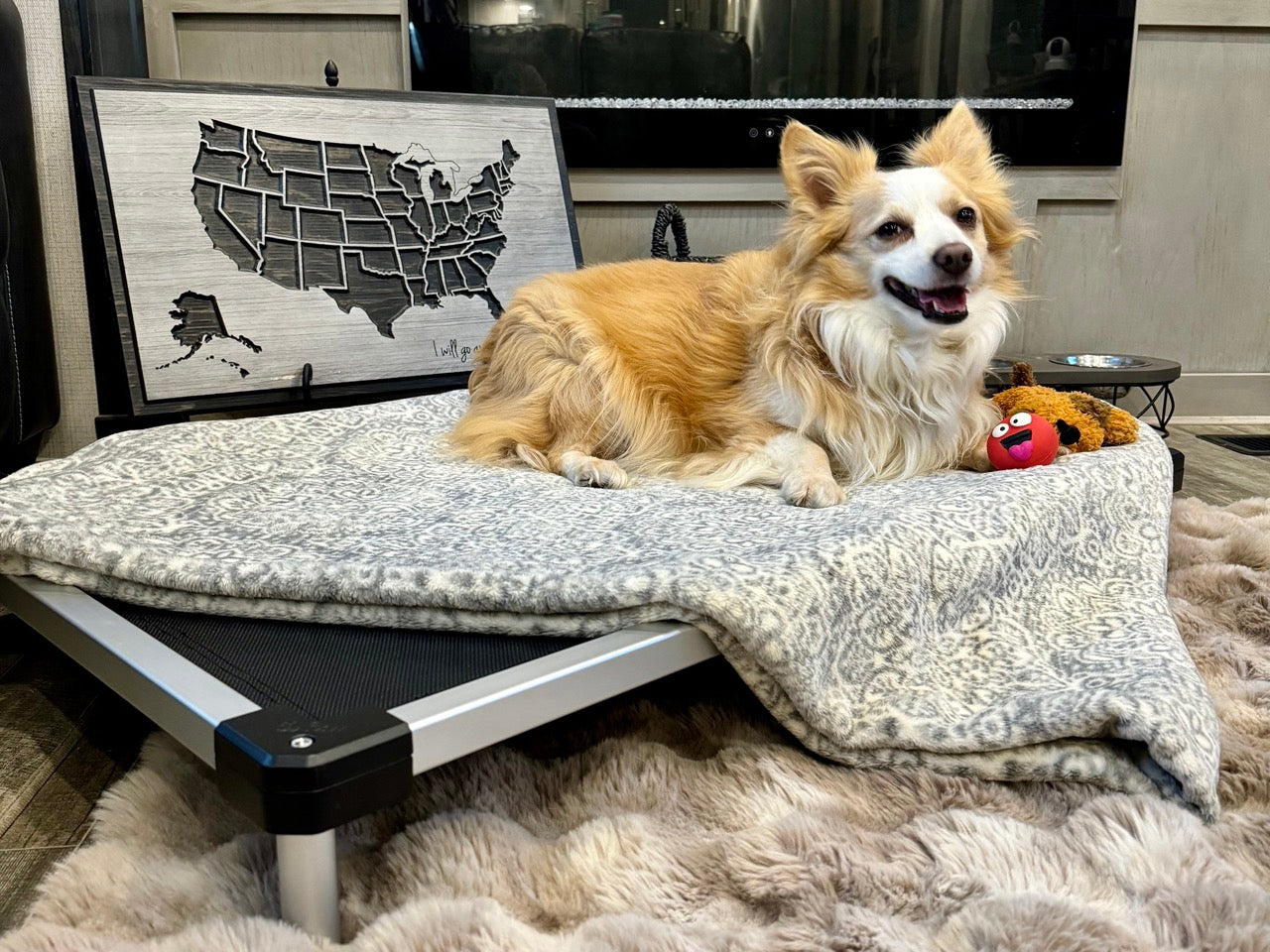


Are elevated dog beds good for arthritis?
Elevated dog beds can be good for arthritis when they provide firm, even support without creating a climbing challenge. The raised design keeps your dog’s body above the floor. This can reduce contact with cold surfaces, improve air movement, and help prevent dampness that may worsen stiffness.
Many dogs with arthritis also struggle to rise from a soft bed that sinks under their weight. A sturdy elevated bed has a stable surface that may make standing easier. It works much like a firm chair: your dog has a solid base to push against.
Still, are elevated dog beds good for arthritis in every case? No. A bed that sits too high, flexes in the middle, or has slippery fabric may increase discomfort. Dogs with severe hip pain, weak legs, poor balance, or vision loss may find a raised frame difficult to use.
The best choice depends on your dog’s movement and daily habits. Watch how your dog lies down, stands up, turns around, and steps onto the bed. These small details tell you more than the product label.

How elevated beds may help dogs with arthritis
Arthritis causes pain, swelling, and reduced movement in the joints. It commonly affects the hips, knees, elbows, shoulders, and spine. Although an elevated bed cannot treat arthritis, it may support better rest and easier movement.
Less pressure from hard floors
Tile, wood, and concrete floors offer little cushioning. They can also feel cold, especially at night. A raised cot gives your dog a separate resting surface with less direct contact against the floor.
This may be helpful for dogs with stiff hips or elbows. It can also reduce pressure on bony areas, such as the elbows and hocks.
Easier body temperature control
Many elevated dog beds use mesh or breathable fabric. Air can pass below and around the dog’s body. This may help older dogs that become hot while sleeping, especially in warm climates.
Temperature control does not cure joint pain, but comfort matters. A dog that sleeps well may move more easily during the day.
A firmer surface for standing
Very soft beds can form a deep dip under a heavy dog. The dog may need extra leg strength to climb out of that dip. A firm elevated surface gives the paws a more stable platform.


This is one reason are elevated dog beds good for arthritis is a common question among owners of senior dogs. A stable surface can reduce the effort needed to stand, but only if the frame does not wobble.
protection from dampness
Moisture can collect on floors, patios, and basement surfaces. An elevated bed allows air to circulate and keeps the sleeping area farther from wet ground. This is useful for dogs that rest in garages, porches, or outdoor kennels.
Use caution outdoors, though. The bed should stay shaded and dry. Hot mesh or direct sunlight can create a new problem.

When an elevated dog bed may not be the best choice
An elevated bed is not automatically an orthopedic bed. Some models have thin fabric that offers little pressure relief. Others are high off the ground and require a jump or step.
Ask whether your dog can safely:
• Walk to the bed without slipping
• Step onto it without jumping
• Turn around without losing balance
• Lie down without the fabric sagging deeply
• Get off the bed without landing hard
Dogs with advanced arthritis may need a low-entry mattress instead. This is especially true when the dog has trouble lifting the front legs, weakness in the rear legs, or pain in several joints.
A raised bed may also be a poor fit for dogs with neurological problems. Tremors, poor coordination, and reduced vision can make a frame harder to navigate. In these cases, a thick orthopedic foam bed placed on the floor may offer better access.
Are elevated dog beds good for arthritis if the dog falls while getting off? No. Safety comes first. A comfortable bed is not helpful if it causes repeated slips or falls.


Important features to look for
Choosing the right design can make the difference between relief and frustration. Focus on support, access, traction, and easy cleaning.
Low or moderate height
Look for a bed that sits only a few inches off the floor if your dog has poor mobility. A very high cot may require a jump. For some dogs, a height of 4 to 8 inches is easier than a tall frame.
Measure your dog’s leg strength and step height. Do not assume that a large dog needs a tall bed.
Strong, non-sagging fabric
The fabric should hold your dog’s weight without forming a deep hammock. A small amount of give may feel comfortable, but too much sag can strain the hips and spine.
Choose a bed with a tight, durable surface and a center support bar for large dogs. Check the weight rating and consider your dog’s weight plus normal movement.
Non-slip feet
Rubber feet or a non-skid base help keep the bed still. This matters when your dog pushes with the back legs to stand. A moving bed can make your dog nervous and increase the risk of injury.
Place the bed on a level surface. Avoid slick tile unless you add a secure, non-slip mat underneath.
A gentle entry point
Some elevated beds have one low side or a small ramp. A ramp may be useful for large dogs that cannot step over a tall frame. The ramp should have a textured surface and a gentle slope.
Never force a painful dog onto a ramp or bed. Let your dog investigate it at their own pace.
Washable and replaceable fabric
Arthritic dogs may have accidents or take longer to move outside. Removable, washable covers make daily care easier. Look for fabric that dries quickly and does not trap hair.
A clean bed also helps protect the skin. Damp or dirty fabric can cause irritation and odor.
Enough room to stretch
Your dog should be able to lie on their side with the legs extended. Measure from the nose to the base of the tail, then add extra space. A cramped bed can force the joints into awkward positions.

Elevated dog beds versus orthopedic beds
An orthopedic dog bed usually contains supportive foam, such as high-density foam or memory foam. It spreads body weight across a larger area and can cushion sore joints. This makes it a strong choice for dogs with moderate or severe arthritis.
An elevated bed offers airflow, a firm surface, and distance from the floor. An orthopedic bed often offers more pressure relief. Neither design is best for every dog.


Consider this simple comparison:
• Elevated bed: Better airflow, easy cleaning, and firm support
• Orthopedic foam bed: Better cushioning and pressure relief
• Raised orthopedic bed: Combines elevation with a padded surface
• Floor mattress: Easy access for dogs with severe weakness
Some dogs enjoy both. You might place an orthopedic pad on top of a sturdy elevated frame, but check that it cannot slide or fall through the fabric. The added height must still be safe.
Are elevated dog beds good for arthritis compared with memory foam? The answer depends on the dog. A dog that overheats may prefer a raised mesh bed, while a dog with painful elbows may rest better on thick foam.

How to introduce a raised bed safely
A new bed should feel inviting, not like a test. Use a calm, gradual approach.
-
Place the bed near your dog’s usual resting area.
-
Add a familiar blanket or toy with your dog’s scent.
-
Reward your dog for looking at, sniffing, or touching the bed.
-
Help your dog step onto it without lifting suddenly or twisting the joints.
-
Keep the first sessions short and positive.
-
Watch your dog stand and walk away after resting.
Do not push a dog onto a bed if they look worried. Signs of discomfort include panting, trembling, repeated repositioning, tucked posture, licking the joints, or refusing to lie down.
A useful real-world test is the “three-movement check.” See whether your dog can get on, settle, and get off with smooth movement. If any step looks strained, lower the bed or try a different design.
Are elevated dog beds good for arthritis when the dog refuses to use one? Usually, the bed is not the right match, or the dog needs more time. Comfort and confidence matter more than the raised design.

Mistakes to avoid
Many bed problems come from small setup errors rather than the bed itself.
Choosing height over access
A tall frame may look cleaner and provide more airflow, but it can be hard for a senior dog to reach. Pick the lowest height that meets your needs.
Ignoring the floor
Even a good bed can slide on hardwood or tile. Add a rubber mat, carpet pad, or non-slip rug beneath it.
Using loose blankets
A loose blanket can bunch under the paws or cover the entry point. Use a fitted cover or secure the blanket so it cannot shift.
Forgetting outdoor heat
Mesh beds can become very hot in direct sun. Keep outdoor beds under shade and touch the surface before allowing your dog to use it.
Treating a bed as medical care
A bed may improve rest, but it does not reverse joint damage. Arthritis care may include weight control, gentle exercise, prescription medicine, physical therapy, and supplements recommended by a veterinarian.
Skipping a veterinary check
Pain can come from arthritis, but it can also result from injury, infection, cancer, or spinal disease. A new limp, sudden weakness, or major change in behavior needs prompt veterinary attention.

Other ways to improve comfort for an arthritic dog
A bed works best as part of a broader comfort plan. Small home changes can reduce daily strain.
• Use rugs or runners on slippery floors.
• Keep food and water at a comfortable height.
• Add a ramp beside steps or furniture.
• Keep nails trimmed for better traction.
• Choose short, gentle walks instead of sudden bursts of activity.
• Keep your dog at a healthy body weight.
• Provide warmth without overheating the dog.
• Ask a veterinarian about joint pain treatment.
Weight control deserves special attention. Extra body weight places more stress on painful joints. Even a modest reduction may improve movement, but weight loss should be planned with a veterinary professional.
Gentle activity can also help maintain muscle. Long periods of complete rest may cause weakness. Your veterinarian can suggest safe exercises based on your dog’s joints and overall health.

What veterinarians consider before recommending a bed
Veterinarians usually look at the location and severity of pain, muscle strength, balance, body weight, and home environment. They may also assess how the dog rises, sits, walks, and turns.
A dog with mild stiffness may do well on a raised cot. A dog with severe hip arthritis may need a thick, low orthopedic mattress. A dog with elbow pain may need extra cushioning, while a dog with poor balance may need a bed with a very low entry.
There is no single bed that works for every arthritic dog. Veterinary advice is especially important when your dog takes pain medicine, has heart or kidney disease, or has recently had surgery.
Evidence supports environmental changes as part of comfort care, but research does not prove that one bed style cures arthritis. Be cautious of products that promise to heal joints or replace veterinary treatment.
How to tell whether the bed is helping
Give your dog a few days to adjust, unless they show clear distress. Look for practical signs of improvement:
• Your dog chooses the bed without encouragement.
• Your dog sleeps for longer periods.
• Your dog rises with less hesitation.
• Your dog moves away from the bed comfortably.
• Your dog seems less stiff after rest.
Keep a simple note of sleep, walking, and standing. This can help you compare the new bed with the old one.
Stop using the bed if your dog slips, falls, cries, avoids it, or seems more stiff after resting. A veterinarian should assess sudden or worsening pain.
Are elevated dog beds good for arthritis if your dog sleeps better on one? Yes, improved rest is a strong sign that the bed is helping, provided your dog can use it safely.
Frequently Asked Questions
Are elevated dog beds good for dogs with hip arthritis?
They can be helpful when the surface is stable, the height is low, and the fabric does not sag. Dogs with severe hip pain may prefer a thick orthopedic bed with easy floor-level access.
Is a raised bed better than a foam bed for arthritis?
Not always. Raised beds offer airflow and firm support, while foam beds usually provide more cushioning for sore joints.
Should an arthritic dog use a high elevated bed?
A high bed may be unsafe if your dog has weak legs, poor balance, or trouble climbing. Choose a low frame or use a ramp with strong traction.
Can an elevated dog bed help an older dog get up?
Yes, a firm surface may make pushing up easier than a deep, soft bed. The bed must remain steady and should not slide when the dog stands.
Should I put a blanket on an elevated dog bed?
You can add a thin, secure blanket for warmth and comfort. Avoid loose fabric that bunches, slips, or blocks the entry area.
When should I call a veterinarian about arthritis pain?
Call your veterinarian if your dog has sudden lameness, cannot stand, cries, stops eating, or shows rapidly worsening pain. These signs may indicate more than normal arthritis stiffness.
Conclusion
Are elevated dog beds good for arthritis? They can be, especially when they offer firm support, low access, non-slip feet, good airflow, and enough space to stretch. However, dogs with advanced arthritis or poor balance may do better on a low orthopedic foam bed.
Watch your dog’s movements instead of relying only on product claims. Choose the safest design, introduce it slowly, and combine it with veterinary care, healthy weight control, gentle exercise, and better traction around the home. If you are comparing options, measure your dog first and discuss the best bed style with your veterinarian.

Pet Care Writer & Researcher
Daniel writes practical guides on daily care, feeding, and safety, turning complex topics into simple, actionable advice.