How To Clean A Kong Crate Dog Bed: Easy Washing Guide
Learn how to clean a kong crate dog bed safely with simple washing tips to remove dirt, odors, and pet hair while protecting the bed’s shape.
A KONG crate dog bed is usually easy to clean at home. Remove loose hair and dirt, wash the removable cover according to its care label, clean the inner cushion by hand when needed, and let every part dry fully before your dog uses it again. In most U.S. homes, a weekly clean and a prompt wash after accidents can help control odor, stains, and built-up dander.
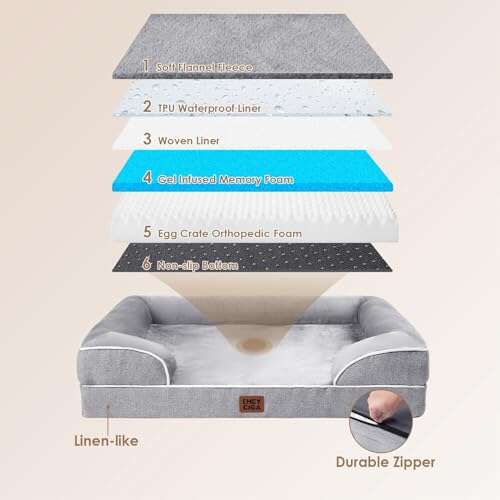
The exact KONG bed model matters. Some beds have a removable cover, while others have foam, bolsters, or a one-piece design. Always check the sewn-in care tag before using a washing machine, dryer, bleach, or strong cleaner.

What You Need Before Cleaning
Gather your supplies before you start:
- Vacuum cleaner with an upholstery tool
- Soft-bristle brush
- Mild, fragrance-free laundry detergent
- Clean towels
- Lukewarm water
- Soft sponge or cloth
- enzymatic pet stain cleaner for urine, vomit, or feces
- Large basin or bathtub for hand washing
- Drying rack or a clean, well-ventilated area
Avoid bleach, ammonia, harsh solvents, and strong scented cleaners. These products may damage fabric, irritate your dog’s skin, or leave a smell that encourages some dogs to mark the bed again.
Check the care label first
Look for instructions about:
- Machine washing
- Water temperature
- Dryer use
- Bleach
- Removable covers
- Foam cleaning
- Line drying
If the label and general cleaning advice differ, follow the label. KONG makes several types of dog beds, so one model may tolerate machine washing while another may require hand cleaning.
Separate the bed into parts
Before washing, remove:
- The dog from the crate
- Toys, blankets, and loose items
- The bed cover, if it has a zipper
- Any foam insert
- Removable bolsters or support pieces
Do not force a foam insert through a small zipper opening. Bending or pulling it too hard can tear the foam or the cover.

How to Clean a KONG Crate Dog Bed Step by Step
The best method is to clean dry debris first, treat stains second, and wash fabric last. This keeps loose hair from turning into wet clumps and helps prevent stains from spreading.
1. Shake out loose dirt
Take the bed outside, if possible. Shake it over a surface that you can sweep or hose down. This removes loose hair, crumbs, dust, and bits of dirt before they enter your washer.
If outdoor cleaning is not practical, shake the bed over a large trash bag or washable floor. Keep the bed away from food preparation areas.
2. Vacuum the cover and cushion
Use an upholstery attachment to vacuum both sides of the cover. Move slowly over seams, corners, and the area where your dog’s head rests. Hair often collects along the zipper and inside the crate-facing edges.
For stubborn hair, use a soft brush or a slightly damp rubber glove. Do not soak the bed while hair is still attached. Wet hair can mat into the fabric and become harder to remove.
3. Treat spots before washing
Blot fresh liquid with a clean towel. Press down instead of rubbing. Rubbing can push the stain deeper into the filling.
For urine, vomit, or feces, use an enzymatic cleaner made for pet stains. Test the product on a hidden area first. Follow the cleaner’s label for contact time, then blot away excess moisture.
Never mix an enzymatic cleaner with bleach, ammonia, or another cleaning product. Chemical mixtures can create dangerous fumes and may damage the bed.
4. Wash the removable cover
If the care label allows machine washing:
- Close the zipper.
- Wash the cover by itself or with similar soft items.
- Use cold or warm water as the label directs.
- Choose a gentle cycle.
- Use a small amount of mild detergent.
- Run an extra rinse if detergent residue is a concern.
Do not overload the washer. A crowded drum may not rinse the cover well. It can also place stress on the zipper and seams.
If the cover is not machine washable, hand wash it in a basin with lukewarm water and mild detergent. Press the fabric under the water, gently work on stained areas, and rinse until the water runs clear.
5. Clean the foam or inner cushion
Foam usually needs hand cleaning unless the care label clearly says it can go in a washing machine.
To clean foam:
- Fill a bathtub or basin with lukewarm water.
- Add a small amount of mild detergent.
- Press the foam into the water.
- Gently squeeze it to release dirt.
- Drain the water.
- Rinse with clean water.
- Press out water without twisting the foam.
Do not wring memory foam or thick foam. Twisting can cause tears and may change the cushion’s shape.
6. Dry every part completely
Press the cover and foam between clean towels to remove extra water. Then place the pieces in a warm, well-ventilated area.
Air-dry the foam flat when possible. Turn it over from time to time so both sides dry evenly. Keep the bed out of the crate until the cover, foam, seams, and underside are fully dry.
A damp bed can develop a musty smell. More importantly, moisture trapped inside thick foam can support mold growth.
Use a dryer only if the care label permits it. If allowed, choose a low-heat or air-dry setting. High heat may shrink fabric, damage waterproof layers, or affect foam.
7. Reassemble and inspect the bed
When all parts are dry, put the bed back together. Check that:
- The zipper is closed and works properly.
- Seams are not split.
- No foam is exposed.
- The cushion lies flat.
- The cover does not bunch up.
- No cleaner smell or residue remains.
If your dog chews the bed, inspect it each time you clean it. Remove loose threads and replace damaged parts before your dog uses the bed again.

How to Remove Common KONG Bed Stains and Odors
The right stain method depends on what caused the mess. Treating every stain with the same product can damage fabric or leave odor behind.
| Problem | Best first step | What to avoid |
|---|---|---|
| Loose hair | Vacuum or brush while dry | Wetting the hair first |
| Urine | Blot, then use an enzymatic pet cleaner | Ammonia or heavy perfume |
| Vomit | Remove solids, blot, then spot clean | Scrubbing hard into foam |
| Feces | Remove solids, rinse the spot, then clean | Spreading the mess with a dry brush |
| Mud | Let it dry, brush it away, then wash | Rubbing wet mud into fabric |
| Grease | Blot, then use mild detergent | Strong solvents |
| Musty smell | Wash and dry fully | Spraying fragrance over the odor |
Dog urine
Urine can soak through a cover and into foam. If the odor remains after the cover is clean, the inner cushion may still contain urine.
Apply an enzymatic pet cleaner to the affected area only if the product is safe for that material. Allow the recommended dwell time. Then rinse or blot as directed by the product label.
Do not use steam or high heat before removing the urine odor. Heat may make some odors harder to remove.
Vomit
Use a paper towel or blunt scraper to lift solid material. Work from the outside of the stain toward the center. This helps keep the mess from spreading.
After spot cleaning, wash the cover if the care label permits it. Rinse well because leftover detergent can bother dogs with sensitive skin.
Mud
Let mud dry first. Once dry, brush or vacuum away as much as possible. Washing wet mud at once can push soil deeper into the weave.
Persistent odor
A lingering smell can come from:
- Damp foam
- Urine below the cover
- Dirty crate flooring
- A blanket placed under the bed
- A nearby wall or baseboard
- A dog with a skin, ear, or dental problem
Clean the crate tray and nearby surfaces as well. If the bed smells after repeated cleaning and complete drying, replacement may be more practical than continued use.

How Often Should You Wash a KONG Crate Bed?
Most homes can use a simple schedule:
- Vacuum or brush: Once or twice each week
- Spot clean: As soon as a spill or accident occurs
- Wash the cover: About every one to two weeks
- Clean the foam: When it is soiled or develops an odor
- Inspect the bed: Each time you wash it
Dogs that shed heavily, drool often, spend time outdoors, or have allergies may need more frequent cleaning. Puppies, senior dogs, and dogs recovering from illness may also need prompt cleaning after accidents.
A bed used by a healthy adult dog in a clean indoor crate may need less frequent full washing. The best schedule depends on visible dirt, odor, moisture, and your dog’s health needs.
Wash the bed sooner if you notice:
- A sour or musty smell
- Visible stains
- Dampness
- Fleas or flea dirt
- Excess hair
- Crust near the sleeping area
- Skin flakes or discharge
- Your dog scratching after using the bed
If your dog has a contagious skin condition, parasites, diarrhea, or another illness, ask your veterinarian how to clean bedding and how often to wash it. General household cleaning may not be enough for every medical condition.

Machine Washing, Hand Washing, or Replacement?
Use the care label and the bed’s condition to choose the safest option.
| Situation | Best choice |
|---|---|
| Removable fabric cover with a clear machine-wash label | Gentle machine wash |
| Foam insert with no machine-wash instructions | Hand wash or spot clean |
| Small fresh stain | Blot and spot clean |
| Saturated foam after a urine accident | Enzyme treatment and thorough hand rinse |
| Torn cover or exposed foam | Repair or replace before use |
| Bed that stays damp inside | Stop using it until fully dry |
| Strong odor after several cleanings | Consider replacing the bed |
A washing machine is convenient for a removable cover, but it does not automatically clean the cushion inside. If the accident reached the foam, cleaning only the cover may leave the main odor source untreated.
Replacement is the safer choice when the foam has crumbled, the seams have opened, or your dog can pull out and swallow filling. A bed that no longer keeps its shape may also provide poor support.

Common Mistakes to Avoid
Putting wet foam back in the crate
The outside may feel dry while the center remains wet. Press the foam in several places and allow extra drying time for thick cushions.
Using too much detergent
Extra soap does not always mean a cleaner bed. It can leave residue that attracts dirt or irritates your dog’s skin. Use a small amount and rinse well.
Using fabric softener
Fabric softener can leave a coating on the fibers. It may also add fragrance that bothers some dogs. Skip it unless the product maker specifically allows it.
Using high heat
High heat can shrink the cover and damage foam. Air drying is the safest default when the care label does not clearly approve a dryer.
Spraying fragrance over odor
Air freshener masks a smell without removing its source. It can also expose your dog to unnecessary fragrance. Clean the affected material instead.
Cleaning only the visible top
Dirt and urine can collect under the bed, inside seams, and beneath the foam. Clean the cover, cushion, crate tray, and nearby floor as needed.
Returning the bed before it is dry
A dry outer surface does not prove that the inside is dry. Wait until the full bed is dry to the touch and has no damp or musty smell.

Key Takeaways
- Check the KONG bed’s care label before washing.
- Remove hair and dry dirt before adding water.
- Use an enzymatic pet cleaner for urine and other organic stains.
- Wash removable covers gently with mild detergent.
- Hand wash foam unless the label says machine washing is safe.
- Do not twist foam or use high heat without approval.
- Dry every layer fully before your dog returns to the crate.
- Replace the bed if it has exposed foam, broken seams, or a lasting odor.
FAQs
Can I put a KONG crate dog bed in the washing machine?
You can machine wash it only if the care label allows it. Removable covers are more likely to be machine washable than foam inserts. Close zippers, use a gentle cycle, and avoid overloading the washer.
Can I put a KONG dog bed in the dryer?
Only use a dryer when the care instructions permit it. Choose low heat or air drying if approved. When instructions are unclear, air dry the cover and cushion instead.
How do I clean dog urine from a KONG bed?
Blot the urine first. Then apply an enzymatic pet stain cleaner that is safe for the bed’s fabric or foam. Rinse or blot as directed, and dry the bed completely. If urine reached the foam, cleaning the cover alone may not remove the odor.
Can I use bleach on a KONG crate bed?
Do not use bleach unless the care label specifically permits it. Bleach can damage fabric, weaken seams, and leave residue. It can also irritate your dog’s skin, eyes, or airways.
Why does my dog bed still smell after washing?
The foam may still be damp or may have absorbed urine. The crate tray, floor, blanket, or nearby surface may also be the source. Clean each area and allow the bed to dry fully. Replace the cushion if the odor remains after proper cleaning.
How often should I replace a KONG crate dog bed?
Replace it when the cover or foam is torn, the filling is exposed, the cushion has lost its shape, or the bed keeps an odor after cleaning. Inspect it regularly, especially if your dog chews fabric or zippers.
Final Recommendation
For routine care, vacuum the KONG crate bed each week and wash the cover every one to two weeks, adjusting the schedule for shedding, allergies, and accidents. Treat stains quickly, clean foam with care, and let every part dry before use. When the care label is missing or unclear, choose mild hand cleaning and air drying rather than risking heat or harsh chemicals.

Pet Care Writer & Researcher
Daniel writes practical guides on daily care, feeding, and safety, turning complex topics into simple, actionable advice.