
Do Dogs Like Firm Or Soft Beds: Best Choice Explained
Do dogs like firm or soft beds? Learn how to choose the right support, comfort, and sleep surface for your dog’s age, size, and health needs.
Most dogs prefer a supportive, medium-firm bed that cushions joints without letting the body sink too far.
So, do dogs like firm or soft beds? The answer depends on age, size, sleep style, body shape, health, and personal preference. After comparing common dog beds and watching how dogs settle, stretch, and rise, I find that balanced support works best for most pets. This guide will help you choose the right feel and avoid costly bedding mistakes.

Do dogs like firm or soft beds?
Dogs do not all like the same bed. Some enjoy a soft, plush surface that feels warm and cozy. Others prefer a firmer mattress that makes it easy to stand, turn, and stretch.
The best answer to “do dogs like firm or soft beds” is usually neither extreme. Most dogs do well with a medium-firm bed that supports the spine and joints while still offering gentle pressure relief.
A bed that is too firm can feel like sleeping on the floor. A bed that is too soft can feel like a deep pit. In both cases, your dog may sleep poorly or avoid the bed altogether.
Your dog’s behavior gives the clearest answer. Watch where your dog chooses to nap when several surfaces are available. A cool floor, a couch cushion, a rug, and a dog bed can reveal more than a product label.
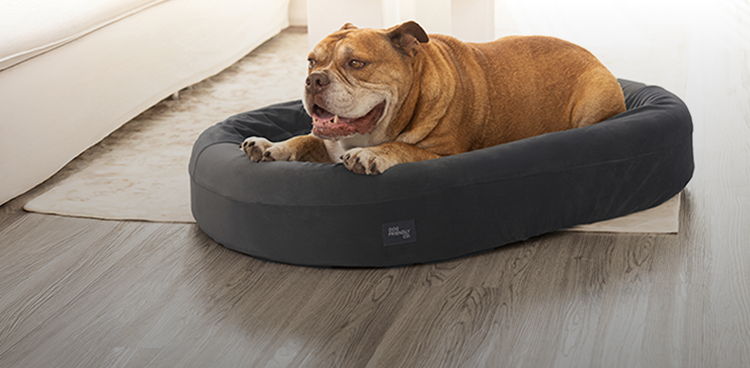
How to tell whether your dog prefers a firm or soft bed
Dogs cannot explain their comfort in words, but they show it through body language and daily habits. Look for patterns rather than judging the bed after one nap.
Signs your dog prefers a firmer bed
Your dog may prefer a firm or supportive bed if they:
• Choose the floor, a rug, or a firm mat over a plush cushion
• Struggle to rise after sinking into a soft bed
• Move around often before settling
• Sleep with their body stretched out
• Have a large or heavy frame that needs strong support
• Prefer cool sleeping areas
A firm bed can also help dogs that dislike feeling trapped. Some dogs want to step onto a flat surface and change positions with ease.
Signs your dog prefers a softer bed
Your dog may prefer a soft bed if they:
• Curl into a tight ball while sleeping
• Burrow under blankets or pillows
• Seek warm spaces
• Have a thin coat or little body fat
• Sleep on their side for long periods
• Avoid hard floors and firm mats
Small dogs, lean dogs, and dogs that feel cold may enjoy extra padding. However, soft does not have to mean shapeless. A plush top over a supportive base often gives the best balance.
Pay attention to how your dog gets up
The way your dog rises is one of the most useful clues. If they push hard with their front legs, slip, or pause before standing, the bed may lack support or traction.
If your dog climbs out easily and returns to the bed often, the firmness may be suitable. Comfort includes more than softness. It also includes stability, temperature, height, and ease of movement.
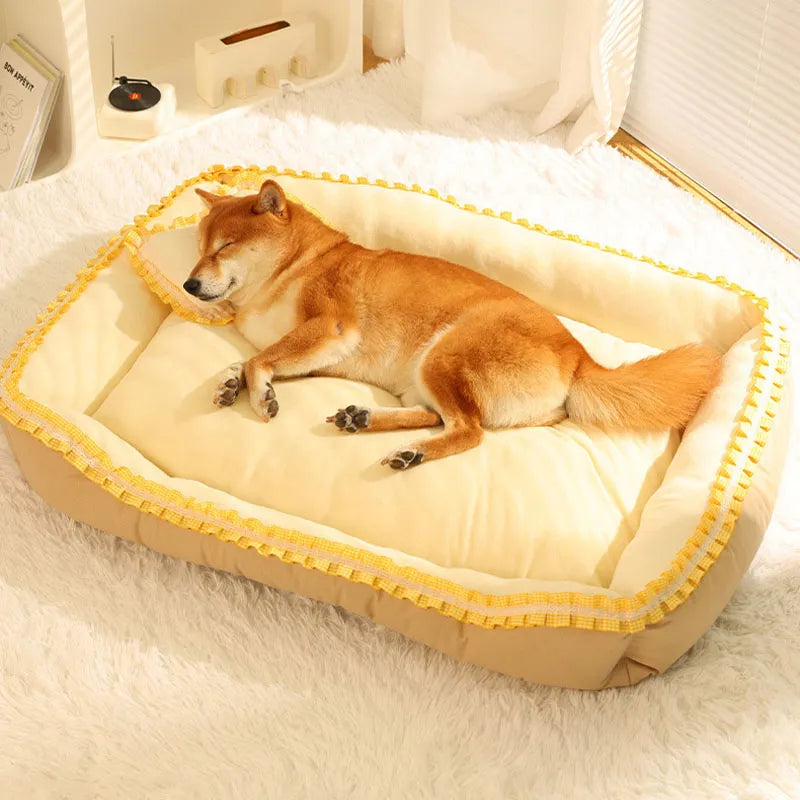 benefits and drawbacks”
style=”max-width: 100%; height: auto; border: 2px solid black; border-radius: 10px; display: block; margin: 0 auto;”
loading=”lazy”
/>
Firm versus soft dog beds: benefits and drawbacks
Understanding the strengths and limits of each bed type makes the choice easier. The right option should match your dog’s body and habits, not just look attractive in your home.
Benefits of a firm dog bed
A supportive, firm dog bed may:
• Make it easier to stand and lie down
• Reduce excessive sinking around the hips
• Keep the spine in a more natural position
• Provide better support for large dogs
• Resist flattening over time
• Offer a cooler sleep surface
Firm beds are often useful for senior dogs and dogs with joint pain. Orthopedic beds commonly use dense foam because it spreads body weight more evenly than loose filling.
Still, a hard surface is not the same as a supportive surface. A thin mat may be firm but offer little pressure relief. A quality firm bed should have some give, especially around the shoulders, hips, and elbows.
Benefits of a soft dog bed
A soft dog bed may:
• Cushion pressure points
• Keep small or thin dogs warm
• Help nervous dogs feel secure
• Encourage curling and nesting
• Provide comfort on hard floors
Soft beds can feel inviting, especially in cold weather. Many dogs enjoy a raised edge that lets them rest their head or curl into a protected space.
The main risk is poor support. A bed that collapses under your dog may strain joints and make movement harder. Loose stuffing can also clump, flatten, or become uneven.
Why medium-firm support often works best
A medium-firm bed acts like a good mattress for people. It cushions the body but does not allow the hips and shoulders to sink too deeply.
When people ask, “do dogs like firm or soft beds,” I often suggest starting with medium-firm foam and adding a washable blanket. This setup lets you adjust warmth and softness without losing support.

Choosing a dog bed by age, size, and health
Your dog’s life stage and physical condition strongly affect bed comfort. A puppy may enjoy a soft bed today but need a more durable and supportive option as they grow.
Puppies
Puppies often like soft beds because they are warm and comforting. Yet the bed should still provide a stable base and resist chewing.
Choose a bed with:
• A washable cover
• Strong stitching
• Safe, non-toxic materials
• A flat entry point
• Enough room for growth
Avoid beds with long loose fibers, exposed zippers, or filling that a puppy can remove and swallow. Supervise chewing, especially during teething.
Adult dogs
Healthy adult dogs usually adapt to many bed types. Their ideal bed depends on their sleeping style, coat, body size, and activity level.
A side sleeper may need more cushioning than a dog that sleeps curled up. A heavy breed needs a denser base than a tiny breed. Measure your dog from nose to tail while relaxed, then add several inches of space.
Senior dogs
Senior dogs often benefit from orthopedic support. Arthritis, muscle loss, and reduced balance can make soft, unstable beds difficult to use.
Look for:
• Dense foam that does not collapse
• A low step-in height
• A non-slip bottom
• A waterproof inner liner
• A washable outer cover
A senior dog may still enjoy a soft top layer. The goal is supportive cushioning, not a rigid slab.
Dogs with joint or mobility problems
Dogs with arthritis, hip dysplasia, or other mobility issues should have a bed that supports the body evenly. A veterinarian can help assess pain and movement, especially if your dog struggles to stand or changes sleeping habits.
A bed cannot treat a medical condition. It can, however, reduce pressure and make rest easier. Place it in a warm, quiet area where your dog does not need to climb stairs.

The best dog bed materials for comfort and support
The material inside the bed affects firmness, durability, and temperature. Marketing terms can be vague, so focus on how the bed behaves under your dog’s weight.
Memory foam
Memory foam conforms to the body and can relieve pressure. It may suit older dogs and dogs with joint concerns.
Some memory foam beds retain heat. If your dog runs warm, choose a breathable cover and place the bed away from direct heat.
High-density foam
High-density foam offers steady support and usually holds its shape well. It is often a practical choice for large dogs or dogs that need help standing.
Check the foam thickness and the quality of the cover. A thick mattress with a weak cover may not last long.
Polyester fiber fill
Fiber fill feels soft and fluffy. It works well for dogs that like to nest, but it can flatten and form lumps.
A fiber-filled bed may need regular fluffing. It may not provide enough support for a large dog or a dog with painful joints.
Bolster beds
Bolster beds have raised sides. They can help dogs that like to rest their head or feel surrounded.
Make sure the entry is low enough for your dog to step over. A high bolster may create a barrier for a senior dog.
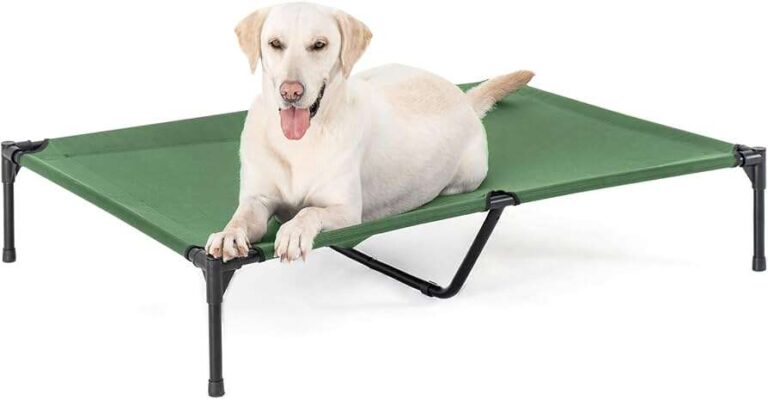
Elevated cot beds
Elevated beds allow air to flow below the body. They can help dogs that sleep hot or spend time outdoors.
They may not offer enough pressure relief for every senior dog. You can add a thin supportive pad if the surface feels too hard.

How to test a dog bed before you commit
Buying a bed is easier when you treat it like a comfort trial. Dogs may ignore a new bed at first because it smells different or sits in an unfamiliar place.
Use this simple process:
-
Place the bed where your dog already likes to rest.
-
Add a blanket that smells familiar.
-
Invite your dog with calm praise, but do not force them onto it.
-
Watch whether your dog settles, shifts, stretches, or leaves.
-
Test the bed for several days in different temperatures.
-
Check the cover, seams, and foam after normal use.
A useful test is the hand press. Push your palm into the bed and watch how quickly it returns to shape. If your hand reaches the floor or the foam stays compressed, the bed may lack support.
Another useful test is the rise test. Your dog should be able to stand without slipping or struggling. This matters more than whether the bed feels soft to your hand.
In real homes, one of the most common mistakes is buying a very fluffy bed because it looks comfortable. Some dogs love it, but others sink, overheat, or avoid it. A removable blanket often gives you more control than choosing a permanently soft mattress.

Common mistakes when choosing a dog bed
A bed can look attractive and still be wrong for your dog. Avoid these common errors:
• Choosing by appearance instead of support
• Buying a bed that is too small
• Ignoring your dog’s sleeping position
• Selecting a high-sided bed for a dog with weak joints
• Forgetting a non-slip base
• Buying fabric that cannot be washed
• Using a bed that stays damp or holds odors
• Assuming every dog needs an orthopedic bed
• Replacing a medical checkup with a new bed
Size is especially important. Your dog should be able to stretch out without hanging off the edge. If your dog sleeps in several positions, measure for the largest position rather than the smallest one.
Cleanliness also affects comfort. Wash the cover as directed and inspect the inner mattress often. Dust, moisture, fleas, and odor can make a dog reject a bed they once enjoyed.

How to make a firm or soft bed more comfortable
You do not always need to replace the whole bed. Small changes can improve comfort and help you discover what your dog prefers.
For a firm bed, try:
• Adding a thin fleece blanket
• Using a soft, washable topper
• Moving the bed away from a cold floor
• Adding a low bolster for head support
For a soft bed, try:
• Placing a firm mat beneath it
• Removing excess loose filling
• Replacing flattened stuffing
• Adding a stable foam insert
• Moving it to a cooler location
Give your dog choices when possible. A firm mat beside a soft bed can show you what they prefer at different times of day. Dogs may choose a soft bed at night and a cooler firm surface after exercise.
Do not force your dog to use a bed. Reward calm investigation, but let your dog decide. Comfort is personal, and a dog that feels safe will usually return to the preferred surface on their own.

When a change in sleeping habits needs veterinary attention
A new bed may not solve a sudden change in sleep behavior. If your dog stops using all beds, wakes often, pants at rest, or struggles to lie down, discomfort may be the cause.
Contact your veterinarian if you notice:
• Limping or stiffness
• Trouble climbing stairs
• Crying when lying down
• Repeated licking of a joint
• Sudden restlessness at night
• Loss of appetite or unusual tiredness
• Difficulty standing after sleep
Dogs often hide pain, so small changes matter. A bed can support comfort, but it cannot diagnose arthritis, injury, skin disease, or another health problem.
Veterinary guidance is especially important for dogs with known orthopedic conditions. A professional can recommend pain care, weight management, exercise changes, and bedding features that fit your dog’s needs.
Frequently Asked Questions About Do Dogs Like Firm or Soft Beds
Do dogs like firm or soft beds more?
Most dogs prefer a bed with medium-firm support and a soft, comfortable surface. However, age, health, body size, sleeping position, and temperature can change that preference.
Is a soft bed bad for dogs?
A soft bed is not automatically bad. It may become a problem if your dog sinks deeply, overheats, cannot rise easily, or loses proper body support.
Are firm beds better for senior dogs?
Many senior dogs benefit from supportive foam that cushions joints without collapsing. Choose a firm but padded bed with a low entry and a non-slip base.
How can I tell if my dog’s bed is too firm?
Your dog may avoid the bed, shift often, or develop pressure on the hips and elbows. A bed can also be too firm if your dog chooses the floor or another padded surface instead.
How can I tell if my dog’s bed is too soft?
If your dog sinks deeply, struggles to stand, or the mattress stays compressed, it may be too soft. Poor support can be more concerning for large, older, or mobility-limited dogs.
Should puppies sleep on soft or firm beds?
Puppies often enjoy softness, but they also need a stable surface that supports growing bodies. Choose a washable bed with gentle cushioning, safe materials, and enough room to move.
Can I use a human mattress for my dog?
A human mattress can work if it is clean, stable, and easy for your dog to access. It may be too high, too soft, or difficult to keep free of moisture and allergens, so check those points first.
Conclusion
Do dogs like firm or soft beds? Most dogs prefer a supportive middle ground: enough softness to cushion the body, with enough firmness to keep the spine and joints stable. Puppies, seniors, large breeds, thin dogs, and dogs with health concerns may need different features.
Watch how your dog sleeps, rises, stretches, and returns to the bed. Start with a washable medium-firm option, add a blanket if needed, and seek veterinary advice when comfort changes suddenly. Try these steps this week, and share what your dog prefers or explore more practical dog-care guides for a healthier, happier home.

Pet Care Writer & Researcher
Daniel writes practical guides on daily care, feeding, and safety, turning complex topics into simple, actionable advice.


6 Comments