What Is The Purpose Of An Elevated Dog Bed: Key Benefits
What is the purpose of an elevated dog bed? Learn how it improves comfort, airflow, cleanliness, and joint support for your dog.
An elevated dog bed lifts your dog off the floor, improving airflow, comfort, cleanliness, and joint support.
If you are asking what is the purpose of an elevated dog bed, the answer goes beyond keeping a pet off cold flooring. A well-made raised bed can help your dog stay cool, dry, and comfortable while reducing contact with dirt, pests, and damp surfaces. This guide explains the benefits, limits, safety tips, and buying advice you need to choose the right bed with confidence.
What Is the Purpose of an Elevated Dog Bed?
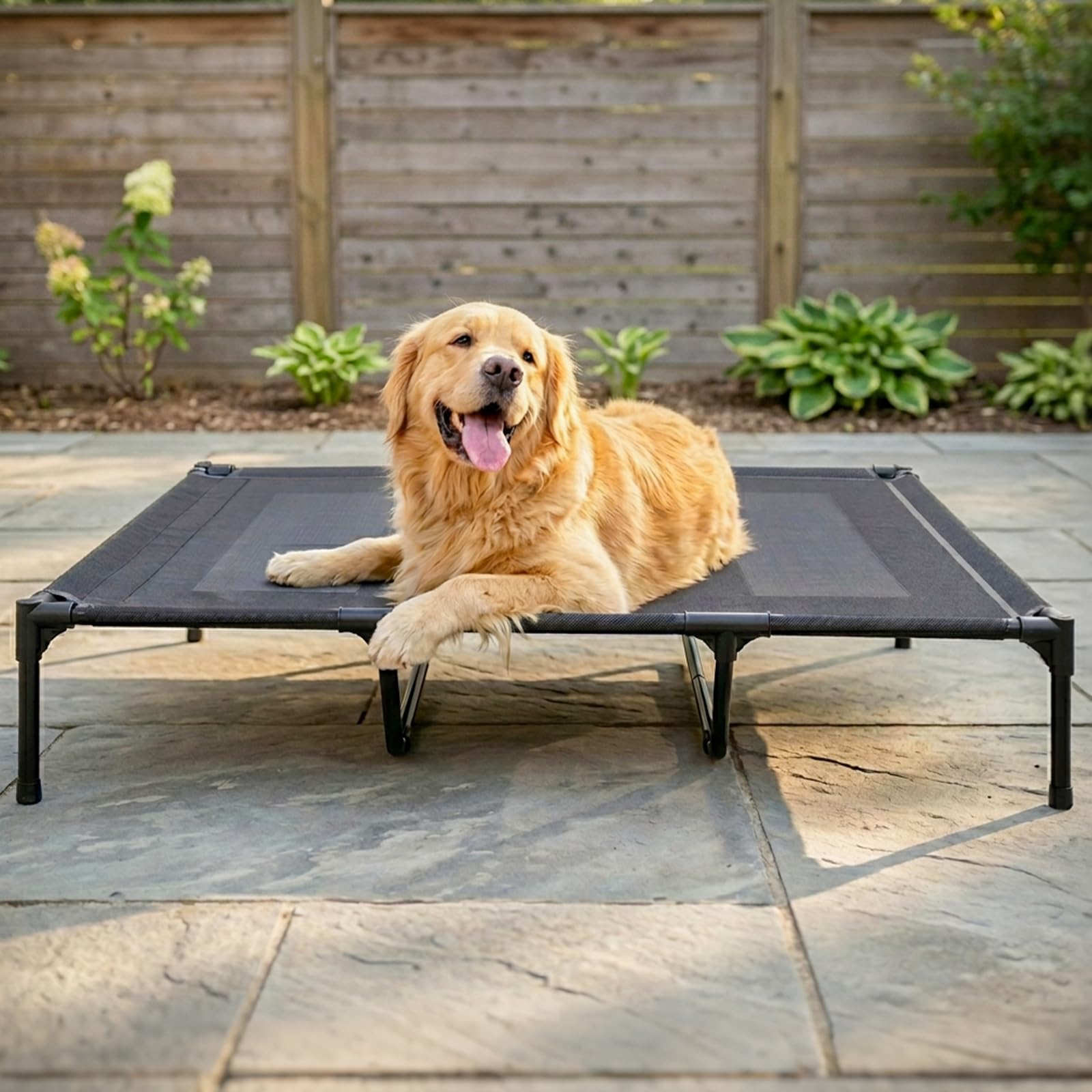
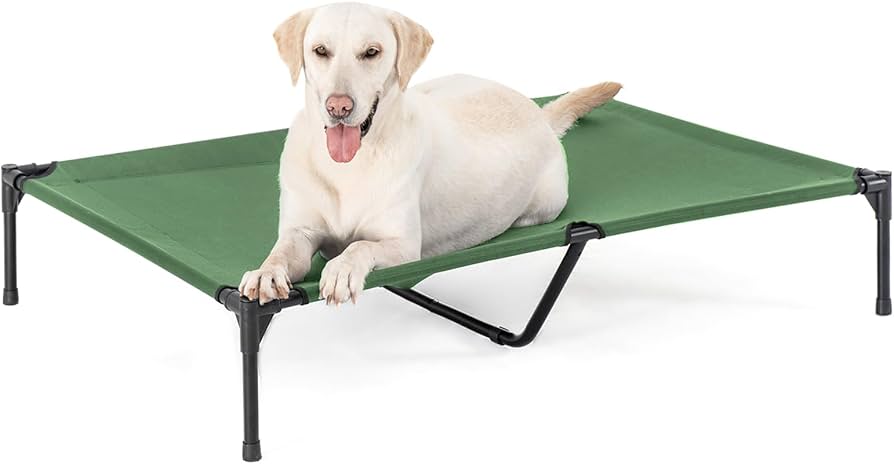
The main purpose of an elevated dog bed is to create a raised, supportive resting place for your dog. Its frame holds a mesh, fabric, or padded sleeping surface several inches above the floor. This design allows air to move under your dog while adding distance from dust, moisture, and uneven ground.
To understand what is the purpose of an elevated dog bed, think of it as a simple platform. A regular dog bed rests on the floor and can trap heat beneath your pet. An elevated model creates a small air gap, much like a porch that stays cooler than a sunny sidewalk.
Most elevated dog beds are made from these parts:
• A sturdy frame made from metal, plastic, or wood
• A breathable mesh or fabric sleeping surface
• Non-slip feet or rubber caps
• A removable cover or washable sling on some models
• Optional padding for extra comfort
The bed does not cure arthritis, skin disease, or other health problems. However, it may support a cleaner and more comfortable rest area when used with proper veterinary care.

How Elevated Dog Beds Help Dogs
Better airflow and temperature control
Air can flow beneath a raised dog bed. This helps release body heat, which may be useful for dogs with thick coats or dogs that sleep in warm rooms. A breathable mesh surface can feel cooler than a soft cushion placed directly on the floor.
This benefit matters most in hot climates, garages, patios, and rooms with poor airflow. Still, an elevated dog bed is not a substitute for shade, fresh water, cooling breaks, or air conditioning during extreme heat.
Less contact with cold or damp floors
Cold tile, concrete, and basement floors can feel harsh, especially for older dogs or dogs with thin coats. A raised bed adds distance between your dog and the floor. It may also help keep your dog away from damp ground after cleaning or during wet weather.
The same design can help outdoors. It keeps your dog above wet grass, mud, and small puddles. The bed should still sit in a dry, shaded area.
A cleaner sleeping space
Floor-level beds collect hair, dust, crumbs, and dirt. An elevated dog bed can reduce direct contact with these materials. Many models also allow dirt to fall through the mesh or be swept away beneath the frame.
This does not make the bed self-cleaning. You still need to wash the cover and clean the frame often. A dirty mesh bed can hold skin oils, allergens, and odor just like any other pet bedding.
Support for joints and muscles
a firm, level surface may help some dogs rise and lie down with less effort. This can be useful for senior dogs, large breeds, and dogs with stiff joints. The bed must be stable and low enough for easy access.
A raised bed should not wobble, sag, or force a dog to jump. Dogs with severe arthritis, weakness, or balance problems may need a thick orthopedic mattress on the floor instead.
A designated rest area
Dogs often benefit from having a clear place to relax. An elevated bed can define that space in a living room, office, porch, or training area. It gives your dog a comfortable station without placing a bulky cushion directly on the floor.
In homes with more than one pet, separate beds can also reduce competition. Each dog should have enough room to stretch, turn, and change position.

What Is the Purpose of an Elevated Dog Bed for Outdoor Use?
When people ask what is the purpose of an elevated dog bed outdoors, they usually want to know if it can handle heat, dirt, and weather. The answer is yes, but only when the bed is used in a safe location and cleaned often.
Outdoor raised beds offer several practical benefits:
• They keep dogs above wet grass, soil, and rough ground.
• They allow air to circulate under the sleeping surface.
• They reduce contact with outdoor dirt and insects.
• They provide a familiar resting spot during camping or travel.
• They are often easier to hose down than padded beds.
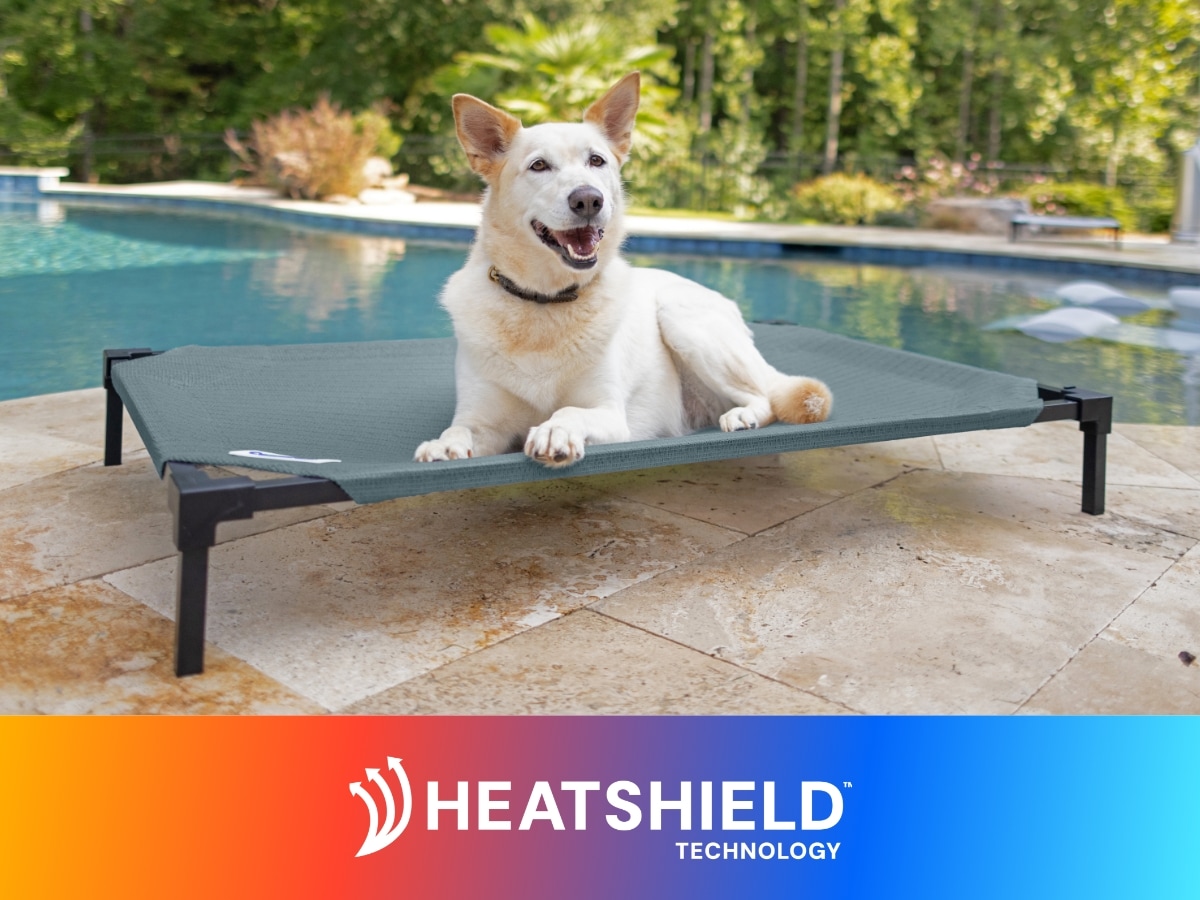
Place the bed under shade. Direct sunlight can heat the frame and fabric, even if the bed itself feels airy. Check the surface with your hand before your dog lies down.
Never leave a dog outdoors without access to water, shade, shelter, and supervision. An elevated bed does not protect a pet from heatstroke, freezing weather, storms, or unsafe animals.
For travel, choose a foldable model with a locked frame. Test it at home first. Some dogs need time to trust a bed that moves or makes a soft fabric sound.
What Is the Purpose of an Elevated Dog Bed for Senior Dogs?
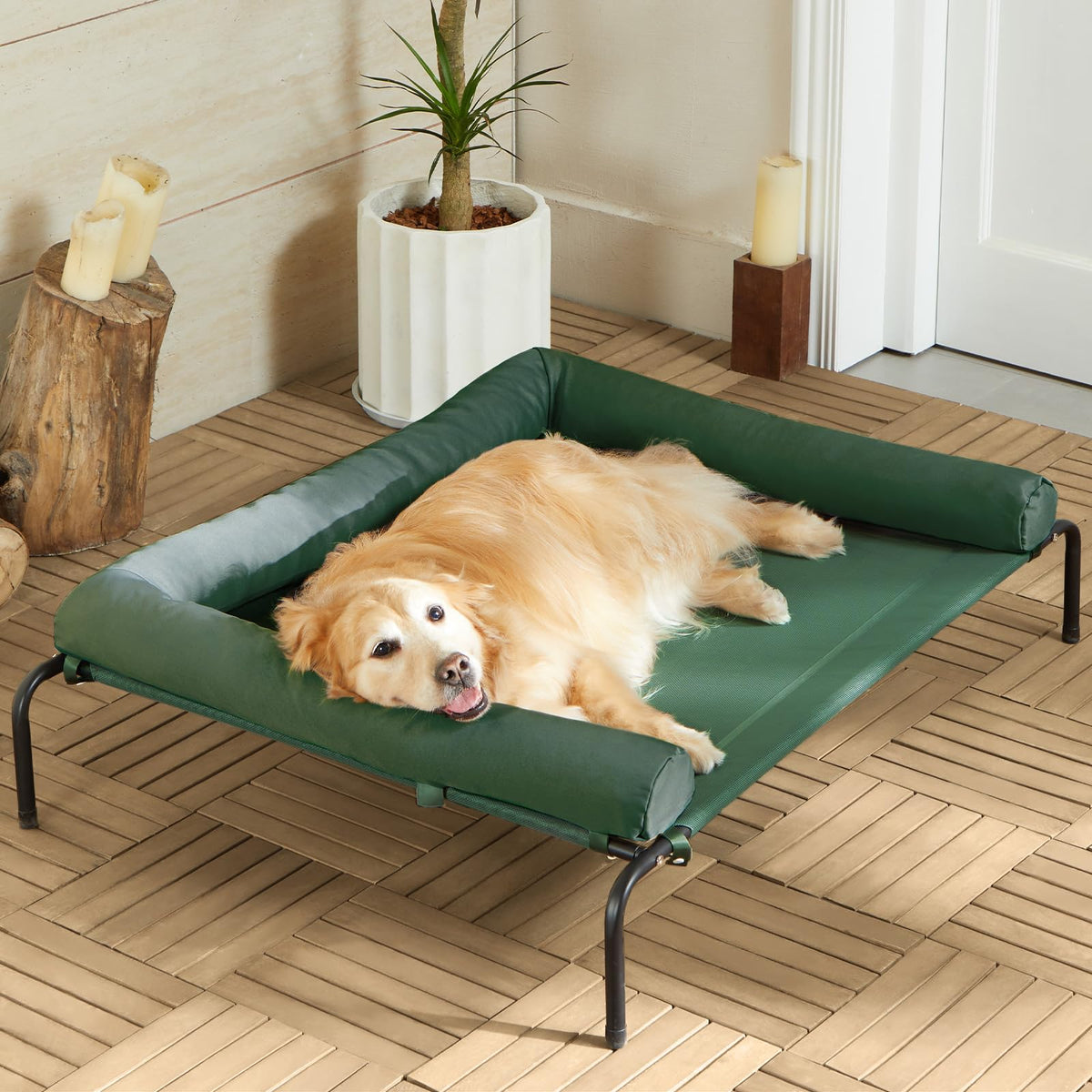
For senior dogs, what is the purpose of an elevated dog bed often relates to comfort and ease of movement. A firm raised surface may reduce the effort needed to stand, especially when the bed has a low entry height and strong support.
However, not every senior dog will prefer a raised bed. Dogs with weak legs, poor vision, or balance problems may trip over the frame. A high step can also put stress on painful hips, knees, or elbows.
Use these guidelines when choosing one for an older dog:
• Select a low-profile bed that does not require a jump.
• Make sure the frame stays stable when your dog shifts weight.
• Choose a surface that does not sag deeply.
• Add a thin orthopedic pad if the mesh feels too firm.
• Place the bed on a non-slip rug.
• Keep the bed away from stairs and sharp furniture edges.
Watch how your dog gets on and off. A dog may lie comfortably on the bed but struggle to leave it. If you notice limping, shaking, reluctance, or repeated slips, stop using the bed and ask your veterinarian for advice.

What Is the Purpose of an Elevated Dog Bed for Dogs With Allergies?
Another answer to what is the purpose of an elevated dog bed involves reducing exposure to floor-level irritants. Dust, pollen, cleaning residue, and pet dander often collect near the floor. Raising the sleeping surface may reduce some contact with these irritants.
The effect is limited. An elevated bed cannot prevent allergic reactions caused by food, fleas, pollen, or airborne particles. It should be part of a broader care plan, not a stand-alone treatment.
Choose a bed with a washable cover or a smooth mesh surface. Clean it according to the care label. Avoid strong fragrances and harsh cleaners, since residue may irritate sensitive skin.
Useful allergy-control steps include:
• Wash bedding regularly in hot water when the material allows.
• Vacuum nearby floors and soft furniture.
• Use reliable flea prevention recommended by a veterinarian.
• Dry your dog well after outdoor activities.
• Seek veterinary care for constant licking, ear problems, hair loss, or red skin.
Flea control is especially important. One flea bite can trigger intense itching in sensitive dogs, and a raised bed alone will not solve an infestation.

Are Elevated Dog Beds Good for Every Dog?
No. An elevated dog bed is helpful for many dogs, but it is not the best choice for every pet. Fit, health, behavior, and environment all matter.
An elevated model may work well for:
• Healthy adult dogs
• Dogs that overheat easily
• Large dogs that need firm support
• Dogs that spend time on patios or in garages
• Dogs that dislike soft beds
It may be less suitable for:
• Puppies that chew fabric or frame parts
• Dogs with severe mobility problems
• Very small dogs that cannot climb onto the surface safely
• Dogs that are fearful of unstable objects
• Dogs that need deep orthopedic cushioning
A simple trial can help. Place the bed beside your dog’s usual sleeping area. Reward calm investigation with praise or a small treat. Do not force your dog onto it. Some dogs accept the bed in minutes, while others need several days.
One common mistake is buying a bed based only on the advertised weight limit. A strong frame may support the weight, but the sleeping surface still needs enough length and width for your dog to stretch out fully.
How to Choose the Best Elevated Dog Bed
The best elevated dog bed should match your dog’s size, health, habits, and location. A lightweight indoor bed may not suit a powerful dog that digs or turns in circles. An outdoor bed may need a rust-resistant frame and a washable surface.
Check the size
Measure your dog from nose to the base of the tail. Add extra space so your dog can stretch and change position. If your dog sleeps curled up but sometimes sprawls, choose the larger size.
Check the height
The bed should be easy to reach. Small dogs and dogs with stiff joints usually need a lower frame. A tall bed may offer more airflow, but height is not helpful if your dog cannot climb on safely.
Check the material
Common choices include:
• Breathable mesh for airflow and easy cleaning
• Canvas for a tougher feel
• Padded fabric for added comfort
• Plastic for moisture resistance
• Powder-coated metal for strength and outdoor use
Look for smooth edges, strong stitching, and secure fasteners. Avoid loose cords, sharp corners, and openings that could catch a paw.
Check the weight limit
Choose a bed rated well above your dog’s current weight. This leaves room for movement and reduces stress on the frame. If two dogs may share it, calculate their combined weight.
Check cleaning needs
A removable, machine-washable cover is useful. If the bed has a fixed sling, make sure you can rinse and dry it fully. Moisture trapped in fabric can lead to odor and mold.
Check stability
Place the bed on a flat surface. Press down on each corner before your dog uses it. The frame should not rock, fold, or slide.
Safety Tips for Using an Elevated Dog Bed
Knowing what is the purpose of an elevated dog bed also means understanding its limits and risks. A poorly built or poorly placed bed can cause falls, pinched paws, or stress on joints.
Follow these safety steps:
-
Inspect the frame before each use, especially after travel.
-
Make sure all screws, clips, and support bars are secure.
-
Keep the bed away from balconies, pools, fireplaces, and stairs.
-
Use a non-slip mat on tile, wood, or smooth concrete.
-
Check the fabric for tears, loose threads, and sagging.
-
Do not allow a dog to chew damaged parts.
-
Keep outdoor beds out of direct sun during hot weather.
-
Wash the surface and dry it fully before use.
-
Watch puppies and strong chewers closely.
-
Replace the bed when the frame bends or the fabric loses support.
A bed should support natural sleep, not restrict it. Your dog should be able to stand, turn, stretch, and leave without help.
Elevated Dog Bed vs. Traditional Dog Bed
The choice between an elevated dog bed and a floor bed depends on your dog’s needs. Neither style is best for every situation.
An elevated dog bed usually offers:
• More airflow
• Better separation from damp floors
• Easier cleaning beneath the bed
• A firm, even surface
• Good outdoor portability
A traditional padded bed usually offers:
• More cushioning
• Better insulation from cold air
• Easier access for dogs with poor mobility
• A softer surface for dogs that like to nest
Many dogs do well with both. You might use an elevated bed in the living room or patio and a padded orthopedic bed in a quiet indoor area. Offering choices lets your dog select the surface that feels best at that moment.
Watch your dog rather than relying only on product claims. If your dog sleeps deeply, rises easily, and returns to the bed by choice, the setup is likely working well.

Common Mistakes to Avoid
Even when people understand what is the purpose of an elevated dog bed, they may choose the wrong size or location. Small details can affect comfort and safety.
Avoid these mistakes:
• Buying a bed that is too small
• Choosing height over easy access
• Leaving the bed in full outdoor sun
• Ignoring a loose or sagging sleeping surface
• Using a raised bed as a treatment for joint disease
• Skipping regular cleaning
• Placing the bed on a slippery floor
• Forcing a nervous dog to use it
A practical lesson from many dog households is that comfort is personal. Some dogs love a cool mesh surface. Others prefer a soft blanket on top. A thin washable blanket can improve comfort, but do not cover the entire bed with thick material if airflow is the main reason you bought it.
Always introduce changes slowly. Familiar scents, calm praise, and a stable location can help your dog accept the new bed.
Frequently Asked Questions About What Is the Purpose of an Elevated Dog Bed
What is the main purpose of an elevated dog bed?
The main purpose is to lift a dog off the floor while providing a stable place to rest. This can improve airflow, reduce contact with dirt and moisture, and offer firm support.
Are elevated dog beds good for dogs with arthritis?
They may help some dogs because a firm surface can make resting and standing easier. However, dogs with severe arthritis may need a low orthopedic bed, and a veterinarian should guide the choice.
Do elevated dog beds keep dogs cool?
They can help dogs stay cooler by allowing air to move beneath the body. They do not replace shade, water, ventilation, or cooling care during hot weather.
Can an elevated dog bed be used outside?
Yes, many are designed for patios, porches, camping, and other outdoor areas. Keep the bed shaded, inspect it for damage, and bring your dog indoors during unsafe weather.
How do you clean an elevated dog bed?
Follow the care label, then wash or rinse the sleeping surface and clean the frame with mild soap. Let every part dry fully before your dog uses the bed again.
What height should an elevated dog bed be?
The height should allow your dog to step onto and off the bed without jumping or straining. Small dogs, puppies, and dogs with mobility issues usually need a lower design.
Do all dogs like elevated dog beds?
No. Some dogs prefer soft, enclosed, or padded beds. Introduce the raised bed slowly and let your dog choose whether it feels comfortable.
Conclusion
What is the purpose of an elevated dog bed? It is a practical way to give your dog a cleaner, cooler, and more supportive place to rest. The raised design can improve airflow, reduce contact with damp or dirty floors, and work well indoors or outdoors.
The best choice depends on your dog’s size, age, mobility, chewing habits, and sleeping style. Pick a stable bed with the right height, inspect it often, and add padding when needed. Compare safe, well-built options and share your dog’s experience in the comments.

Pet Care Writer & Researcher
Daniel writes practical guides on daily care, feeding, and safety, turning complex topics into simple, actionable advice.