
Do Orthopedic Dog Beds Really Help: Benefits For Dogs
Do orthopedic dog beds really help? Learn how they support joint health, ease discomfort, and improve sleep for aging or active dogs.
Yes, orthopedic dog beds can ease joint pressure, improve sleep, and support comfort for many dogs.
Do orthopedic dog beds really help? In many cases, yes—but the benefit depends on your dog’s age, size, health, sleep habits, and the bed’s quality. After reviewing veterinary guidance and common real-world results, this guide explains what orthopedic beds can do, where they fall short, and how to choose one wisely.
What is an orthopedic dog bed?
An orthopedic dog bed is made to support a dog’s bones, joints, and muscles. It usually contains dense memory foam, high-resilience foam, or another supportive material that spreads weight more evenly than loose fiberfill.
A standard soft bed may flatten under a large dog. When that happens, the dog’s body can press against the floor. An orthopedic bed acts more like a firm mattress. It cushions the body while helping keep the spine and joints in a more natural position.


Most orthopedic dog beds include one or more of these features:
• Thick, high-density foam
• A low step-in edge for older dogs
• A raised bolster for head and neck support
• A waterproof inner cover
• A removable, washable outer cover
• A non-slip bottom
• Cooling fabric or breathable foam
The term “orthopedic” is not a guarantee of medical quality. Some beds use the word mainly as a marketing label. Foam density, thickness, support, construction, and fit matter more than the name on the package.

Do orthopedic dog beds really help with joint pain?
Do orthopedic dog beds really help with joint pain? They may help by reducing pressure on sore areas, especially the hips, elbows, shoulders, and spine. They do not cure arthritis, hip dysplasia, injuries, or other medical problems.


Dogs with osteoarthritis often struggle to find a comfortable sleeping position. A supportive bed can reduce the effort needed to lie down, get up, and turn over. Better sleep may also help a dog feel less stiff during the day.
Veterinary guidelines commonly recommend soft, supportive bedding as part of comfort care for dogs with arthritis. Good bedding works best alongside weight control, safe exercise, prescribed medication, and regular veterinary checks.
The benefits may be most noticeable in dogs that:
• Have arthritis or age-related stiffness
• Are recovering from surgery, with veterinary approval
• Have hip dysplasia or other joint problems
• Sleep on hard floors
• Are large or heavy
• Have thin coats or little body fat
• Wake often or change positions through the night
A bed cannot repair damaged cartilage or realign a joint. Think of it as a comfort tool, not a treatment. It can make daily life easier, but it should never replace veterinary care.
How orthopedic dog beds may improve comfort
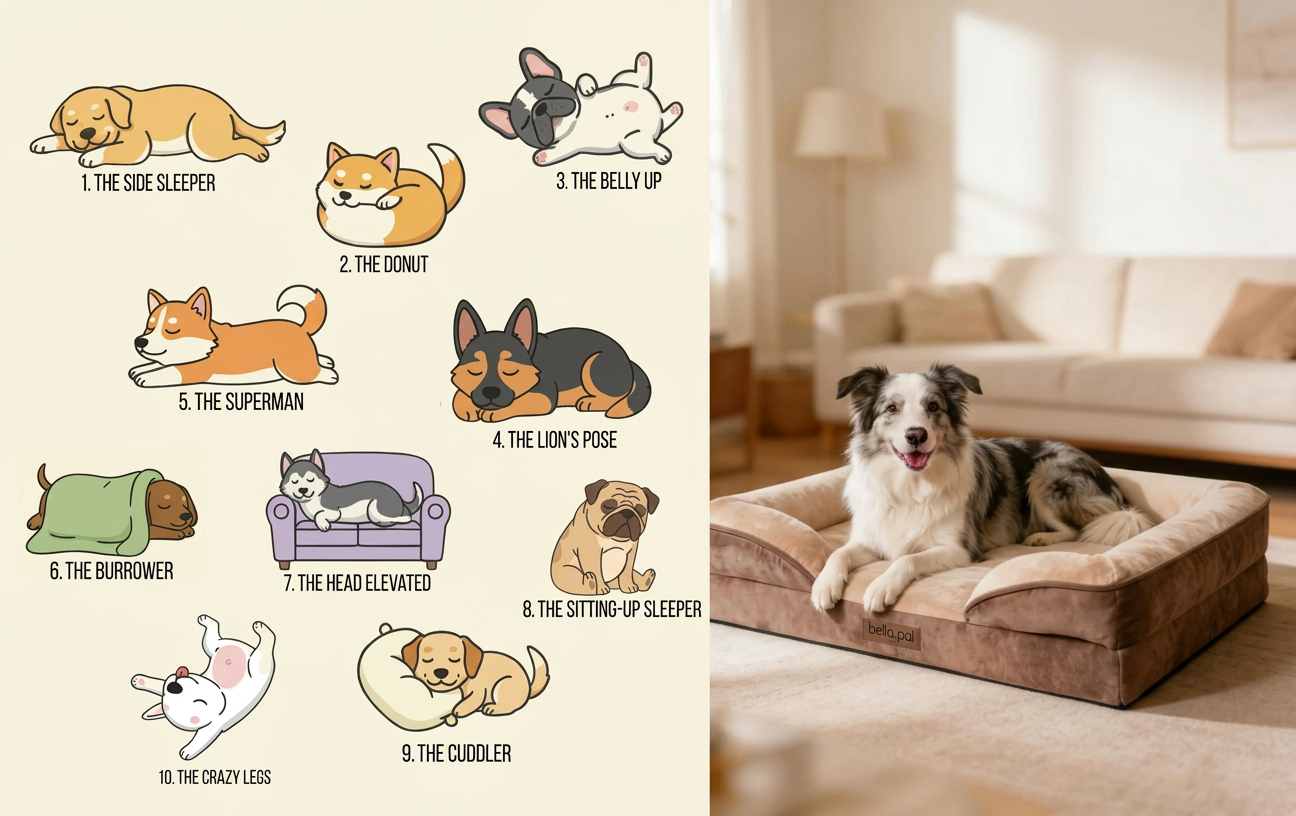
The main benefit of an orthopedic dog bed is pressure distribution. Instead of allowing a dog’s weight to sink into one small area, supportive foam spreads the load across a wider surface.
This may help in several ways.
Less pressure on joints
Firm foam can support the body without creating hard contact points. This may reduce pressure on the hips, elbows, and shoulders.


Easier movement
A bed with the right height can make it easier for a stiff dog to stand up. Very deep or unstable beds may have the opposite effect, so firmness and access both matter.
Better sleep
Dogs need long periods of rest. Poor sleep may worsen irritability, fatigue, and sensitivity to pain. A stable bed can help some dogs settle faster and stay asleep longer.
Warmer rest
Older dogs and lean dogs may feel cold on tile or wood floors. A thick bed creates insulation between the body and the floor.
Better body alignment
A supportive surface may help keep the spine and limbs in a relaxed position. This is especially useful for dogs that sleep on their side for long periods.
In practical terms, an orthopedic dog bed is similar to a good mattress for people. It cannot solve every pain problem, but the right mattress can make rest much easier.

What does research and veterinary guidance say?
Research directly comparing every type of orthopedic dog bed is limited. There is no single foam formula that has been proven best for every dog. Results also vary because dogs differ in weight, body shape, pain level, and sleeping style.
Still, the basic idea has sound support. Veterinary rehabilitation and pain-management guidance often includes comfortable bedding, non-slip surfaces, controlled activity, and weight management for dogs with joint disease.
Studies on canine osteoarthritis show that pain affects mobility, sleep, mood, and quality of life. Comfort changes, including better bedding, are usually part of a broader care plan rather than a stand-alone solution.
Several factors explain why some dogs improve more than others:
• A heavy dog needs stronger foam than a small dog.
• A thin dog may need more cushioning.
• A dog with severe pain may need medication as well as bedding.
• A dog that runs hot may reject thick memory foam.
• A dog that chews may destroy a bed before it provides any benefit.


The most honest answer to “do orthopedic dog beds really help?” is that they can help with comfort and rest, but the evidence does not support claiming that every orthopedic bed prevents disease or repairs joints.

Which dogs benefit most from an orthopedic bed?
Older dogs are the most obvious candidates, but age is not the only factor. A young dog with a joint condition may need supportive bedding just as much as a senior dog.
Large and giant breeds often benefit because their body weight creates more pressure on joints. Breeds such as German Shepherds, Labrador Retrievers, Golden Retrievers, Great Danes, and Rottweilers may also face a higher risk of certain orthopedic problems.
Other dogs that may benefit include:
• Dogs with diagnosed arthritis
• Dogs with hip or elbow dysplasia
• Dogs recovering from orthopedic surgery
• Dogs with chronic back pain
• Dogs that sleep on hard surfaces
• Dogs with calluses on their elbows
• Dogs that seem stiff after resting
• Dogs that avoid jumping onto furniture
Watch your dog’s behavior. Signs of discomfort may include slow rising, reluctance to use stairs, limping, pacing at night, licking joints, or repeatedly changing positions.
A new bed may help, but sudden changes in movement or pain deserve a veterinary examination. Pain can also result from injury, infection, ligament damage, or neurological disease.

When an orthopedic dog bed may not help
Do orthopedic dog beds really help every dog? No. Some dogs ignore them, dislike the texture, or prefer a cool floor. Others need medical treatment before a bed can make a meaningful difference.
Common limitations include:
• The foam is too soft and collapses under the dog.
• The bed is too firm for a thin or very bony dog.
• The bed is too small for the dog to stretch out.
• The cover traps heat.
• The entrance is too high for a weak or painful dog.
• The bed slides across smooth flooring.
• The dog has a habit of chewing or digging.
• The bed is placed in a noisy or busy area.
A bed also cannot correct obesity. Extra weight puts added stress on the joints, even when the dog rests on excellent foam. A veterinarian can help set a safe weight-loss plan if needed.
One common mistake is buying the thickest bed available. Thickness does not always equal support. A very thick bed may be hard for a small dog to climb onto or unstable for a dog with poor balance.

How to choose the best orthopedic dog bed
Choosing the right bed takes more than checking the word “orthopedic” on the label. Start with your dog’s weight, sleeping style, health needs, and room temperature.
1. Measure your dog
Measure from the nose to the base of the tail. Add several inches so your dog can stretch out without hanging off the edge.
If your dog curls up most of the time, a smaller bed may work. Still, allow room for natural movement. Dogs often stretch when they sleep deeply.
2. Check the foam
Look for dense, supportive foam that does not remain compressed after you press it. Memory foam can provide good pressure relief, while support foam may give easier movement and better airflow.
Avoid beds that feel like a thin cushion over a hard floor. Large dogs often need several inches of high-quality foam, but the correct thickness depends on foam density and body weight.
3. Consider access
A low-entry bed is helpful for dogs with arthritis, weakness, or poor balance. A bolster can support the head, but it should not force the neck into an awkward position.
4. Choose washable materials
A removable, machine-washable cover makes daily care much easier. A waterproof liner helps protect the foam from accidents, drool, and spills.
5. Match the bed to the climate
Cooling covers and breathable materials may suit dogs that overheat. In cold homes, thicker foam and insulating fabric may be more comfortable.
6. Look for safety features
A non-slip base can reduce falls when a dog stands up. Avoid loose strings, exposed zippers, and small parts that could become choking hazards.

How to help your dog accept a new bed
Even a high-quality orthopedic dog bed may fail if your dog does not trust it. Place the bed where your dog already likes to rest. Add a familiar blanket or toy, but avoid forcing the dog onto it.
Reward calm interest with praise or a small treat. Keep the first sessions relaxed. Some dogs need several days to accept a new smell and texture.
These practical steps often help:
-
Put the bed near the family, not in an isolated room.
-
Let your dog sniff it without pressure.
-
Use a familiar blanket on top.
-
Reward the dog for stepping onto it.
-
Keep the bed away from drafts and direct heat.
-
Wash the cover if it develops a strong odor.
-
Do not use the bed as punishment.
A useful lesson from helping owners compare beds is that location can matter as much as construction. A perfect bed in a cold, noisy corner may be ignored, while a simple supportive bed near the family may become a favorite.
How to tell whether the bed is working
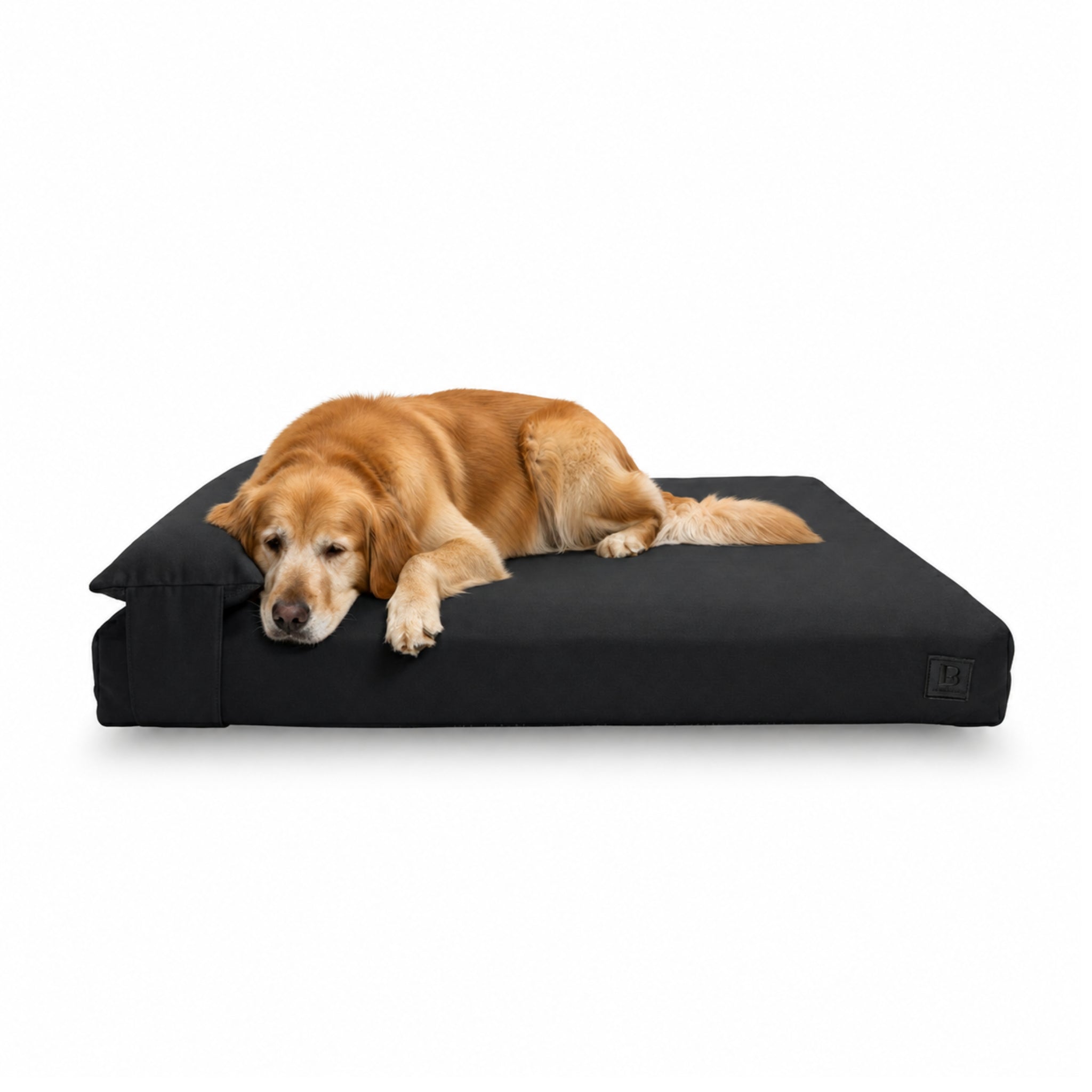
Give your dog about one to two weeks to show a clear preference, unless the bed causes discomfort. Watch behavior rather than relying only on appearance.
Signs the bed may be helping include:
• Your dog chooses it without prompting.
• Your dog sleeps for longer periods.
• Your dog rises with less hesitation.
• Your dog changes position less often.
• Your dog seems calmer after resting.
• Your dog stops sleeping on the bare floor.
Take short notes before and after the change. Record how easily your dog stands, walks, uses stairs, and settles at night. This can help you and your veterinarian judge whether the bed is making a real difference.
Stop using the bed if your dog struggles to get off it, overheats, slips, or shows more pain. A bed should support movement, not trap the dog in a deep cushion.

Orthopedic bed safety and care tips
A clean, dry bed is safer and more comfortable. Wash the cover often, especially if your dog has allergies, incontinence, or skin problems.
Inspect the foam and seams each month. Replace the bed if the foam stays flat, breaks apart, smells musty, or exposes sharp materials.
Keep these points in mind:
• Place the bed on a level surface.
• Keep it away from radiators and heating vents.
• Use a waterproof liner for incontinent dogs.
• Wash bedding with pet-safe detergent.
• Dry the cover fully before use.
• Check for chewing damage.
• Keep the bed near water if your dog has mobility limits.
Dogs that are weak or unsteady may also need non-slip rugs between the bed and the food bowl. Small home changes can prevent slips and falls.
When to speak with a veterinarian
A supportive bed is useful, but pain should not be diagnosed from sleeping habits alone. Contact a veterinarian if your dog has new lameness, cries when touched, cannot rise, stops eating, or suddenly avoids normal activity.
Seek urgent care for severe pain, paralysis, major swelling, trouble breathing, or an inability to stand. These signs may point to a serious condition.
Ask your veterinarian about a complete comfort plan. Depending on the diagnosis, treatment may include weight management, physical rehabilitation, prescription pain relief, joint supplements, activity changes, or surgery.
Do orthopedic dog beds really help dogs with diagnosed arthritis? They may, but the best results usually come when bedding is combined with appropriate medical care.
Frequently Asked Questions About Do Orthopedic Dog Beds Really Help
Do orthopedic dog beds really help dogs with arthritis?
They may reduce pressure on painful joints and make resting or rising easier. However, an orthopedic bed does not treat the underlying arthritis, so veterinary care remains important.
Are orthopedic dog beds worth the money?
They can be worth the cost if the bed has supportive foam, a washable cover, and the right size for your dog. A costly bed is not automatically better than a well-made, reasonably priced option.
What type of foam is best for an orthopedic dog bed?
High-density memory foam or supportive foam can work well, depending on the dog. The foam should support the body without sinking so deeply that the dog struggles to stand.
Should an orthopedic dog bed be firm or soft?
It should be supportive with enough cushioning to protect pressure points. Very soft beds may allow a heavy dog to sink through, while very firm beds may be uncomfortable for thin or bony dogs.
Can a puppy use an orthopedic dog bed?
Yes. A supportive bed can provide comfortable rest for a growing puppy, especially a large-breed puppy. Choose a durable, washable design and replace it if chewing damages the materials.
How long do orthopedic dog beds last?
A good bed may last several years, but lifespan depends on the dog, foam quality, washing, and chewing habits. Replace it when the foam loses support or the cover can no longer stay clean.
Why does my dog still sleep on the floor?
Your dog may prefer a cooler surface, dislike the bed’s smell, or find the bed too soft, too warm, or too difficult to access. Try changing the location, adding a familiar blanket, or choosing a thinner and cooler design.
Conclusion
Do orthopedic dog beds really help? For many dogs, they can improve comfort, sleep quality, and ease of movement by reducing pressure on the joints. Their value is greatest when the bed matches the dog’s size, health needs, sleeping style, and home environment.
Choose supportive foam, a washable cover, safe access, and a non-slip base. Then watch your dog’s behavior and discuss ongoing pain with a veterinarian. A better bed cannot replace treatment, but it can give your dog a softer place to rest and recover.
If your dog shows stiffness or discomfort, compare suitable orthopedic beds and schedule a veterinary checkup before making major changes.

Pet Care Writer & Researcher
Daniel writes practical guides on daily care, feeding, and safety, turning complex topics into simple, actionable advice.



2 Comments