What’s The Best Diet Dog Food: Healthy Choices
Find out what’s the best diet dog food for healthy weight management, better nutrition, and happier mealtimes with expert tips and smart choices.
The best diet dog food is complete, balanced, calorie-aware, and matched to your dog’s age, size, health, and activity level.
Choosing the best diet dog food is not about finding one magic brand. It is about matching nutrients, calories, ingredients, and feeding amounts to your dog’s real needs. This guide explains how to compare dog food, spot useful labels, manage weight, and work with your veterinarian when health problems affect your dog’s diet.
What Makes the Best Diet Dog Food?
The best diet dog food should provide all the nutrients your dog needs without adding too many calories. It should also fit your dog’s life stage, body size, activity level, and health history.
A good starting point is a food labeled “complete and balanced.” This means the recipe meets established nutrient standards for a specific life stage, such as growth, maintenance, or all life stages. Puppies, adult dogs, and senior dogs do not always need the same nutrient levels.
The best diet dog food usually has these traits:
- A complete and balanced nutritional statement
- Calorie information listed per cup, can, or gram
- Protein and fat levels that suit your dog
- Fiber that supports fullness and healthy stools
- Clear feeding directions
- Quality control from a trusted manufacturer
- A texture your dog will eat and digest well
Food quality is more than the ingredient list. Ingredients matter, but the full nutrient profile, safety testing, manufacturing process, and feeding results matter too. A simple recipe can be healthy, while a fancy recipe may not meet your dog’s needs.
Dogs are also individuals. One dog may thrive on chicken and rice, while another may need a fish-based recipe because of a food allergy. The best diet dog food for your neighbor’s Labrador may not work for your older Chihuahua.
Best Diet Dog Food for Weight Loss
For overweight dogs, the best diet dog food is often a veterinary weight-management formula. These foods are designed to provide fewer calories while still supplying enough protein, vitamins, and minerals.
Simply feeding much less of a regular maintenance food can create a problem. Your dog may lose important nutrients along with calories. A weight-control formula often contains more fiber, which can help your dog feel full, and carefully controlled levels of fat and calories.
A safe weight-loss plan includes:
- Ask your veterinarian to confirm your dog’s ideal weight.
- Find out how many calories your dog should eat each day.
- Measure every meal with a kitchen scale or standard measuring cup.
- Count treats, chews, table scraps, and food used for medication.
- Weigh your dog every two to four weeks.
- Adjust the plan only with professional guidance.
Most dogs should lose weight slowly. A common veterinary target is about 1% to 2% of body weight per week, although the right pace depends on the dog. Rapid weight loss can lead to muscle loss and may signal that the plan is too strict.
A useful lesson from weight-management cases is that treats often cause more trouble than the main food. A small piece of cheese may seem harmless, but repeated extras can quietly add many calories. Try using part of your dog’s daily kibble as training rewards.
Best Diet Dog Food for Puppies
Puppies need food made for growth. The best diet dog food for a puppy should provide enough energy, protein, fat, calcium, phosphorus, and other nutrients for healthy development.
Large-breed puppies need extra care. Too many calories or an unbalanced mineral supply may cause fast growth, which can place stress on developing bones and joints. Choose a formula labeled for large-breed puppy growth when appropriate.
Look for a nutritional statement that supports:
- Growth and development
- The expected adult size of your dog
- Proper calcium and phosphorus levels
- Safe feeding instructions for the puppy’s age
Do not add calcium supplements unless your veterinarian recommends them. Extra calcium can be harmful, especially for some large-breed puppies.
Puppy food is not meant to last forever. Your veterinarian can help you decide when to move to adult food. The timing may range from about 9 to 24 months, depending on breed size and development.
Best Diet Dog Food for Senior Dogs
There is no single nutrient profile that every senior dog needs. Some older dogs remain active and maintain a healthy weight on a standard adult formula. Others need fewer calories, more fiber, softer food, or a special diet for kidney, liver, heart, or joint disease.
The best diet dog food for a senior dog depends on its health status. A senior dog with arthritis may benefit from weight control and veterinary-approved omega-3 fatty acids. A dog with kidney disease may need a prescription diet with controlled phosphorus and protein.
Senior dogs may also have dental pain. If your dog drops kibble, chews slowly, avoids hard food, or has bad breath, schedule a dental exam. Changing to wet food may help comfort, but it does not fix dental disease.
Age alone is not a diagnosis. A senior formula may be useful, but a blood test and physical exam give a much clearer picture of what your dog needs.
How to Choose Dog Food by Ingredients
The ingredient list can offer useful clues, but it should not be your only tool. Ingredients appear by weight, so fresh meat may appear near the top because it contains a lot of water. A dry ingredient can move lower on the list even when it supplies useful nutrients.
When comparing the best diet dog food options, check:
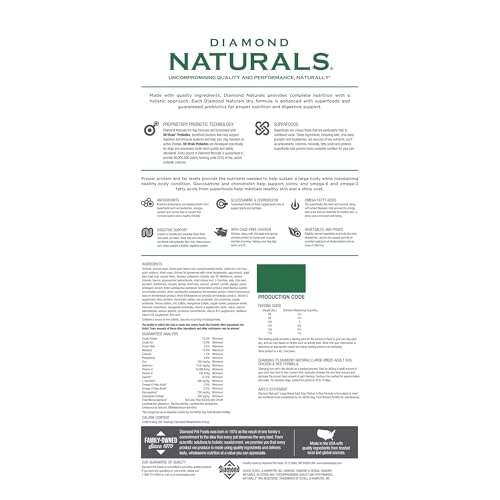
- The nutritional adequacy statement
- Calories per serving
- Protein and fat percentages
- Fiber content
- The main animal and plant ingredients
- Whether the food suits your dog’s life stage
- The company’s quality and safety practices
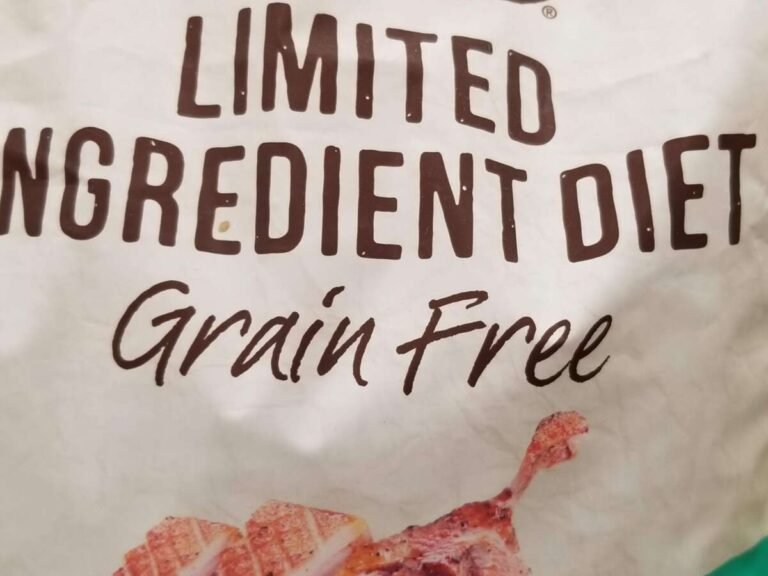
Some owners avoid grains because they believe grain-free food is always healthier. Current evidence does not support that assumption for most dogs. Grain allergies are uncommon, and grain-free diets may contain large amounts of peas, lentils, or potatoes. If your dog has a diagnosed allergy or health condition, follow your veterinarian’s advice rather than online trends.
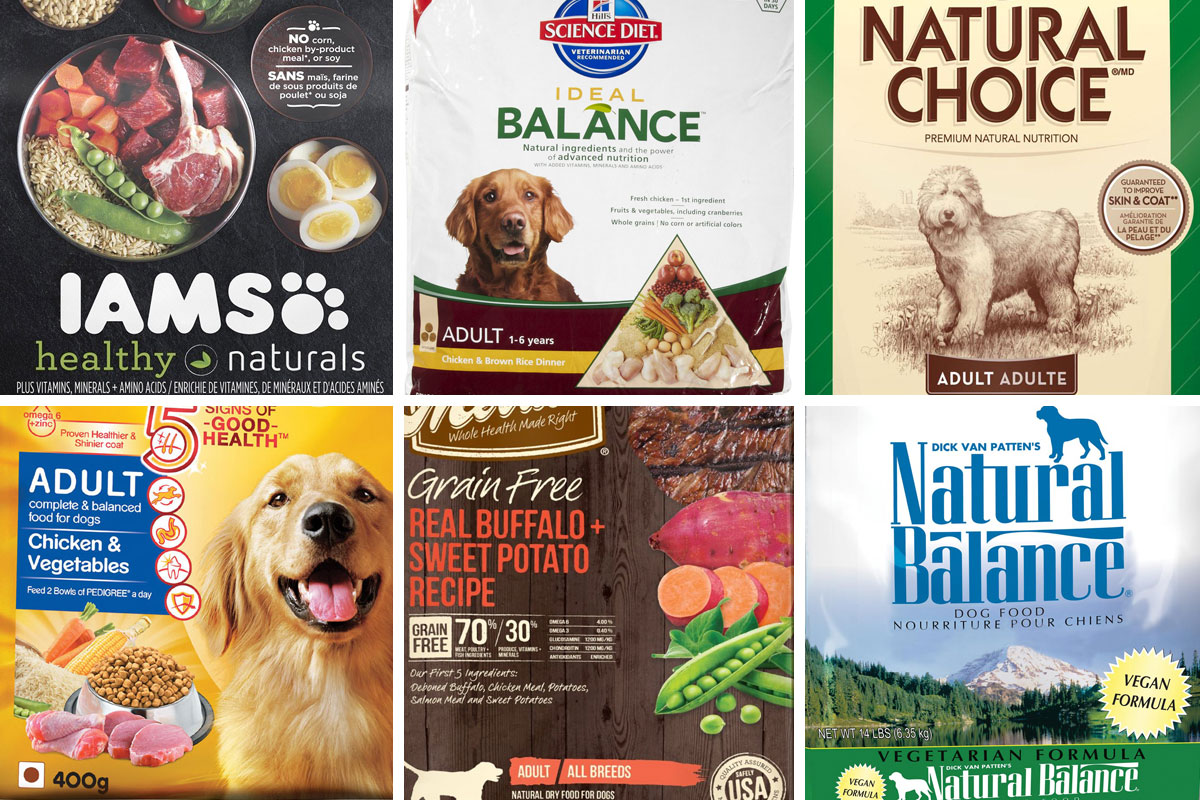
“Natural,” “premium,” and “holistic” are not guarantees of better nutrition. Marketing words can sound impressive, but they do not replace a complete and balanced formula.
Wet Food, Dry Food, or Fresh Food?
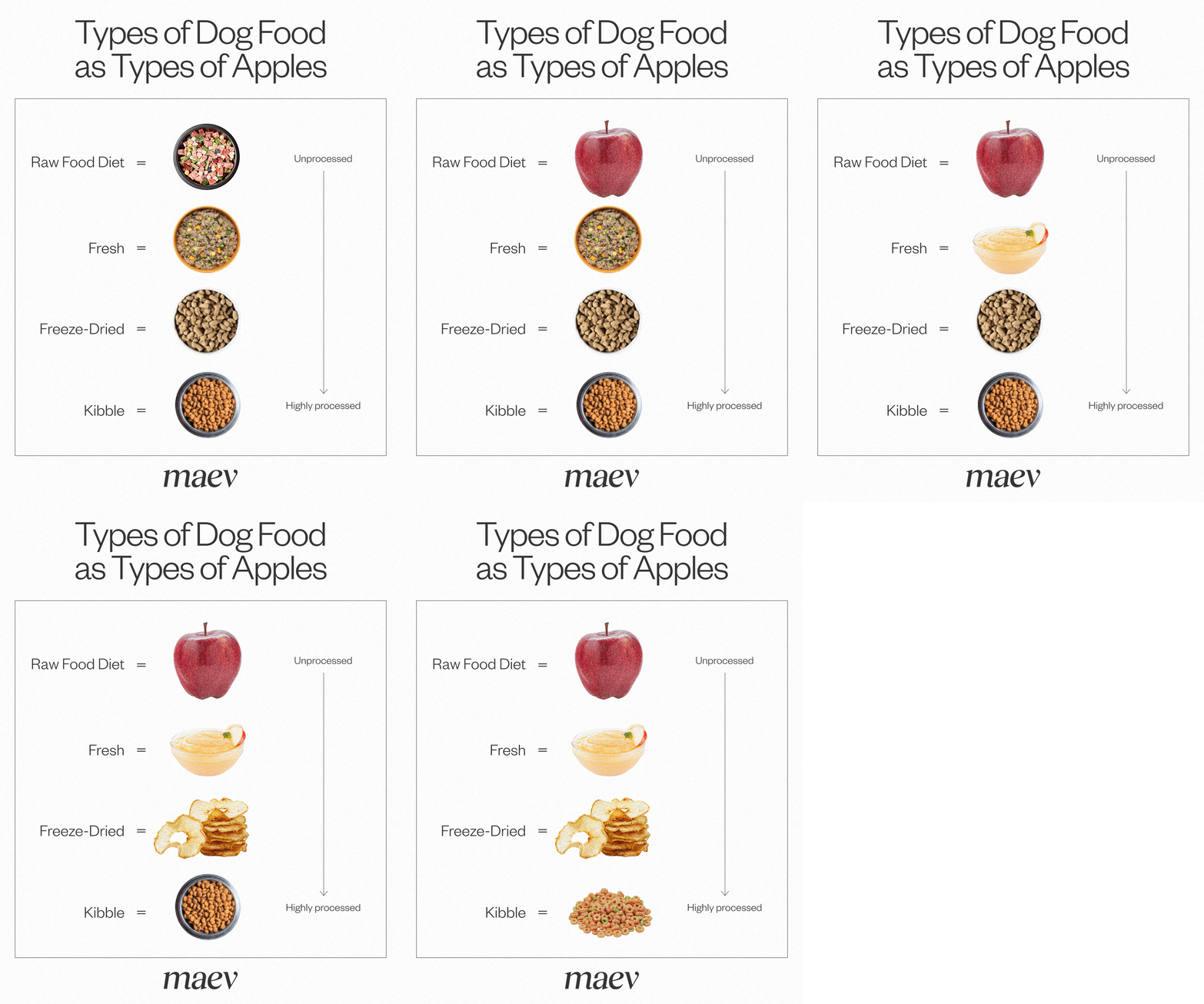
The best diet dog food can be dry, wet, fresh, or a carefully balanced combination. Each type has benefits and limits.
Dry food is convenient, easy to measure, and often less costly. It also stores well. However, it contains little water, so dogs that drink poorly may benefit from added moisture.
Wet food contains more water and may help dogs that need a softer texture. It can be useful for dogs with dental pain or low appetite. It usually costs more per calorie and spoils faster after opening.
Fresh or refrigerated food may be appealing and highly palatable. Still, “fresh” does not automatically mean nutritionally complete. Check for a complete and balanced statement and follow safe storage instructions.
Home-cooked diets can work, but random recipes from the internet often lack key nutrients. If you want to cook for your dog, use a recipe created or reviewed by a board-certified veterinary nutritionist.

How Much Dog Food Should You Feed?
The feeding chart on a bag is a starting point, not a perfect prescription. Two dogs of the same weight may need very different calorie amounts. A young, active dog may need much more energy than a calm, neutered adult.
Measure food in grams when possible. A measuring cup is better than guessing, but a kitchen scale is more accurate because kibble sizes and shapes vary.
Use this simple process:
- Start with the food maker’s recommended amount.
- Divide the daily amount into two or more meals.
- Keep treats below about 10% of daily calories.
- Check your dog’s body shape every week.
- Adjust portions slowly if weight changes too fast or not at all.
A healthy dog should have ribs that are easy to feel under a thin layer of fat. The waist should be visible from above, and the belly should tuck upward when viewed from the side. Your veterinarian can score body condition more accurately.
One common mistake is free-feeding. Leaving food out all day makes it difficult to track calories and can encourage overeating. Scheduled meals work better for many dogs.

Prescription Diets and Medical Conditions
Some dogs need more than ordinary diet food. Prescription diets may help manage kidney disease, urinary stones, diabetes, food allergies, digestive disease, or severe obesity.
These diets are formulated around specific medical goals. For example, a urinary diet may change mineral levels and urine concentration. A kidney diet may control phosphorus and provide carefully selected protein. A gastrointestinal diet may use highly digestible ingredients and moderate fat.
Do not switch to a prescription diet without veterinary advice. Feeding the wrong therapeutic diet may delay treatment or worsen a condition.
Contact a veterinarian if your dog has:
- Repeated vomiting or diarrhea
- Sudden weight loss or weight gain
- Increased thirst or urination
- Loss of appetite
- Itchy skin, ear infections, or chronic paw licking
- Blood in the stool or urine
- Trouble chewing or swallowing
Food allergies require special testing through a strict elimination diet. Blood and saliva tests sold for food allergies are not considered reliable diagnostic tools.

How to Change Your Dog’s Food Safely
Even the best diet dog food can cause stomach upset if you introduce it too quickly. Most dogs do better with a gradual change over about seven days.
Try this schedule:
- Days 1 and 2: Feed 75% old food and 25% new food.
- Days 3 and 4: Feed 50% old food and 50% new food.
- Days 5 and 6: Feed 25% old food and 75% new food.
- Day 7: Feed 100% new food.
Sensitive dogs may need a slower change over two weeks. Watch for loose stool, vomiting, gas, itching, or refusal to eat. Mild changes may settle, but ongoing or severe signs need veterinary care.
Store dry food in its original bag inside a cool, dry container. The original bag helps track the lot number and expiration date if a safety issue occurs. Wash food and water bowls often, and refrigerate opened wet food as directed.
Common Mistakes to Avoid
Many feeding problems come from good intentions. Owners want to show love, so they add treats, supplements, toppers, and table food. Over time, these extras can unbalance the diet or add more calories than expected.
Avoid these common mistakes:
- Choosing food based only on a colorful package
- Switching diets every few days
- Feeding without measuring portions
- Giving human supplements without veterinary approval
- Adding raw meat without understanding infection risks
- Using bones that can break teeth or cause blockages
- Assuming expensive food is always better
- Ignoring a sudden change in appetite or stool
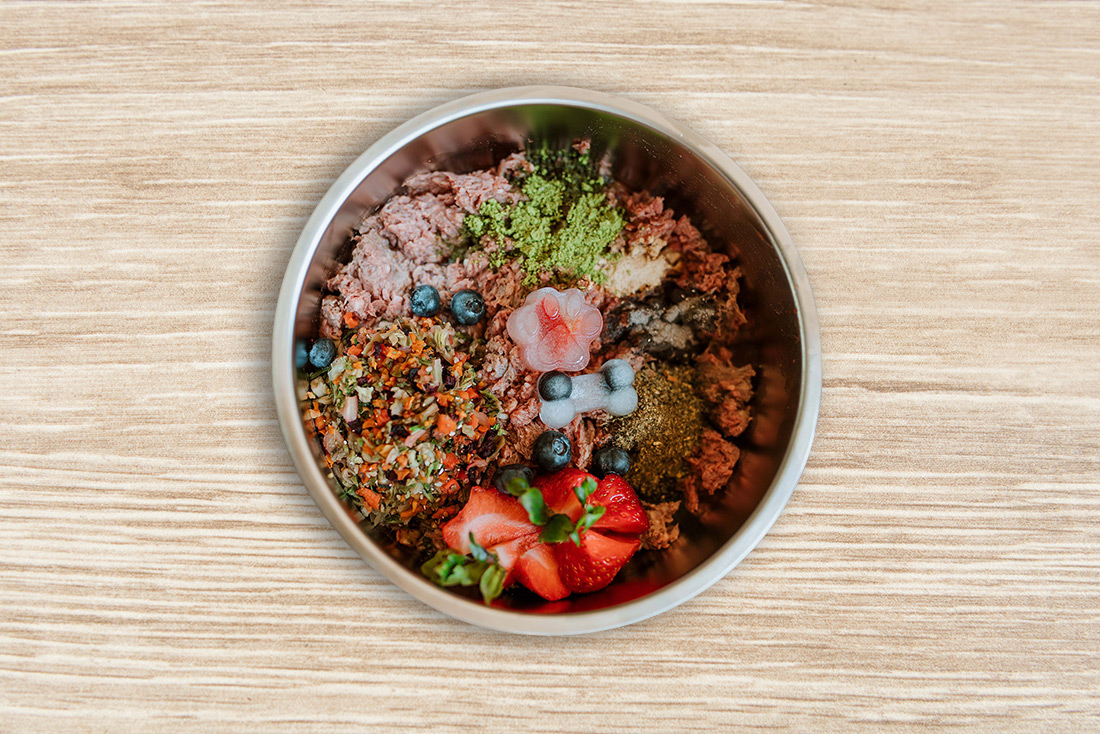
Raw diets also carry food-safety risks for dogs and people. Raw meat may contain bacteria such as Salmonella or Listeria. Puppies, older adults, pregnant people, and anyone with a weak immune system face greater risk from exposure.
Supplements are not always harmless. Vitamin D, calcium, iron, and some herbal products can cause toxicity. A complete and balanced diet usually does not need extra vitamins unless a veterinarian identifies a specific reason.
How to Compare Dog Food Brands
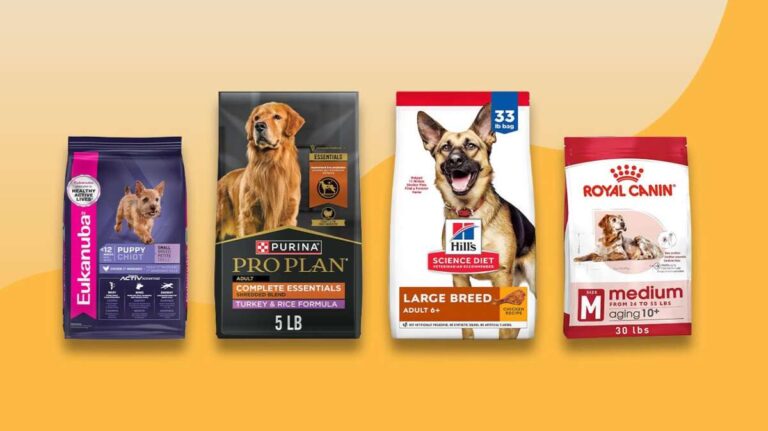
A trustworthy dog food company should be willing to answer practical questions. It should explain who formulates its recipes, where it makes food, and how it tests finished products.
When comparing brands, look for:
- A clear complete and balanced statement
- Nutrition experts involved in recipe design
- Testing of ingredients and finished products
- Lot tracking and recall procedures
- Contact information for consumer questions
- Feeding trials or strong quality-control data
No brand is perfect forever. Manufacturing practices can change, so check the package and company information from time to time.
The best diet dog food is the one your dog eats well, digests well, maintains a healthy body condition on, and can safely eat over time. Your veterinarian’s guidance is especially important when your dog has a chronic disease or takes medication.
Frequently Asked Questions About the Best Diet Dog Food
What is the best diet dog food for most dogs?
For most healthy dogs, the best diet dog food is a complete and balanced formula made for the dog’s life stage. Choose portions based on body condition, activity, and calorie needs rather than package marketing alone.
Is grain-free food better for dogs?
No. Grain-free food is not automatically healthier, and most dogs digest grains well. Use a grain-free formula only when your veterinarian gives you a clear medical reason.
What is the best diet dog food for an overweight dog?
A veterinary weight-management formula is often the safest choice because it controls calories while supplying key nutrients. Portion control, limited treats, exercise, and regular weight checks are also essential.
Can dogs eat homemade food every day?
Dogs can eat homemade food every day only when the recipe is complete and balanced. A veterinary nutrition professional should design or review the recipe to prevent nutrient deficiencies.
How often should I change my dog’s food?
You do not need to change food if your dog is healthy, maintains a good weight, and has normal stools. When a change is needed, transition slowly over about seven days or longer for sensitive dogs.
How do I know if dog food is working?
Good signs include stable weight, healthy skin and coat, firm stools, normal energy, and a steady appetite. Any lasting change in these areas deserves a discussion with your veterinarian.
Conclusion
The best diet dog food is not defined by the highest price or the trendiest ingredient. It is a complete and balanced food that fits your dog’s age, health, activity, calorie needs, and preferences.
Start by checking the nutritional statement, measuring portions, limiting treats, and watching your dog’s body condition. If your dog has weight problems, allergies, digestive symptoms, or a chronic disease, ask your veterinarian for a tailored plan. Use these steps to compare food with confidence, and share your experience or questions in the comments.

Pet Care Writer & Researcher
Daniel writes practical guides on daily care, feeding, and safety, turning complex topics into simple, actionable advice.