Does Wet Dog Food Help With Dry Skin: What To Know
Does wet dog food help with dry skin? Learn how hydration, nutrition, and ingredients may support your dog’s coat and when to see a vet.
Introduction
Wet dog food may help a dog with dry skin, but it is not a cure on its own. Its high water content can support hydration, and some wet foods provide helpful fats, protein, and nutrients for skin health. Still, dry skin can also come from allergies, fleas, infection, low humidity, poor diet, or an illness that needs veterinary care.
For dogs in the United States, the safest first step is to choose a complete and balanced food that meets standards set by the Association of American Feed Control Officials (AAFCO). Then look for the cause of the skin problem rather than assuming that more moisture will solve it.
This guide explains when wet food may help, when it will not, how to choose a suitable food, and when to call a veterinarian.
How wet dog food may help dry skin
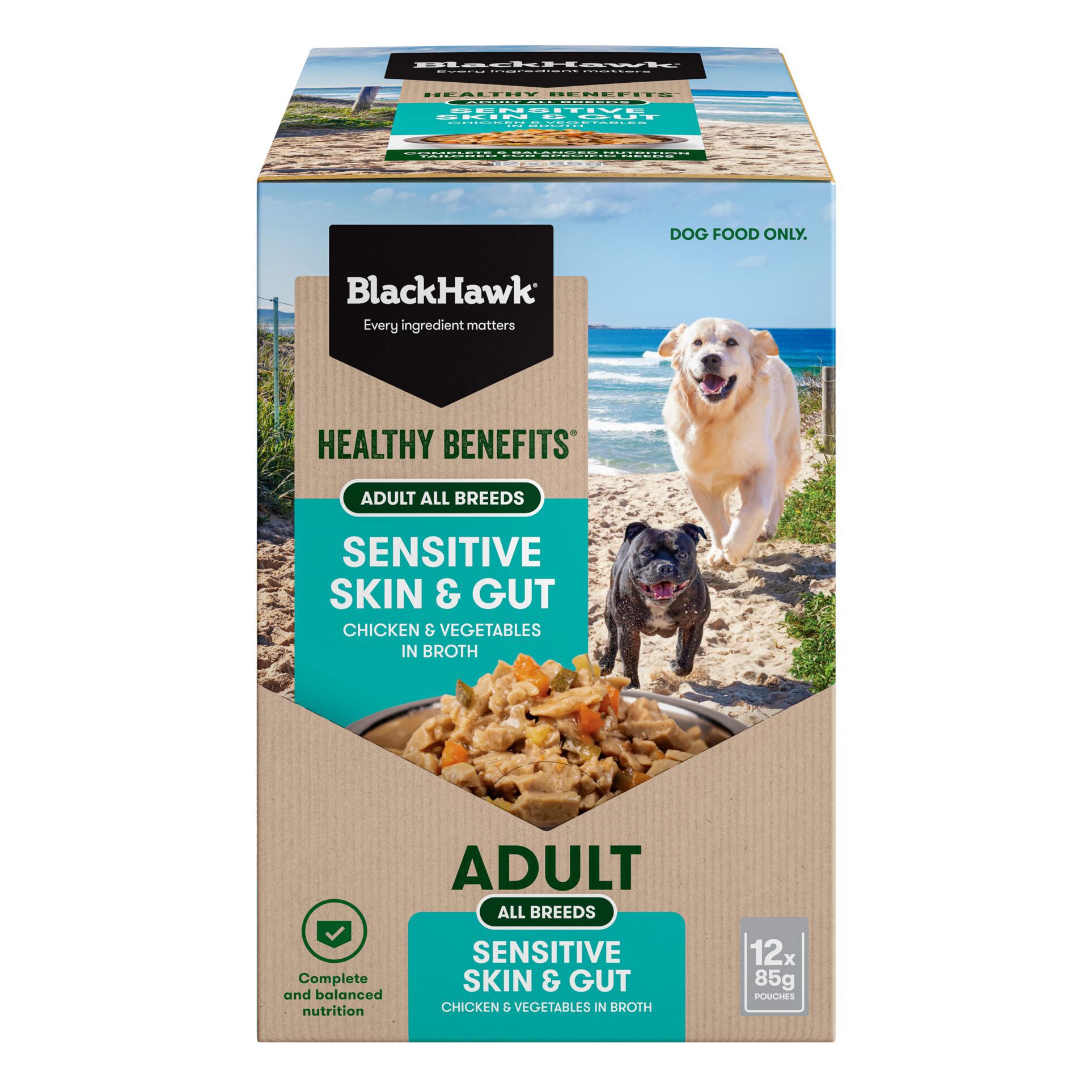
Wet dog food can support skin health in three main ways: it adds water, may supply skin-supporting nutrients, and can help some dogs eat better.
1. It adds water to the diet
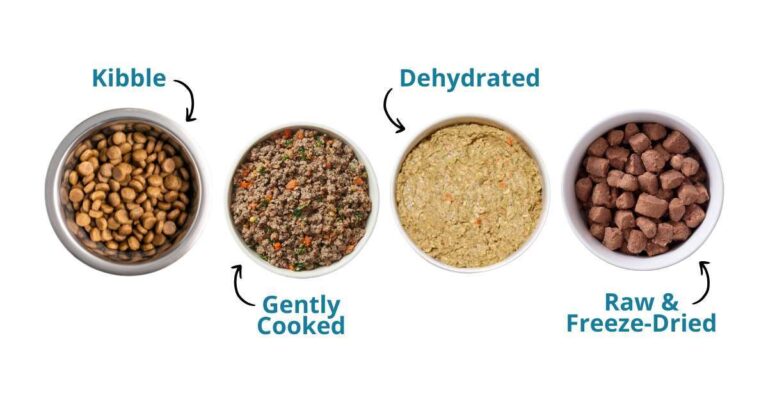
Most canned dog food contains far more water than dry kibble. Many wet foods contain about 70% to 82% moisture, while dry food often contains about 8% to 12%. The exact amount varies by product, so check the label.
More water may help a dog that does not drink much. Good hydration supports normal body function, including the skin. However, drinking more water does not directly repair every skin problem.
A dog with very dry skin may still have normal hydration. Skin flaking alone does not prove that the dog needs more water.
2. It may provide useful fats
Healthy skin needs fat, including essential fatty acids. Omega-3 fats such as EPA and DHA may help support the skin barrier and may reduce some forms of inflammation. Fish oil is a common source.
The benefit depends on the full diet. A food that is wet is not automatically high in omega-3 fats. Check whether the label lists fish, fish oil, or another clear source of these fats.
Do not add fish oil without asking your veterinarian about the dose. Too much can cause stomach upset and may create problems for dogs with certain health conditions or those taking some medicines.
3. It can improve food intake
Some dogs eat wet food more readily than dry food. This may help dogs with poor appetite, dental pain, or reduced interest in food. Better food intake can help a thin or undernourished dog receive the nutrients needed for normal skin and coat growth.
This does not mean wet food is always better. A complete dry diet can also support healthy skin. The key factors are nutrient quality, calorie control, and the reason for the skin problem.
The Merck Veterinary Manual notes that skin disease can have many causes. Food texture alone cannot identify or treat those causes.
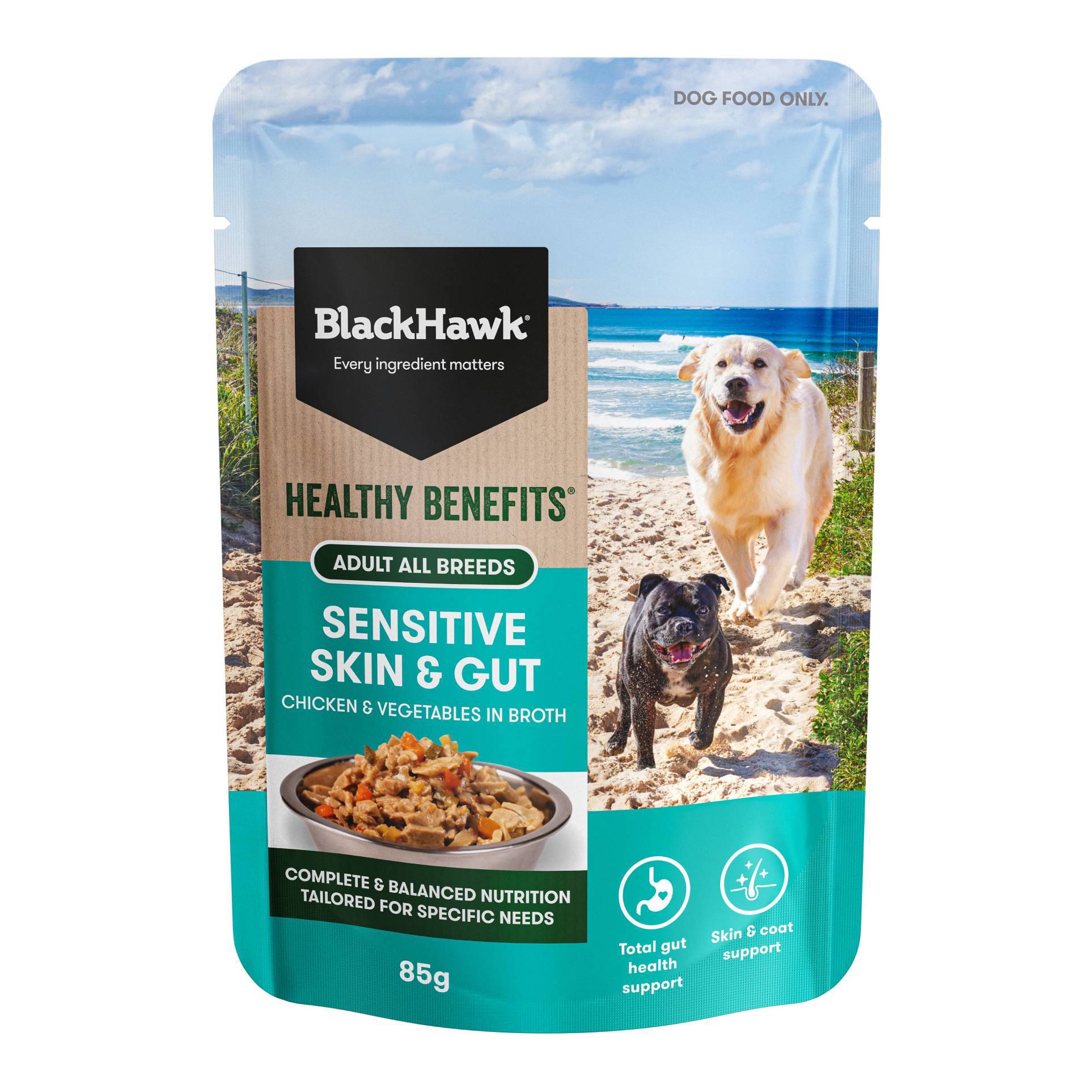
What causes dry skin in dogs?
Dry skin is a symptom, not a diagnosis. Finding the cause matters more than switching from kibble to canned food.
Common causes include:
- Low humidity, especially during cold U.S. winters
- frequent bathing or harsh shampoos
- Fleas or other parasites
- Environmental allergies
- Food allergies
- Bacterial or yeast infections
- Poor nutrition or an unbalanced diet
- Dehydration
- Hormone problems, such as hypothyroidism
- Some immune disorders
- Age-related skin changes
A dog with mild flakes after a dry winter may improve with better grooming and more moisture in the air. A dog with intense itching, hair loss, odor, or red skin needs a different approach.
Dry skin versus an allergy
Dry skin often causes small flakes and mild itchiness. Allergies may cause stronger itching, chewing, licking, red skin, ear infections, or repeated paw licking.
Food allergies are possible, but they are less common than many owners expect. A true food allergy usually requires a structured elimination diet under veterinary guidance. Simply changing to a random “sensitive skin” food may not provide a clear answer.
Dry skin versus infection
A skin infection may cause:
- A strong odor
- Greasy or thick skin
- Red bumps
- Crusts or open sores
- Darkened skin
- Wet or painful areas
- Sudden worsening
Wet food will not treat a bacterial or yeast infection. Your veterinarian may need to examine skin samples and prescribe treatment.
Dry skin versus dehydration
Dehydration can occur with vomiting, diarrhea, heat exposure, kidney disease, diabetes, or poor water intake. Signs may include weakness, dry or sticky gums, sunken eyes, and reduced urination.
Do not rely on canned food alone if you suspect dehydration. Contact a veterinarian promptly, especially if your dog is weak, vomiting, or not drinking.

How to use wet dog food for a dog with dry skin
If your dog is otherwise well, you can try a careful food change. Move slowly and track the result.
Step 1: Check the current diet
Read the label for a statement such as:
“Complete and balanced nutrition for maintenance of adult dogs”
Puppies, pregnant dogs, and nursing dogs need different nutrient profiles. A food made only for supplemental or intermittent feeding should not become the main diet unless your veterinarian gives specific instructions.
The FDA explains that “complete and balanced” claims must meet defined nutrient standards or pass feeding trials under AAFCO rules. You can read more in the FDA guide to pet food labels.
Step 2: Compare moisture and calories
Wet food contains water, so you must compare calories rather than cups. One cup of canned food may contain far fewer calories than one cup of kibble.
Use the calorie statement on each label. It may appear as kilocalories per can, tray, or kilogram. Your dog’s daily amount depends on body size, age, activity, health, and the food’s calorie density.
A sudden switch can cause diarrhea. Change the food over about seven days unless your veterinarian recommends another plan:
| Day | Old food | New food |
|---|---|---|
| 1–2 | 75% | 25% |
| 3–4 | 50% | 50% |
| 5–6 | 25% | 75% |
| 7 | 0% | 100% |
If vomiting or ongoing diarrhea develops, stop the change and call your veterinarian.
Step 3: Keep fresh water available
Even if your dog eats wet food, provide clean water at all times. Wash the bowl often. Some dogs drink more from a wide bowl, a second bowl, or a circulating water fountain.
Do not force water into a dog’s mouth. That can cause choking or aspiration.
Step 4: Watch the skin and coat
Take a photo before changing the diet. Then watch for:
- Less scratching
- Fewer flakes
- Less paw licking
- Softer coat
- Less redness
- Normal appetite and stool
Skin changes can take time. A few days may show better hydration or appetite, but a chronic skin condition may need weeks of proper treatment.
A food change that produces no improvement does not prove that wet food is harmful. It may simply mean that food moisture was not the main issue.

Can wet food help dogs with food allergies?
Wet food may help only when it is part of a properly managed diet trial. It does not help a food allergy merely because it comes in a can.
A veterinary elimination trial often uses a novel protein or hydrolyzed protein diet. A hydrolyzed protein has been broken into smaller parts that may be less likely to trigger an immune response. During the trial, the dog must eat only the prescribed diet unless the veterinarian says otherwise.
Treats, table scraps, flavored medicines, dental chews, and shared pet food can ruin the trial. Even small amounts may make the result hard to interpret.
Do not diagnose a food allergy with a home blood or saliva test alone. The American College of Veterinary Dermatology explains that controlled diet trials are central to evaluating food-related skin disease.
If your dog has hives, facial swelling, trouble breathing, collapse, or repeated vomiting after eating, seek emergency veterinary care.

How to choose wet food for dry skin
Choose food based on nutrition, safety, and your dog’s needs—not on the words “skin,” “coat,” or “natural” alone.
Look for a complete and balanced statement
The main diet should be complete and balanced for your dog’s life stage. Avoid making a food labeled “topper,” “supplement,” or “intermittent feeding” the main meal unless a veterinarian has planned the diet.
Check the protein source
If you suspect food allergy, a regular food with several proteins may make testing harder. Ask your veterinarian whether a novel-protein or hydrolyzed diet is appropriate.
If food allergy is not suspected, a familiar protein may be fine. There is no universal protein that prevents dry skin.
Look for a clear fat source
Fish, fish oil, and some plant oils can provide fatty acids. Plant-based omega-3 alpha-linolenic acid is not the same as EPA and DHA, and dogs may convert only a limited amount.
The label may not show the exact EPA and DHA amount. If those amounts matter for your dog, ask the manufacturer for a nutrient profile or ask your veterinarian about a tested supplement.
Match the food to medical needs
A dog with kidney disease, pancreatitis, obesity, diabetes, or another condition may need a specific diet. High fat is not suitable for every dog, even if fat can support the skin.
Your veterinarian can help balance skin goals with calorie, protein, and fat needs.
Avoid judging food by ingredient lists alone
An ingredient list can show what is included, but it does not prove how well a food meets every nutrient need. Look at the nutrition adequacy statement, feeding directions, calorie content, and manufacturer information together.
A simple decision guide
| Your dog’s situation | Is wet food worth trying? | Better next step |
|---|---|---|
| Mild flakes, normal appetite, no wounds | Possibly | Try a complete diet, gentle grooming, and better humidity |
| Low water intake | Possibly | Add wet food or water only if calories remain controlled |
| Severe itching or ear problems | Not as the only treatment | Arrange a veterinary exam |
| Suspected food allergy | Only with a planned diet trial | Ask about a novel or hydrolyzed diet |
| Vomiting, diarrhea, weakness, or poor drinking | Not as home treatment | Contact a veterinarian promptly |
| Obesity or pancreatitis | Only with professional guidance | Choose a diet that fits the medical plan |

Common mistakes when treating dry skin with food
Several well-meant changes can make the problem worse or delay treatment.
Switching food too fast
A fast change may cause diarrhea. It can also make you blame the new food when the real issue is a sudden diet change.
Adding several supplements at once
If you add fish oil, skin chews, a new food, and a new shampoo together, you may not know what helped or caused a reaction. Change one major factor at a time when possible.
Using human skin products
Human lotions, essential oils, and medicated creams may irritate dogs or be unsafe when swallowed. Dogs often lick products from their coat.
Use only products made for dogs, and ask your veterinarian about medicated shampoos.
Overbathing
Frequent bathing can remove skin oils and worsen flaking. Use a mild dog shampoo and follow veterinary advice for bathing frequency. Rinse well.
Ignoring parasites
Fleas may be present even when you do not see them. Some dogs have intense reactions to only a few bites. Keep flea prevention current and ask your veterinarian which product fits your dog.
Giving too many calories
Wet food can look like a small portion but still add many calories when mixed with regular kibble. Count all meals, treats, toppers, and supplements.

When should you call a veterinarian?
Call your veterinarian if dry skin lasts more than a short period, keeps returning, or comes with other symptoms.
Arrange an appointment for:
- Persistent or severe itching
- Hair loss
- Red, painful, or thickened skin
- Open sores, scabs, or pus
- Strong skin or ear odor
- Repeated ear infections
- Constant paw licking
- Weight loss or poor appetite
- Increased thirst or urination
- Vomiting or diarrhea
- A puppy, senior dog, or dog with a chronic illness
Seek urgent care for trouble breathing, facial swelling, collapse, severe weakness, or widespread hives.
A veterinarian may check for fleas, mites, infection, allergies, nutritional problems, and internal disease. Tests may include skin cytology, skin scrapings, blood work, or a supervised diet trial.

Frequently asked questions
Is wet food better than dry food for a dog’s coat?
Not automatically. Both wet and dry foods can support a healthy coat when they are complete, balanced, and appropriate for the dog. Wet food has more water, while the value of either type depends on its nutrients and the dog’s health.
How long does it take for wet food to help dry skin?
Some dogs may show better appetite or stool quality within days. Skin and coat changes often take longer. If the problem does not improve, or if signs worsen, a veterinarian should look for another cause.
Should I add water to my dog’s kibble?
You can add a small amount of clean water if your dog accepts it, but do not leave moistened food out for long. Discard leftovers and wash the bowl. Adding water will not treat allergies, infection, or parasites.
Does fish-based wet food help dry skin?
It may help if it provides useful omega-3 fats and fits your dog’s nutritional needs. Fish-based food is not a guaranteed treatment, and some dogs may react to specific ingredients. Check the full label and ask your veterinarian if your dog has a medical condition.
Can wet food stop my dog from itching?
Usually not by itself. Itching can come from fleas, allergies, infection, or other disease. Wet food may support overall nutrition, but persistent itching needs a cause-based plan.

Conclusion
Wet dog food can help a dog with dry skin by adding water, improving appetite, and sometimes providing useful fats. Its effect is limited if the real cause is an allergy, parasite, infection, grooming problem, or medical condition.
Choose a complete and balanced food, change diets slowly, control calories, and keep fresh water available. If your dog is very itchy, losing hair, developing sores, or showing other illness signs, schedule a veterinary exam instead of relying on food alone.
The best next step is to check the food’s AAFCO adequacy statement, note your dog’s skin symptoms, and contact your veterinarian if the problem is persistent or severe.

Pet Care Writer & Researcher
Daniel writes practical guides on daily care, feeding, and safety, turning complex topics into simple, actionable advice.