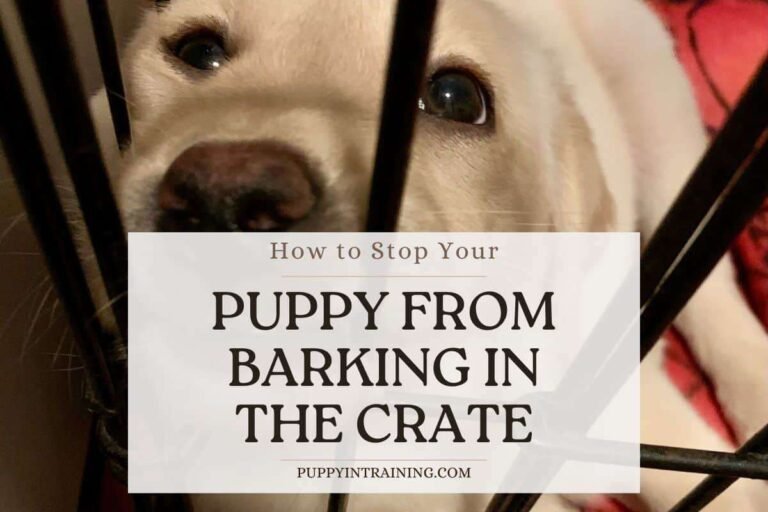
Do Citronella Bark Collars Work: Safety And Results
Do citronella bark collars work? Learn how effective they are, their safety, pros and cons, and whether they’re right for your dog.
Citronella bark collars can reduce barking for some dogs, but they do not work for every dog or solve the reason behind the barking. These collars spray a citronella-scented mist when they detect a bark. The smell may interrupt barking, yet many dogs get used to it, bark for a different reason, or become stressed without learning what to do instead.
For most dogs in the United States, reward-based training is a better first step. A citronella collar may have a limited role for short-term management, but it should not replace exercise, behavior work, veterinary care, or help from a qualified trainer.
This guide explains how citronella bark collars work, what research can and cannot tell us, when they may help, and how to use one with the least risk.

What Is a Citronella Bark Collar?
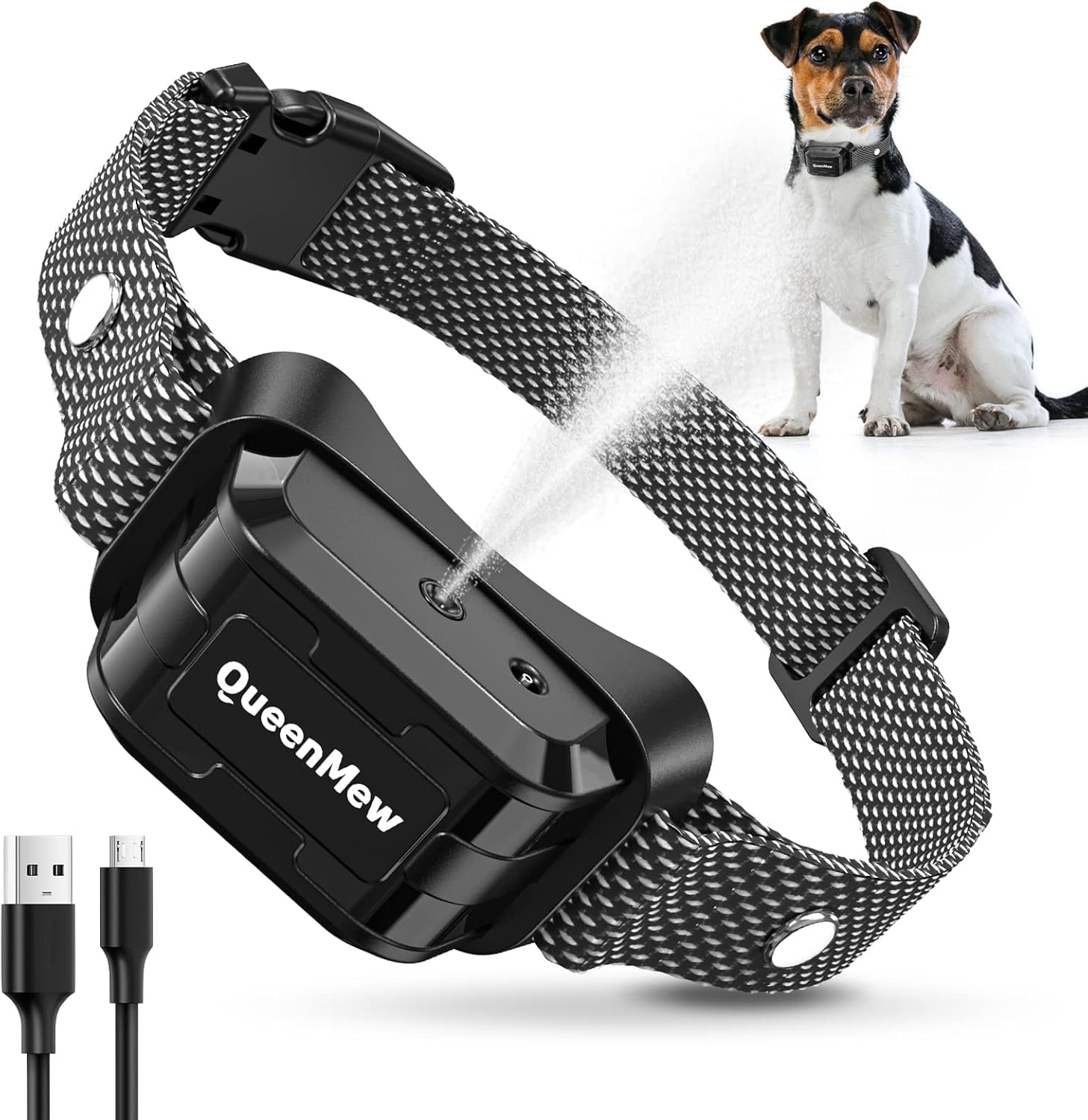
A citronella bark collar is an electronic collar that releases a small spray when its sensor detects barking. The spray often contains citronella or another scented liquid. The sudden sound, mist, or smell is meant to interrupt the bark.
Most models use one or more of these detection methods:
- A microphone that hears barking
- A vibration sensor that detects movement in the dog’s throat
- A combination of sound and vibration
- A built-in system that tries to separate the dog’s bark from nearby noise
The collar does not “understand” why a dog is barking. It only responds to the signal it detects. That creates a key limit: the collar may react to fear barking, alarm barking, demand barking, or barking that has a medical cause in the same way.
Citronella collars are often called spray bark collars or scent bark collars. They are different from shock collars, which deliver an electric stimulus. However, a spray collar is still an aversive tool because it adds something unpleasant to reduce a behavior.
The spray may be harmless to one dog but upsetting to another. A dog may stop barking because it finds the odor startling, confusing, or unpleasant. That is not the same as learning a calm behavior.

So, Do Citronella Bark Collars Work?
They can work as a short-term interruption, but the evidence does not support them as a complete or reliable barking solution.
Some dogs bark less when the spray starts. This effect may be strongest when:
- The barking is mild or habitual
- The dog is not highly anxious
- The collar detects the dog’s bark correctly
- The owner also teaches a quiet behavior
- The collar is used for a short period
- The dog has enough exercise and mental activity
Other dogs may show little change. Some learn to bark through the spray. Some become more anxious, especially when the barking comes from fear, separation distress, territorial concern, or frustration.
Research on citronella collars is limited compared with the large number of products sold in the United States. Older studies and behavior reports suggest that spray collars can reduce barking in some dogs. But those findings do not prove that every model works well, that the effect lasts, or that the collar improves the cause of the behavior.
The american Veterinary Society of Animal Behavior recommends reward-based methods and advises against relying on aversive training tools. Its position is relevant here because a citronella spray is designed to suppress behavior through an unpleasant consequence.
What the collar can establish
A citronella collar may show that the dog can pause or stop barking after the spray. It does not establish that the dog:
- Understands why the spray occurred
- Knows what to do instead
- Feels calm
- Will remain quiet after the collar is removed
- Has overcome the trigger
- Is safe to leave alone with the collar
The practical answer is simple: a citronella collar may reduce noise, but training and management are still needed for lasting change.

How Citronella Bark Collars Work
Citronella collars use a cause-and-effect pattern:
- The dog barks.
- The collar detects the bark.
- The collar releases a spray.
- The dog pauses, moves away, or stops barking.
- The owner may then reward quiet behavior.
The collar is based on interruption and punishment. The dog is less likely to repeat the bark if barking reliably leads to an unpleasant event. This can work in the short term, much like a loud noise can interrupt a conversation.
The problem is that barking has many causes. A dog that barks at people outside may need a quiet place and gradual exposure. A dog that barks when alone may have separation anxiety. A dog that barks at night may be in pain, confused, or reacting to a new sound.
The spray does not identify these causes. It may suppress a warning signal without removing the problem.
Why results vary
Several factors affect whether a citronella bark collar seems to work:
| Factor | What may happen |
|---|---|
| Bark detection | The collar may miss a bark or react to another dog |
| Trigger strength | A mild habit is easier to interrupt than panic |
| Dog temperament | Sensitive dogs may become fearful or avoidant |
| Collar fit | A loose collar may fail to detect barking correctly |
| Spray supply | An empty canister ends the effect |
| Learning history | Dogs that have practiced barking for years may resist change |
| Environment | Noise from neighbors, traffic, or dogs can cause false triggers |
| Owner follow-up | Training gives the dog a useful behavior to replace barking |
A collar that stops barking at the window may not work for barking at squirrels. A device that helps during supervised training may not work when the dog is home alone.

When a Citronella Collar May Help
A citronella collar may be worth considering only in limited situations. The dog should be healthy, the barking should not appear fear-based, and the owner should be able to supervise the process.
It may help as a temporary tool when:
- The dog has a mild, repetitive barking habit
- The trigger is clear
- The collar can detect the dog reliably
- The dog remains relaxed after the spray
- The owner can reward quiet behavior at once
- Other steps, such as blocking window views, are already in place
For example, a dog may bark at people walking past a front window. Closing the blinds, moving the dog away from the window, teaching “quiet,” and rewarding calm behavior may solve much of the problem. A spray collar might provide an extra interruption during supervised practice, but it should not be the main plan.
A collar is less suitable when barking is linked to:
- Separation anxiety
- Fear of people, dogs, cars, or noises
- Aggression or serious reactivity
- Pain or illness
- Compulsive behavior
- Frustration from confinement
- Puppy development
- Cognitive decline in an older dog
In these cases, suppressing barking may increase distress or hide signs that a dog needs help.

When a Citronella Bark Collar Is Not a Good Choice
Do not use a citronella bark collar as a quick fix for a dog that panics, freezes, trembles, lunges, or tries to escape. Those signs suggest that the dog is already struggling. Adding an unpleasant spray may make the trigger more frightening.
Use extra caution with dogs that have:
- Asthma or other breathing problems
- Skin disease or fragrance sensitivity
- A history of fear-related behavior
- Hearing loss or unusual vocal behavior
- A very small neck
- Short, thick, or unusual neck anatomy
- A medical condition that causes restlessness or vocalization
Do not place a collar on a dog and leave it on for long periods without checking the skin and behavior. Follow the exact instructions for the model. Products differ in spray ingredients, sensor design, fit, charging, and recommended use.
A bark collar is also a poor fit for a household where several dogs bark. Some devices can react to another dog’s bark, and the dog wearing the collar may not know why the spray occurred.
If barking began suddenly, arrange a veterinary check before using a bark collar. Sudden vocalization can be related to pain, hearing changes, neurological problems, or other health concerns.

How to Use a Citronella Bark Collar More Safely
If you decide to try a citronella collar, treat it as a supervised training aid rather than an automatic solution.
1. Find the cause of the barking
Write down:
- What happens just before the barking
- Where the dog is
- Who or what triggers it
- How long the barking lasts
- Whether the dog looks relaxed or distressed
- What stops the behavior
A simple log can reveal patterns. Barking at delivery workers calls for a different plan than barking only when left alone.
2. Remove easy triggers
Reduce the dog’s need to bark before putting on the collar. You might:
- Close curtains
- Use frosted window film
- Move furniture away from windows
- Add a white-noise machine
- Bring the dog indoors from a fence line
- Provide a food puzzle
- Increase walks and sniffing time
- Prevent repeated rehearsal of the behavior
Every repeated barking episode can strengthen the habit. Management is not a failure. It gives training a better chance to work.
3. Check the product and fit
Read the manual before use. Check:
- The correct neck size
- The spray ingredients
- Battery or charge status
- Canister level
- Sensor settings
- Cleaning instructions
- Warnings for age, size, or health
- Whether the device reacts to other dogs
The collar should be secure without being tight. You should be able to fit the required number of fingers between the collar and the dog’s neck, based on the manufacturer’s instructions.
4. Pair quiet with a reward
The most useful step is teaching the dog what to do instead.
When the trigger appears:
- Move the dog far enough away to remain calm.
- Wait for a brief pause in barking.
- Say “quiet” once in a calm voice.
- Give a high-value treat.
- Repeat while slowly increasing the quiet period.
At first, reward one or two seconds of silence. Later, build to five, ten, and thirty seconds. Keep sessions short.
If the dog cannot stop barking long enough to eat, the trigger is too strong or the dog is too close. Increase distance and make the exercise easier.
5. Watch the dog’s body language
Stop using the collar if the dog shows:
- Cowering
- Hiding
- Shaking
- Lip licking with tension
- Yawning in stressful settings
- Scratching at the collar
- Sudden avoidance
- Increased reactivity
- Refusal to take food
- Panic or escape attempts
A quiet dog is not always a calm dog. Some dogs stop vocalizing because they feel trapped or afraid. Calm behavior includes a loose body, normal movement, willingness to eat, and recovery after the trigger passes.

Common Problems With Citronella Bark Collars
The collar sprays when another dog barks
This can happen with sound-based devices. Place the collar on the dog only after testing it in a controlled setting. If it reacts to nearby barking, it is not suitable for that environment.
The dog keeps barking through the spray
The trigger may be too strong, or the spray may not bother the dog. Do not keep increasing exposure. Address the trigger, reduce distance, and use reward-based training.
The dog stops barking but becomes nervous
This is a warning sign, not a success. Remove the collar and assess the situation. A veterinary behaviorist or qualified reward-based trainer can help identify a safer plan.
The dog barks more when the collar comes off
The collar may have suppressed the behavior without teaching a replacement. It may also have increased frustration. Return to management and teach quiet behavior without relying on the device.
The collar does not spray
Check the battery, canister, sensor position, and manual. Do not assume the device is working because its light is on. Test it only as the manufacturer permits and never spray it near the dog’s face.
The dog develops a rash
Remove the collar and check the skin. Do not apply human creams unless a veterinarian tells you to do so. Contact a veterinarian if redness, swelling, sores, hair loss, or discomfort continues.

Citronella Collars Compared With Other Bark Solutions
The best option depends on why the dog barks. No collar can replace a behavior plan when the cause is fear, anxiety, or pain.
| Approach | Main benefit | Main limitation |
|---|---|---|
| Reward-based training | Teaches a behavior the dog can use instead | Requires time and regular practice |
| Environmental management | Prevents many barking episodes | May not work for every trigger |
| Citronella spray collar | May interrupt mild barking for some dogs | Can cause stress and may not last |
| Vibration collar | May interrupt behavior without spray | Still aversive and can frighten sensitive dogs |
| Shock collar | May suppress barking | Greater welfare and fear concerns; not a first-line choice |
| Veterinary assessment | Finds medical or anxiety-related causes | Does not replace daily training |
| Professional behavior help | Creates a plan for complex cases | Costs more and may require several sessions |
For most households, start with management and reward-based training. If barking is severe, sudden, or tied to fear, seek professional help before trying an aversive device.

What Works Better Than a Bark Collar?
A practical barking plan has four parts: identify, prevent, teach, and reward.
Identify the trigger
Ask whether the dog barks because of:
- People near the home
- Other animals
- Noise
- Boredom
- Excitement
- Attention seeking
- Frustration
- Fear
- Being left alone
- Pain or illness
The same sound can have different meanings for different dogs.
Prevent rehearsal
Block views, change the dog’s access to the yard, use a leash during high-trigger times, or provide a quiet room. The goal is to reduce the number of times the dog practices barking.
Teach an alternative
Useful alternatives include:
- Go to a mat
- Look at me
- Come away
- Touch my hand
- Find the treats
- Settle
- Quiet
Teach these skills when the dog is calm. It is much harder to teach a new response during a full barking episode.
Reward the behavior you want
Give food, play, access to the yard, or praise when the dog is quiet and relaxed. Reinforcement must happen quickly so the dog can connect the reward with the desired behavior.
Avoid yelling. Many dogs hear yelling as participation in the barking, and fearful dogs may become more distressed.
How Long Does It Take for a Citronella Collar to Work?
A collar may interrupt barking during the first few uses, but that does not show that the behavior is fixed. Lasting improvement depends on the trigger, the dog’s history, the home environment, and the training plan.
A useful measure is not simply “Did the dog bark less today?” Track:
- Number of barking episodes
- Length of each episode
- Distance from the trigger
- Recovery time
- Body language
- Ability to respond to a cue
- Quiet behavior when the collar is not worn
If the dog is quieter but more tense, hides, or reacts more strongly later, the collar is not producing a good result.
Remove the device and change the plan if there is no clear improvement after a short, supervised trial. Do not keep using it for weeks just because the dog has become silent.

Frequently Asked Questions
Are citronella bark collars cruel?
Opinions differ, but the collar is designed to make barking unpleasant. That makes it an aversive tool. Some dogs tolerate it, while others become fearful or stressed. Reward-based training and trigger management are generally safer starting points, especially for anxious or reactive dogs.
Is citronella spray safe for dogs?
A brief spray may not harm every healthy dog, but safety depends on the product, the dog, and the amount of exposure. Avoid the face and eyes. Follow the label, watch for breathing or skin problems, and stop use if the dog shows distress.
Will a citronella collar stop barking permanently?
Usually, you should not expect a permanent result from the collar alone. It may suppress barking while worn, but the dog still needs to learn a different response. Some dogs also become used to the spray over time.
Can I use a citronella collar for separation anxiety?
A citronella collar is not an appropriate treatment for separation anxiety. Barking in this situation comes from distress, not simple disobedience. Ask a veterinarian or qualified behavior professional for a treatment plan.
Is a citronella collar better than a shock collar?
A citronella collar does not use an electric shock, but it is still an aversive device. It may be less intense for some dogs, yet that does not make it suitable for every dog or every cause of barking. Reward-based methods remain the safer first choice.
Should a puppy wear a citronella bark collar?
Avoid using a bark collar as a shortcut for normal puppy vocalization. Puppies need help with sleep, exercise, socialization, house training, and appropriate communication. Check the product’s age and size rules, and speak with a veterinarian or trainer before using any bark-suppression device.

Final Answer: Are Citronella Bark Collars Worth Trying?
Citronella bark collars can reduce barking in some dogs for a short time, but they are not a dependable cure. Their main action is interruption through an unpleasant spray, and they do not address fear, anxiety, boredom, pain, or other causes.
Start by identifying the trigger, reducing exposure, and teaching a quiet alternative with rewards. If the barking is sudden, intense, fear-based, or linked to being alone, contact a veterinarian or qualified reward-based behavior professional before using a collar.
The best next step is to keep a one-week barking log. Record the trigger, the dog’s body language, what you tried, and what happened. That information will help you choose a safer and more effective plan than relying on a spray alone.

Pet Care Writer & Researcher
Daniel writes practical guides on daily care, feeding, and safety, turning complex topics into simple, actionable advice.