Do Vets Recommend Anti Barking Devices: Vet Advice
Do vets recommend anti barking devices? Learn what veterinarians say about safe, humane options for reducing excessive dog barking.
Most vets do not recommend anti barking devices as a first choice; humane training and cause control come first.
The question “do vets recommend anti barking devices” has a careful answer. Veterinary advice usually depends on why the dog barks, the device used, and how it affects the dog’s stress level. A bark collar may stop noise, but it may not solve fear, boredom, pain, or separation anxiety.
After reviewing veterinary behavior guidance and common training outcomes, one point is clear: barking is a form of communication. The best plan finds the cause, teaches a better response, and protects the dog’s welfare. This guide explains when anti barking devices may help, when they may cause harm, and what vets often suggest instead.
Do vets recommend anti barking devices?
Most vets do not recommend anti barking devices as the first solution. They often suggest a veterinary checkup, behavior assessment, and reward-based training before using any bark control tool.
The reason is simple. A device can reduce the sound without changing the emotion behind it. A fearful dog may stop barking but become more anxious. A frustrated dog may stay upset. In some cases, the dog may begin to bark in secret or show other stress signs.
When people ask, “do vets recommend anti barking devices,” they should also ask, “Why is my dog barking?” That second question often leads to a safer and more lasting answer.
Veterinary behavior experts commonly favor methods that:
• Identify the trigger, such as strangers, other dogs, cars, or loud sounds
• Reduce the dog’s exposure to that trigger
• Reward quiet behavior
• Teach a clear cue, such as “quiet” or “settle”
• Meet the dog’s needs for exercise, play, rest, and social contact
• Treat medical or anxiety-related problems when present
A bark control device may be discussed in unusual cases, but it should not replace training or professional care.

Why do dogs bark?
Barking is normal dog behavior. It can alert, greet, warn, express excitement, seek attention, or release stress. The same bark can mean different things in different dogs.
Common reasons include:
• Alert barking at people, animals, or sounds
• Territorial behavior near windows, doors, yards, or fences
• Fear of unfamiliar people, places, or noises
• Separation anxiety when the owner leaves
• Boredom and lack of mental stimulation
• Frustration from being behind a fence or indoors
• Pain, hearing loss, confusion, or other health problems
• Attention seeking that has been rewarded in the past
The bark’s pitch, speed, and body language can offer clues. A stiff body and low growl may show fear or a threat response. A loose body and wagging tail may point to excitement. A dog pacing, drooling, scratching doors, or trying to escape may have anxiety rather than a simple “bad habit.”
In my experience reviewing dog behavior cases, the most common mistake is treating every bark as the same problem. It is like turning off a smoke alarm without checking for smoke. The sound stops, but the cause may remain.
What types of anti barking devices are available?
Anti barking devices use different methods. Their effects and welfare concerns are not the same.
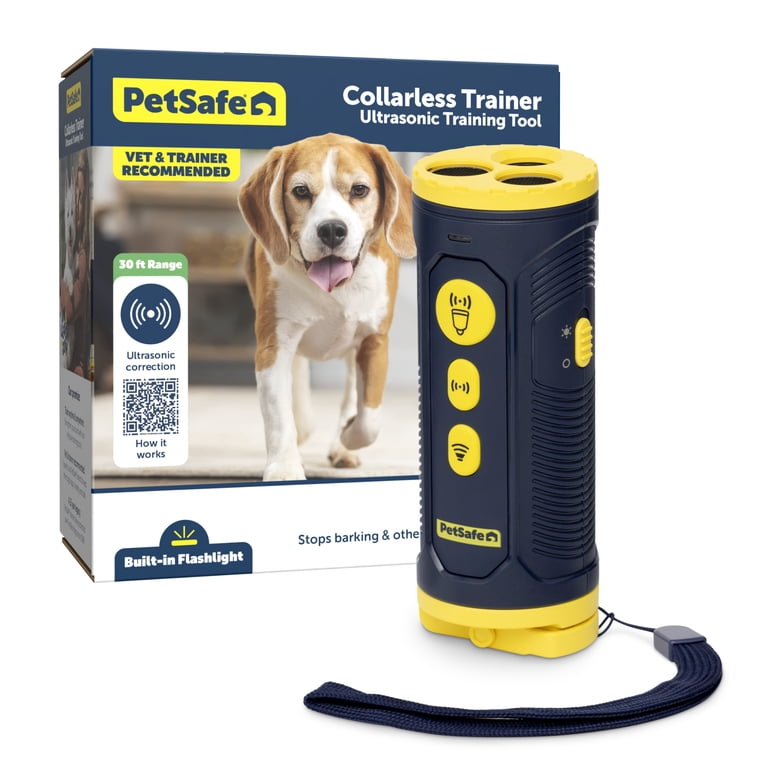
Ultrasonic bark devices
Ultrasonic devices emit a high-pitched sound when they detect barking. People may not hear the tone, but dogs often can.
Some dogs ignore them. Others stop barking for a short time because the sound surprises them. The device does not teach the dog what to do instead, and it may cause fear or confusion in sensitive dogs.
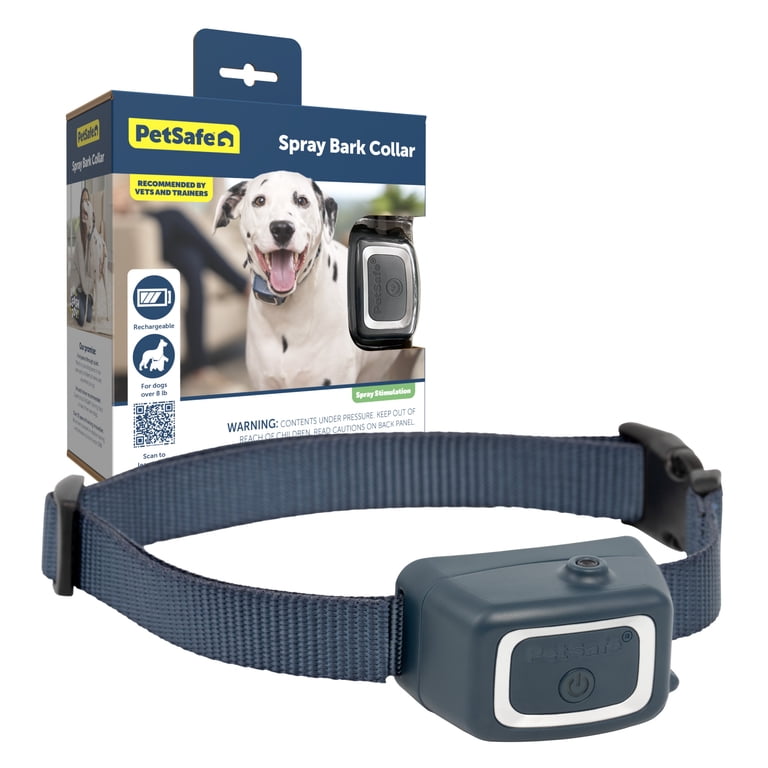
Spray collars
Spray collars release a burst of citronella or another scent near the dog’s face when barking is detected. The scent may interrupt barking, but it can still act as an unpleasant punishment.
Some dogs learn to avoid barking only while wearing the collar. Others become worried when the collar is nearby. The spray may also trigger barking in dogs that dislike sudden sensations.
Vibration collars
Vibration collars use a buzzing sensation. Some have gentle settings, while others deliver strong vibrations.
A vibration is still an aversive stimulus if the dog finds it unpleasant. It may be less intense than an electric shock, but “less intense” does not always mean humane or suitable.
Shock collars
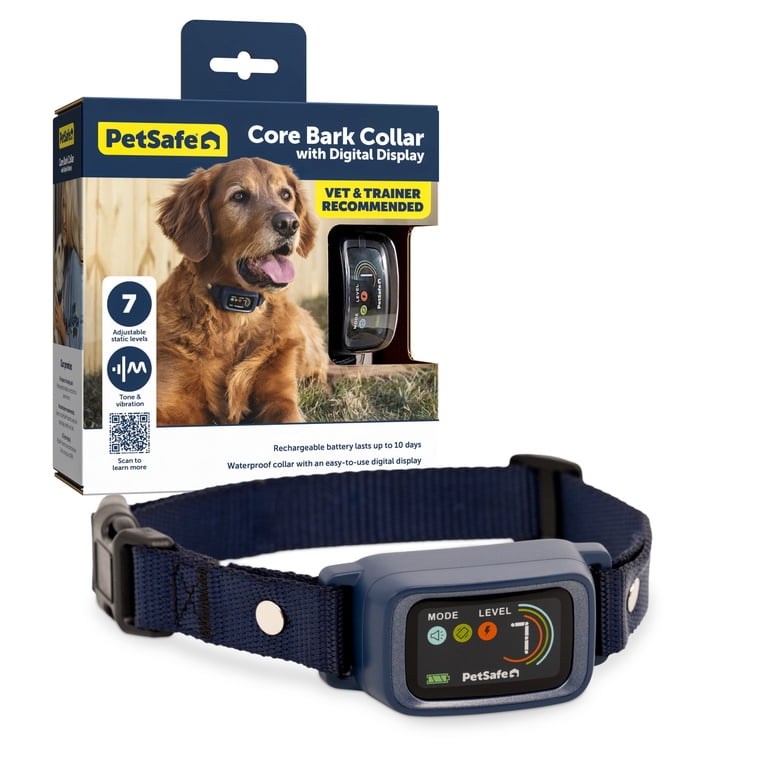
Shock collars deliver an electric stimulus. Many veterinary behavior professionals and animal welfare groups advise against them because they can cause pain, fear, stress, and unwanted associations.
A shock collar may stop a bark in the moment. It may also make the dog associate the shock with a person, child, dog, or sound nearby. That can increase fear or aggression.
Indoor and outdoor automatic devices
Some devices respond to barking from one dog. Others may react to several dogs in the area. False triggers can happen because of loud voices, traffic, another dog, or a sound the owner does not notice.
A device that activates without close supervision may punish the dog at random. This makes learning less clear and may increase distress.

What do vets think about shock and ultrasonic bark collars?
When asking, “do vets recommend anti barking devices,” it is important to separate device types. Veterinary opinions are usually strongest against shock collars and other punishment-based tools.
Animal behavior specialists often recommend reward-based training. Research on dog training has linked punishment-based methods with fear, stress, avoidance, and aggression risks. Reward-based methods can teach the same behavior while building trust.
Ultrasonic devices may seem gentle because they do not touch the dog. However, a sudden sound can still be stressful. A device is not automatically humane simply because a person cannot hear it.
Many vets also worry about poor timing. If the device activates when a child walks past, the dog may connect the unpleasant event with the child. If it activates during a thunderstorm, the dog may become more fearful of storms.
A responsible vet will usually ask:
• What triggers the barking?
• How long has it been happening?
• Does the dog show fear, panic, or aggression?
• Is the barking linked to being alone?
• Are there signs of pain or illness?
• What training has already been tried?
• Can the owner supervise the device at all times?
If these questions are skipped, the device may treat only the visible symptom.
Can anti barking devices harm dogs?
Yes, some anti barking devices can cause physical or emotional harm. The risk depends on the device, the dog, the setting, and how the tool is used.
Possible problems include:
• Increased fear or anxiety
• Confusion about what caused the correction
• Aggression toward people or animals
• Suppressed warning signals
• Escape attempts or panic
• Skin irritation from collars
• Stress caused by repeated false activations
• Barking that returns when the device is removed
Suppressing warning barks can be especially risky. A dog that feels threatened may stop warning but still feel unsafe. The next response could be a snap or bite with less visible warning.
Collars can also cause physical problems if worn too tightly or for long periods. A collar should never be used on a dog that is left alone without close supervision, especially when the dog has a history of panic or destructive behavior.
A practical lesson is to watch the whole dog, not just the noise. Signs of stress may include lip licking, yawning, tucked ears, lowered posture, panting, pacing, hiding, shaking, or sudden changes in appetite.

When might a vet discuss an anti barking device?
In limited situations, a vet may discuss a bark control device as one small part of a larger plan. Even then, the vet should consider the dog’s health, temperament, environment, and training history.
A professional may suggest a carefully managed tool when:
• The dog has no signs of fear or panic
• The owner can supervise its use
• Reward-based training is already in place
• The device is set to the mildest effective level
• The device is not used for separation anxiety
• The dog’s response is monitored closely
• The plan includes a clear way to stop using it
This does not mean vets broadly endorse anti barking devices. It means behavior care must fit the individual dog.
A qualified veterinary behaviorist may recommend environmental changes instead of a device. For example, frosted window film may reduce street barking. White noise may cover hallway sounds. A secure visual barrier may help a dog relax near a fence.
Never use a bark collar to manage a dog that is barking from pain, fear, panic, or isolation. Those causes require treatment, not punishment.

Safer alternatives to anti barking devices
The safest approach starts with management. Prevent the dog from rehearsing the unwanted behavior while teaching a new response.
1. Schedule a veterinary exam
Sudden or unusual barking may signal pain, hearing changes, cognitive decline, or another medical issue. A vet can check for health problems before behavior training begins.
2. Track the barking
Write down:
• What happens before the bark
• Where the dog is
• Who or what is nearby
• How long the barking lasts
• What makes it stop
• How the dog acts afterward
This simple record can reveal a pattern. A dog that barks at the window may need visual blocking. A dog that barks only when alone may need separation anxiety support.
3. Reduce the trigger
Close curtains, move furniture away from windows, use a baby gate, or create a quiet rest area. Outside, use secure fencing and avoid leaving the dog in a busy area for long periods.
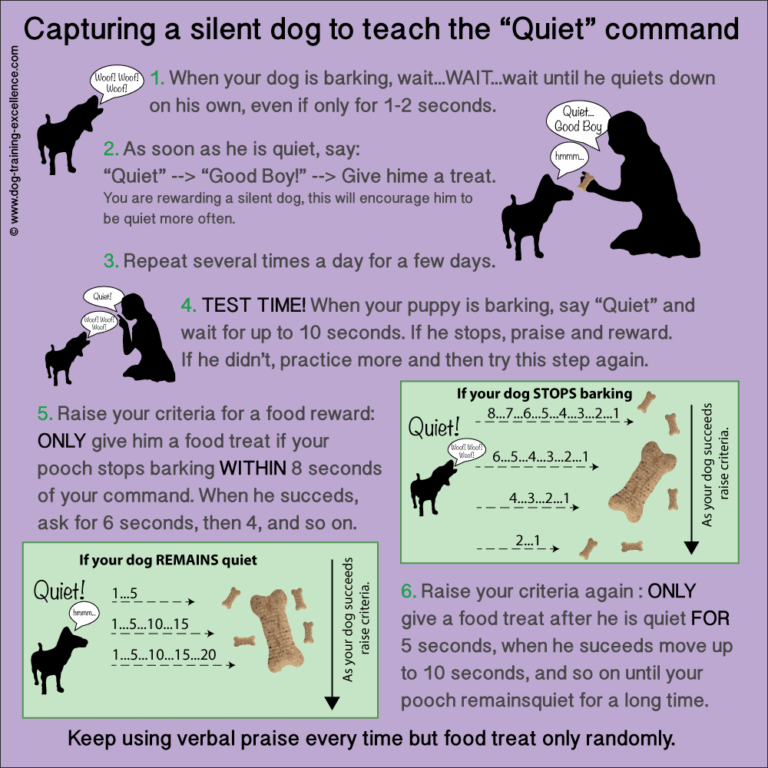
4. Reward quiet behavior
Wait for a brief pause, then calmly offer a treat. Over time, reward longer pauses. The dog learns that quiet behavior brings good results.
Do not yell “quiet” over repeated barking. Many dogs hear yelling as more barking from their human. Calm timing works better.
5. Teach an alternative behavior
Teach the dog to go to a mat, look at you, sit, or touch your hand when a trigger appears. Practice first in a calm room, then slowly add distractions.
6. Add exercise and mental work
Daily walks, sniffing games, food puzzles, short training sessions, and safe play can reduce boredom. Exercise alone will not cure anxiety, but it can support a calmer routine.
7. Get professional help
A certified positive-reinforcement trainer or veterinary behaviorist can create a plan. Choose someone who explains methods clearly and does not promise instant results.
In practical behavior work, progress is rarely a straight line. A dog may improve for a week, then bark during a storm or after a change at home. That does not mean the plan failed. It means the dog needs support through the new trigger.

How to choose a humane bark control plan
Before buying anti barking devices, use this checklist:
-
Have I identified the reason for the barking?
-
Has a vet checked for pain or illness?
-
Does my dog show fear, panic, or aggression?
-
Can I manage the trigger without punishment?
-
Will I be present to monitor the dog?
-
Does the plan teach a replacement behavior?
-
Can the device affect other dogs in the home?
-
What will I do if the barking worsens?
Avoid products that promise to stop barking instantly. Behavior change takes time because the dog must learn a new emotional and physical response.
Be careful with online reviews, too. A product may appear successful because it stops sound for a short period. That review may not mention hidden stress, barking when the collar is removed, or a new behavior problem.
A good plan should make the dog safer and calmer, not merely quieter.

Frequently Asked Questions About Do Vets Recommend Anti Barking Devices
Do vets recommend anti barking devices for every dog?
No. Vets usually assess the cause of barking before suggesting any tool. Reward-based training and environmental changes are often preferred, especially for fearful, anxious, or aggressive dogs.
Do vets recommend ultrasonic anti barking devices?
Some vets may discuss them, but ultrasonic devices are not a universal recommendation. They can startle or stress sensitive dogs and do not teach the dog why quiet behavior is useful.
Are shock collars safe for stopping barking?
Many veterinary behavior experts advise against shock collars because they can cause pain, fear, stress, and aggressive responses. They may suppress warning signs without resolving the reason for barking.
Can a bark collar help with separation anxiety?
A bark collar is not a suitable treatment for separation anxiety. The dog needs a behavior plan that builds comfort when alone, often with help from a vet or veterinary behaviorist.
What should I do if my dog barks at everything?
Start by recording the triggers and arranging a veterinary checkup. Reduce the triggers, reward calm behavior, and seek help from a qualified reward-based trainer if the problem continues.
Will my dog stop barking when I remove the device?
The barking may return if the device did not teach another response. Long-term improvement usually comes from changing the trigger, meeting the dog’s needs, and reinforcing calm behavior.
Are citronella spray collars humane?
Citronella collars may be less severe than shock collars, but they still use an unpleasant surprise to interrupt behavior. They may cause stress and are not a complete solution for fear, anxiety, or frustration barking.
Conclusion
So, do vets recommend anti barking devices? Usually, not as the first choice. Most veterinary guidance favors finding the cause, checking for health issues, managing triggers, and using reward-based training.
Some devices may be discussed in carefully supervised cases, but shock collars and unsupervised bark control tools carry meaningful risks. A quieter dog is not always a calmer dog.
Start with a vet visit, a barking journal, and simple changes to your dog’s environment. Then teach and reward the behavior you want to see. Explore trusted training resources or speak with a qualified professional, and share your experience with other dog owners who are working through the same challenge.

Pet Care Writer & Researcher
Daniel writes practical guides on daily care, feeding, and safety, turning complex topics into simple, actionable advice.