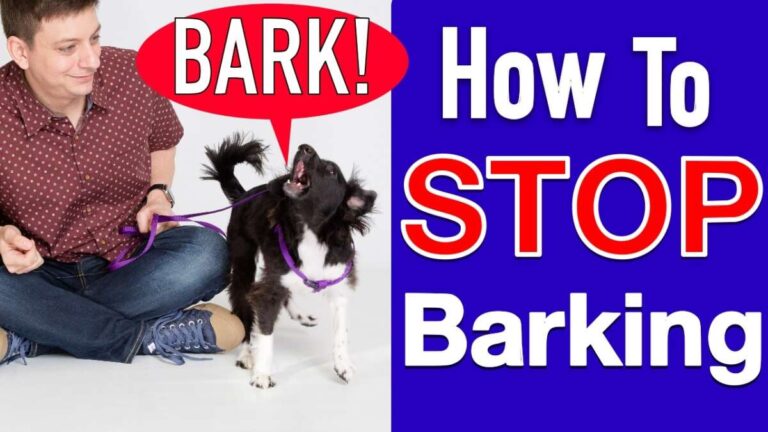
Can A Dog Bark With A Muzzle On: What To Know
Can a dog bark with a muzzle on? Learn how different muzzles affect barking, breathing, comfort, and safe use for your dog.
Yes, a dog can bark with a muzzle on, although the sound may be quieter or slightly muffled.
Many dog owners ask, “Can a dog bark with a muzzle on?” The answer depends on the muzzle’s design, fit, and purpose. A well-fitted basket muzzle usually lets a dog bark, pant, drink, and take treats. A tight fabric muzzle may limit these vital actions and can become unsafe. This guide explains how muzzles work, which types are safest, and how to use one with care.
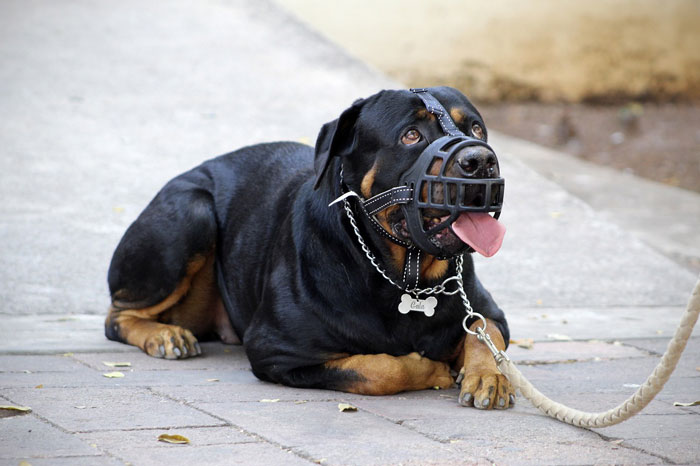
Can a dog bark with a muzzle on?
Yes, most dogs can bark while wearing a properly fitted muzzle. A muzzle covers the mouth area, but it does not always stop the throat and vocal cords from working. The dog may still open its mouth enough to make a bark, especially with a basket-style muzzle.
The bark may sound softer, duller, or more distant. Some dogs can also whine, growl, or howl while muzzled. A muzzle is not a reliable tool for stopping noise.
How much a dog can bark depends on several factors:
• The muzzle’s shape and material
• How tightly it fits
• Whether the dog can open its jaw
• The dog’s breed and head shape
• The dog’s stress level
• The reason the dog is barking
A dog that barks from fear may continue barking with a muzzle on. The muzzle may change the sound, but it does not remove the fear or excitement behind the behavior.
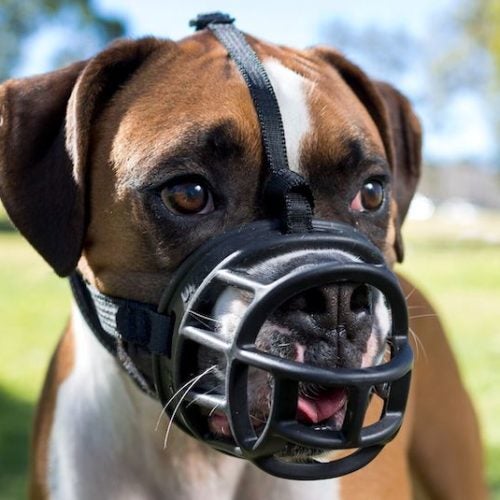
How different muzzle types affect barking
Not all muzzles work in the same way. Choosing the right style matters for both sound and safety.
Basket muzzles
Basket muzzles are made from plastic, rubber, coated wire, or similar materials. They form a cage around the dog’s mouth and leave open space at the front.
A good basket muzzle usually allows a dog to:
• Bark
• Pant
• Drink water
• Take small treats
• Open its mouth
• Breathe more freely
For many situations, a basket muzzle is the safest choice. It gives the dog room to cool itself through panting. This is especially important during walks, warm weather, training, or stressful events.
The dog may still bark with a basket muzzle. The cage can slightly change the sound, but it should not press against the nose or prevent normal jaw movement.
Soft fabric muzzles
Soft muzzles are often made from nylon, mesh, or cloth. They hold the dog’s mouth mostly closed.
A dog may still make a small sound through a soft muzzle, but barking is often reduced. More importantly, the dog may not be able to pant, drink, vomit, or cool itself properly.
Soft muzzles should only be used for very short periods and under close supervision. They are not suitable for running, hot weather, long walks, or situations where the dog may become distressed.
Grooming and veterinary muzzles
Some narrow muzzles are designed for short procedures, such as nail trims or quick veterinary checks. They may restrict the mouth more than a basket muzzle.
These muzzles can reduce barking, but they are not meant for extended wear. Follow your veterinarian’s instructions and remove the muzzle as soon as the brief procedure ends.

Why do dogs bark while wearing a muzzle?
Barking is a form of communication. A muzzle does not erase a dog’s emotions, instincts, or needs.
A dog may bark through a muzzle because it feels:
• Afraid of a person, dog, or new place
• Excited by movement or play
• Frustrated by being restrained
• Protective of its home or owner
• Overwhelmed by noise or crowds
• Uncomfortable with the muzzle itself
Some dogs bark more when first wearing a muzzle. They may paw at it, shake their head, or try to rub it against furniture. This reaction often shows that the dog needs slower training, not a tighter muzzle.
Think of a muzzle as a safety barrier, not a mute button. It can help prevent biting or eating unsafe items, but it does not address the cause of barking.
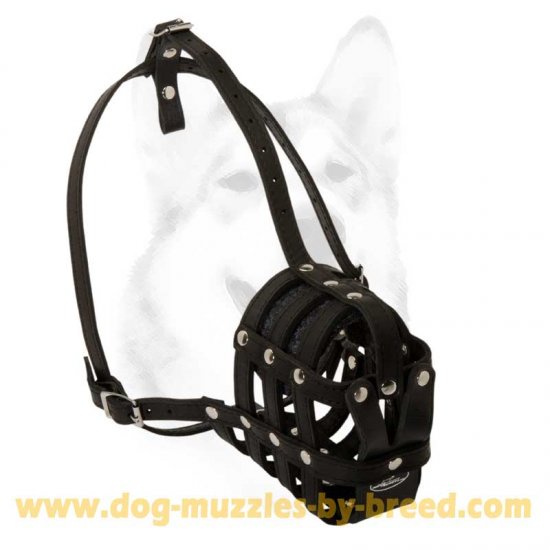
Can a muzzle stop a dog from barking?
A muzzle may reduce the volume of a bark, but it should not be used as a main method to stop barking. A dog that cannot bark normally may still feel stress, and the stress may appear in other ways.
A muzzle cannot teach a dog:
• When barking is appropriate
• How to feel safe around triggers
• How to greet people calmly
• How to cope with frustration
• How to respond to a cue such as “quiet”
Reward-based training is usually a better long-term approach. A qualified trainer or veterinary behaviorist can help identify the trigger and build a safe plan.
Never tie a dog’s mouth shut with tape, rope, elastic, or improvised equipment. This can cause injury, panic, overheating, and breathing problems.

Is it safe for a dog to bark with a muzzle on?
It can be safe when the muzzle allows normal breathing, panting, and jaw movement. The dog must also wear it for an appropriate length of time and remain under supervision.
A basket muzzle is generally safer for longer use than a tight fabric muzzle. Still, the word “basket” does not guarantee a good fit. A poorly fitted basket muzzle can rub the nose, pinch the cheeks, or limit panting.
Remove the muzzle and seek veterinary help if you notice:
• Heavy or difficult breathing
• Pale, blue, gray, or very red gums
• Weakness, collapse, or confusion
• Repeated pawing at the muzzle
• Bleeding or rubbed skin
• Vomiting or signs of nausea
Heat is a major concern. Dogs cool themselves mainly through panting, so a muzzle that prevents panting can become dangerous quickly. Veterinary and animal welfare guidance consistently warns against leaving a dog unattended in a restrictive muzzle, especially in warm conditions.

How to tell if a muzzle fits correctly
A muzzle should be secure without squeezing the dog. Your dog should be able to open its mouth, pant, and move its tongue comfortably when using a basket muzzle.
Check these points:
• The nose should not press against the front of the muzzle.
• The straps should not cut into the skin.
• You should be able to place a finger beneath each strap.
• The dog should have room to pant with its mouth open.
• The muzzle should not touch the eyes.
• The dog should be able to take small treats.
• The dog should not be able to pull the muzzle off easily.
Measure your dog’s snout according to the manufacturer’s directions. Snout length, snout circumference, and head shape all matter. A muzzle that fits a Greyhound may not fit a Pug, Bulldog, or Boxer.
Short-nosed breeds need special care. Their facial structure can make breathing harder, and some muzzle designs may be unsafe. Ask a veterinarian before using a muzzle on a brachycephalic dog.
How to train a dog to wear a muzzle
Do not put a muzzle on for the first time right before a stressful event. The dog may connect the muzzle with fear and resist it in the future.
Use gradual, reward-based training:
-
Let your dog look at the muzzle from a safe distance.
-
Give a treat when your dog stays calm near it.
-
Place a treat inside the basket and let your dog reach in voluntarily.
-
Repeat until your dog willingly puts its nose inside.
-
Touch the straps briefly, then give a reward.
-
Fasten the muzzle for one or two seconds.
-
Remove it and reward calm behavior.
-
Slowly increase the wearing time indoors.
-
Practice walking in a quiet area.
-
Add mild distractions only when your dog remains relaxed.
Watch the dog’s body language. Lip licking, freezing, turning away, frantic pawing, tucked ears, and wide eyes can signal stress.
A common handling mistake is moving too fast. If the dog fights the muzzle, go back to an easier step. The goal is for the dog to see the muzzle as ordinary equipment, much like a collar or harness.
Can a dog eat, drink, and pant with a muzzle?
A dog should be able to pant and drink while wearing a properly designed basket muzzle. Many basket muzzles also allow treats, which makes training easier.
Eating a full meal may be difficult. That is usually acceptable because a muzzle should not replace normal feeding. Remove it during meals unless a veterinarian gives different instructions.
Drinking can vary by muzzle style. Some dogs can drink from a bowl, while others need a wide container, a water bottle designed for muzzles, or the muzzle removed in a safe place.
Never assume your dog can drink just because the muzzle has openings. Test it at home while watching closely. Your dog must have regular access to water, especially after exercise or in warm weather.
When should a dog wear a muzzle?
A muzzle may be useful in specific, controlled situations. Examples include:
• Preventing a dog from biting during a carefully managed veterinary visit
• Stopping a dog from eating rocks, trash, or harmful objects
• Reducing risk during introductions with professional support
• Following local rules for a dog with a known bite history
• Protecting a healing wound from chewing
• Supporting safe handling during grooming or transport
A muzzle should not be used to punish a dog or hide serious aggression. If a dog has bitten someone, seek help from a veterinarian and a certified behavior professional. Safety planning may include barriers, leash control, training, and changes to the dog’s environment.
The muzzle is only one layer of safety. It should never replace supervision, secure fencing, a strong leash, or responsible handling.
What to do if your dog keeps barking with a muzzle on
If your dog continues to bark, first identify the trigger. Note what happened just before the barking began, how close the trigger was, and what helped the dog calm down.
Then create more distance from the trigger. Ask for a simple behavior, such as looking at you, and reward calm attention. Do not yell, jerk the leash, or punish the dog through the muzzle.
You can also try:
• Shorter walks in quieter places
• Treats delivered through the muzzle
• A visual barrier, such as moving behind a parked car
• Calm music or white noise at home
• A “find it” game using treats
• Guidance from a reward-based trainer
If barking suddenly increases, arrange a veterinary check. Pain, hearing loss, vision changes, illness, and anxiety can all affect vocal behavior. Behavior changes deserve attention rather than blame.
Real-world lessons about muzzles and barking
One useful lesson from muzzle training is that the equipment often reveals how well a dog has been prepared. A dog that calmly wears a muzzle at home may still bark when it sees another dog outside. The muzzle did not fail; the trigger was stronger than the current training level.
Another common mistake is using the muzzle only during scary events. This creates a pattern: muzzle means vet clinic, nail trim, crowded bus, or conflict. Short, pleasant practice sessions can prevent that association.
A practical routine is to place the muzzle on for a few seconds, offer several treats, remove it, and end the session. Over time, the dog learns that the muzzle predicts good things. That small step can make a major difference during an actual emergency.
No muzzle can guarantee safety. Dogs can still lunge, hit objects, panic, or become overheated. Good management always combines the right equipment with training, observation, and professional advice.
Frequently Asked Questions About Can a Dog Bark With a Muzzle On
Can a dog bark loudly with a muzzle on?
Yes, a dog can sometimes bark almost as loudly with a basket muzzle on. The muzzle may make the bark sound muffled, but it usually does not stop the vocal cords from working.
Does a muzzle stop a dog from barking?
No, a muzzle is not designed to stop barking. It may reduce the sound with some designs, but it does not treat fear, excitement, frustration, or other causes of barking.
Can a dog pant while wearing a muzzle?
A dog should be able to pant freely in a properly fitted basket muzzle. A tight muzzle that holds the mouth closed can prevent cooling and may create a medical emergency.
Can a dog drink water with a muzzle on?
Many dogs can drink while wearing a basket muzzle, but the exact design affects access to water. Test the muzzle at home and never leave a dog without water during warm weather or exercise.
Is it safe to leave a muzzled dog alone?
No, it is generally unsafe to leave a muzzled dog unattended. The dog could become distressed, catch the muzzle on an object, vomit, or develop breathing trouble.
What type of muzzle is best for barking dogs?
A well-fitted basket muzzle is usually the best option when a dog must wear one for more than a very brief procedure. It allows more room for panting, drinking, treats, and barking than a restrictive fabric muzzle.
Should I use a muzzle to stop aggressive behavior?
A muzzle can reduce bite risk, but it does not cure aggression. Use it as part of a wider safety plan made with a veterinarian or qualified behavior professional.
Conclusion
So, can a dog bark with a muzzle on? Yes. Most dogs can bark through a comfortable basket muzzle, although the sound may be quieter or muffled. A muzzle can improve safety, but it cannot solve the reason a dog barks.
Choose a design that allows panting and drinking, introduce it slowly, and supervise your dog every time. If barking or aggression is a concern, work with a veterinarian or reward-based behavior specialist. Use these steps to make an informed choice, and explore trusted training resources for safer, calmer walks.

Pet Care Writer & Researcher
Daniel writes practical guides on daily care, feeding, and safety, turning complex topics into simple, actionable advice.