Do Jack Russell Terriers Bark A Lot: What Owners Should Know
Do Jack Russell Terriers Bark A Lot? Learn why they bark, how much to expect, and practical tips to manage excessive barking.
Yes, Jack Russell Terriers often bark a lot because they are alert, energetic, vocal working dogs.
Do Jack Russell Terriers bark a lot? In many homes, the answer is yes, but barking is not the whole story. This clever, brave breed was developed to chase foxes, so its sharp voice often reflects excitement, alertness, boredom, or a strong wish to act. Understanding the reason behind the barking is the key to making life calmer for both you and your dog.

Do Jack Russell Terriers Bark a Lot?
Jack Russell Terriers are known for being vocal. They may bark at people, dogs, squirrels, cars, birds, outdoor sounds, and sudden movement. Some also bark when they want food, play, attention, or access to a favorite room.
Still, every Jack Russell is different. Age, training, exercise, health, past experiences, and home life all affect barking. A well-trained Jack Russell may be fairly quiet indoors, while a bored or anxious dog may bark many times each day.
The breed’s history helps explain this behavior. Jack Russells were bred to work near horses and chase foxes from underground dens. They needed courage, speed, focus, and a strong voice. That working drive still exists in modern dogs, even when the dog spends most of the day on a sofa.
So, do Jack Russell Terriers bark a lot compared with many other dogs? Often, yes. Their barking level is usually higher than that of calm companion breeds, but it can improve with the right daily routine and training.

Why Do Jack Russell Terriers Bark So Much?
Barking is a form of communication. It is not always a sign of bad behavior or poor training. Your dog may be trying to warn you, release energy, express fear, or start an interaction.
Common causes include:
• Alert barking: Your dog hears a knock, sees a stranger, or notices movement outside.
• Excitement barking: Your dog becomes noisy before a walk, during play, or when greeting you.
• Boredom barking: Your dog has too little exercise, mental work, or social contact.
• Demand barking: Your dog learns that barking brings food, toys, attention, or a door opening.
• Fear barking: Your dog barks at people, dogs, sounds, or places that make it nervous.
• Frustration barking: Your dog can see a squirrel or another dog but cannot reach it.
• Separation-related barking: Your dog vocalizes when left alone or when it expects you to leave.
• Territorial barking: Your dog reacts to people or animals near its home or yard.
Do Jack Russell Terriers bark a lot because they are stubborn? Not usually. They are highly intelligent and independent, but barking often continues because it has worked for them before. If barking makes a person throw a ball, open a door, or give attention, the dog may repeat it.
A useful rule is simple: find the reward behind the bark. Once you know what your dog gains from barking, you can teach a better response.
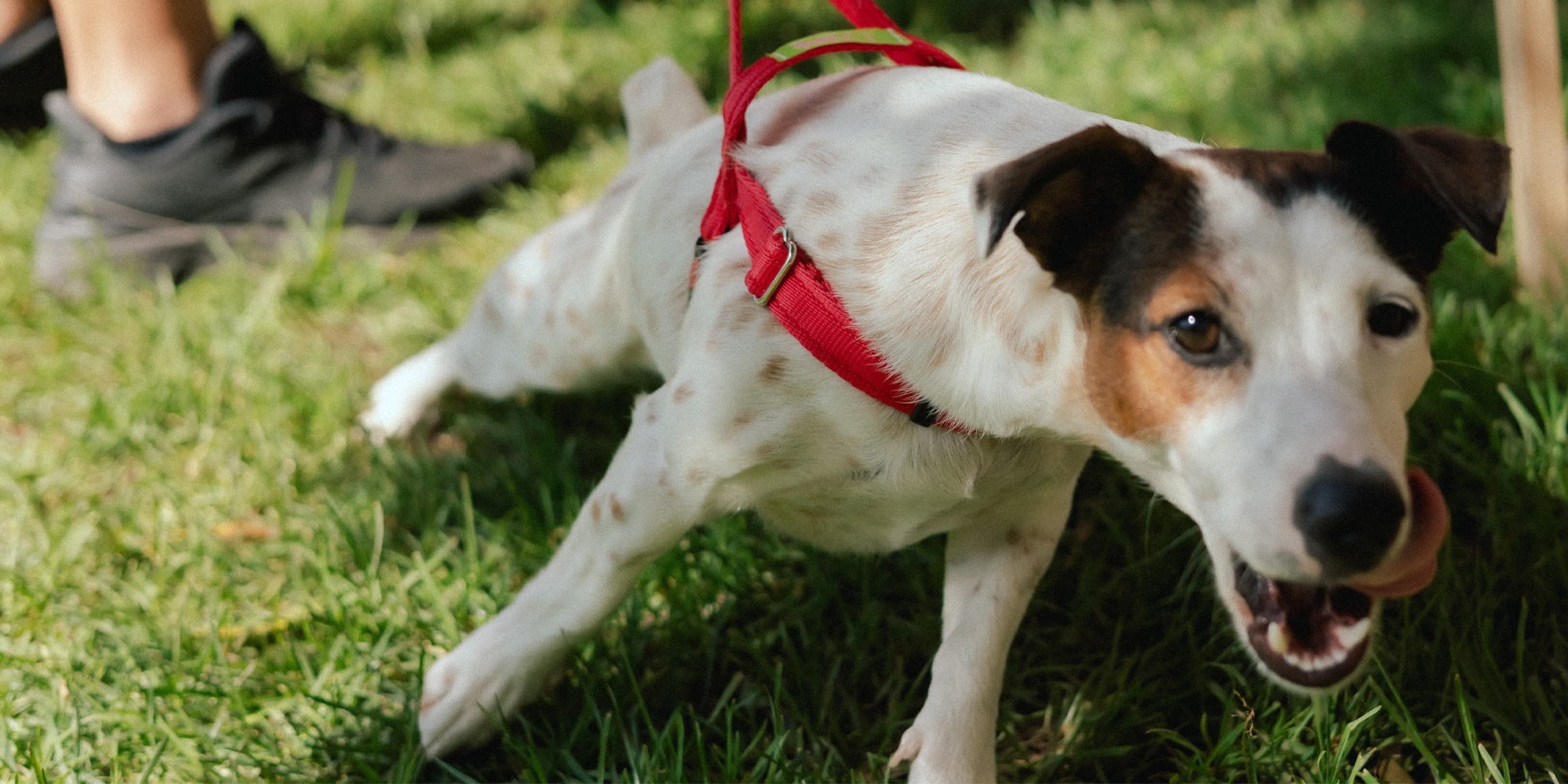
How Much Exercise Does a Jack Russell Need?
A Jack Russell Terrier usually needs much more than a short walk around the block. These dogs have strong bodies, quick minds, and a high work drive. Without enough activity, barking can become an outlet for stored energy.
Many adult Jack Russells do well with a mix of:
• At least one long daily walk, adjusted to the dog’s age and health
• Active games such as fetch, tug, or chase with clear rules
• Scent games that ask the dog to find treats or toys
• Short training sessions throughout the day
• Safe chances to run in a secure area
• Puzzle toys and food-filled toys
Exercise should not mean nonstop physical activity. A dog can become fitter without becoming calmer if the mind is never challenged. Scent work, obedience practice, and problem-solving games often help more than endless ball throwing.
Do Jack Russell Terriers bark a lot when they are tired? They may bark less after healthy activity, but exhaustion is not the goal. Overdoing exercise can cause injury, stress, or an overstimulated dog. Aim for a balanced routine with movement, rest, and mental work.
Puppies, older dogs, and dogs with joint or heart concerns need a plan from a veterinarian. Never assume that more exercise is safe for every dog.

How to Stop a Jack Russell Terrier From Barking
You cannot always stop barking completely. Barking is normal dog behavior, and some alert barking can be useful. The goal is to reduce unnecessary barking and teach your dog when to settle.
Start with these steps:
- Identify the trigger
Write down when the barking happens. Note the time, location, sound, person, animal, and what happens after the bark. This simple record can reveal a pattern within a few days.
- Reduce the trigger
Close blinds if your dog barks at people outside. Move furniture away from windows. Use white noise if outdoor sounds cause a reaction. Management prevents your dog from practicing the behavior again and again.
- Teach a quiet cue
When your dog pauses, calmly say “quiet” and give a small treat. Do not shout the word. Loud human voices can sound like barking and may increase excitement.
- Reward calm behavior
Give attention when your dog rests quietly, looks at you, or settles on a mat. Rewarding calm moments teaches your dog that silence has value.
- Teach an alternative action
Ask your dog to sit, touch your hand, go to a mat, or bring a toy. A clear task gives the dog something useful to do instead of barking.
- Keep sessions short
Practice for two to five minutes at a time. Jack Russells learn quickly, but they can also lose focus quickly. Several short lessons work better than one long session.
- Stay consistent
If barking earns a toy one day and a correction the next, your dog receives a confusing message. Everyone in the home should use the same cues and rewards.
Do Jack Russell Terriers bark a lot during training? They may bark more at first because new exercises create excitement. Stay calm, reward small improvements, and increase difficulty slowly.

Training Mistakes That Can Increase Barking
Some common responses make barking stronger. The biggest mistake is rewarding the bark without realizing it. Looking at the dog, talking, touching, opening a door, or tossing a toy may all act as rewards.
Avoid these errors:
• Shouting at the dog from another room
• Using punishment without teaching a replacement behavior
• Waiting until the dog is fully frantic before intervening
• Giving attention only when the dog barks
• Allowing window guarding for hours
• Using shock or harsh bark collars without professional guidance
Veterinary behavior experts generally favor reward-based training. Punishment may suppress a sound for a moment, but it can increase fear and may damage trust. It also does not explain what the dog should do instead.
A better approach is to interrupt the pattern early. If your Jack Russell notices a delivery driver but has not barked yet, call the dog away and reward eye contact. Prevention is often easier than stopping a full barking episode.
One lesson trainers repeatedly see is that timing matters. A treat given after ten seconds of barking may reward the entire event. A treat given during the first quiet pause teaches the dog much faster.

Jack Russell Terrier Barking in an Apartment
Apartment living can work with a Jack Russell, but it requires planning. Shared walls make repeated barking more stressful for neighbors, and hallways often create strong triggers.
Try these practical steps:
• Give your dog exercise before busy times in the building.
• Block the view of hallways and parking areas.
• Use a mat near you during television, meals, and work.
• Play soft background sound to cover sudden noises.
• Reward your dog for hearing a sound and staying quiet.
• Avoid leaving the dog alone for long periods without preparation.
Do Jack Russell Terriers bark a lot in apartments? They can, especially when they hear footsteps, elevators, doors, or other dogs. Yet many apartment Jack Russells do well when their owners provide daily enrichment and teach calm behavior from the start.
Do not rely on a bark collar to solve an apartment problem. If the barking comes from fear or separation distress, punishment can worsen the underlying issue. A certified trainer or veterinary behavior professional can create a safer plan.

Barking, Separation Anxiety, and Stress
Barking that happens only when you leave may point to separation anxiety or another form of distress. Other signs can include pacing, drooling, scratching doors, destroying items, urinating indoors, or trying to escape.
A camera can help you learn what happens after you leave. Some dogs bark for five minutes and then sleep. Others remain upset for the entire absence. These situations need different plans.
Helpful steps may include:
• Building alone time in very small stages
• Providing a safe resting area
• Using food toys only when the dog is alone
• Keeping departures and arrivals calm
• Avoiding sudden long absences during training
• Asking a veterinarian for help when distress is severe
Do Jack Russell Terriers bark a lot because they dislike being alone? Some do, but not every noisy dog has separation anxiety. A careful assessment matters because anxiety usually needs more than basic obedience practice.
Never punish destruction or barking that happened while you were away. The dog will not connect the punishment to the earlier event, and fear may increase.

When Barking May Signal a Health Problem
A sudden change in barking deserves attention. If a normally quiet Jack Russell becomes highly vocal, something may be wrong. Pain, hearing loss, vision changes, cognitive decline, and some illnesses can affect behavior.
Contact a veterinarian if barking comes with:
• Whining, restlessness, limping, or sensitivity to touch
• Changes in appetite or thirst
• Confusion or unusual nighttime activity
• Coughing, breathing trouble, or weakness
• Repeated pacing or inability to settle
• A new fear of familiar sounds or people
Older Jack Russells may bark more because they feel confused or cannot hear and see as well as before. Medical care can help identify the cause and improve comfort.
Do Jack Russell Terriers bark a lot because of a medical issue? Usually, breed traits and learned habits explain regular barking, but a sudden change should not be dismissed as “just the breed.”

Are Jack Russell Terriers Good for First-Time Owners?
Jack Russells can be loving, funny, and deeply loyal. They are also intense, fast, alert, and demanding. A first-time owner can succeed, but this breed is not usually an easy, low-effort choice.
A good match often includes someone who can provide:
• Daily exercise in all weather
• Patient reward-based training
• Safe management around small animals
• Supervision around children
• Consistent household rules
• Mental games and social exposure
Do Jack Russell Terriers bark a lot with inexperienced owners? They may bark more when their needs are missed or when the owner rewards the behavior by accident. This does not mean a beginner cannot own one. It means preparation and support are important.
Jack Russells may chase cats, rodents, and other small animals because of their prey drive. Early socialization helps, but it does not erase every instinct. Secure fencing and careful supervision are essential.
A Simple Daily Plan to Reduce Barking
A predictable routine can make a major difference. Here is an example for a healthy adult dog:
-
Begin with a morning walk that includes time to sniff.
-
Give breakfast through a puzzle feeder or food toy.
-
Practice two or three simple cues for three minutes.
-
Offer a quiet rest period in a low-trigger room.
-
Add a short play session later in the day.
-
Practice calm behavior near a mild barking trigger.
-
End the evening with a gentle walk, sniffing game, or settle exercise.
Adjust this plan to your dog’s age, fitness, and health. The aim is not to fill every minute. The aim is to meet physical needs, provide mental work, and teach the nervous system how to relax.
Track progress by measuring recovery time. A dog that once barked for ten minutes but now settles after one minute is improving, even if some barking remains.
Frequently Asked Questions About Do Jack Russell Terriers Bark a Lot
Do Jack Russell Terriers bark more than other small dogs?
Many Jack Russells bark more than quiet companion breeds because they have strong alertness and working instincts. Their size does not mean they need less exercise or training.
Can you train a Jack Russell Terrier to be quiet?
You can teach a Jack Russell to bark less and respond to a quiet cue. Complete silence is not realistic, but consistent rewards, trigger management, and daily enrichment can greatly reduce unwanted barking.
Why does my Jack Russell bark at everything?
Your dog may be reacting to movement, sounds, boredom, fear, excitement, or territorial triggers. Record the situations and look for patterns before choosing a training plan.
Do Jack Russell Terriers bark when left alone?
Some do, especially when they have separation distress or too much unused energy. A camera can show whether the dog settles after you leave or remains upset for a long time.
Are Jack Russell Terriers hard to train?
They are smart and often learn commands quickly, but their independence and high drive can make them challenging. Short, fun sessions and valuable rewards usually work better than repetition or harsh correction.
Will more exercise stop my Jack Russell from barking?
Exercise can reduce barking caused by boredom and excess energy, but it may not solve fear, territorial behavior, or separation anxiety. Combine activity with training and careful management.
Should I use a bark collar on my Jack Russell?
Bark collars are not the best first choice, especially when barking comes from fear or anxiety. Reward-based training and professional behavior guidance are safer ways to address the cause.
Conclusion
Do Jack Russell Terriers bark a lot? They often do, thanks to their alert nature, high energy, prey drive, and working history. But frequent barking is not a life sentence. With enough exercise, mental work, trigger control, calm rewards, and consistent training, many Jack Russells learn to settle and communicate more appropriately.
Start by tracking the cause of the barking today. Then make one small change, such as rewarding quiet behavior or adding a scent game. If barking is sudden, extreme, or linked to distress, involve a veterinarian or qualified behavior professional. Share your experience or explore more dog training resources to help your Jack Russell become a calmer, happier companion.

Pet Care Writer & Researcher
Daniel writes practical guides on daily care, feeding, and safety, turning complex topics into simple, actionable advice.