Do Rat Terriers Bark A Lot: Facts And Training Tips
Do rat terriers bark a lot? Learn why they vocalize, what triggers barking, and practical training tips for a quieter, happier home.
Yes, Rat Terriers can bark often, but training, exercise, and daily routine greatly affect their noise level.
If you wonder, “do Rat Terriers bark a lot,” the honest answer depends on the individual dog. This alert, clever breed was developed to hunt vermin and notice movement, so barking can be part of its natural job. With enough activity, clear rules, and reward-based training, many Rat Terriers become lively but manageable companions.
Do Rat Terriers Bark a Lot?
So, do Rat Terriers bark a lot compared with other small dogs? Often, yes. They are alert, energetic, and quick to react to sounds, people, animals, and changes around the home.
Still, barking is not the same in every Rat Terrier. One dog may bark at every squirrel, while another may stay quiet unless someone approaches the door. Genetics, early socialization, exercise, health, and training all shape the dog’s vocal habits.


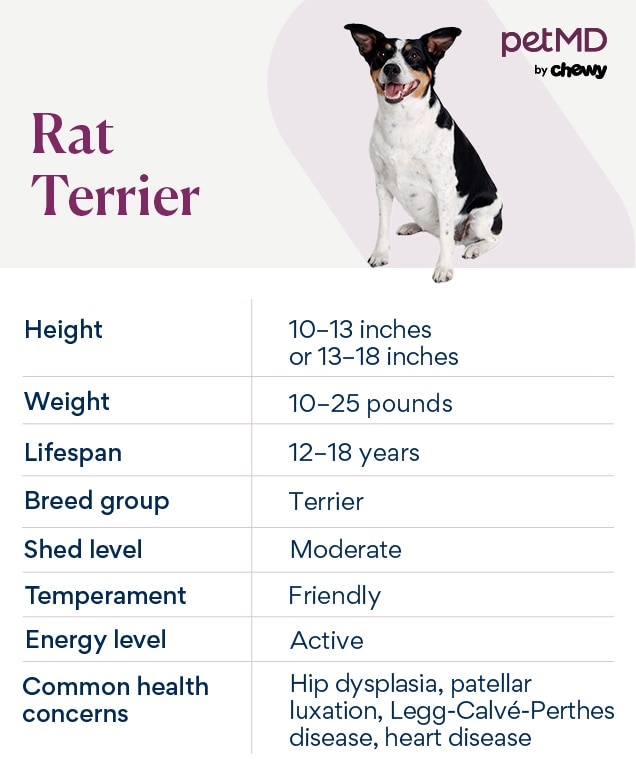
Rat Terriers were bred to hunt rats and other small pests. Their work required speed, focus, courage, and strong awareness of movement. Those traits can make them excellent watchdogs, but they can also make them sound an alarm more often than a calm, low-energy breed.

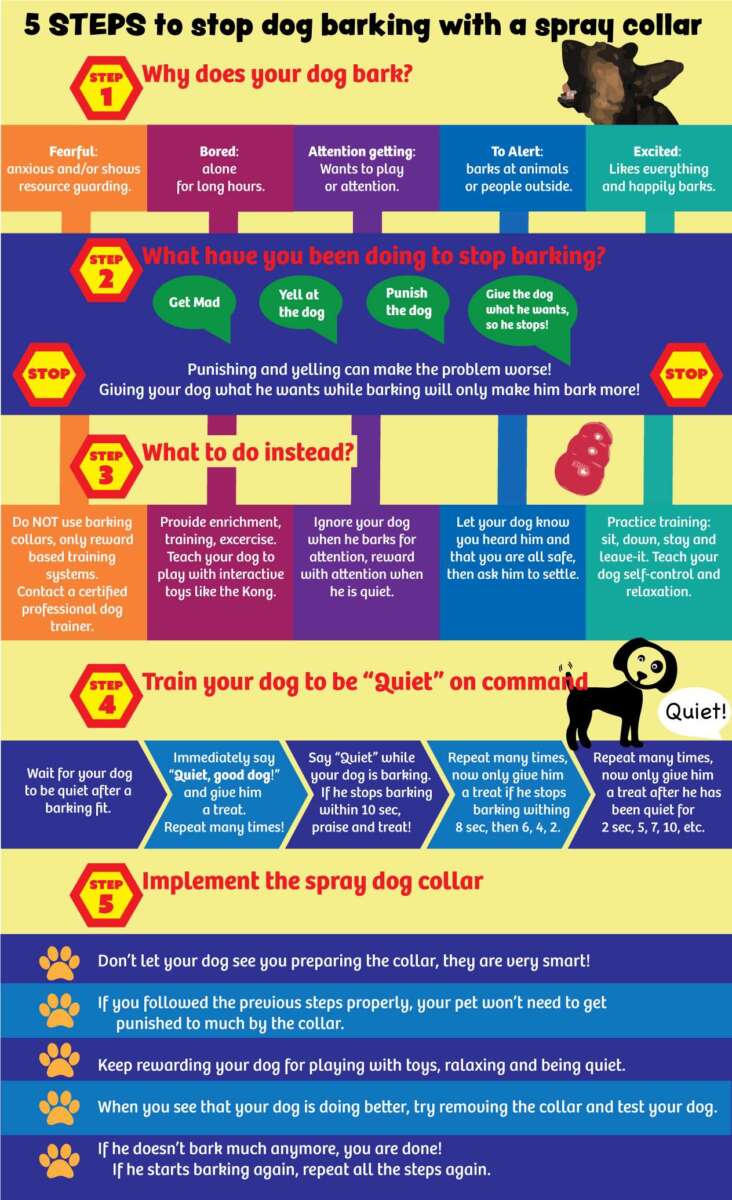
Why Do Rat Terriers Bark?
Do Rat Terriers bark a lot because they are stubborn? Usually, no. Barking is often a form of communication, and the reason behind it matters more than the sound itself.
Common triggers include:
• Alert barking: Your dog notices a visitor, car, animal, or strange noise.
• Excitement barking: Your dog becomes eager during play, walks, meals, or greetings.
• Demand barking: Your dog learns that barking brings attention, food, toys, or access.
• Fear barking: Your dog reacts to something that feels unsafe.
• Frustration barking: Your dog wants to reach another dog, chase a squirrel, or leave a room.
• Boredom barking: Your dog has too little exercise or mental work.
• Territorial barking: Your dog warns others to stay away from the home or yard.


• Separation-related barking: Your dog struggles when left alone.
A useful first step is to keep a simple barking log. Write down the time, trigger, body language, and what happened after the barking. This often reveals a clear pattern within a few days.

How Much Barking Is Normal?
There is no universal number of barks that defines a “normal” Rat Terrier. A short alert when someone knocks may be reasonable. Barking for long periods at every outdoor sound may signal an unmet need or a learned habit.
When asking, do Rat Terriers bark a lot, compare your dog with its own behavior rather than with another dog. A sudden change is more important than the total amount of noise.
Watch for signs that barking may need professional attention:
• The barking starts suddenly or becomes much worse.
• Your dog also paces, pants, hides, or destroys objects.
• Your dog barks when touching, moving, eating, or using the bathroom.
• Your dog cannot settle after the trigger disappears.
• Your dog shows fear or aggression toward people or animals.
Pain, hearing changes, anxiety, and age-related problems can affect vocal behavior. A veterinarian should assess any sudden or unusual change before you treat it as a training issue.

Are Rat Terriers Good Watchdogs?
Yes. Rat Terriers are often strong watchdogs because they notice small changes in their surroundings. Their sharp hearing and quick reactions can make them excellent at warning you about visitors or unusual sounds.
However, a watchdog should alert you and then settle. A dog that barks at every leaf, bird, or passing car may be overreacting rather than protecting the home.


You can teach a useful “thank you” routine:
-
Allow one or two alert barks.
-
Move toward the window, door, or sound.
-
Calmly say, “Thank you.”
-
Guide your dog away from the trigger.
-
Reward quiet behavior with a treat, praise, or a toy.
This teaches your Rat Terrier that you heard the message. The goal is not to silence natural communication. The goal is to create an off switch.

Do Rat Terriers Bark More When Bored?
Boredom is one of the most common reasons do Rat Terriers bark a lot. Their bodies are small, but their minds are busy. A short walk alone may not meet their need to sniff, search, solve problems, and explore.
A bored Rat Terrier may bark, dig, chase shadows, steal objects, or race around the house. These behaviors are not always signs of a bad dog. They may be your dog’s way of saying, “I need a job.”
Try adding daily activities such as:
• A sniff walk where your dog sets a safe, steady pace.
• Food puzzles that require simple problem-solving.
• Short obedience sessions lasting three to five minutes.
• Hide-and-seek with treats or favorite toys.


• Fetch in a safe area.
• Scent games using boxes, towels, or paper cups.
• Supervised play with a compatible dog.
Mental work can tire a Rat Terrier as much as physical exercise. Think of it as charging the dog’s brain, not just moving its legs.

How to Stop Excessive Rat Terrier Barking
To reduce barking, first identify the trigger. Training works best when you change the cause, not when you only correct the noise.
Use these steps:
- Prevent repeated practice
Close blinds, use a white noise machine, or move your dog away from a busy window. Each long barking session strengthens the habit.
- Teach a quiet cue
When your dog pauses, say “quiet” in a calm voice. Wait briefly, then reward the silence. Increase the quiet time slowly.
- Reward calm behavior
Give attention when your dog rests, watches quietly, or chooses a toy. Dogs repeat behaviors that earn useful rewards.
- Practice with mild triggers
Ask a helper to create a soft, controlled sound outside. Reward your dog before the barking becomes intense.
- Stay consistent
Everyone in the home should follow the same rule. If barking earns a treat one day and a shout the next, your dog receives a confusing message.
Avoid yelling. Many dogs hear yelling as participation, which can increase excitement. Physical punishment can also create fear and may worsen defensive barking.
Training Tips That Work Best
Rat Terriers often learn quickly because they are bright and eager to investigate. That intelligence can help you train barking, but it can also help your dog discover clever ways to get attention.
Use small treats, clear words, and short sessions. End each session while your dog is still successful. Several calm sessions each day work better than one long session filled with frustration.
Helpful training habits include:
• Mark quiet behavior with “yes” or a clicker.
• Reward your dog before the barking becomes intense.
• Teach “place” so your dog has a calm spot to use.
• Practice door manners with staged visits.
• Pair outside sounds with treats.
• Give your dog another behavior, such as looking at you or sitting.
• Keep rewards valuable during difficult practice.
One common mistake is rewarding barking by opening the door, throwing a toy, or giving food. The dog may learn that loud behavior works. Wait for a moment of calm before giving access to what your dog wants.
Reward-based training is supported by veterinary and animal behavior professionals. It builds a clear association between calm choices and good results without adding fear.

Exercise and Socialization Matter
Early socialization can reduce unnecessary alarm barking. A well-socialized puppy learns that normal sights, sounds, surfaces, visitors, and friendly dogs are not automatically dangerous.
Socialization does not mean forcing a puppy into busy places. It means offering gentle exposure at a level the puppy can handle. Pair new experiences with food, play, and a safe retreat.
Adult Rat Terriers also benefit from social learning. You can calmly expose your dog to:
• Doorbells and visitors.
• Traffic and outdoor sounds.
• People wearing hats or uniforms.
• Calm, healthy dogs.
• Veterinary handling.
• Different floors and surfaces.
• Short periods alone.
Exercise should fit your dog’s age, health, and fitness. Puppies need rest between activities, while older dogs may need slower walks and more scent games. If your dog remains restless after exercise, add mental work instead of simply increasing physical intensity.

Barking at Night
Night barking can happen when a Rat Terrier hears wildlife, neighbors, plumbing, heating systems, or outdoor movement. Darkness may also make familiar sounds feel less predictable.
Start by checking the environment. Close curtains, block access to lookout points, and use soft background noise. A comfortable sleeping area can help your dog settle.
Avoid turning nighttime barking into playtime. Keep your response calm and brief. If the barking continues, check for illness, pain, fear, or a need to go outside.
Dogs that bark for long periods at night may need a more detailed behavior plan. A veterinarian or certified behavior professional can help rule out medical and anxiety-related causes.

Living With a Vocal Rat Terrier
Do Rat Terriers bark a lot in apartments? They can, especially when they hear hallway sounds, elevators, neighbors, or outdoor activity. Apartment life is possible, but it requires careful planning.
Use rugs, curtains, and furniture placement to reduce sound and window triggers. Offer daily sniff walks and indoor games. Teach your dog to move away from the door when people pass.
Before choosing a Rat Terrier, consider your schedule and surroundings. A busy home may suit an alert dog better than a quiet apartment with strict noise rules, unless you are ready to provide training and enrichment.
The breed can be a wonderful match for active owners. Rat Terriers are often affectionate, playful, portable, and highly responsive to people. Their vocal nature is one trait to understand, not a reason to reject every dog of the breed.
When to Contact a Professional
Do Rat Terriers bark a lot because of anxiety? Sometimes. Barking linked to panic, isolation, fear, or strong reactivity needs more than basic obedience.
Contact your veterinarian if barking changes suddenly or comes with other physical signs. Ask for help from a qualified behavior professional if your dog cannot relax, reacts strongly to people or dogs, or becomes destructive when alone.
Look for professionals who use reward-based methods. Be cautious of advice that promises instant results through fear, pain, or harsh corrections. Behavior change takes time, and a safe plan protects both the dog and the family.
A professional may recommend:
• A medical check.
• A behavior history.
• Trigger management.
• Gradual exposure and positive associations.
• A daily enrichment plan.
• Separation training.
• Medication when a veterinarian believes it is appropriate.
Frequently Asked Questions About Do Rat Terriers Bark a Lot
Do Rat Terriers bark more than other small dogs?
Rat Terriers may bark more than quiet companion breeds because they are alert working dogs. Their barking level still depends on genetics, training, socialization, exercise, and the home environment.
Are Rat Terriers hard to train not to bark?
No. Rat Terriers are usually intelligent and responsive, but they need consistent training. Rewarding calm behavior and managing triggers often works better than correcting barking after it has already escalated.
Do Rat Terriers bark when left alone?
Some do, especially when they have separation anxiety or too little enrichment. Gradual alone-time training, exercise, food puzzles, and veterinary guidance can help.
Can you teach a Rat Terrier to stop barking at strangers?
You can teach a Rat Terrier to alert briefly and then settle. Practice with controlled visitors, reward quiet behavior, and give your dog a calm place away from the door.
Do Rat Terriers bark at night?
Some Rat Terriers bark at night because they hear wildlife, neighbors, or unfamiliar sounds. Reduce visual and sound triggers, but seek veterinary advice if nighttime barking is new or intense.
Are Rat Terriers suitable for apartment living?
They can live in apartments when their exercise, mental work, and training needs are met. Noise management is important because hallway sounds and nearby activity may trigger alert barking.
Should I use a bark collar on a Rat Terrier?
Bark collars are not the best first choice because they may increase fear, stress, or confusion. Start with trigger management, reward-based training, and professional help when needed.
Conclusion
Do Rat Terriers bark a lot? They can, especially when bored, excited, worried, or alert to movement. Their barking reflects useful working traits, but a steady routine, early socialization, enrichment, and reward-based training can make it much easier to manage.
Learn what triggers your dog, reward quiet choices, and avoid punishment that creates fear. With patience and clear limits, a Rat Terrier can be an alert watchdog and a happy household companion. Share your experience or explore more positive dog-training resources to build a calmer life together.

Pet Care Writer & Researcher
Daniel writes practical guides on daily care, feeding, and safety, turning complex topics into simple, actionable advice.