How To Stop Dog Barking In The House: Easy Solutions
Learn how to stop dog barking in the house with simple training tips, trigger fixes, and calming strategies for a quieter, happier home.
Use calm training, remove triggers, and reward quiet behavior to stop dog barking in the house.
Dog barking is normal communication, but frequent barking can disturb your home and leave both you and your dog stressed. The best way to stop dog barking in the house is to find the cause, manage the trigger, and teach your dog what to do instead.
This guide uses practical behavior methods that work in real homes, from busy apartments to family houses. You will learn how to spot the reason for the barking, build a simple training plan, avoid common mistakes, and know when a veterinarian or qualified behaviorist should help.
Why dogs bark inside the house
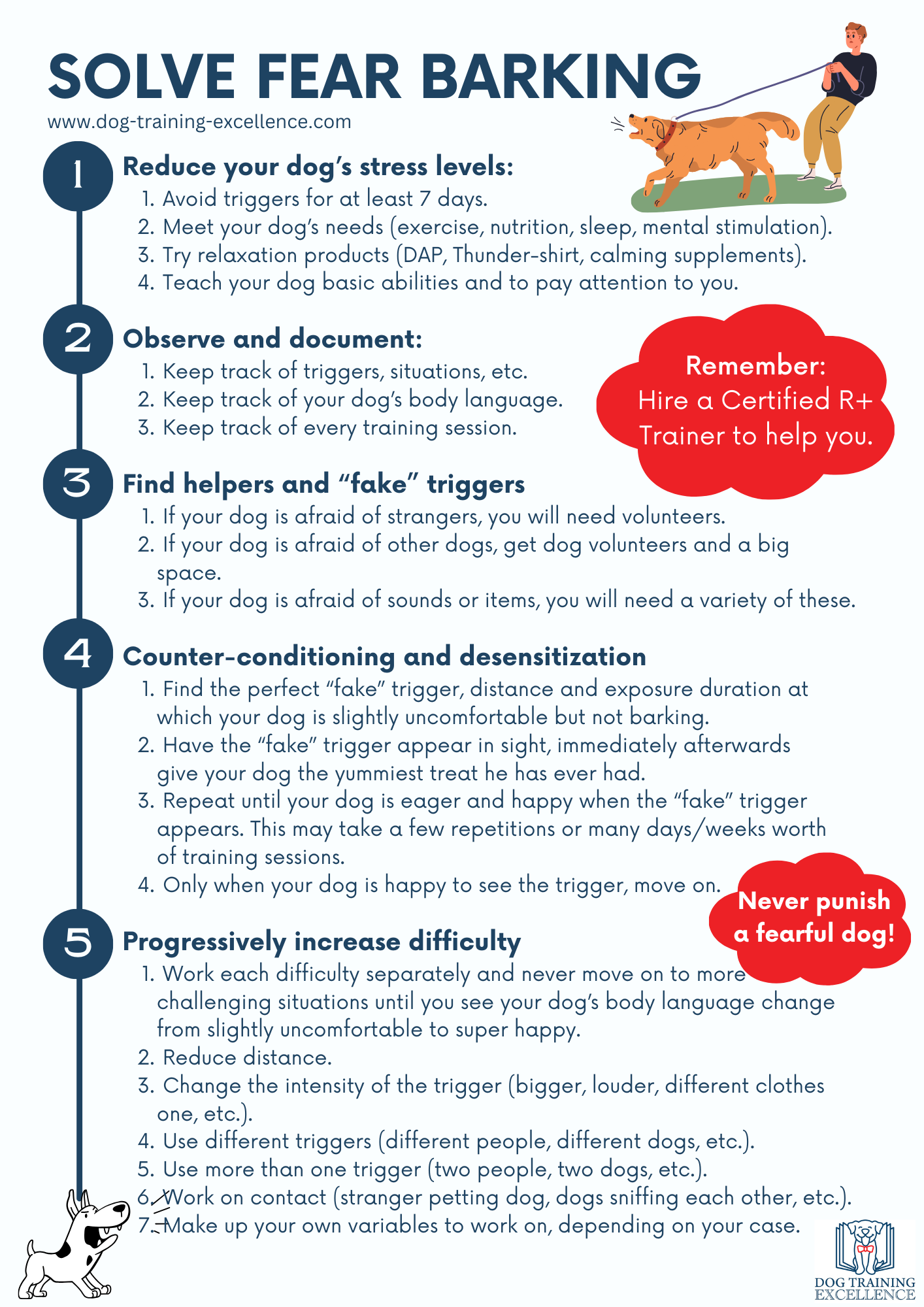
Barking is not always a sign of bad behavior. It may be your dog’s way to warn you, ask for something, release stress, or respond to a sound you cannot hear.
To stop dog barking in the house, start by asking one simple question: “What happens right before the barking begins?” The answer often reveals the real cause.
Common causes include:
• Alert barking at people, cars, animals, or sounds outside
• Attention barking when your dog wants play, food, or contact
• Boredom from too little exercise or mental work
• Fear of storms, strangers, noises, or being alone
• Frustration when your dog cannot reach something
• Excitement during greetings, play, or meal times
• Separation distress when you leave the room or house
• Pain, hearing loss, confusion, or another health problem
A dog that barks at the window may be guarding the home. A dog that barks when you pick up your keys may feel worried about being left alone. These dogs need different solutions, even though the sound is the same.
Watch for patterns. Note the time, trigger, body language, and what stops the barking. A stiff body and hard stare may suggest alertness. Lip licking, hiding, pacing, or trembling may point to fear.
First, rule out health and safety problems
A sudden change in barking deserves attention. If a quiet dog begins barking often, or an older dog starts barking at empty rooms, schedule a veterinary check.
Pain, vision loss, hearing changes, thyroid disease, and cognitive decline can affect behavior. A veterinarian can check for medical causes before you treat the issue as a training problem.
Contact a veterinarian soon if your dog also shows:
• Loss of appetite
• Trouble walking or jumping
• Restlessness or repeated pacing
• Confusion
• Sudden aggression
• Whining, panting, or signs of pain
• Nighttime barking that is new
Safety matters, too. Do not place your hands near a frightened or highly aroused dog. Do not force your dog to face a feared trigger. If barking comes with snapping, biting, or serious fear, work with a certified veterinary behaviorist or a qualified force-free trainer.
Training has limits. It cannot remove every sound, visitor, or natural alert response. The goal is usually better control, shorter barking episodes, and a calmer home.
:strip_icc()/puppy-barking-2804577-f7f6bffd80fa4edca1bd247ba52fc0a6.jpg)
Find the exact barking trigger
Keep a simple barking log for three to five days. You do not need special tools. A phone note works well.
Record:
• What happened before the bark
• Where your dog was
• Who or what was nearby
• How long the barking lasted
• What you did
• What your dog did next
This log can expose patterns you may miss. For example, your dog may bark only when delivery trucks stop outside. Another dog may bark after two hours without a break. A third may bark each time a family member leaves.
You can also use a short video when safe. Video helps show whether your dog barks only when alone. Some dogs show separation distress through barking, pacing, scratching, or door-focused behavior.
Avoid guessing based on the bark alone. A sharp, repeated bark can mean warning, excitement, fear, or frustration. Body language gives you more useful information.

Reduce barking triggers in the home
Management is not a shortcut. It prevents your dog from practicing the unwanted behavior while you teach a new one.
If your dog barks at people outside, try:
• Closing blinds during busy times
• Moving furniture away from windows
• Using privacy film on lower windows
• Playing soft background sound
• Keeping your dog in a quieter room
• Offering a food puzzle before likely triggers
If hallway sounds cause barking, place a white noise machine near the door. You can also use a baby gate to create distance between your dog and the entry area.
For door barking, keep treats in a sealed container near the entrance. Ask visitors to text instead of knocking when possible. Fewer sudden surprises make training easier.
Do not leave your dog for long periods in a spot where barking happens again and again. Each repeated episode can make the habit stronger, like a path that becomes clearer each time someone walks it.
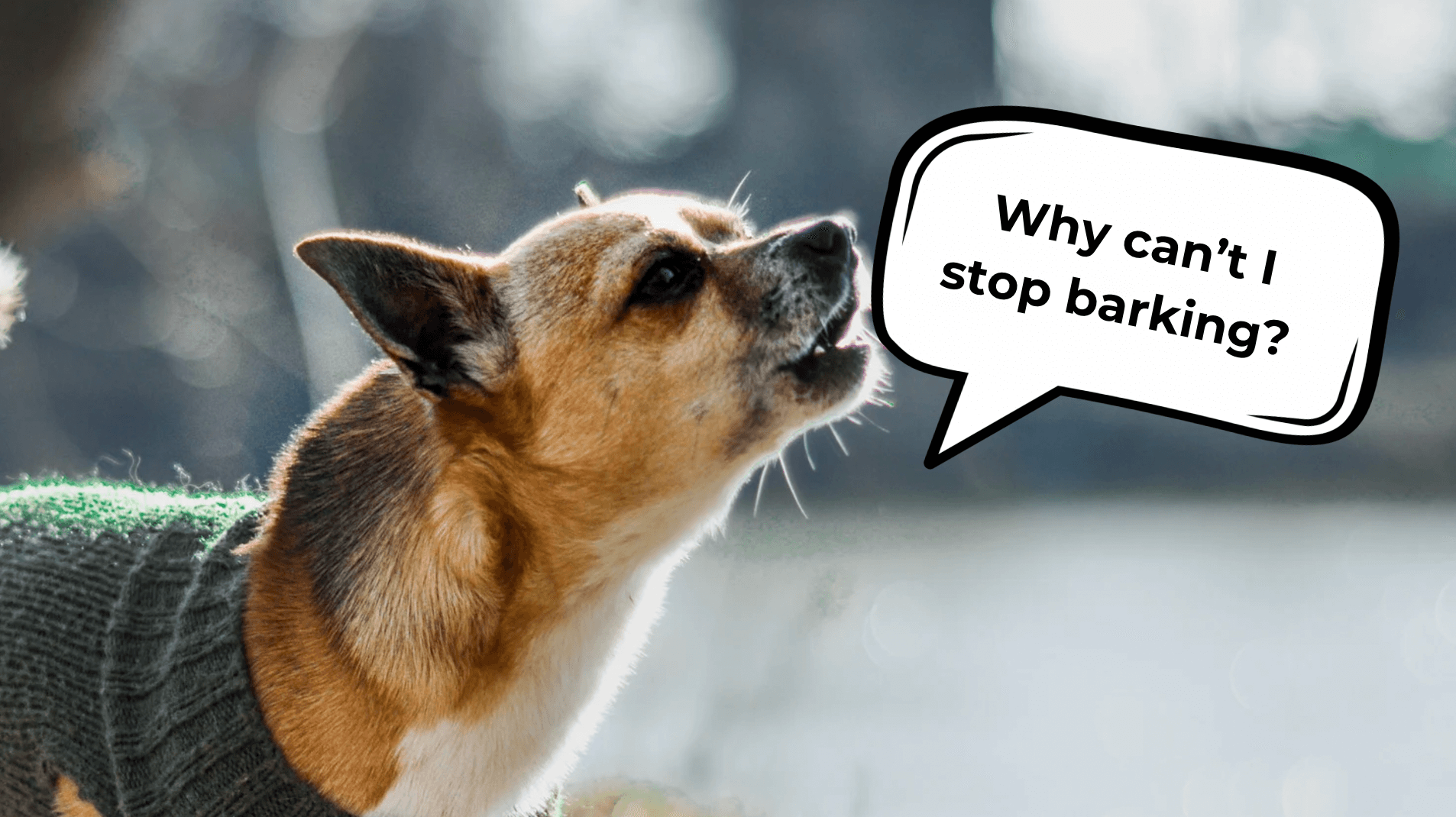
Teach a quiet cue step by step
The quiet cue works best when your dog already understands that calm behavior earns rewards. Do not yell “quiet” during a loud barking fit. Your dog may think you are barking along.
Use this simple process:
-
Identify a mild trigger, such as a soft knock or a distant sound.
-
Let your dog bark once or twice.
-
Place a high-value treat near your dog’s nose.

-
When your dog pauses to sniff, say “quiet” in a calm voice.
-
Give the treat during the silent moment.
-
Wait a little longer before rewarding again.
-
Repeat several times, then stop the session.
At first, reward one second of silence. Later, wait for three seconds, five seconds, and then ten seconds. Build time slowly.
If your dog cannot stop barking long enough to eat, the trigger is too strong. Increase distance, lower the sound, or choose an easier setting. Training should feel like a small challenge, not a battle.
This is one of the most useful ways to stop dog barking in the house because it gives your dog a clear replacement behavior. Your dog learns that silence makes good things happen.

Reward calm behavior before barking starts
Many owners notice their dog only when the dog makes noise. That can accidentally give barking attention. Instead, look for quiet moments and reward them.
Give a small treat when your dog:
• Lies on a mat
• Watches the window without barking
• Looks at a sound and then turns away
• Rests while guests move around
• Comes to you after hearing a noise
You can use treats, praise, play, or access to a favorite toy. The reward should matter to your dog and arrive right after the calm behavior.
Teach a “go to your mat” cue as well. Place a mat several feet from the door. Reward your dog for stepping on it, then for sitting or lying there. Practice when no one is visiting.
When the doorbell rings, guide your dog to the mat and reward calm behavior. This gives your dog a job. Dogs often improve when we replace “do not bark” with “go here and relax.”

Meet your dog’s exercise and mental needs
Exercise can help, but it is not a complete cure. A tired dog may bark less, yet a fearful or anxious dog still needs behavior support.
Aim for a mix of physical movement and brain work:
• Sniff walks
• Short training sessions
• Food puzzles
• Hide-and-seek games
• Safe chewing time
• Retrieve games
• Simple scent searches
Sniffing is especially useful because it lets dogs explore at their own pace. A slow, thoughtful walk may help more than a rushed mile around the block.
Avoid exhausting a dog with constant high-energy play. Some dogs become more wound up after repeated ball throwing. Watch your dog’s recovery. The goal is relaxed behavior after activity, not frantic excitement.
A useful daily plan may include a morning walk, a short training session, quiet chew time, and another walk later. Adjust the plan for your dog’s age, breed, health, and fitness.

Handle attention barking without rewarding it
Attention barking often continues because it works. If barking makes you talk, look, touch, feed, or open a door, your dog may repeat it.
When safe and practical, turn away and wait for a brief pause. Then ask for a calm behavior, such as sitting, and reward it. If you need to meet a real need, such as water or a bathroom break, do so without a long conversation or exciting response.
Consistency is vital. If barking earns a reward sometimes, your dog may bark harder and longer. This is called an intermittent reward pattern, and it can make behavior very persistent.
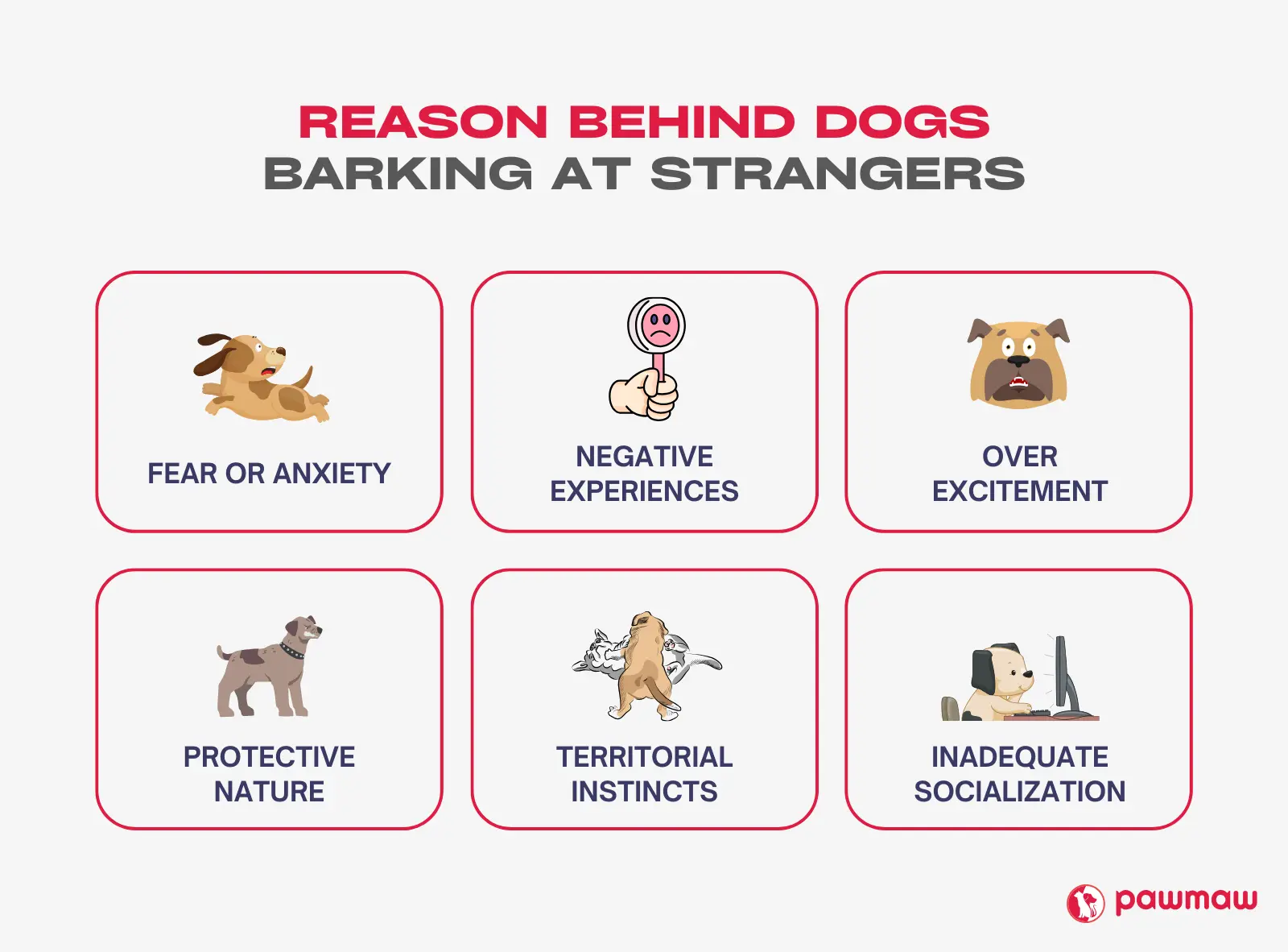
Do not ignore barking linked to fear, pain, or separation distress. In those cases, ignoring the dog may increase panic. First identify the emotional cause, then use a plan that helps your dog feel safe.

Reduce doorbell and visitor barking
Door barking is one of the most common household problems. Start training when the house is quiet, not during a real delivery.
Practice this routine:
-
Touch the doorknob without opening the door.
-
Reward your dog for staying calm.
-
Open the door slightly, then close it.
-
Reward calm behavior again.
-
Add a soft knock or low-volume doorbell sound.
-
Ask your dog to go to the mat.
-
Invite one calm helper inside.
Keep sessions short. A visitor should not rush toward your dog or lean over the dog’s head. Give your dog space and allow a choice to move away.
For some dogs, greeting visitors is too hard at first. Keep your dog behind a gate with a chew or food puzzle. As calm behavior improves, reduce the distance slowly.
This approach helps stop dog barking in the house without punishment. It teaches your dog that a visitor predicts a routine, not chaos.
Address barking when your dog is alone
Barking when alone may indicate boredom, habit, or separation-related distress. The difference matters.
Mild distress may improve with exercise, food enrichment, and gradual practice. Serious separation anxiety often includes panic, destruction near exits, drooling, accidents, or attempts to escape.
Use a camera if possible. Look for when barking begins and whether it continues for most of the absence. Start with very short departures that end before your dog becomes upset.
A gradual plan may look like this:
• Step outside for one second
• Return calmly
• Wait for your dog to settle
• Repeat several times
• Increase to three seconds, then five seconds
• Stop before distress begins
Do not suddenly leave for hours while training. That can set progress back. A veterinarian may recommend behavior treatment, medication, or referral to a specialist for severe cases.
Never use a shock collar to treat separation anxiety. Fear-based tools can increase distress and may worsen the behavior.
Avoid methods that make barking worse
Some popular methods seem fast but can damage trust or increase fear. Yelling is a common example. To a dog, loud human speech may sound like group barking.
Avoid:
• Shouting
• Hitting or leash jerking
• Muzzle use without veterinary guidance
• Anti-bark collars as a first choice
• Spraying water in the face
• Forcing a dog toward a scary trigger
• Rewarding barking by opening doors or giving food
Professional veterinary behavior guidance generally favors reward-based training. Reward-based methods teach the behavior you want while protecting the human-animal bond.
A quiet room can help your dog settle, but it should not be used as harsh isolation. Provide water, comfort, safe bedding, and an appropriate chew. Management should lower stress, not add fear.
Build a simple seven-day training plan
A clear plan is easier to follow than random corrections. Keep each session short, positive, and repeatable.
Day one: Observe
Track every barking episode. Find the most common trigger and rate its intensity from one to ten.
Day two: Manage
Block the view, add distance, use background sound, and prepare treats. Prevent as many intense episodes as you can.
Day three: Teach a calm behavior
Practice “look at me,” “sit,” or “go to your mat” in a quiet room.
Day four: Add a mild trigger
Use a soft sound or distant view. Reward your dog for looking without barking or for becoming quiet quickly.
Day five: Practice door routines
Work with a helper. Keep the trigger mild and end before your dog becomes overwhelmed.
Day six: Add real-life practice
Use short sessions during normal household events. Keep rewards ready.
Day seven: Review
Compare the barking log with day one. Look for shorter episodes, faster recovery, or more calm pauses. Progress may be uneven, so measure trends rather than perfection.
In my experience, one common mistake is moving too fast after one good session. A dog may succeed once and still need many easy repetitions before the skill works during a real delivery or loud storm.
When to contact a professional
Seek help if barking lasts for long periods, causes conflict with neighbors, or comes with fear or aggression. Early support can prevent the pattern from becoming deeply established.
Look for a trainer who uses reward-based methods and explains the plan clearly. A veterinary behaviorist can assess medical and emotional causes and may discuss medication when appropriate.
Ask a potential professional:
• What training methods do you use?
• How do you handle fear and anxiety?
• Will you use shock, prong, or choke collars?
• How will you measure progress?
• What should I do if my dog becomes more distressed?
Be cautious of anyone who promises a guaranteed cure or claims every dog needs dominance-based handling. Behavior is influenced by genetics, learning, health, environment, and daily routine. Good care considers the whole dog.
Frequently asked questions about how to stop dog barking in the house
How do I stop my dog from barking at the window?
Block or soften the view with blinds, privacy film, or furniture changes. Then reward your dog for looking at the window and staying quiet, or for coming to a mat when a trigger appears.
Should I yell at my dog to stop barking?
No. Yelling can sound like barking and may increase excitement or fear. Use a calm cue, create distance from the trigger, and reward silence.
How long does it take to stop dog barking in the house?
Some dogs improve within days when triggers are managed and calm behavior is rewarded. Long-term habits, fear, and separation distress may take weeks or months and often need professional support.
What is the best command to stop dog barking?
A “quiet” cue can help, but it works best after you teach your dog to pause and reward that pause. A calm behavior such as “go to your mat” is also useful because it gives your dog a clear task.
Can exercise stop excessive barking?
Exercise can reduce barking linked to boredom or unused energy, but it may not solve fear, pain, or separation anxiety. Combine suitable exercise with trigger control and reward-based training.
Why does my dog bark when I leave the house?
Your dog may be experiencing separation-related distress, boredom, or a learned routine. Use a camera to observe the behavior and speak with a veterinarian if barking is intense or paired with panic signs.
Are anti-bark collars safe?
Anti-bark collars may suppress sound without solving the reason for barking. Shock and spray devices can increase fear, so reward-based training and professional advice are safer starting points.
Conclusion
The most reliable way to stop dog barking in the house is to understand the cause, reduce the trigger, and reward the calm behavior you want to see. Use short training sessions, provide exercise and mental work, and avoid yelling or punishment.
Start today by keeping a barking log and choosing one easy trigger to manage. With patience and steady practice, your dog can learn that quiet behavior is safe, useful, and rewarding. If fear, pain, aggression, or separation distress is involved, contact your veterinarian or a qualified behavior professional for a tailored plan.

Pet Care Writer & Researcher
Daniel writes practical guides on daily care, feeding, and safety, turning complex topics into simple, actionable advice.