Why Does My Dogs Bark Sound Different: Causes & Fixes
Why does my dogs bark sound different? Learn common causes, warning signs, and simple steps to help your dog bark normally again.
Your dog’s bark may sound different because of age, emotion, vocal strain, illness, or changes in the throat.
If you are wondering, “why does my dogs bark sound different,” you are not alone. A bark can become deeper, hoarse, weak, sharp, or unusually raspy for many reasons. Some changes are harmless and temporary, while others point to pain or a breathing problem. This guide explains the most common causes, warning signs, and safe next steps so you can help your dog with confidence.

What a Dog’s Bark Can Tell You
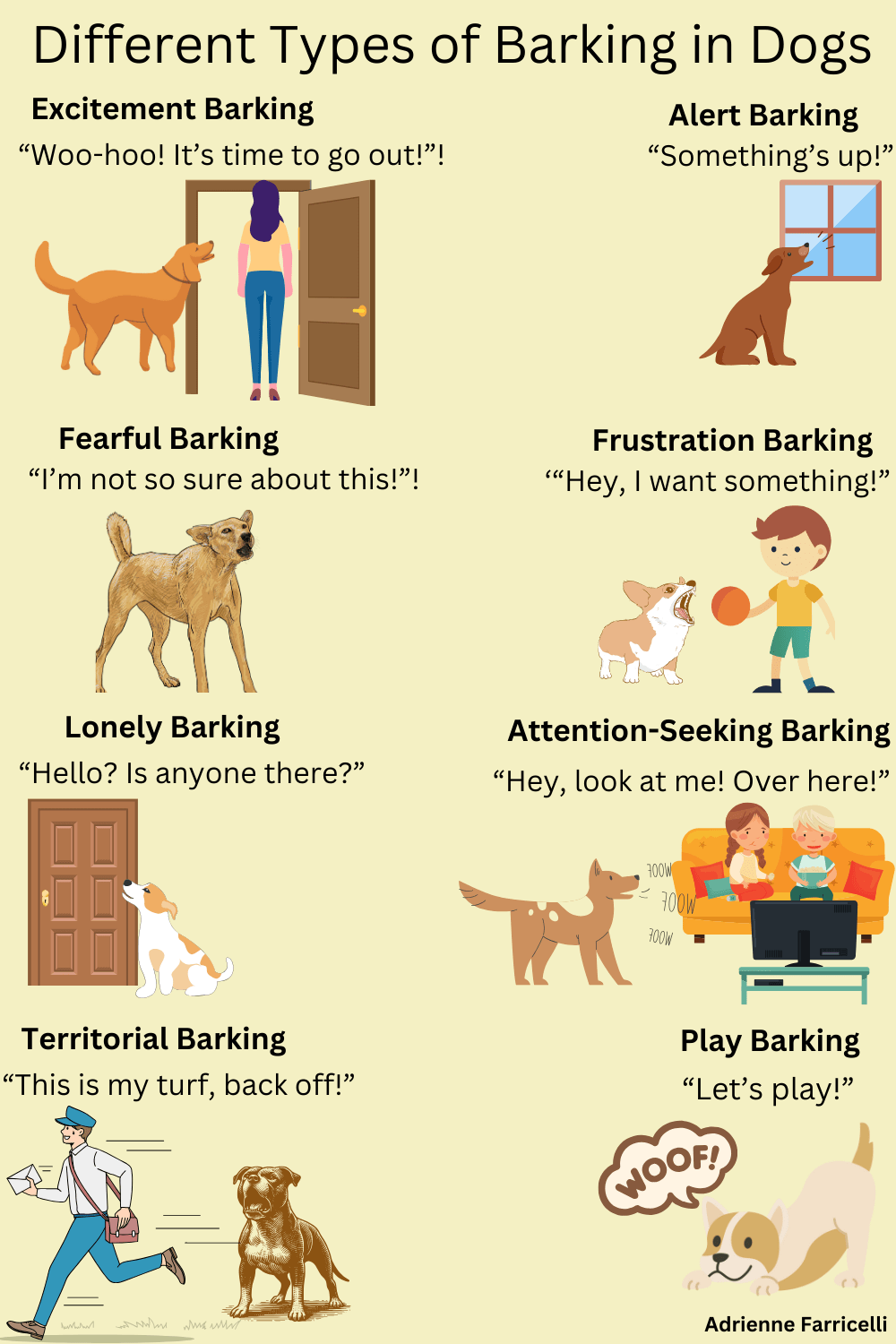
A dog’s bark is more than noise. It can show excitement, fear, stress, pain, or a desire for attention. The pitch, tone, length, and strength of the bark may change with your dog’s body and mood.
When people ask, “why does my dogs bark sound different,” they often notice one of these changes:
• A deeper or lower bark
• A high, sharp bark
• A raspy or hoarse bark
• A weak bark with little sound
• A dry, hacking bark
• A bark that ends in a cough
A dog’s voice comes from air moving through the larynx, also called the voice box. The vocal cords inside the larynx vibrate as air passes over them. Swelling, irritation, age, stress, or disease can change that vibration.
A bark can also sound different after a long day of barking. Think of it like a person who loses their voice after cheering at a sports game. The throat may need time to recover.
Why Does My Dogs Bark Sound Different?
The answer depends on when the change started, how long it lasts, and whether other symptoms appear. A mild change after loud barking is often less serious than a sudden change paired with trouble breathing.
Here are the most common causes.
Excessive barking or vocal strain
Dogs may develop a hoarse, raspy, or weak bark after barking for hours. This can happen after a stressful event, a move, a busy day at daycare, or time spent reacting to people and animals outside.
The vocal cords may become irritated from repeated use. Rest, fresh water, and a calm space may help the voice return within a few days.
Throat irritation
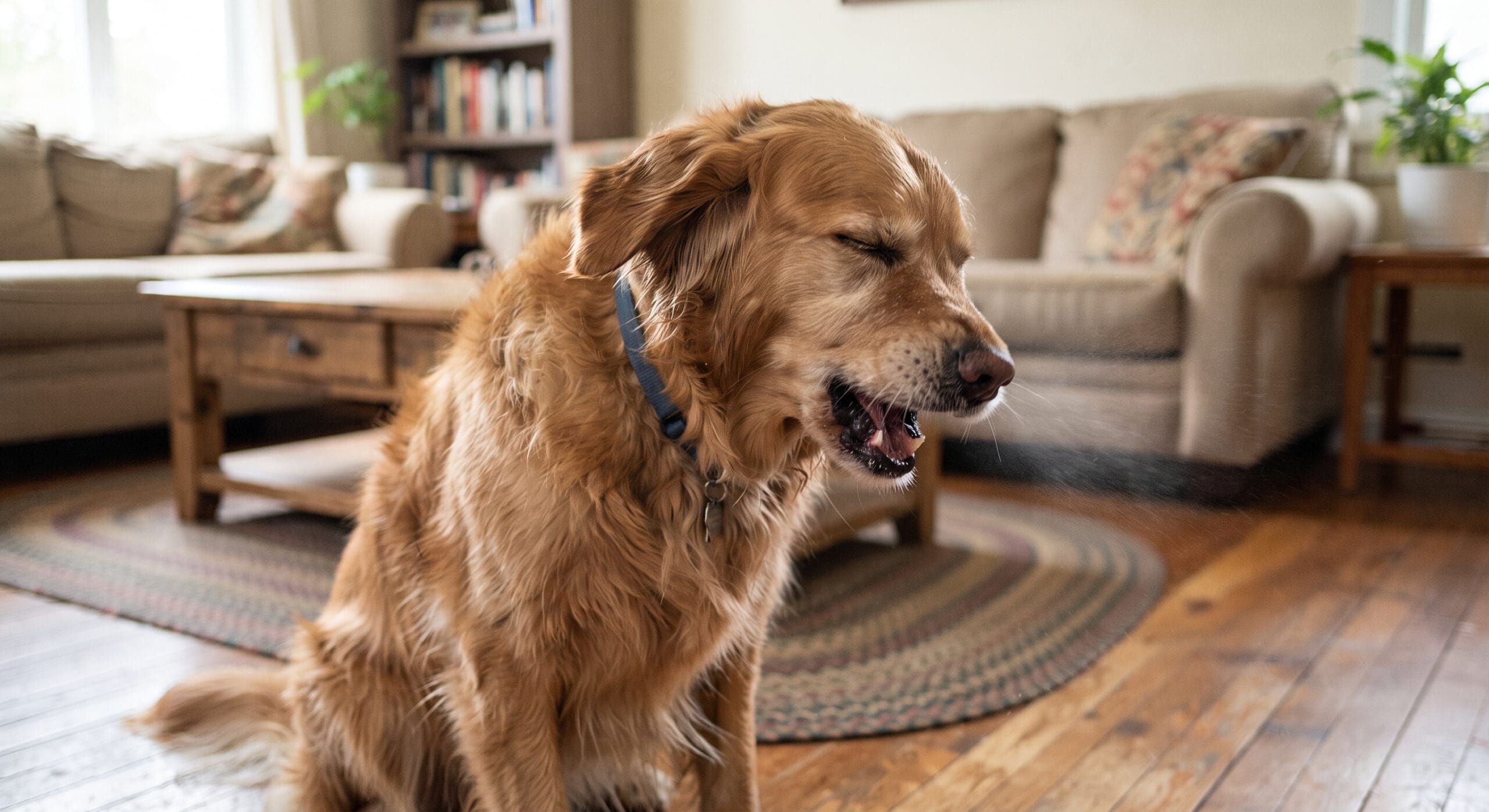
Dust, smoke, air fresheners, cleaning sprays, pollen, and other irritants can affect the throat. A dog may bark differently and also cough, swallow often, or lick the lips.
Avoid smoke and strong scents around your pet. Do not give human throat medicine unless a veterinarian specifically approves it.
Kennel cough or another respiratory infection
Respiratory infections can cause a harsh cough, gagging, nasal discharge, sneezing, and a changed bark. Kennel cough is often spread where dogs gather, such as boarding centers, dog parks, groomers, and training classes.
Some infections are mild, but puppies, senior dogs, and dogs with weak immune systems can become more ill. Call your veterinarian for advice, especially if the cough lasts more than a few days.
Laryngeal paralysis
Laryngeal paralysis occurs when the muscles that open the larynx do not work well. The bark may become hoarse, airy, or unusually soft. Some dogs also make a loud breathing sound, cough while drinking, or tire quickly.
This condition is more common in older dogs and certain large breeds. It can become an emergency during heat, stress, or exercise because the dog may struggle to move air.
An object stuck in the throat
A stick, bone piece, grass seed, or toy part can irritate or block the throat. Affected dogs may cough, gag, drool, paw at the mouth, or refuse food.
Do not push your fingers deep into your dog’s throat. If breathing is difficult, seek emergency veterinary care at once.
Pain or injury
A dog with neck pain, mouth pain, dental disease, or a throat injury may bark in a new way. The bark may sound softer because the dog does not want to use the throat.
Watch for signs such as trouble chewing, dropping food, rubbing the face, avoiding touch, or acting withdrawn. Pain can be hard to spot, so a veterinary exam is wise when behavior changes with the voice.
Age-related changes
Older dogs may develop a deeper, weaker, or rougher bark. Muscle changes, reduced nerve function, dental problems, and laryngeal disease can all play a role.
Aging alone should not be used to dismiss a sudden voice change. A vet can check the mouth, throat, lungs, heart, and nervous system.
Excitement, fear, or stress
Emotion can change a bark within seconds. A fearful dog may use a high, rapid bark, while an excited dog may bark in short bursts. A dog that feels threatened may produce a deeper warning bark.
This is one reason why your dog’s bark may sound different from one moment to the next. Context matters. Note what happens before the bark, such as a doorbell, stranger, loud sound, or separation.
Tracheal or airway problems
Small dogs may develop a collapsing trachea, which can cause a dry, honking cough and a different bark. The cough may worsen with excitement, heat, pressure from a collar, or exercise.
Use a properly fitted harness if your veterinarian recommends it. Never ignore repeated coughing or breathing changes.
How to Tell if a Bark Change Is Serious
A changed bark does not always mean an emergency. Still, some signs suggest that your dog needs prompt care.
Contact a veterinarian soon if your dog has:
• A bark change lasting more than a few days
• Repeated coughing, gagging, or throat clearing
• Trouble swallowing food or water
• Nasal discharge or thick mucus
• Low energy or unusual hiding
• Loss of appetite
• Fever or feeling unusually warm
• Pain when touching the neck or mouth
Seek emergency care if your dog has:
• Labored or fast breathing
• Blue, gray, or pale gums
• Collapse or extreme weakness
• Severe choking signs
• A swollen tongue or face
• Inability to swallow
• Open mouth breathing that is not normal for your dog
Breathing trouble is more important than the sound of the bark. If your dog cannot breathe comfortably, do not wait to see whether the voice improves.
What to Observe Before Calling the Vet
Good notes can help a veterinarian find the cause faster. When asking, “why does my dogs bark sound different,” try to describe the change with clear details.
Write down:
• When the bark first changed
• Whether the change was sudden or gradual
• The sound of the bark before and now
• How often your dog barks
• Any cough, sneeze, gag, or nasal discharge
• Changes in eating, drinking, sleep, or energy
• Recent boarding, grooming, travel, or dog park visits
• Exposure to smoke, dust, chemicals, or small objects
• Whether heat, exercise, or excitement makes it worse
Record a short video if it is safe. A video may show the bark, cough, breathing pattern, and body language better than words alone.
In my experience helping dog owners sort through voice changes, one common mistake is focusing only on the bark. The surrounding signs often provide the real clue. A hoarse bark with normal energy is different from a hoarse bark with weakness and difficult breathing.
How Veterinarians Diagnose a Changed Bark
A veterinarian will usually begin with a physical exam. This may include checking the mouth, teeth, throat, lymph nodes, lungs, heart, temperature, and breathing rate.
The vet may ask about vaccines, recent contact with other dogs, allergies, medications, and possible foreign objects. Depending on the findings, testing may include:
• Chest or neck X-rays
• Blood tests
• A throat or nasal sample
• An airway examination
• Sedated inspection of the larynx
• Tests for heart or lung disease
Some throat and airway problems are difficult to diagnose during a simple office visit. A normal-looking mouth does not always rule out a deeper issue.
Treatment depends on the cause. It may include rest, prescribed medication, treatment for infection, dental care, allergy control, or surgery for certain airway disorders. Never use leftover antibiotics or human cough medicine without veterinary direction.

Safe Home Care for a Mild Bark Change
If your dog is breathing normally, eating well, and acting comfortable, simple care may support recovery while you monitor the voice.
• Offer clean water at all times.
• Keep your dog away from smoke and strong sprays.
• Reduce barking triggers for a few days.
• Use a harness instead of a neck collar if pulling worsens coughing.
• Keep exercise gentle until the voice improves.
• Use a calm room with comfortable air.
• Keep your dog away from other dogs if an infection is possible.
Do not force food or water into a dog that is gagging or struggling to swallow. Do not give honey, essential oils, vapor rubs, or over-the-counter medicine without professional guidance.
If you are still asking, “why does my dogs bark sound different,” monitor the trend rather than one single bark. Improvement is reassuring, but a voice that keeps getting worse needs attention.
Ways to Reduce Future Bark Problems
You cannot prevent every illness, but you can reduce common risks.
Keep vaccinations current, including vaccines recommended for your dog’s lifestyle. Ask your veterinarian about protection if your dog visits boarding facilities, daycare, grooming salons, or dog parks.
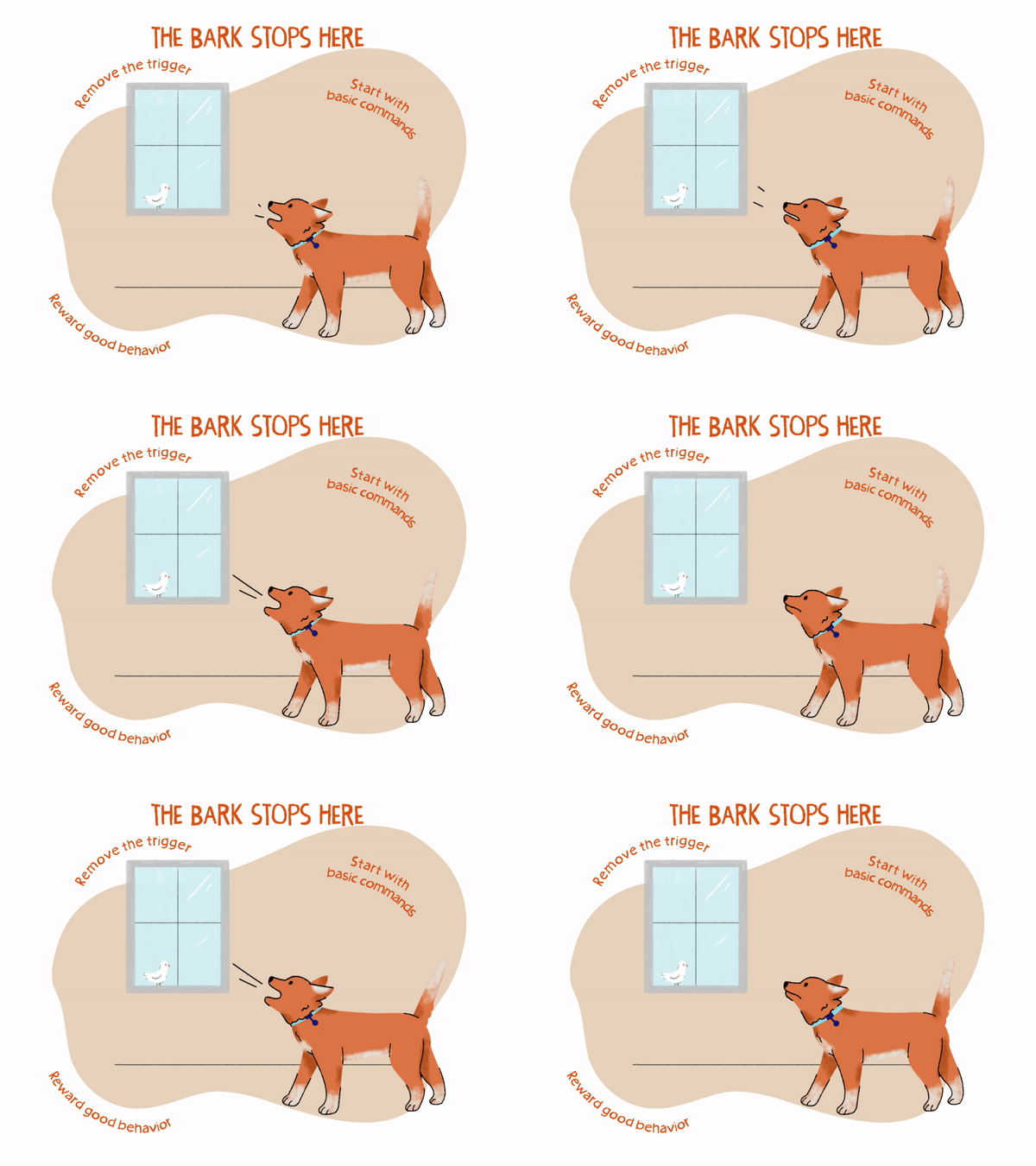
Use positive training to reduce nonstop barking. Reward quiet behavior, block views that trigger barking, and provide exercise and mental play. Avoid yelling, since shouting can increase stress and make the barking cycle worse.
Other helpful habits include:
• Use a harness for dogs that pull.
• Store small toys and chew items safely.
• Keep household chemicals out of reach.
• Avoid smoking near pets.
• Schedule routine dental and wellness exams.
• Watch older dogs for breathing or voice changes.
A calm routine helps too. Dogs are sensitive to changes in home life, and stress can affect both behavior and vocal habits.
Common Mistakes to Avoid
Many owners wait because their dog still seems cheerful. Dogs often hide discomfort, so a normal appetite does not always mean the throat or airway is healthy.
Another mistake is assuming every changed bark is kennel cough. Infection is one possibility, but allergies, foreign objects, airway disease, dental pain, and vocal strain can sound similar.
Avoid these mistakes:
• Waiting during breathing difficulty
• Using human cough medicine
• Pulling hard on a collar
• Ignoring a cough that keeps returning
• Exposing a sick dog to other dogs
• Assuming age explains every new symptom
When in doubt, call your veterinarian. A short phone conversation can help you decide whether to monitor at home or schedule an exam.
Frequently Asked Questions About Why Does My Dogs Bark Sound Different
Why does my dog’s bark sound hoarse?
A hoarse bark may result from excessive barking, throat irritation, infection, or a larynx problem. If it lasts more than a few days or comes with coughing or breathing trouble, contact your veterinarian.
Can allergies change a dog’s bark?
Yes, allergies can irritate the throat and upper airway. They may also cause sneezing, watery eyes, coughing, licking, or nasal discharge.
Why does my dog’s bark sound deeper than usual?
A deeper bark may reflect excitement, fear, age, or swelling in the throat. A sudden deep change with pain, coughing, or low energy deserves a veterinary check.
Can kennel cough make a dog’s bark sound different?
Yes, kennel cough may cause a harsh cough, gagging, and a raspy or weak bark. Keep the dog away from other dogs and ask your veterinarian about testing and treatment.
When should I worry about a changed bark?
Be concerned if the change is sudden, lasts several days, or appears with coughing, trouble swallowing, weakness, or poor appetite. Breathing difficulty, blue gums, or collapse requires emergency care.
Can a dog lose its bark from barking too much?
Yes, heavy barking can irritate the vocal cords and make the bark weak or hoarse. The voice should gradually improve with rest, but ongoing changes need veterinary advice.
Conclusion
A dog’s bark can change because of vocal strain, stress, aging, throat irritation, infection, pain, or airway disease. The key is to look at the full picture, including breathing, appetite, energy, coughing, and behavior.
If you keep wondering, “why does my dogs bark sound different,” record the sound, note other symptoms, and contact your veterinarian when the change persists or worsens. Trust your instincts, act quickly during breathing trouble, and share this guide with another dog owner who may need it.

Pet Care Writer & Researcher
Daniel writes practical guides on daily care, feeding, and safety, turning complex topics into simple, actionable advice.