How To Stop A Dog From Barking At Cars: Quick Training Tips
Learn how to stop a dog from barking at cars with proven training tips, calming techniques, and easy steps for peaceful walks.
Stop car barking by managing distance, rewarding calm behavior, and teaching your dog to focus on you.
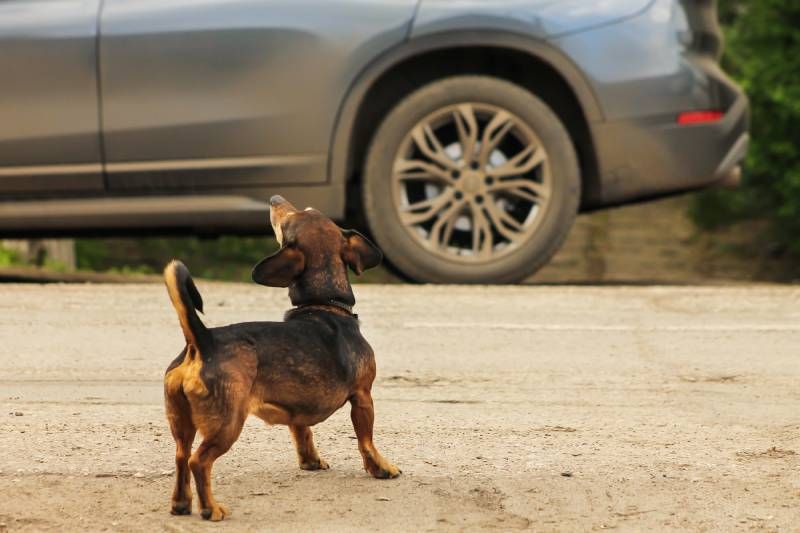
Dogs often bark at cars because fast movement triggers fear, excitement, frustration, or a chase response. The noise can feel intense, especially when a vehicle suddenly appears near the window or passes during a walk. Learning how to stop a dog from barking at cars takes patience, safe practice, and rewards that help your dog choose calm behavior instead. This guide explains the causes, training steps, common mistakes, and signs that professional help may be needed.

Why Dogs Bark at Cars
Car barking is common, but it does not have one single cause. Your dog may bark because the car feels threatening, because movement awakens a chase instinct, or because barking has become a daily habit.


Some dogs bark at cars only from inside the home. Others react while walking, riding in a car, or standing near a driveway. Watch your dog’s body language to understand the reason behind the noise.
Common causes include:
• Fear of fast, loud objects
• Excitement caused by movement
• Frustration when the dog cannot reach the car
• Territorial behavior near the home
• A learned habit that has grown stronger over time
• Herding or chasing instincts
• Stress from past experiences with traffic
A dog that barks while backing away, lowering its body, or tucking its tail may feel afraid. A dog that lunges forward, stiffens, and stares may feel excited, frustrated, or ready to chase.
The goal is not simply to stop the sound. The goal is to change the emotion behind the sound. When your dog feels safer and learns what to do instead, barking usually becomes less frequent.


How to Read Your Dog’s Body Language
Body language gives you an early warning. If you notice the first signs of stress, you can act before your dog starts barking.
Look for:
• Turning the head away
• Lip licking or yawning
• Stiff posture
• Raised hackles
• Hard staring
• Pacing
• Whining
• Pulling toward the road
• A tucked tail or crouched body
A calm dog may notice a car but quickly look back at you. A stressed dog may lock its eyes on the vehicle and stop responding to its name. That loss of focus tells you that the car is too close or the training is moving too fast.
In my experience, one of the biggest training mistakes is waiting for the first loud bark. By that point, the dog may be too aroused to learn. Start when your dog sees the car but can still eat, think, and respond.


Safety Comes First
Before you work on how to stop a dog from barking at cars, prevent dangerous chasing. A dog that runs toward traffic can be badly injured within seconds.
Use these safety steps:
• Keep your dog on a strong leash near roads.
• Check that the collar or harness fits well.
• Choose a front-clip or secure harness for dogs that pull.
• Keep gates and doors latched.
• Do not allow unsupervised access to a driveway.
• Use curtains, window film, or barriers if your dog barks through windows.
• Avoid retractable leashes near traffic.
Never punish your dog by hitting, yelling, or forcing it to stand close to passing vehicles. Harsh correction can increase fear and may make the barking worse. It can also teach the dog that cars predict pain or conflict.
If your dog has bitten, escaped, or nearly entered traffic, work with a qualified reward-based trainer. Safety must come before behavior goals.

The Main Training Method: Desensitization and Counterconditioning
The most reliable way to stop a dog from barking at cars is to change how the dog feels about them. Two methods help: desensitization and counterconditioning.
Desensitization means showing the trigger at a low level. The car may be far away, moving slowly, or partly hidden. Counterconditioning means pairing that sight with something your dog loves, such as small pieces of chicken or cheese.
Over time, the dog learns:


“Cars appear, and good things happen. I can look at my person instead of barking.”
Follow these steps:
- Find the right distance.
Stand far enough from the road that your dog can see cars without barking. This may be 50 feet, 100 feet, or more. Every dog has a different comfort zone.
- Let your dog notice a car.
Do not pull your dog’s head toward the vehicle. Let the dog see it naturally.
- Mark calm behavior.
Say “yes” in a calm voice or use a clicker as soon as your dog notices the car without barking.
- Give a high-value treat.
Offer the treat right away. Use tiny pieces so you can reward often.
- Repeat for short sessions.
Practice for five to ten minutes. End while your dog is still calm.
- Reduce the distance slowly.
Move closer only after your dog can stay relaxed during several sessions. If barking starts, move farther away.
This process can feel slow, but slow training is often faster in the long run. Pushing too close can cause a setback and teach your dog to react more strongly.

Teach an Alternative Behavior
Telling a dog “no” does not explain what to do instead. Give your dog a clear replacement behavior.
Useful skills include:
• Looking at you when called
• Touching your hand with its nose
• Sitting beside you
• Walking away from the road
• Going to a mat
• Searching for treats on the ground
Start these skills in a quiet room. Then practice in the yard, on a calm sidewalk, and later near slow-moving traffic at a safe distance.
A simple “look” exercise works well:
-
Hold a treat near your face.
-
Say your dog’s name once.
-
Reward eye contact.
-
Repeat until your dog looks at you quickly.
-
Practice near cars, but stay below the barking threshold.
If your dog cannot look away from a car, do not repeat the cue over and over. Increase the distance and try again. A cue loses value when the dog hears it many times but cannot respond.

Use the “Find It” Game
The “find it” game gives your dog a safe task when a car appears. It also moves the dog’s nose toward the ground, which can help reduce visual focus on traffic.
To teach it:
• Say “find it” in a cheerful voice.
• Toss a few treats onto the ground.
• Let your dog sniff and eat them.
• Repeat indoors before using the game outside.
When a car approaches, say “find it” before your dog barks. Scatter treats on the side away from traffic. Keep your leash short enough for safety, but avoid constant tight pressure.
Sniffing is not a cure for every reaction. A highly fearful dog may ignore food. If that happens, create more distance and use a calmer setup.

How to Stop a Dog From Barking at Cars From the Window
Window barking can become a strong routine. Your dog sees movement, rushes to the glass, barks, and the car disappears. The dog may believe the barking made the car leave.
Start by managing the view:
• Close blinds during busy traffic times.
• Apply removable frosted film to the lower part of the window.
• Move furniture away from the window.
• Use a baby gate to block access.
• Play white noise during peak traffic.
• Give your dog a chew or food puzzle in another room.
Then teach a calm window routine. When your dog sees a car, call it away from the window and reward it for coming to you. If needed, begin with a quiet street or a partially covered window.
Do not open the window so your dog can bark at passing cars. This may increase arousal and create a stronger habit.

How to Stop a Dog From Barking at Cars on Walks
Walks near traffic need careful planning. Choose a quiet time of day and use a route with room to step away from the street.
When you spot a car:
-
Move to a safe distance.
-
Keep your voice calm.
-
Let your dog notice the vehicle.
-
Mark the moment of calm.
-
Feed several small treats.
-
Walk away or continue only if your dog remains relaxed.
Use parked cars, hedges, and wide driveways as visual barriers when safe. Avoid trapping your dog between a moving vehicle and a fence. Your dog needs an escape path and enough space to feel secure.
If a car appears suddenly, turn and walk away. You do not need to complete the training exercise every time. Avoiding a full reaction is still a useful success.
How to Stop a Dog From Barking at Cars in the Yard
A yard can encourage territorial barking. Your dog may feel responsible for defending the fence, gate, or property.
Start with management:
• Do not leave your dog outside alone for long periods.
• Add privacy screening to see-through fences.
• Keep the dog away from the front boundary.
• Call your dog inside before traffic becomes busy.
• Reward calm behavior near the property line.
You can also teach a “thank you” routine. When your dog gives one or two alert barks, calmly say “thank you,” call the dog to you, and reward it. Then guide the dog to a mat or indoor area.
This routine does not work if the dog is already barking nonstop. Practice when the dog is calm, and use distance or barriers to prevent repeated rehearsal.
What to Do When Your Dog Starts Barking
Even with good training, your dog may bark. Your response can either lower or raise the intensity.
Try this:
• Stay calm and avoid shouting.
• Create distance from the car.
• Use a trained cue such as “come” or “find it.”
• Reward any pause, glance, or step toward you.
• Leave the area if your dog cannot recover.
Do not yank the leash or drag your dog toward the trigger. Do not keep saying “quiet” while the barking continues. Wait for a small pause, reward it, and then move away.
A single quiet second is a starting point. With practice, that second can become ten seconds, then a calm walk past traffic.
Common Mistakes to Avoid
Many owners work hard but accidentally reward the reaction. These mistakes are easy to make.
Waiting too long
If you wait until your dog is lunging and barking, learning becomes difficult. Begin at the first sign of concern.
Moving too close too soon
Progress is not measured by how close your dog can get to a car. Progress means your dog can notice a car and remain relaxed.
Using low-value treats
Dry kibble may not compete with a large moving vehicle. Try small, soft treats that your dog rarely gets.
Punishing the barking
Punishment may stop the sound for a moment, but it does not always remove fear or frustration. It can also damage trust.
Practicing for too long
Short sessions are more effective than exhausting drills. Stop if your dog becomes tense, distracted, or unwilling to eat.
Allowing daily rehearsal
Every unplanned chase or long barking session can strengthen the habit. Management is part of training, not a sign of failure.
One lesson I have seen many owners learn the hard way is that consistency matters more than intensity. Five calm minutes each day often beat one stressful hour on the weekend.
How Long Does Training Take?
The timeline depends on your dog’s age, history, temperament, and reaction level. Mild excitement may improve within a few weeks of steady practice. Fear, aggression, or a long-standing chasing habit may take several months.
Track simple details after each session:
• Distance from the car
• Number of barking episodes
• Recovery time
• Treats accepted
• Whether your dog responded to its name
Progress may not look perfect each day. A dog can improve overall while still reacting on a noisy or stressful day.
If your dog suddenly begins barking at cars after years of calm behavior, schedule a veterinary check. Pain, hearing changes, vision problems, or age-related changes can affect behavior. Sudden behavior shifts deserve careful attention.
When to Contact a Professional
Professional help is wise when your dog:
• Lunges hard enough to pull you down
• Tries to escape the yard
• Snaps or bites when restrained
• Cannot eat near cars
• Takes a long time to recover
• Reacts to nearly every vehicle
• Has injured itself during a chase
Choose a certified, reward-based behavior professional. Ask what methods they use and avoid anyone who promotes fear, pain, dominance, or guaranteed instant results.
A veterinarian may refer you to a veterinary behaviorist. In some cases, medication can reduce severe anxiety and help the dog learn. Medication should support a complete behavior plan, not replace training, and it should only be used under veterinary guidance.
Research in animal behavior supports reward-based training for better welfare and safer learning. Still, every dog is different, and no single method works at the same speed for every case.
A Simple Seven-Day Training Plan
Use this plan as a starting point. Adjust it to your dog’s comfort level.
Day 1: Find the threshold
Watch cars from a safe distance. Record when your dog stays calm and when barking begins.
Day 2: Reward car watching
Give a treat each time your dog sees a car and remains quiet.
Day 3: Add eye contact
Reward your dog for looking at you after noticing a vehicle.
Day 4: Practice “find it”
Use the treat scatter game before barking starts.
Day 5: Add gentle movement
Walk a short distance while cars pass far away. Reward calm steps.
Day 6: Practice near a new location
Choose a quiet area with safe space. Keep the distance generous.
Day 7: Review and repeat
Note what worked. Do not reduce distance unless your dog stayed calm during several sessions.
If your dog struggles on any day, return to an easier step. Training is not a straight line. It is more like building a bridge, one safe plank at a time.
Frequently Asked Questions About How to Stop a Dog From Barking at Cars
Why does my dog bark and chase cars?
Dogs may chase cars because of fear, excitement, frustration, territorial behavior, or a natural response to fast movement. Chasing is dangerous, so prevent access to roads while you teach calm behavior.
Should I yell “quiet” when my dog barks at cars?
Yelling can increase excitement or fear and may sound like you are joining the barking. Use distance, a calm cue, and rewards for even brief moments of silence instead.
Can treats stop a dog from barking at cars?
Treats can help change your dog’s emotional response when used before the dog becomes overwhelmed. They work best with gradual exposure, safe distance, and a clear alternative behavior.
How close should my dog be to cars during training?
Begin far enough away that your dog can notice cars without barking and can still eat or respond to you. Move closer only after repeated calm sessions.
What if my dog will not take treats near traffic?
Your dog is likely too stressed or too close to the trigger. Move farther away, use a quieter location, and shorten the session.
Will a bark collar stop my dog from barking at cars?
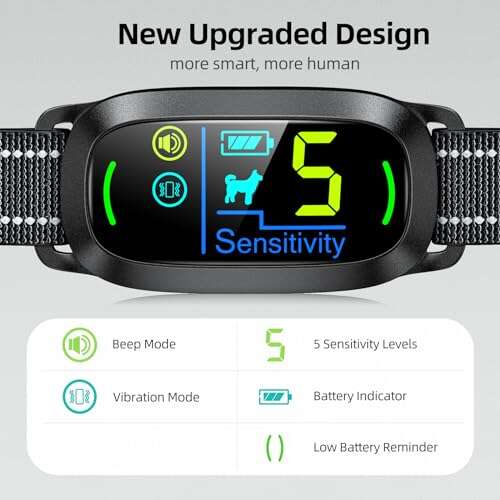
A bark collar may suppress sound without addressing fear, frustration, or chasing behavior. It can increase stress in some dogs, so reward-based training and professional guidance are safer first choices.
Can an older dog learn not to bark at cars?
Yes, older dogs can learn new responses, although progress may be slower. First rule out pain, hearing loss, vision changes, or other health concerns with a veterinarian.
Conclusion
Learning how to stop a dog from barking at cars starts with safety, distance, and patience. Prevent chasing, identify your dog’s trigger, reward calm behavior, and teach a simple skill such as eye contact or “find it.” Avoid punishment and move at a pace your dog can handle.
Small wins matter. A quiet glance, a relaxed breath, or one step away from the road is real progress. Start with one short session today, track the results, and contact a qualified reward-based trainer if the reaction feels unsafe or overwhelming.

Pet Care Writer & Researcher
Daniel writes practical guides on daily care, feeding, and safety, turning complex topics into simple, actionable advice.