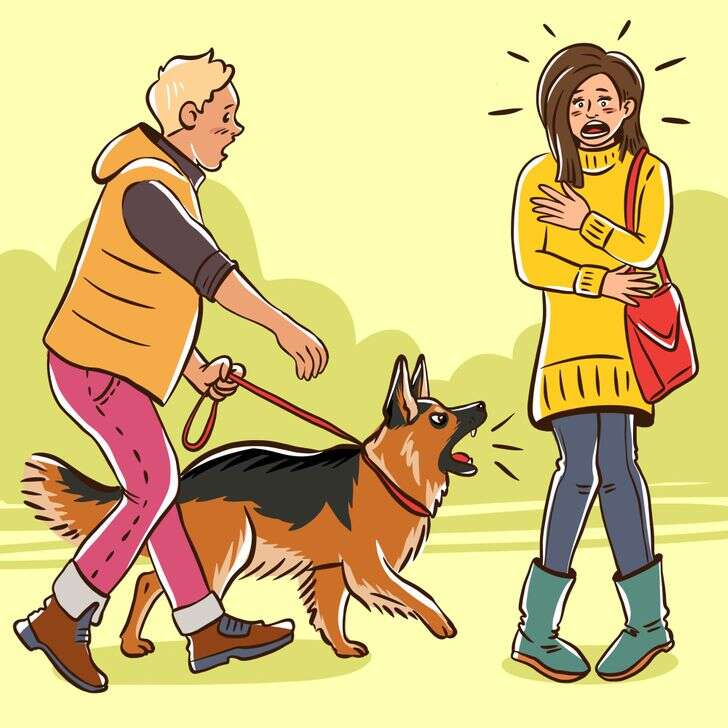
Why Does German Shepherd Bark So Much: Causes And Solutions
Why does german shepherd bark so much? Learn the common causes and proven ways to reduce excessive barking and keep your dog calm.
German Shepherds bark so much because they are alert, social, energetic dogs with strong guarding instincts.
If you wonder why does German Shepherd bark so much, the answer is rarely simple or purely behavioral. Barking may signal fear, boredom, excitement, pain, territorial concern, or a need for guidance. This guide explains the most common causes, shows how to read each bark, and offers safe training steps that work in daily life.
Why Does German Shepherd Bark So Much?
German Shepherds were bred to work closely with people, watch their surroundings, and respond quickly to change. Their sharp hearing and strong protective drive make them excellent working dogs, but these traits can also lead to frequent barking.
A German Shepherd may bark at a visitor, a delivery truck, a dog across the street, or a sound you cannot hear. In many cases, barking is the dog’s way of saying, “Something has changed. Please pay attention.”
The main reasons include:
• Territorial behavior around the home or yard
• Fear of unfamiliar people, dogs, sounds, or places
• Boredom and unused mental energy
• Excitement during play, walks, or greetings
• Separation distress when left alone
• A learned habit that earns attention
• Pain, illness, hearing changes, or age-related confusion
Barking is normal communication. The goal is not to stop every bark. The goal is to understand the cause and teach your dog when quiet behavior is safer and more useful.

Common Reasons German Shepherds Bark Excessively
Territorial and protective barking
German Shepherds often feel responsible for their home and family. A person near the fence or a stranger at the door can trigger a strong warning response.
This barking may include a stiff body, forward ears, a high tail, and focused staring. The dog may rush to a window or fence and continue barking after the person has passed.
Do not punish this response harshly. Yelling can make your dog think you are joining the alarm. It may also increase fear or make the dog bark more intensely.
Fear-based barking
Fear barking often sounds sharp, fast, or frantic. The dog may move backward, lower the body, tuck the tail, lick the lips, or avoid eye contact.
A fearful German Shepherd is not trying to “be dominant.” The dog is trying to create distance from something that feels unsafe. Forced greetings and punishment can make this problem worse.
Boredom and excess energy
German Shepherds need more than a short walk around the block. They need physical exercise, mental work, and social contact.
A bored dog may bark at birds, shadows, passing cars, or small sounds. Other signs include pacing, digging, chewing, jumping, and stealing objects.
Exercise helps, but physical exercise alone may not solve the problem. A dog can become physically tired while still feeling mentally restless.
Excitement barking
Some German Shepherds bark when they see a leash, ball, car, or favorite person. Their body may look loose, their tail may wag, and they may bounce or spin.
This barking is not always linked to fear or aggression. Still, it can become a habit if the dog gets the reward it wants, such as a walk, toy, or greeting.
Attention-seeking barking
Dogs learn from results. If barking makes you talk, look, open a door, or give food, the dog may repeat it.
Even negative attention can reward barking. A dog may not care whether you say “good dog” or “be quiet” if both responses give you to the dog’s attention.
Separation-related barking
Some German Shepherds bark mainly when left alone. Other signs can include scratching doors, drooling, pacing, destruction, house-soiling, and escape attempts.
This may point to separation anxiety rather than simple boredom. A camera can help you learn what happens after you leave.

How to Read a German Shepherd’s Bark
The sound alone does not tell the whole story. Watch your dog’s body, the setting, and what happens before and after the barking.
A low, deep bark with a stiff posture may signal a perceived threat. A high, rapid bark with jumping may show excitement or frustration. Whining mixed with barking may point to stress, discomfort, or a request.
Look for these clues:
• Loose body and wagging tail: excitement or social greeting
• Stiff body and fixed stare: alertness or concern
• Leaning away or tucked tail: fear or discomfort
• Pacing and panting: stress, pain, or separation distress
• Barking at a window: visual triggers and territorial behavior
• Barking after a long quiet period: possible sound, scent, or environmental change
Keep a simple bark log for several days. Record the time, trigger, body language, length of barking, and your response. Patterns often appear quickly.
For example, you may discover that your dog barks most between 5 p.m. and 7 p.m. when neighborhood activity increases. That information allows you to close the blinds, provide a food puzzle, and practice quiet behavior before the trigger starts.

How to Stop a German Shepherd From Barking
The best method depends on the reason for the barking. Start by changing the environment, then teach an alternate behavior.
1. Rule out health problems
A sudden increase in barking deserves attention. Pain, thyroid problems, hearing loss, vision changes, and cognitive decline can affect behavior.
Schedule a veterinary exam if barking begins suddenly or comes with other changes. Seek help sooner if your dog seems painful, confused, weak, unusually thirsty, or aggressive.
2. Reduce common triggers
Management prevents your dog from practicing the problem again and again.
Try these steps:
• Close curtains or use privacy film on windows
• Move furniture away from fence lines
• Bring your dog indoors during busy periods
• Use white noise to soften outdoor sounds
• Keep your dog away from the front door during deliveries
• Use a secure, opaque fence if visual triggers cause barking
Management is not a failure. It is like putting a raincoat on before a storm. It gives training a better chance to work.
3. Increase daily enrichment
Offer activities that use the nose, mouth, and brain.
Good options include:
• Sniff walks where your dog can explore safely
• Short obedience sessions
• Treat scatter games in grass
• Food puzzles and stuffed toys
• Hide-and-seek with family members