What Is A Good Safe Dog Food: Safe, Healthy Choices
What Is A Good Safe Dog Food? Learn which ingredients, nutrients, and trusted feeding tips help keep your dog healthy and happy.
A good safe dog food is complete, balanced, age appropriate, made with quality ingredients, and suited to your dog’s health needs.
Choosing safe dog food sounds simple until you face a shelf packed with labels, claims, and unfamiliar ingredients. The best choice depends on more than a shiny package or a “natural” badge. It requires careful attention to nutrition, food safety, life stage, ingredient quality, and your dog’s individual needs. This guide explains what is a good safe dog food, how to read a label, which ingredients deserve caution, and when to ask your veterinarian for help.
What Is a Good Safe Dog Food?
What is a good safe dog food? It is a food that provides complete and balanced nutrition for your dog’s life stage, follows recognized safety standards, and is made by a company with strong quality controls.
A safe food should support normal growth, healthy muscles, a stable weight, good digestion, and a strong immune system. It should also match your dog’s age, size, activity level, and medical history.
Look for these key features:
• A statement that the food is complete and balanced
• Nutrition designed for your dog’s life stage
• Clear feeding directions
• A manufacturer with reliable quality testing
• Safe handling and storage instructions
• Contact details for the company
The phrase “complete and balanced” has a specific meaning in the United States. It means the food is intended to provide all required nutrients when fed as directed. The nutritional standards are set through recognized nutrient profiles and feeding trial methods.
A food can contain excellent ingredients and still be unsuitable for your dog. For example, a rich puppy formula may cause weight gain in an adult dog. A high calorie food may be a poor choice for a quiet senior dog. Good nutrition is personal, much like choosing the right pair of shoes.
How to Read a Dog Food Label
Dog food labels contain useful information, but marketing language can distract from the facts. Start with the nutrition adequacy statement, then review the life stage, calorie content, ingredients, and feeding guide.
Check the nutritional adequacy statement
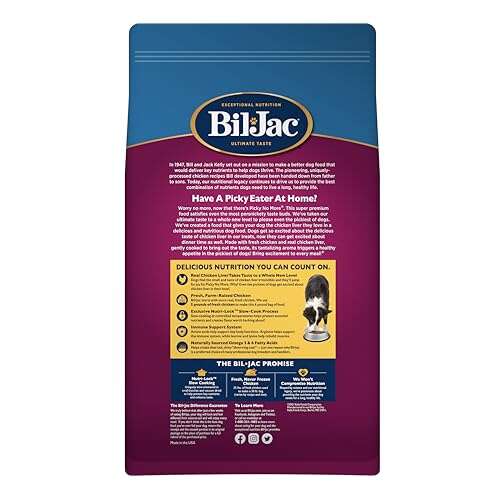
The nutritional adequacy statement is often found in small print on the back or side of the package. It may say that the food is complete and balanced for:
• Growth
• Maintenance
• All life stages
• Gestation and lactation
Puppies need different nutrient levels than adult dogs. Large breed puppies also need careful control of calories, calcium, and phosphorus to support steady bone growth. A food for “all life stages” may meet the needs of puppies, adults, and pregnant dogs, but it may not be the best fit for every individual dog.
Review the guaranteed analysis
The guaranteed analysis lists minimum or maximum levels of nutrients such as:
• Crude protein
• Crude fat
• Crude fiber
• Moisture
These numbers do not tell the whole story. Protein quality, digestibility, calorie density, and the balance of amino acids also matter. A high protein number alone does not prove that the food is superior.
Wet food contains more water than dry food, so comparing protein percentages between canned and dry foods can be misleading. A veterinarian or veterinary nutritionist can help compare foods on a dry matter basis when needed.
Find the calorie information
Calories matter for weight control. Many dogs gain weight because owners follow the feeding chart without adjusting for treats, activity, age, or metabolism.
Look for calories listed as kilocalories per cup, can, pouch, or kilogram. Start with the feeding guide, then watch your dog’s body condition. You should be able to feel the ribs without pressing hard, while the waist should be visible from above.
What Ingredients Make Dog Food Safe?
A good safe dog food does not need a trendy ingredient list. It needs a well-formulated recipe that supplies the right nutrients in the right amounts.
Animal and plant proteins
Dogs can use nutrients from both animal and plant sources. Meat, poultry, fish, eggs, legumes, grains, and vegetables can all contribute to a balanced diet.
The key question is not whether one ingredient sounds impressive. The key question is whether the full recipe supplies enough essential amino acids, vitamins, minerals, and energy.
Healthy fats
Fats provide energy and help the body absorb vitamins. They also support the skin, coat, brain, and immune system.
Useful fat sources may include chicken fat, fish oil, and other named animal or plant oils. Fish oil can provide omega 3 fatty acids, but the amount and freshness matter. A strong fish smell may signal rancid fat, so always check the package condition and expiration date.
Carbohydrates and fiber
Dogs do not require carbohydrates in the same way they require certain amino acids and fatty acids, but carbohydrates can provide energy and useful fiber.
Rice, oats, barley, corn, potatoes, peas, and other ingredients may be safe for many dogs. The right choice depends on the recipe and your dog’s tolerance. Whole grains are not automatically harmful, and grain free does not automatically mean healthier.
Fiber can support bowel health, but too much may reduce calorie density or cause gas and loose stool.
Vitamins and minerals
A balanced dog food should provide nutrients such as calcium, phosphorus, zinc, copper, vitamin A, and vitamin D in safe amounts. Both deficiencies and excesses can cause harm.
This is one reason homemade diets can be risky without professional formulation. A recipe that looks healthy may lack essential nutrients or contain too much of another nutrient.

Is Grain Free Dog Food Safe?
Grain free dog food is not automatically unsafe, but it is not automatically better. Many dogs digest grains well, and grains can provide useful nutrients, energy, and fiber.
The United States Food and Drug Administration investigated reports of canine dilated cardiomyopathy associated with some diets that contained high levels of peas, lentils, chickpeas, or potatoes. The issue is complex, and research has not shown that every grain free diet causes heart disease. Still, the concern supports a careful approach.
Do not remove grains unless your veterinarian recommends it. True food allergies are less common than many owners think. Dogs are more often allergic to certain animal proteins than to grains, although any food ingredient can cause a reaction.
If your dog has a diagnosed allergy, your veterinarian may recommend a prescription elimination diet. This process is more reliable than switching between many over the counter “limited ingredient” foods.
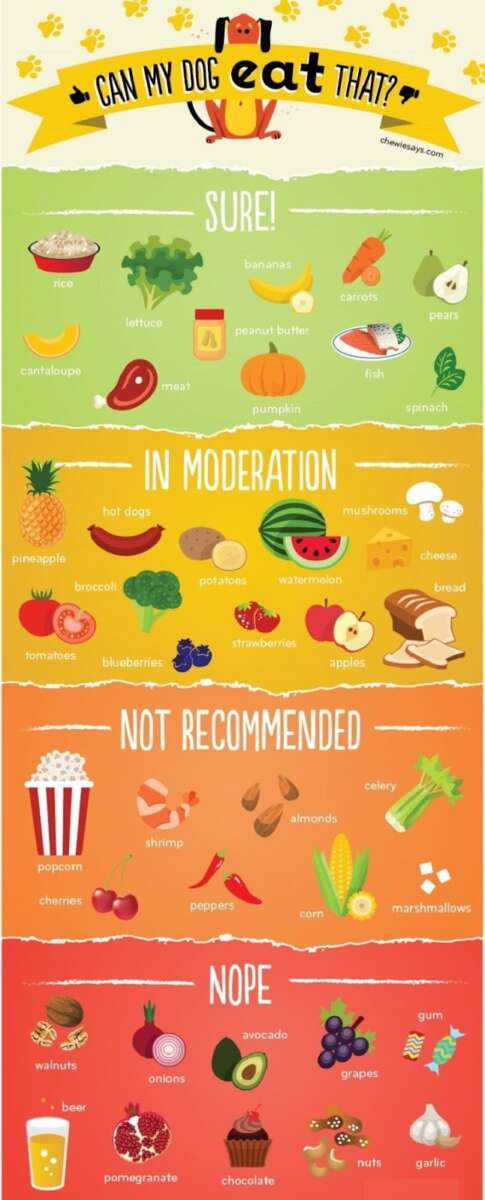
Ingredients and Foods to Avoid
Knowing what not to feed is an important part of understanding what is a good safe dog food. Some ingredients are unsafe in large amounts, while others are dangerous even in small amounts.
Never intentionally feed dogs these foods:
• Chocolate and cocoa
• Grapes and raisins
• Onions, garlic, leeks, and chives
• Xylitol, also called birch sugar
• Alcohol
• Caffeinated drinks
• Macadamia nuts
• Raw yeast dough
• Cooked bones
• Very fatty table scraps