What Goes Into Dog Food: Ingredients Explained
Learn what goes into dog food, from quality proteins to essential vitamins, and find out which ingredients support your dog’s health and nutrition.
Dog food contains animal or plant proteins, fats, carbohydrates, vitamins, minerals, water, and tested additives.
Knowing what goes into dog food helps you choose meals that fit your dog’s age, size, health, and lifestyle. Ingredient lists can look confusing, but they follow a clear pattern. Once you understand proteins, fats, carbohydrates, supplements, processing, and label rules, you can judge a food with much more confidence.
What goes into dog food?
The short answer is that dog food combines nutrient-rich ingredients to provide energy, support muscles, protect organs, and keep the body working well. The exact recipe changes by brand, product type, life stage, and health goal.
Most complete dog foods include:
• Protein from meat, poultry, fish, eggs, legumes, or grains
• Fat from animal fats or plant oils
• Carbohydrates from grains, potatoes, peas, lentils, or other plants
• Fiber from vegetables, fruit, beet pulp, or plant ingredients
• Vitamins and minerals added in measured amounts
• Water, especially in canned and fresh foods
• Preservatives, antioxidants, or other approved additives
A good recipe is more than a list of trendy ingredients. It must deliver the right balance of nutrients. Think of it like building a house. Protein forms much of the structure, fats provide fuel, carbohydrates can supply energy, and vitamins and minerals help keep each system running.
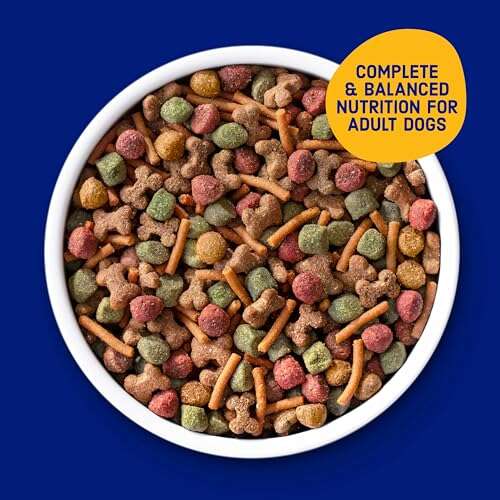
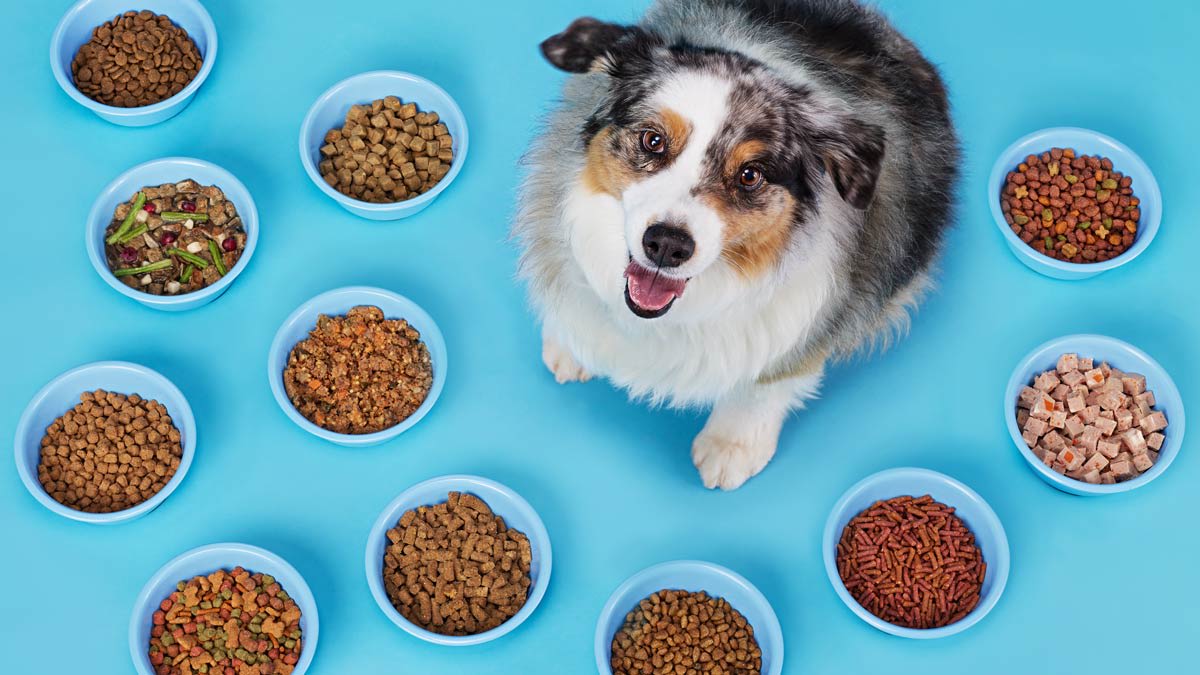
What goes into dog food also depends on whether it is dry kibble, canned food, fresh food, freeze-dried food, or a treat. Each form needs a different method of preparation and preservation.

Protein: the main building block
Protein provides amino acids. Dogs use these amino acids to build and repair muscles, skin, hair, enzymes, hormones, and immune cells.
Common protein sources include:
• Chicken, turkey, beef, pork, lamb, and other meats
• Fish such as salmon, whitefish, and sardines
• Eggs
• Meat meals, such as chicken meal or lamb meal
• Plant proteins from peas, lentils, soy, corn, rice, and other plants
A named meat meal is not the same as a vague ingredient such as “meat meal.” A named meal, such as chicken meal, identifies the animal source. Meal is made by cooking ingredients to remove much of the water and fat. This creates a concentrated source of protein.
Fresh meat can appear high on a label because it contains a lot of water. After cooking, its weight drops. This does not mean fresh meat is useless, but it does mean the ingredient list needs careful reading.
Dogs need specific amino acids, not simply a high protein number. A food with 30% crude protein is not automatically better than one with 25%. Protein quality, digestibility, amino acid balance, and your dog’s health all matter.
Puppies, pregnant dogs, highly active dogs, and some recovering dogs may need more protein or calories. Dogs with certain kidney or liver conditions may need a carefully managed diet from a veterinarian.
Fats and essential fatty acids
Fat is one of the most concentrated energy sources in dog food. It helps dogs absorb vitamins A, D, E, and K. Fat also supports healthy skin, a soft coat, brain function, and normal cell activity.
Common fat sources include:
• Chicken fat
• Fish oil
• Salmon oil
• Beef fat
• flaxseed
• Canola oil
• Sunflower oil
• Poultry fat
Omega-3 fatty acids, including EPA and DHA, are especially useful for brain health, eye health, skin, and normal inflammatory responses. Fish oil is a common source. Some plant oils provide alpha-linolenic acid, but dogs may convert only limited amounts of it into EPA and DHA.
More fat is not always better. Fat supplies many calories, so a rich diet can cause weight gain in dogs that are less active. A sudden increase in fat may also cause loose stools in sensitive dogs.
When reviewing what goes into dog food, look for a clear fat source and consider the calorie content. A small dog can gain weight quickly from a food that seems healthy but is very energy-dense.
Carbohydrates, grains, and fiber
Dogs can digest cooked carbohydrates. They are not required to eat a grain-free diet unless a veterinarian identifies a specific medical reason.
Carbohydrate sources may include:
• Rice
• Oats
• Barley
• Corn
• Wheat
• Potatoes
• Sweet potatoes
• Peas
• Lentils
Carbohydrates can provide energy and help form the structure of kibble. They may also make food easier to process and keep its texture stable.
Fiber supports normal digestion and stool quality. Some fibers feed helpful gut bacteria, while others add bulk and help food move through the digestive tract. Beet pulp, pumpkin, chicory root, cellulose, and vegetable fibers may appear on labels.
Grain-free does not mean carbohydrate-free. Grain-free foods often use potatoes, peas, lentils, or tapioca instead. The absence of grains does not automatically make a food healthier.
The FDA has investigated reports involving certain diets and canine dilated cardiomyopathy. Research is still developing, and the cause is not simple. If you choose a grain-free diet, discuss it with your veterinarian instead of relying only on marketing claims.
Vitamins and minerals
Vitamins and minerals support bones, nerves, blood, muscles, immunity, and many chemical reactions in the body. Dog food makers add them in precise amounts because natural ingredients alone may not provide a consistent nutrient balance.
Important nutrients include:
• Calcium and phosphorus for bones and teeth
• Zinc for skin and immune function
• Iron for healthy blood
• Copper for blood cells and connective tissue
• Iodine for thyroid function
• Vitamin A for vision and immune health
• Vitamin D for calcium control and bones
• Vitamin E for cell protection
• B vitamins for energy metabolism and nerve function
The balance matters as much as the amount. Too little calcium can harm growing bones, while excess calcium may also create problems in puppies. This is one reason homemade diets can be risky without professional formulation.
A supplement added to a complete diet is not always helpful. Extra vitamin D, calcium, selenium, or other nutrients can become harmful at high levels. Never add supplements based only on advice from social media or a pet store display.
Water and moisture
Water is a major part of what goes into dog food, especially wet food. Canned diets may contain roughly 70% to 80% moisture, while dry kibble often contains around 8% to 12%.
Wet food can help increase daily water intake. This may be useful for dogs that drink little, although it is not a treatment for kidney disease or urinary problems by itself.
Dry food has less water but is convenient, easy to measure, and simple to store. Some dogs prefer its texture, while others eat wet or fresh food more willingly.
The best choice depends on your dog’s health, preferences, budget, and feeding routine. Fresh drinking water should always be available, no matter which food type you use.

Additives, preservatives, and supplements
Additives are not automatically harmful. Many serve a useful purpose. They may protect food from spoilage, keep nutrients stable, improve texture, or add important nutrients.
Common additives include:
• Mixed tocopherols, which are forms of vitamin E used as antioxidants
• Citric acid, which can help control oxidation
• Rosemary extract, used in some foods as an antioxidant
• Natural flavors, often added to improve taste
• Probiotics, which may support digestive health
• Glucosamine and chondroitin, often used in joint formulas
• Taurine, an important nutrient added to some diets
The word “natural” needs context. Natural preservatives can still have limitations, and synthetic preservatives are not automatically unsafe when used within approved limits.
Some dogs react to certain ingredients, but true food allergies are less common than many owners believe. Common allergens can include beef, dairy, chicken, and wheat. Symptoms may include ongoing itching, ear problems, vomiting, or diarrhea, but these signs can have many causes.
A proper elimination diet, guided by a veterinarian, is more reliable than switching between many foods at random. Constant changes can make it difficult to identify the real trigger.
How dry dog food is made
Dry kibble often starts as a mixture of ground ingredients. Water and steam are added, and the mixture is cooked under heat and pressure in a process called extrusion.
After cooking, the food is shaped into pieces and dried. Fat, flavor coatings, vitamins, or probiotics may be added after cooking because some nutrients are sensitive to heat.
The process helps control many harmful microbes and creates a shelf-stable product. However, heat can affect certain nutrients, which is why manufacturers add measured vitamins and minerals to meet nutrient targets.
Not every dry food is extruded. Some products are baked, air-dried, or gently dehydrated. Each method changes the texture, moisture level, calorie density, and storage needs.
When considering what goes into dog food, remember that the ingredient list shows the recipe, not the full manufacturing story. Processing affects digestibility, safety, shelf life, and nutrient availability.

How canned, fresh, and raw dog food differ
Canned food is cooked in a sealed container. This process uses heat to control harmful bacteria and creates a product with a long shelf life before opening.
Fresh refrigerated food may be gently cooked or pasteurized. It usually has more moisture and may look closer to home-cooked food, but it still needs careful handling and refrigeration.
Freeze-dried food has most of its water removed at low temperatures. It is light and convenient, but it is not always sterile. Some freeze-dried foods should be rehydrated, and package instructions should be followed.
Raw food may contain uncooked meat, bones, organs, and plant ingredients. Raw diets can carry bacteria such as Salmonella or Listeria. These organisms can affect dogs and people, including children, older adults, pregnant people, and those with weak immune systems.
The American Veterinary Medical Association and other veterinary groups have raised safety concerns about pathogen exposure and nutritional imbalance in some raw diets. If you feed raw food, ask a veterinary nutrition professional to review the plan and use strict hygiene.
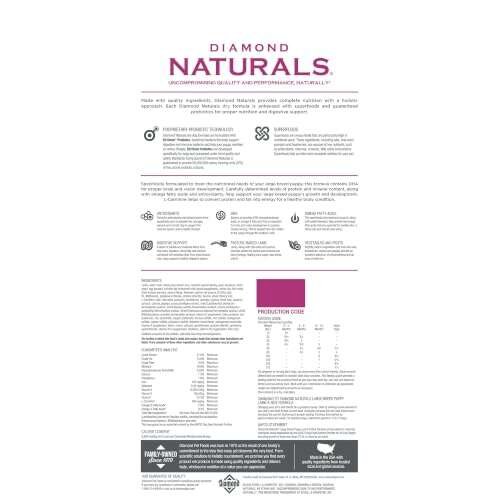
How to read a dog food label
A label can answer many questions about what goes into dog food, but it must be read in the right order.
Start with the following details:
-
Check the product name. Terms such as “with chicken” may legally mean a smaller amount of that ingredient than “chicken recipe.”
-
Find the intended life stage. Look for puppy, adult maintenance, all life stages, or a statement for growth and reproduction.
-
Read the ingredient list. Ingredients are listed by weight before cooking, so high-moisture foods may appear first.
-
Review the guaranteed analysis. This usually lists minimum crude protein and fat, plus maximum crude fiber and moisture.
-
Look for a nutritional adequacy statement. This shows whether the food is designed to be complete and balanced.
-
Check feeding directions. These are starting points, not perfect rules for every dog.
-
Review calories. Calorie information helps prevent accidental overfeeding.
The guaranteed analysis has limits. It does not show protein quality, amino acid balance, digestibility, or the exact amount of every nutrient. For a fair comparison, dry-matter calculations may be needed because wet and dry foods contain different amounts of water.
A veterinarian can help interpret labels for dogs with allergies, obesity, diabetes, kidney disease, urinary disease, or digestive disorders.
What “complete and balanced” really means
“Complete and balanced” means a food is designed to meet established nutrient profiles or has passed a feeding trial recognized by the Association of American Feed Control Officials.
This statement is one of the most useful parts of a dog food label. It does not mean the food is perfect for every dog. It means the product is intended to provide the required nutrients for a stated life stage when fed as directed.
A treat, topper, broth, or snack may not be complete and balanced. These products should usually make up only a small part of daily calories. A common practical rule is to keep treats near 10% or less of daily calories, unless your veterinarian gives different advice.
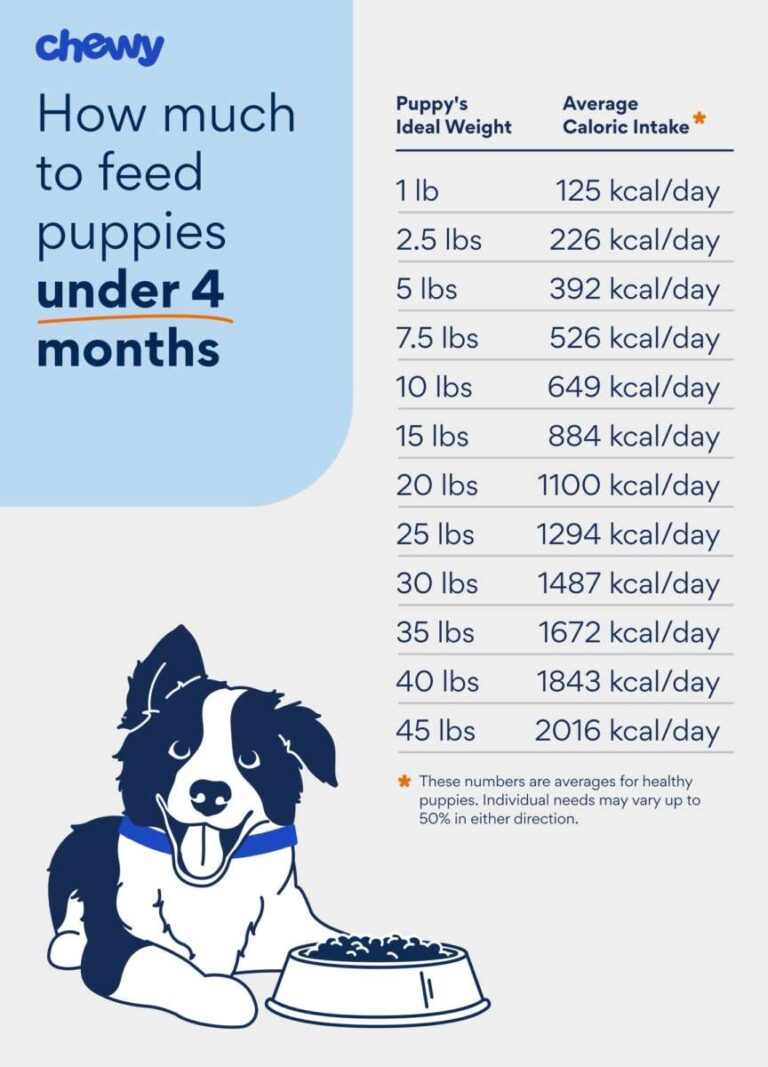
Puppy foods need special care. Large-breed puppies need controlled calcium, phosphorus, and energy to support steady growth. Feeding an adult formula or an unbalanced homemade diet to a growing puppy may lead to serious problems.
Ingredients that deserve closer attention
Some ingredients are safe and useful but can be misunderstood. Others need more caution.
Pay attention to:
• Vague animal terms, such as unspecified meat or animal fat
• Excessive artificial flavoring used to make poor-quality food more appealing
• High calorie density in foods for less active dogs
• Very high mineral levels in diets for dogs with kidney or urinary concerns
• Unclear claims about human-grade ingredients
• Products without a clear adequacy statement
• Homemade recipes that lack measured vitamins and minerals
By-products also deserve a fair explanation. Organ meats such as liver and kidney are by-products, but they can provide valuable nutrients. The term does not automatically mean waste or poor quality.
Likewise, corn, wheat, and soy are not automatically fillers. They can provide energy, protein, fatty acids, vitamins, minerals, and fiber. The quality of the full diet matters more than fear of one ingredient.
The biggest mistake I see when comparing foods is judging the front of the bag instead of the complete label. Words such as premium, ancestral, holistic, and natural can sound impressive, but they do not replace nutritional adequacy and good manufacturing controls.
Choosing food for your dog
The best food is one your dog can digest well, enjoys eating, and can safely eat over time. It should also match the dog’s life stage and medical needs.
Use this simple checklist:
• Choose a complete and balanced diet for the correct life stage.
• Consider your dog’s body condition, activity, and calorie needs.
• Look for clear protein and fat sources.
• Check whether the food is made by a company with strong quality control.
• Ask who formulates the recipe and who checks the finished product.
• Change foods slowly over about seven days.
• Watch stool quality, body weight, skin, coat, energy, and appetite.
• Keep treats, toppers, and table scraps within a reasonable calorie limit.
A slow change can reduce vomiting and diarrhea. Start with mostly the old food and a small amount of the new food. Increase the new food over several days if your dog remains comfortable.
Do not judge a food only by stool volume or appearance. A dog may produce smaller stools on a highly digestible food, but stool quality is only one part of the picture.
Homemade diets and supplements
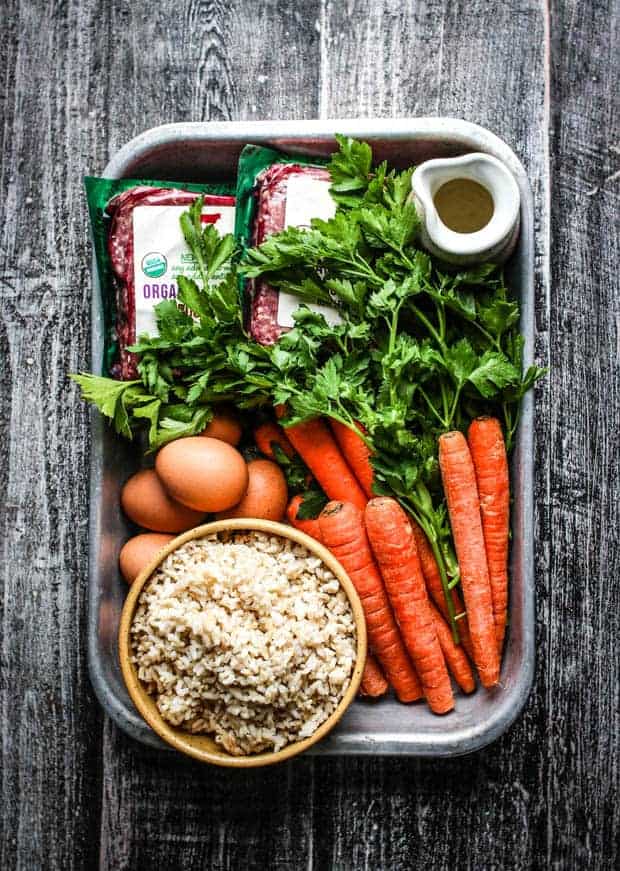
Homemade dog food can work when it is properly formulated. Meat and rice alone are not a complete diet. They often lack the right amounts of calcium, essential fatty acids, iodine, zinc, copper, and several vitamins.
A recipe made by a board-certified veterinary nutritionist is the safest option for long-term homemade feeding. Follow the recipe exactly. Substituting ingredients or skipping supplements can change the nutrient balance.
Supplements may be useful for a diagnosed need, but they are not a substitute for a complete diet. Fish oil, joint products, probiotics, and vitamins can interact with medications or cause side effects.
This is where understanding what goes into dog food prevents a common mistake: adding multiple products without counting their total calories and nutrients.
Common mistakes to avoid
Dog food choices often become confusing because online advice focuses on one ingredient or one personal story. A food that helps one dog may not suit another.
Avoid these mistakes:
• Choosing food only because meat appears first
• Assuming grain-free means healthier
• Treating ingredient names as proof of digestibility
• Feeding a puppy food meant for adult maintenance
• Adding calcium or vitamins without professional advice
• Changing food too often
• Ignoring calorie information
• Feeding a therapeutic diet without veterinary guidance
• Trusting dramatic marketing claims over label details
One useful lesson from reviewing pet diets is that consistency matters. If a dog is healthy, maintains a good body condition, has normal stools, and enjoys a complete diet, there may be no reason to change food every few weeks.
Frequently Asked Questions About What Goes Into Dog Food
What is the main ingredient in dog food?
The main ingredient is usually a protein or carbohydrate source, such as chicken, beef, fish, rice, corn, or potatoes. The first ingredient is not the only measure of quality because ingredients are listed by weight before cooking.
Does dog food contain real meat?
Many dog foods contain real meat, poultry, or fish. They may also contain meat meals, which are concentrated ingredients made after much of the water is removed.
Are grains bad for dogs?
Most dogs can safely digest properly cooked grains. Grain-free food is not automatically healthier, and some grain-free diets use large amounts of peas, lentils, or potatoes instead.
What goes into dog food to provide vitamins and minerals?
Dog food may get vitamins and minerals from natural ingredients and measured nutrient supplements. These additions help the finished recipe meet established nutritional requirements.
Is meat by-product safe for dogs?
Named animal by-products, such as liver or kidney, can be nutritious and safe. The term by-product describes a part of the animal that is not skeletal muscle, not proof that the ingredient is poor quality.
Is raw dog food healthier than kibble?
There is no simple proof that raw food is healthier for every dog. Raw diets can create bacterial risks and may be nutritionally unbalanced, while properly made kibble can provide complete and balanced nutrition.
How can I tell if dog food is complete and balanced?
Look for a nutritional adequacy statement on the package. It should identify the life stage or life stages the food is designed to support.
Conclusion
What goes into dog food includes protein, fat, carbohydrates, fiber, water, vitamins, minerals, and carefully managed additives. The recipe, nutrient balance, processing method, calorie level, and quality controls all matter more than one fashionable ingredient.
Choose a complete and balanced food that suits your dog’s age, size, activity, and health. Read the label, introduce changes slowly, and ask your veterinarian for help when your dog has a medical condition or needs a homemade diet. Use this guide when comparing products, and explore trusted veterinary nutrition resources before making a major change.

Pet Care Writer & Researcher
Daniel writes practical guides on daily care, feeding, and safety, turning complex topics into simple, actionable advice.