What Should The First 5 Ingredients Be In Dog Food: Guide
Learn what should the first 5 ingredients be in dog food, how to read labels, and which nutrients support your dog’s health and wellbeing.
The first five dog food ingredients should provide named protein, balanced carbohydrates, healthy fats, fiber, and key nutrients.
Choosing dog food can feel like reading a science label in a hurry. The first five ingredients matter because they usually make up much of the recipe, but ingredient order alone does not tell the whole story. The best choice depends on your dog’s age, size, health, activity, and the food’s complete nutritional profile.
This guide explains what should the first 5 ingredients be in dog food, how to read the label, which ingredients deserve caution, and why a balanced formula is more important than a trendy ingredient list.
What Should the First 5 Ingredients Be in Dog Food?
There is no single perfect list for every dog. Still, a strong formula for many healthy dogs will often include these ingredient types:
- A clearly named animal protein
- Another useful protein or digestible carbohydrate
- A whole-food carbohydrate
- A named fat source
- Vitamins, minerals, fiber, or another nutrient-rich ingredient
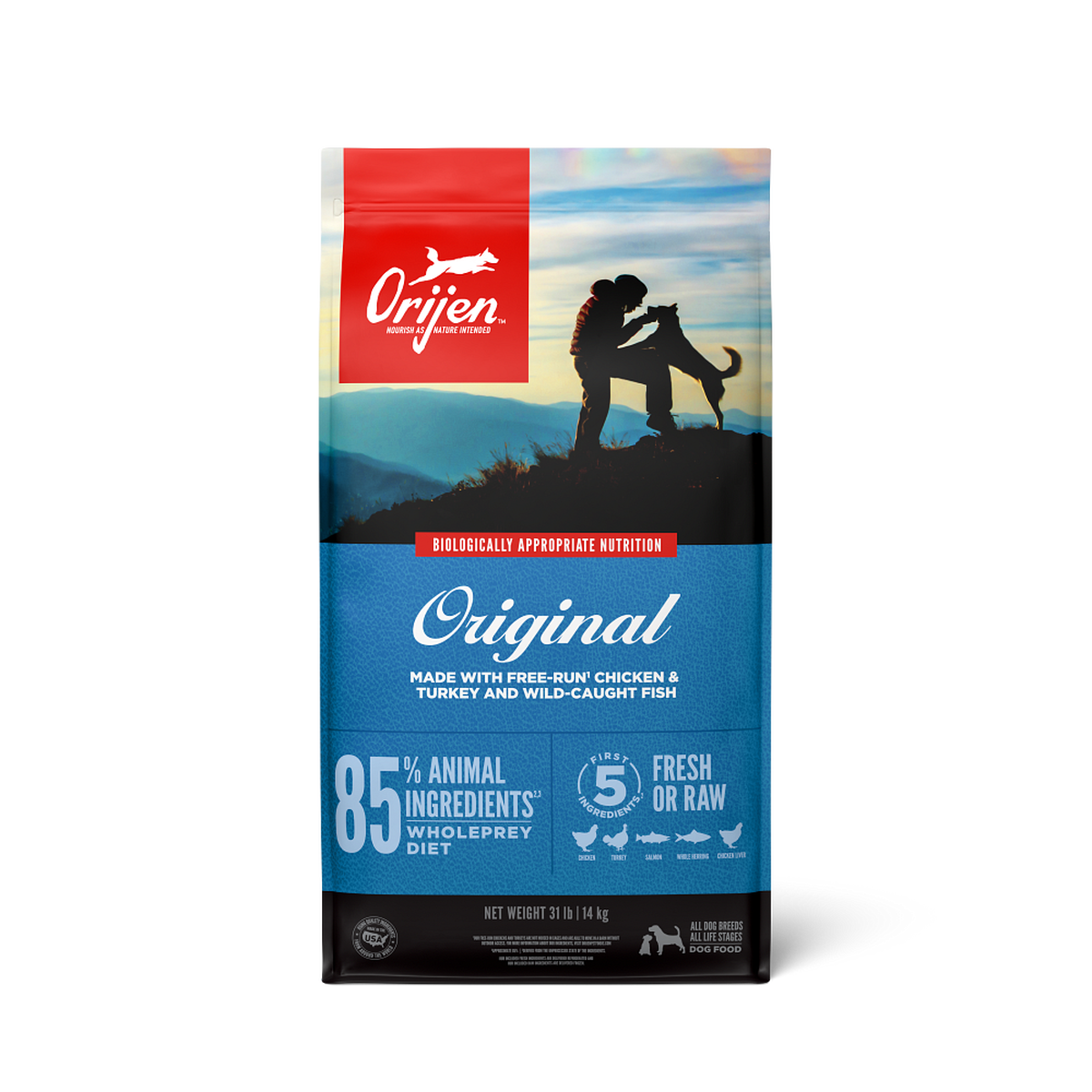
For example, a label may begin with chicken, brown rice, chicken meal, barley, and chicken fat. Another may list beef, beef meal, sweet potatoes, peas, and fish oil.
Both examples may be suitable, but you must look beyond the first ingredient. Dog food formulas are built as complete recipes. The right blend of protein, fat, carbohydrates, vitamins, and minerals matters more than one impressive ingredient.
The first five ingredients should also match your dog’s needs. A growing puppy needs a different nutrient balance than a senior dog. A dog with food allergies, kidney disease, or pancreatitis may need a veterinary diet instead of a standard store formula.
How Ingredient Order Works on a Dog Food Label
Dog food ingredients are listed by weight before processing. This means ingredients with more water may appear higher than dry ingredients, even if they provide less nutrition after cooking.
For example, fresh chicken contains a large amount of water. Chicken meal has already had most of its water removed. As a result, chicken may appear first, while chicken meal may provide more concentrated protein in the finished food.
This is why the first five ingredients should not be judged by position alone. You should also consider whether the ingredient is concentrated, digestible, and useful in the final recipe.
Fresh meat versus meat meal
Both fresh meat and meat meal can be valuable.
• Fresh chicken, turkey, beef, or fish provides recognizable animal protein and moisture.
• Chicken meal, lamb meal, or fish meal is concentrated protein made from rendered animal tissue.
• A named meal is usually more informative than a vague term such as “meat meal.”
• Meat by-products are not automatically harmful, but the label should clearly identify the animal source when possible.
A food that lists chicken followed by several grains may contain less total animal protein than you expect. Ingredient splitting can also affect the order. For example, rice, rice flour, and rice bran may appear as separate ingredients even though they come from the same general food group.

The Five Ingredient Types to Look For
1. A named animal protein
the first ingredient should often be a named animal protein for dogs that tolerate animal-based diets. Look for chicken, turkey, beef, lamb, salmon, or another clearly identified source.
Dogs can digest and use plant proteins, but animal proteins provide useful amino acids in a familiar form. Protein supports muscles, skin, organs, immune function, and daily repair.
A good label may start with:
• Chicken
• Turkey meal
• Deboned salmon
• Lamb
• Beef meal
The word “named” is important. “Poultry,” “animal protein,” or “meat” gives you less information. Clear labeling helps you track possible food reactions and compare formulas.
However, the first ingredient does not need to be fresh meat in every quality food. A recipe with turkey meal as the first ingredient may provide more concentrated protein than one with fresh turkey followed by several plant ingredients.
2. A second protein or a digestible carbohydrate
The second ingredient can vary based on the recipe. It may be another animal protein, a meat meal, or a carbohydrate such as rice or oats.
A second animal protein can add amino acid variety and flavor. A digestible carbohydrate can provide energy and help form a balanced kibble.
Common useful choices include:
• Chicken meal
• Salmon meal
• Eggs
• Brown rice
• Oats
• Barley
• Potatoes
• Sweet potatoes
Carbohydrates are not automatically fillers. Dogs can digest properly cooked grains and starches. They provide glucose for energy and help kibble hold its shape.
Some dogs do better with grain-inclusive food, while others may need a grain-free recipe for a specific medical reason. Grain-free does not automatically mean healthier. Some grain-free diets use peas, lentils, or potatoes in large amounts, so the full formula deserves attention.
3. A whole-food carbohydrate
The third ingredient often supplies energy, fiber, texture, or nutrients. Whole grains and starchy vegetables can be useful parts of a complete diet.
Examples include:
• Brown rice
• Barley
• Oatmeal
• Corn
• Sorghum
• Sweet potatoes
• Potatoes
• Peas
Corn and wheat are sometimes criticized, but they can provide digestible energy and nutrients. A dog’s response matters more than internet myths. If your dog eats a food well, maintains a healthy weight, and has normal stools, the presence of a specific grain may not be a problem.
Still, a carbohydrate should not crowd out all animal protein. If the first several ingredients are mostly starches, the food may not be ideal for a dog that needs a protein-rich diet.
4. A named fat source
Healthy fats provide concentrated energy and support skin, coat, brain, and hormone function. They also make food more appealing to many dogs.
Look for clearly named fats such as:
• Chicken fat
• Beef fat
• Salmon oil
• Fish oil
• Flaxseed
• Canola oil
Fish oil can provide omega 3 fatty acids, including EPA and DHA. These fats may support skin, joints, and normal inflammatory balance. The label should ideally state the amount of EPA and DHA rather than simply listing “fish oil.”
Be careful with vague terms such as “animal fat.” They are not always unsafe, but a named source gives you better information. Dogs with food sensitivities may also need a limited ingredient list with one clear fat and protein source.
5. Fiber, vitamins, minerals, or nutrient-rich whole foods
The fifth ingredient may be a vegetable, fiber source, vitamin source, mineral source, or another functional ingredient. It does not need to be meat to be valuable.
Useful ingredients may include:
• Beet pulp for fermentable fiber
• Carrots for nutrients and flavor
• Pumpkin for fiber
• Dried chicory root for prebiotic fiber
• Natural sources of vitamins and minerals
• Egg for protein and nutrients
• Fish oil for omega 3 fats
The key question is whether the complete formula provides the right nutrient levels. A few vegetables on the label do not prove that a food is superior. Likewise, a vitamin and mineral premix is not a sign of poor quality. These nutrients help the food meet established nutritional targets.

What a Strong First Five Ingredients List Might Look Like
Here are several examples of how to interpret the first five ingredients.
Example one: chicken and grain formula
- Chicken
- Chicken meal
- Brown rice
- Barley
- Chicken fat
This list provides fresh and concentrated chicken protein, digestible grains, and a named fat source. It may be a reasonable option for a healthy dog that tolerates chicken and grains.
Example two: fish-based formula
- Salmon
- Salmon meal
- Oatmeal
- Peas
- Fish oil
This recipe offers concentrated fish protein and a possible source of omega 3 fats. Check whether the food contains enough fat for your dog and whether the label identifies EPA and DHA levels.
Example three: meat-first formula with several starches
- Beef
- Peas
- Pea starch
- Potatoes
- Canola oil
The label begins with beef, but the next ingredients are plant starches. Because ingredients are listed by weight before cooking, this may not provide as much animal protein as the first ingredient suggests.
This does not automatically make the food unsafe. It simply shows why you should evaluate the complete recipe, guaranteed analysis, feeding directions, and nutritional adequacy statement.
Ingredients That Deserve a Closer Look
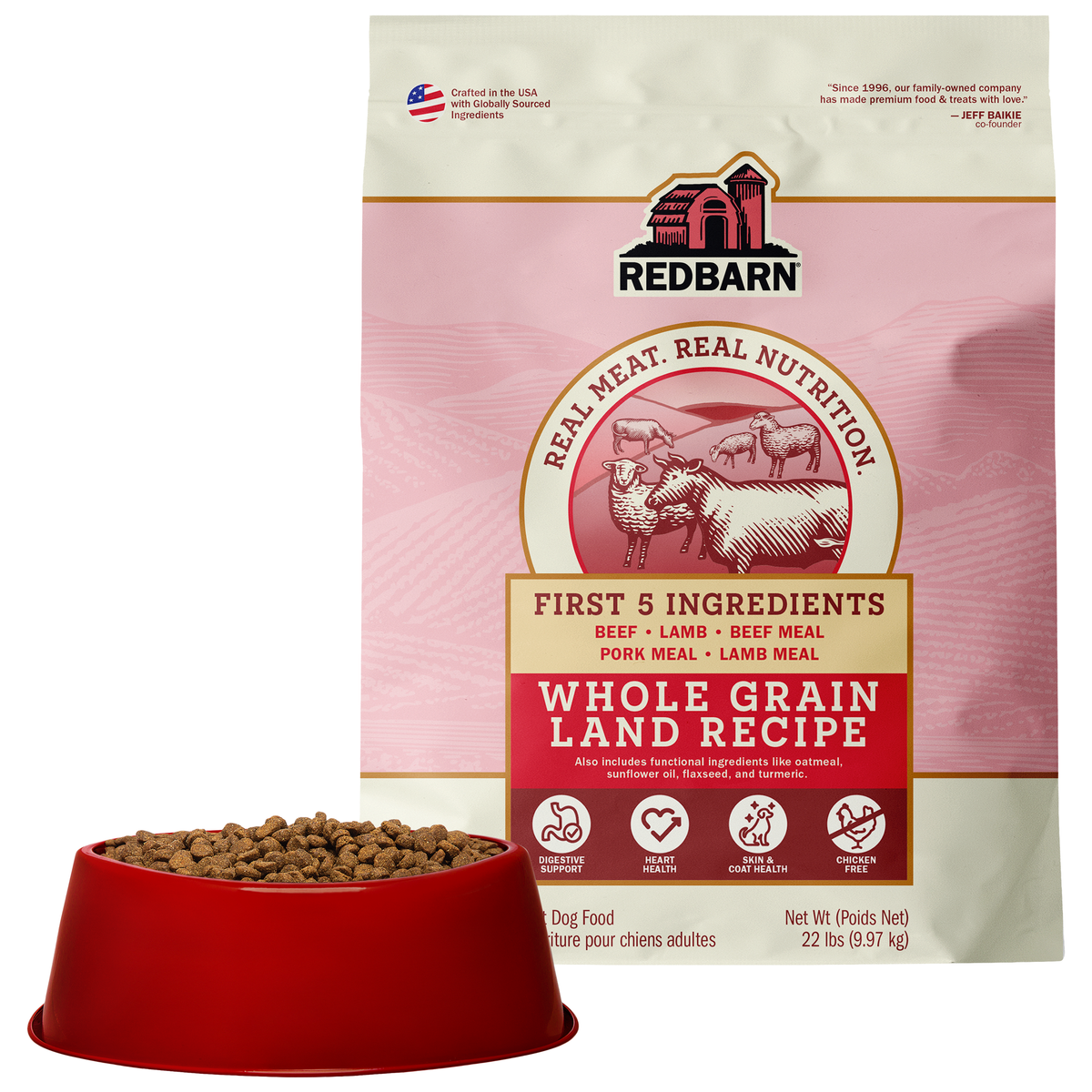
Some ingredients are not automatically bad, but they need context.
By-products
Animal by-products can include organs and other nutrient-rich tissues. Dogs naturally eat organ meat, and these ingredients can provide protein, vitamins, and minerals.
The concern is vague labeling. “Chicken by-product meal” tells you more than “animal by-product meal.” A clearly named source is easier to evaluate.
Animal digest and natural flavor
These ingredients can improve taste. They are common in pet food and may help picky dogs eat. However, they provide limited information about the exact source or nutrient value.
If your dog has allergies, ask the manufacturer what animal sources are used.
Preservatives
Pet food needs protection from rancidity and spoilage. Common preservatives may include mixed tocopherols, citric acid, or rosemary extract. Some formulas use synthetic preservatives under regulated conditions.
The presence of a preservative does not by itself determine whether the food is safe. Storage, freshness, packaging, and proper handling also matter.
Artificial colors
Artificial colors offer little nutritional value to dogs. Dogs do not need brightly colored food, so many owners prefer formulas without added dyes.
Color alone does not prove that a food is poor quality. It is simply a lower-priority feature than nutrition, safety, digestibility, and proper formulation.
Grain-free ingredients
Grain-free food replaces grains with ingredients such as peas, lentils, chickpeas, or potatoes. It may be useful for a dog with a confirmed dietary problem, but most dogs do not need to avoid grains.
Reports have raised concerns about a possible link between some diets high in pulses or potatoes and canine dilated cardiomyopathy. The issue is complex and still requires careful study. Speak with a veterinarian before choosing a grain-free diet for long-term use.
Why the Nutritional Adequacy Statement Matters More
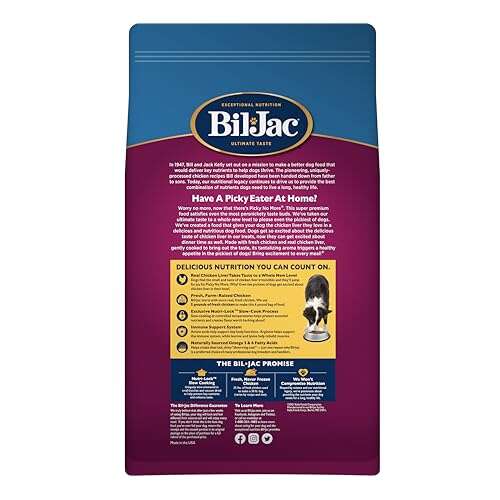
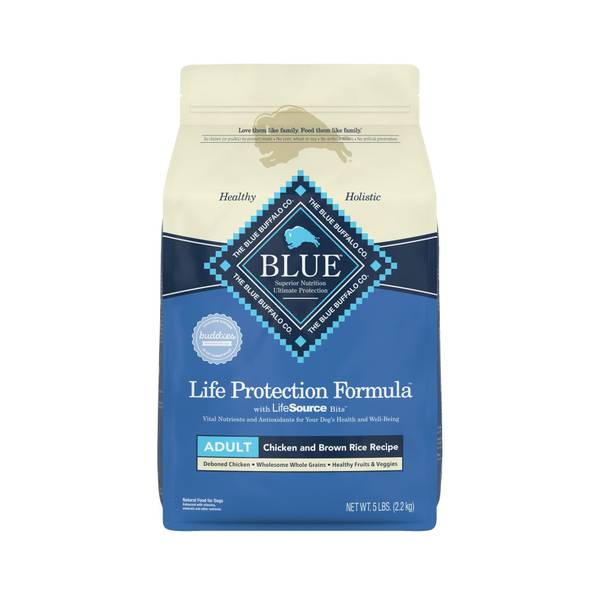
The first five ingredients can help you screen a food, but the nutritional adequacy statement is one of the most important parts of the label.
Look for wording that says the food is complete and balanced for your dog’s life stage. In the United States, foods may be labeled for growth, maintenance, all life stages, or specific uses.
A complete and balanced food should provide required nutrients in appropriate amounts. It should also follow established nutrient profiles or pass feeding trials when the label makes that claim.
Check these details:
• The life stage listed on the package
• The calorie content per cup or can
• The guaranteed analysis
• Feeding directions
• The manufacturer’s contact information
• Whether the food is complete and balanced
• Whether the formula is intended for intermittent or supplemental feeding only
A food can have an attractive ingredient list and still fail to meet your dog’s needs. Think of the ingredient list as the grocery list and the adequacy statement as the nutrition plan. You need both.
How to Match the First Five Ingredients to Your Dog
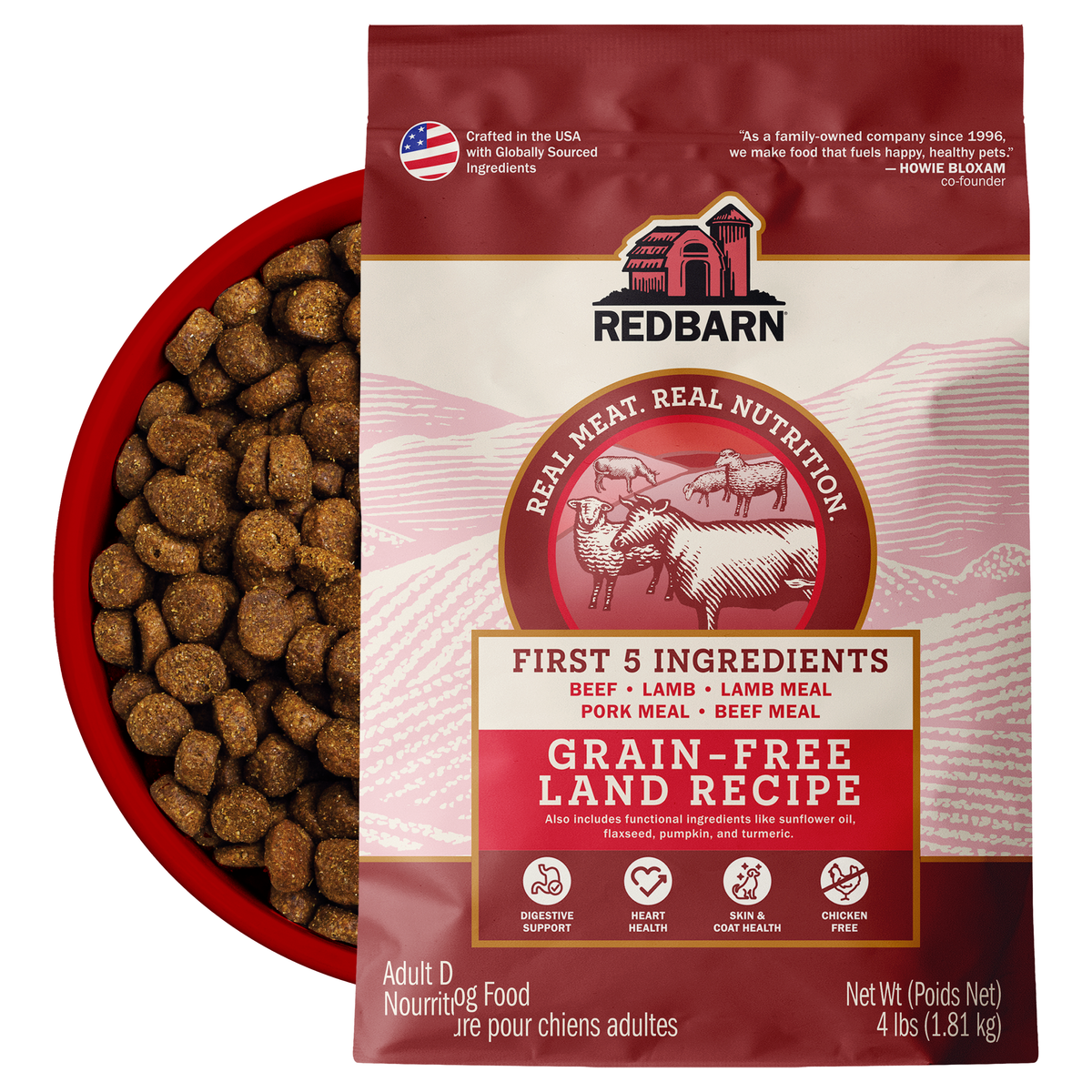
The best dog food depends on the individual dog, not just the label.
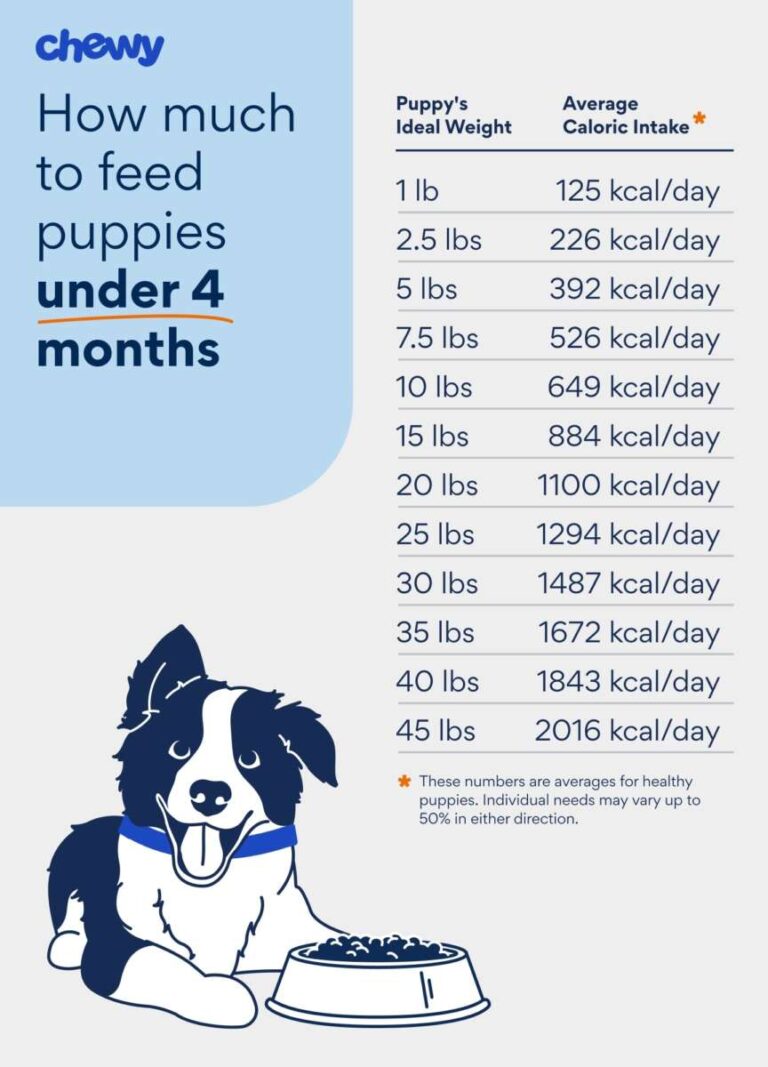
Puppies
Puppies need adequate calories, protein, fat, calcium, and phosphorus for growth. Large-breed puppies need special nutrient control because excessive growth can stress developing bones and joints.
Choose a formula labeled for growth or all life stages. Large-breed puppy food is often the safer choice for dogs expected to become large adults.
Adult dogs
Adult dogs need a balanced maintenance diet. The first five ingredients should support healthy body weight, muscle tone, digestion, and energy.
An active working dog may need more calories and fat than a calm companion dog. Feeding amounts should be adjusted by body condition, not only by the package chart.
Senior dogs
Senior dogs do not all need low-protein food. Healthy older dogs may benefit from adequate high-quality protein to help preserve muscle.
Dogs with kidney, liver, heart, or joint disease may need specific nutrient changes. A veterinarian should guide those choices.
Dogs with allergies
Food allergies can cause itchy skin, ear problems, vomiting, or chronic diarrhea. Common triggers include beef, dairy, chicken, and wheat, but almost any protein can cause a reaction.
A limited ingredient diet may help, but a true elimination trial should be planned with a veterinarian. Switching foods often can make the cause harder to identify.
Dogs with sensitive stomachs
Look for a simple recipe with digestible protein and moderate fat. Sudden diet changes are a common cause of loose stool, even when the new food is high quality.
Transition over seven to ten days. Start with a small amount of new food, then gradually increase it while reducing the old food.

Common Mistakes When Reading Dog Food Ingredients
One common mistake is assuming that the first ingredient tells the complete story. Fresh meat contains water, and ingredient splitting can change how a recipe appears on the label.
Another mistake is choosing food based only on marketing words. Terms such as “natural,” “premium,” “holistic,” and “human-grade” may not tell you whether the food is nutritionally complete.
Avoid these habits:
• Choosing food only because it lists meat first
• Assuming grains are harmful for all dogs
• Treating by-products as automatically dangerous
• Ignoring calories
• Changing food too quickly
• Using a homemade diet without professional nutrient guidance
• Giving supplements to a complete diet without veterinary advice
In my experience, owners often spend more time comparing the front of the bag than reading the feeding statement on the back. The back usually answers the more important questions: who made the food, how many calories it contains, and whether it is complete and balanced.
A Simple Five-Step Label Check
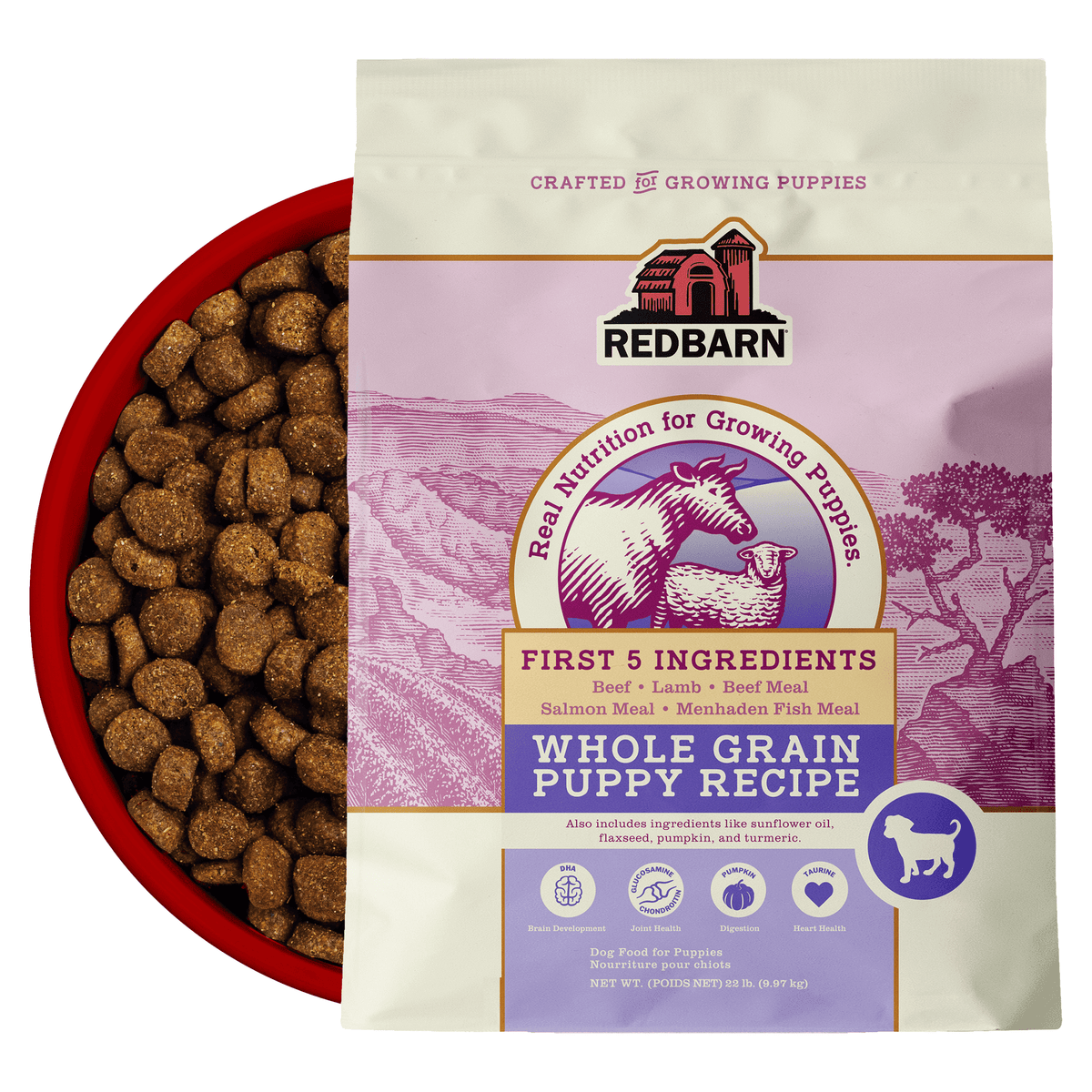
Use this process when comparing two foods.
-
Find the nutritional adequacy statement. Confirm that the food fits your dog’s life stage.
-
Read the first five ingredients. Look for clear protein sources, useful carbohydrates, named fats, and functional nutrients.
-
Check the guaranteed analysis. Compare protein and fat levels, but remember that these numbers do not show digestibility or ingredient quality by themselves.
-
Check calories. A calorie-dense food may require a smaller serving, while a lower-calorie food may suit a dog that needs weight control.
-
Watch your dog. Healthy body weight, firm stools, good energy, and a shiny coat are useful real-world signs.
When comparing dry food with canned food, remember that moisture changes the guaranteed analysis. Wet food often appears lower in protein and fat because it contains more water. A dry-matter calculation gives a fairer comparison.
When to Ask a Veterinarian
A veterinarian can help you choose food when your dog has a medical condition or a major change in appetite.
Seek professional advice if your dog has:
• Ongoing vomiting or diarrhea
• Weight loss or unexplained weight gain
• Severe itching or repeated ear infections
• Kidney, liver, heart, or pancreatic disease
• A history of urinary stones
• Poor growth as a puppy
• Trouble chewing or swallowing
• A sudden refusal to eat
Do not rely on an ingredient list to treat disease. Prescription diets are designed around controlled nutrient levels, and replacing one without guidance may weaken the treatment plan.
Frequently Asked Questions About What Should the First 5 Ingredients Be in Dog Food
Should meat be the first ingredient in dog food?
A named animal protein is often a good first ingredient, especially for dogs that do well on meat-based diets. However, the first ingredient alone does not prove that a food has the right protein level or is nutritionally complete.
What should the first 5 ingredients be in dog food for a puppy?
A puppy food may include named animal protein, concentrated meat meal, digestible carbohydrates, healthy fat, and essential vitamins and minerals. More important than a specific order is a complete and balanced statement for growth, including large-breed growth when needed.
Are by-products bad in dog food?
No. Named animal by-products can provide useful nutrients, including organ tissues. Vague sources are harder to evaluate, so clearly identified ingredients are generally easier for owners to compare.
Is grain-free dog food better?
Grain-free food is not automatically better or healthier. Many dogs digest grains well, and grain-free diets may contain large amounts of peas, lentils, or potatoes, so discuss long-term use with a veterinarian.
How many ingredients should dog food have?
There is no ideal ingredient count. A short list may help dogs with suspected food sensitivities, but a longer list can still form a safe, complete, and balanced diet.
Can dogs eat food with corn or wheat?
Many dogs can safely digest properly cooked corn and wheat. These grains can provide energy, protein, fiber, and nutrients, although a dog with a confirmed allergy may need a different formula.
Conclusion
The best answer to what should the first 5 ingredients be in dog food is not one fixed shopping list. For many dogs, look for a clearly named animal protein, a useful second protein or carbohydrate, a digestible whole-food carbohydrate, a named fat source, and nutrient-rich ingredients that support a complete recipe.
Always read beyond the first five ingredients. Confirm the food is complete and balanced, match it to your dog’s life stage and health, check calories, and watch your dog’s weight, stool, coat, and energy. Use this label guide the next time you shop, and speak with your veterinarian when your dog has special dietary needs.

Pet Care Writer & Researcher
Daniel writes practical guides on daily care, feeding, and safety, turning complex topics into simple, actionable advice.