Are Anti Bark Muzzles Cruel: Safety And Humane Alternatives
Are anti bark muzzles cruel? Learn how they work, potential risks, humane alternatives, and safer ways to manage excessive barking.
Anti-bark muzzles can be cruel when they restrict breathing, cause fear, or replace humane training.
The question “are anti bark muzzles cruel” has no simple yes-or-no answer because products sold under this name vary widely. A true muzzle is made to improve safety, while a bark-control device may use sound, spray, vibration, or electric shock. Understanding the difference helps you protect your dog’s health, comfort, and trust.
What Is an Anti-Bark Muzzle?
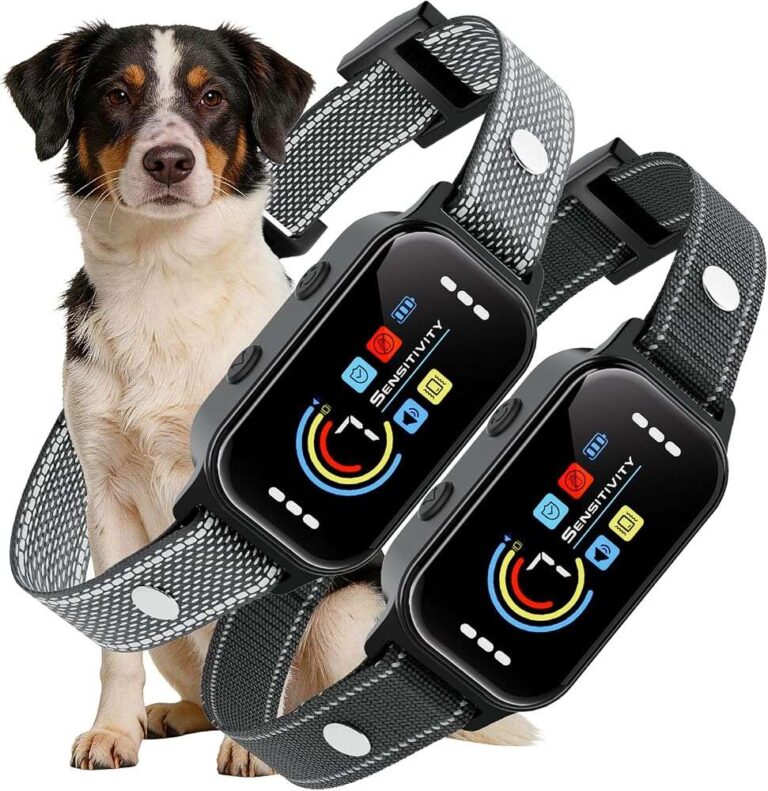
An anti-bark muzzle is usually marketed as a device that limits a dog’s ability to bark. Some products cover the dog’s mouth with fabric or plastic. Others are sold as “bark muzzles” but are actually electronic collars or training tools.
This creates much of the confusion around whether anti bark muzzles are cruel. A regular basket muzzle is not designed to stop barking. It is designed to reduce the risk of biting while allowing a dog to breathe, pant, drink, and sometimes eat treats.
A tight grooming muzzle is very different. It holds the mouth closed and may prevent panting. That can be dangerous, especially in warm weather or during exercise.
When people ask, “are anti bark muzzles cruel,” they often mean one of three products:
• A basket muzzle that allows panting
• A soft muzzle that holds the mouth mostly closed
• A bark-control collar that responds to vocal sounds
These tools have different risks. They should not be judged as if they are the same product.

Are Anti Bark Muzzles Cruel?
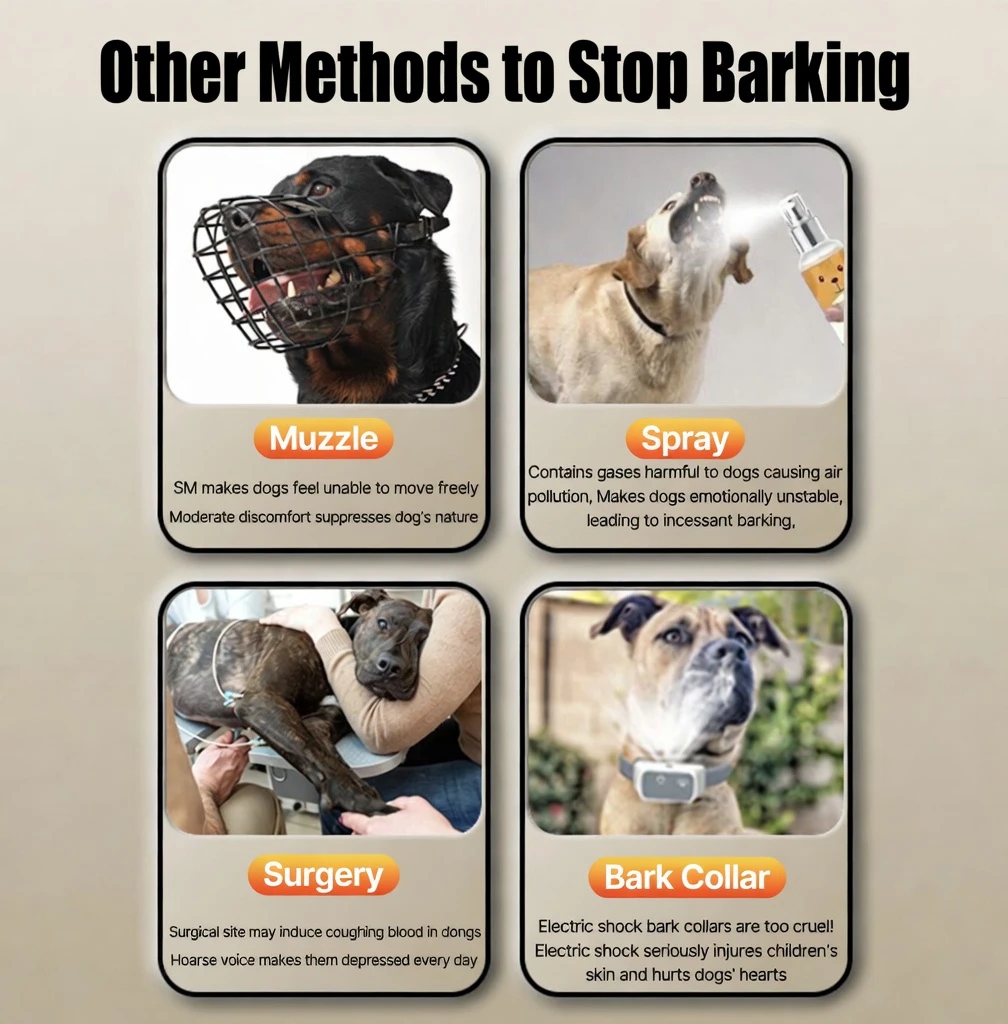
In many cases, yes. Anti bark muzzles can be cruel when they are used to force silence, left on for long periods, fitted too tightly, or used without addressing the reason for barking.
Barking is normal dog behavior. It can signal fear, excitement, pain, boredom, frustration, territorial concern, or a need for attention. Blocking the sound does not remove the emotion behind it. It is like covering a car’s warning light instead of fixing the engine.
That said, a properly fitted basket muzzle may be humane when used for a clear safety reason. For example, a veterinarian may recommend one during a short visit if a frightened dog may bite. The muzzle should be introduced slowly and never used as punishment.
The key question is not only “are anti bark muzzles cruel?” It is also:
• Does the product allow full panting and free breathing?
• Can the dog drink while wearing it?
• Is it used for safety or simply to suppress noise?
• Has a qualified professional checked the fit?
• Is the dog being trained and supported at the same time?
If the answer to these questions is no, the device may cause more harm than good.
Why Do Dogs Bark?
Before choosing any bark-control tool, find the cause. Dogs do not bark for no reason, even when the reason is not clear to us.
Common causes include:
• Fear of people, dogs, traffic, or loud sounds
• Territorial behavior near windows or doors
• Separation-related distress
• Boredom and lack of exercise
• Excitement during play or greeting
• Pain or illness
• Frustration caused by barriers, such as fences
• Attention-seeking behavior that has been rewarded
A dog that barks at the window may need visual barriers and calm training. A dog that barks when left alone may need help with separation anxiety. A dog that suddenly starts barking at night may need a veterinary check.
This is why asking “are anti bark muzzles cruel” should lead to a wider question: what is the dog trying to communicate? Good behavior work treats barking as information, not as a character flaw.

The Difference Between a Muzzle and a Bark-Control Device
Basket muzzles
A basket muzzle looks like a cage around the dog’s nose and mouth. A good model gives enough space for the dog to:
• Pant fully
• Open the mouth
• Drink water
• Take small treats
• Move the jaw comfortably
Basket muzzles are often used for bite prevention, safe handling, or scavenging control. They should be introduced with treats and worn for short, supervised periods at first.
Soft muzzles
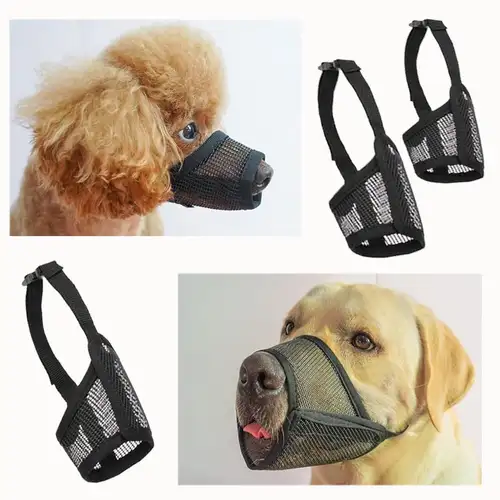
Soft muzzles wrap around the mouth and keep the jaws more closed. Some allow only limited opening, which restricts panting and drinking.
These muzzles may be useful for very short veterinary procedures under professional guidance. They are not suitable for walks, hot weather, exercise, or long-term bark control.
Electronic bark collars
Electronic collars may detect barking and deliver a sound, vibration, spray, or electric shock. They are not muzzles, but some sellers group them with anti-bark products.
Evidence-based behavior professionals often warn against aversive tools because they may increase fear, stress, and aggression. A dog may stop barking while still feeling alarmed. That is suppression, not true behavior change.
When considering whether anti bark muzzles are cruel, always identify the exact product first. A safety muzzle and a shock collar should not be placed in the same category.

Health and Welfare Risks
Poorly used anti-bark devices can create physical and emotional problems. The risk depends on the design, fit, temperature, supervision, and the individual dog.
Breathing and overheating
Dogs cool themselves mainly by panting. A muzzle that limits panting can raise the risk of heat stress. This danger is higher in flat-faced breeds, overweight dogs, older dogs, and dogs with heart or breathing problems.
Never use a restrictive muzzle during exercise or in a hot car. Even a short period may become dangerous if the dog cannot cool down.
Skin damage
A poor fit can rub the nose, cheeks, or behind the ears. Redness, hair loss, sores, and swelling are warning signs.
Check the skin after each use. Stop using the muzzle if you see pain or injury.
Fear and stress
Some dogs panic when their mouths are covered. They may paw at the muzzle, freeze, drool, thrash, or try to escape. These signs should never be treated as stubbornness.
For these reasons, the answer to “are anti bark muzzles cruel” may be yes when the dog shows clear distress and the owner continues using the device.
Lost communication
Barking is only one part of canine communication. A dog may still growl, stiffen, stare, hide, or lunge while wearing a muzzle. Silencing barking can make warning signals less obvious, not make the dog safer.

When Can a Muzzle Be Humane?
A muzzle can be humane when it is used as a temporary safety aid. It should support responsible care, not replace it.
Appropriate examples may include:
• A veterinary examination for a dog that may bite
• A controlled introduction to a busy public setting
• Preventing a dog from eating dangerous objects
• Short-term protection while a behavior plan is created
• Safe transport for a dog with a known bite history
A basket muzzle is usually the best option for these situations because it permits panting and drinking. Even then, the dog must be trained to accept it calmly.
A humane muzzle plan includes:
- Let the dog sniff the muzzle. Reward calm interest.
- Place treats inside without fastening it.
- Briefly touch the muzzle to the dog’s face. Reward again.
- Fasten it for one or two seconds. Remove it before stress begins.
- Slowly increase wearing time indoors.
- Practice in calm places before using it outside.
The goal is for the dog to see the muzzle as a signal that good things happen. If the dog resists strongly, ask a veterinarian or certified behavior professional for help.

Why Bark Suppression Alone Often Fails
Stopping a bark does not always stop the underlying feeling. A fearful dog may still feel fear. A lonely dog may still feel distress. A frustrated dog may become more agitated.
This is one reason experts are cautious when answering whether anti bark muzzles are cruel. Suppression can hide a problem until it becomes worse.
For example, imagine a dog that barks at visitors. A muzzle may prevent loud barking, but the dog may still stiffen, stare, or lunge. If the visitor reaches toward the dog, the risk may remain.
A better plan may include:
• Moving the dog away from the door
• Using a baby gate or separate room
• Teaching a “place” cue
• Rewarding quiet behavior
• Offering a food puzzle during visits
• Working with a behavior professional if fear is strong
Reward-based training is supported by major veterinary behavior groups. It teaches the dog what to do instead of relying only on punishment or restraint.

Humane Alternatives to Anti-Bark Muzzles
If you are worried that anti bark muzzles are cruel, there are safer ways to reduce unwanted barking.
Manage the environment
Reduce the triggers before training begins. Close curtains, use window film, move furniture away from windows, or create a quiet rest area.
Management is not a failure. It gives the dog fewer chances to rehearse the behavior.
Increase healthy activity
Many dogs bark more when they lack physical activity or mental work. Add age-appropriate walks, sniffing games, food puzzles, and short training sessions.
Avoid simply exhausting a fearful dog. More exercise cannot cure anxiety by itself.
Reward quiet moments
Wait for a brief pause in barking. Say a calm marker word, then offer a treat. Over time, increase the length of quiet before rewarding.
Do not yell “quiet” repeatedly. Dogs may think you are joining the barking.
Teach an alternative behavior
Ask for a behavior that cannot happen easily at the same time as barking. “Go to your mat,” “look at me,” or “find it” can give your dog a clear task.
Keep practice easy at first. Training works best before the dog reaches a high level of excitement.
Address medical causes
A sudden change in vocal behavior deserves attention. Pain, hearing loss, cognitive decline, and other health problems can affect barking.
Your veterinarian can help rule out medical causes before you begin a behavior plan.
How to Choose and Use a Basket Muzzle Safely
If a muzzle is needed for safety, choose function over appearance. A comfortable basket muzzle should not press on the nose or restrict jaw movement.
Look for:
• Enough length for the nose to avoid touching the front
• Enough depth for full panting
• Secure straps that do not choke the dog
• Smooth edges and soft contact points
• Space for drinking and small treats
• Strong materials suited to the dog’s size and behavior
Never leave a muzzled dog unsupervised until you know the dog is calm and the equipment is secure. Do not tie the dog outside while wearing a muzzle.
Remove the muzzle if the dog has trouble breathing, shows extreme distress, overheats, vomits, or cannot drink. A muzzle should never be used to punish, isolate, or silence a dog for an entire day.
These safety rules matter because the question “are anti bark muzzles cruel” often comes down to how the device is fitted and used.

Mistakes to Avoid
Many muzzle problems come from rushed training or unrealistic expectations.
Avoid these common mistakes:
• Putting the muzzle on for the first time right before a stressful event
• Using a tight fabric muzzle for a walk
• Leaving the dog alone while wearing it
• Using a muzzle in hot or humid weather
• Buying a size without measuring the dog
• Punishing the dog for pawing at the muzzle
• Assuming silence means the dog feels calm
• Ignoring growling, freezing, or escape attempts
• Using a muzzle instead of veterinary or behavior support
One practical lesson is simple: never test a new muzzle in an emergency. Introduce it during quiet moments, use rewards, and watch the dog’s body language.
A muzzle is a seat belt, not a steering wheel. It may improve safety, but it does not guide the dog’s emotional response.
What Experts Say About Aversive Bark Control
Veterinary behavior organizations generally favor reward-based methods and careful management over punishment-based tools. This includes methods that cause pain, fear, or strong discomfort.
Research on aversive training has linked harsh methods with increased stress and unwanted behavior in some dogs. Results can vary by dog, handler, timing, and tool, so no single study explains every case. Still, the welfare concern is clear: a method that stops a signal without improving the underlying emotion deserves caution.
Professional help is especially important when barking involves fear, separation distress, territorial aggression, or a bite history. A certified veterinary behaviorist or qualified reward-based trainer can build a plan that protects both the dog and the people around it.
When people ask, “are anti bark muzzles cruel,” a responsible professional will ask about the dog’s health, body language, environment, and training history before recommending any equipment.
A Practical Plan for Excessive Barking
Use this simple process to address barking safely:
- Record when the barking happens. Note the place, trigger, time, and duration.
- Check for health problems if the barking is new, intense, or unusual.
- Reduce triggers with barriers, distance, sound control, or schedule changes.
- Reward calm behavior before barking starts.
- Teach an alternative cue, such as “go to your mat.”
- Practice at a low level of distraction.
- Increase difficulty in small steps.
- Seek professional help if your dog shows fear, panic, or aggression.
Progress is rarely perfect. A dog may bark less one week and more the next. Look for steady improvement, not instant silence.
The best measure of success is not simply a quiet house. It is a dog that can handle daily triggers with less fear and more control.
Frequently Asked Questions About Are Anti Bark Muzzles Cruel
Are anti bark muzzles cruel for dogs?
They can be cruel when they restrict panting, cause pain, create fear, or are used for long periods. A properly fitted basket muzzle used briefly for safety can be humane, but it should not be used as a punishment or a cure for barking.
Can a muzzle stop a dog from barking?
Some muzzles may reduce the volume of barking, but they do not address why the dog is barking. A basket muzzle should allow the mouth to open and may not stop barking at all.
Can a dog wear a muzzle all day?
Most dogs should not wear a muzzle all day. Long use can cause stress, rubbing, poor drinking access, and overheating, especially if the muzzle limits panting.
Is a basket muzzle safer than a soft muzzle?
A well-fitted basket muzzle is usually safer for longer supervised use because it allows panting, drinking, and treats. A soft muzzle restricts mouth movement and is generally limited to brief, controlled situations.
What should I do if my dog barks constantly?
First, look for triggers and medical causes. Then use management and reward-based training, and contact a veterinarian or qualified behavior professional if the barking is linked to anxiety, fear, aggression, or separation distress.
Should I use a shock collar to stop barking?
Shock collars may suppress barking but can increase fear and stress in some dogs. Reward-based training, environmental changes, and professional behavior support are safer starting points.
How can I train my dog to accept a muzzle?
Introduce the muzzle slowly with treats. Reward your dog for looking at it, touching it, placing the nose inside, and wearing it for short periods without distress.
Conclusion
So, are anti bark muzzles cruel? They can be when they are tight, painful, frightening, poorly fitted, or used to silence a dog instead of solving the cause of barking. A comfortable basket muzzle can be a useful short-term safety tool when introduced with care and used under supervision.
Start by identifying the trigger, checking your dog’s health, reducing stress, and rewarding calm behavior. If barking involves fear or aggression, seek help from your veterinarian or a qualified behavior professional. Choose tools that protect your dog’s welfare, and explore trusted training resources before making a decision.

Pet Care Writer & Researcher
Daniel writes practical guides on daily care, feeding, and safety, turning complex topics into simple, actionable advice.