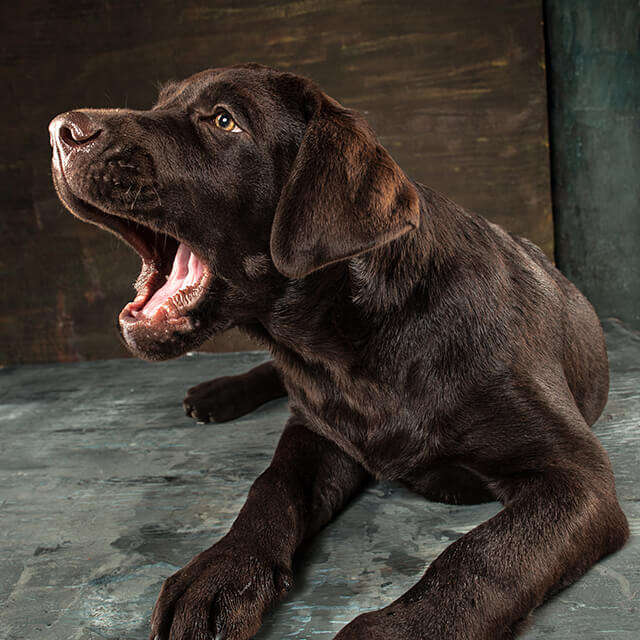
How To Make A Dog Bark Sound: Easy Training Guide
Learn how to make a dog bark sound naturally with simple vocal techniques, training tips, and step-by-step guidance for realistic results.
To make a dog bark sound, use a calm vocal cue, reward one bark, and never scare or hurt the dog.
Learning how to make a dog bark sound can mean two different things: teaching a dog to bark on cue or imitating a bark with your voice. Both are simple when you understand canine body language, use rewards, and keep the session brief. This guide explains safe methods, common mistakes, recording tips, and when barking may signal stress or illness.
What Does “Make a Dog Bark Sound” Mean?
The phrase “how to make a dog bark sound” often has two meanings. You may want your dog to bark when you give a command. Or, you may want to copy a dog bark for a video, play, theater, training demo, or sound effect.
These goals need different methods:
• Teaching a bark cue involves reward-based dog training.
• Copying a bark involves controlling your breath, pitch, and voice.
• Producing a realistic sound effect may involve a phone app or audio editor.
A dog’s bark is not one fixed sound. Dogs bark in different ways to show excitement, fear, alertness, play, frustration, or pain. A short, sharp bark can signal alertness, while a low, repeated bark may show concern or a desire to create distance.
Responsible training matters. Animal behavior experts generally recommend reward-based methods and advise against yelling, hitting, shock collars, or frightening sounds. Fear may cause a bark, but it can also damage trust and increase unwanted behavior.
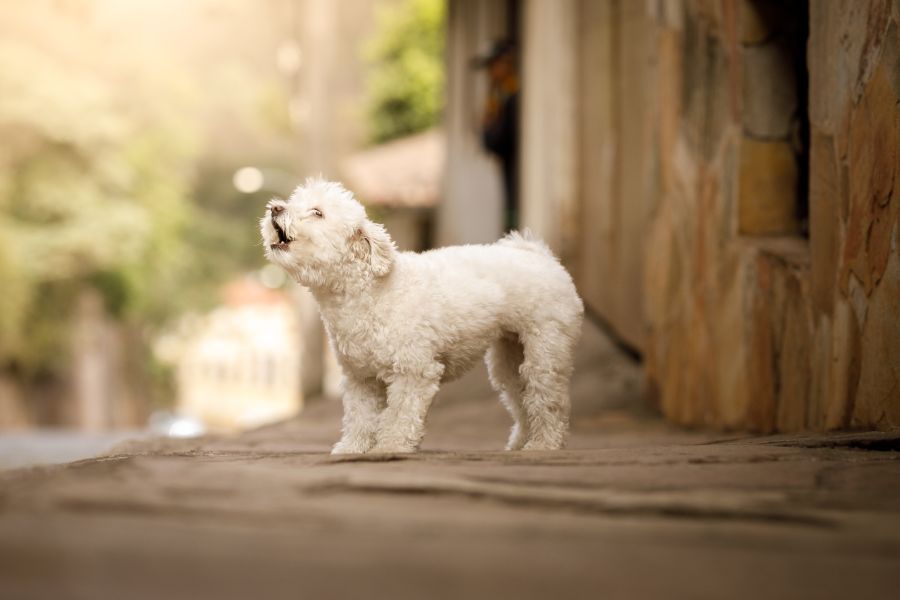
How to Make a Dog Bark Sound Safely
The safest way to make a dog bark sound is to wait for a natural bark and reward it. You do not need to frighten the dog or push it into distress.
Follow these steps:
-
Choose a calm place with few distractions.
-
Prepare small, soft treats that your dog enjoys.
-
Watch for a natural bark, such as when the dog notices a visitor or hears a quiet knock.
-
As soon as the bark begins, say a clear word such as “speak.”
-
Give the treat at once.
-
Repeat the process for a few short sessions.
-
Stop while your dog still seems relaxed and interested.
Timing is the key. The reward must come within a second or two of the bark. If you wait too long, your dog may think the reward is for jumping, pawing, or running across the room.
Keep each session to about three to five minutes. One or two sessions a day is enough for most dogs. Puppies, older dogs, and nervous dogs may need even shorter sessions.
A useful training pattern is:
• Natural bark
• Cue word
• Quiet pause
• Treat and praise
After your dog understands the cue, say “speak” just before the bark happens. Over time, reduce the use of natural triggers. The goal is a controlled bark, not constant barking.

How to Teach a Dog to Bark on Command
Teaching a dog to bark on command works best when you first teach a quiet command. This may sound backward, but it gives your dog an off switch.
Start by noticing what causes your dog to bark. Some dogs bark when someone knocks. Others bark at a toy, a window, or a favorite game. Use a mild trigger that does not cause fear or intense excitement.
When the dog barks once, say “speak.” Reward the bark. Then wait for a pause and say “quiet.” When the dog stops barking for one or two seconds, reward again.
Gradually increase the quiet time:
• One second of silence
• Three seconds of silence
• Five seconds of silence
• Ten seconds of silence
Do not repeat “speak” many times in a row. Repeating the cue can teach your dog that the first command does not matter. Say it once, wait, and guide the dog with a gentle trigger if needed.
Some dogs bark because they want attention. If you reward every demand bark, you may create a noisy habit. Use the cue only when you ask for it, and reward calm behavior at other times.
In my experience with reward-based training examples, the most common mistake is rewarding too much excitement. Owners often cheer, wave treats, and move fast. That can turn one bark into jumping, spinning, and nonstop noise. Calm hands and fast timing work much better.

How to Imitate a Dog Bark With Your Voice
If you mean how to make a dog bark sound with your own voice, focus on rhythm rather than volume. A real dog bark is short, sudden, and shaped by the throat and mouth.
Try this simple process:
-
Take a comfortable breath.
-
Keep your throat relaxed.
-
Say “ruff,” “woof,” or “arf” in a short burst.
-
Use a lower pitch for a large dog sound.
-
Use a higher pitch for a small dog sound.
-
Add a quick pause between barks.
For a large dog effect, try “woof, woof” with a low, rounded tone. For a small dog effect, use a lighter “yap, yap” sound. Avoid forcing your voice into an extreme low pitch, as this may strain your throat.
The rhythm often makes the sound believable:
• Alert bark: “woof… woof”
• Excited bark: “ruff-ruff-ruff”
• Small dog sound: “yap-yap-yap”
• Playful sound: “arf… arf”
A real bark is not usually a long “woooooof.” It is more like a quick vocal pop. Think of it as knocking on a door with your voice.
Practice at a low volume. If your throat feels sore, stop and rest. Do not use a tight, harsh voice for long periods. Children should also avoid shouting or trying to copy loud barking for extended periods.

How to Make a Dog Bark Sound for a Video or Recording
When you need how to make a dog bark sound for a video, you have three practical options: record a real dog, create the sound with your voice, or use a licensed sound effect.
Recording a real dog can sound natural, but you must protect the dog’s comfort. Record during a normal, brief bark. Do not tease the dog, trap it behind a gate, or use loud alarms to force a reaction.
For a cleaner recording: