Do Pitbulls Bark A Lot: What Owners Should Know
Do pitbulls bark a lot? Learn why they bark, what triggers it, and practical tips to help your dog stay calm and quiet.
Most pitbulls do not bark constantly, but they may bark when bored, excited, afraid, or seeking attention.
So, do pitbulls bark a lot? Usually, no. Pit Bull is a broad term for several related breeds and mixes, and barking habits vary by age, personality, training, health, and home life. With a clear routine, daily exercise, and reward-based training, most pitbulls can become calm, quiet companions. This guide explains why they bark, how to reduce unwanted noise, and when barking may signal a deeper problem.
Do pitbulls bark a lot?
Pitbulls are not generally known as nonstop barkers. Many are fairly quiet at home, especially when their physical and mental needs are met. However, they are alert, social dogs that may vocalize when something changes around them.
The answer to “do pitbulls bark a lot” depends on the individual dog. A young pitbull with extra energy may bark more than a relaxed adult. A dog left alone for long hours may also bark from boredom, frustration, or separation distress.
Some pitbulls use other sounds instead of frequent barking. They may whine, grumble, howl, sigh, or make playful “talking” noises. These sounds can be normal communication, but owners should still learn the difference between harmless vocal habits and signs of stress.
Why do pitbulls bark?
Barking is a form of communication. It is not automatically bad behavior. Your dog may be trying to alert you, invite play, express fear, or ask for something important.
Common reasons include:
Alert barking
A pitbull may bark when someone approaches the house, hears a strange sound, or sees another animal. This is a natural response to something the dog considers unusual.
Alert barking often comes in short bursts. Your dog may look toward the window, raise its ears, and then settle once the sound or person is gone.
Excitement
Some pitbulls bark during play, walks, car rides, or greetings. Their bodies may look loose and happy, with a wagging tail and a playful stance.
Excitement barking is common in young dogs. It often improves when the dog learns to wait calmly before receiving attention, toys, or access to the outdoors.
Boredom
Pitbulls are active, intelligent dogs. Without enough exercise or mental work, they may invent their own entertainment.
A bored dog may bark at birds, shadows, passing cars, or small sounds. It may also chew furniture, dig, pace, or carry objects around the house.
Fear or anxiety
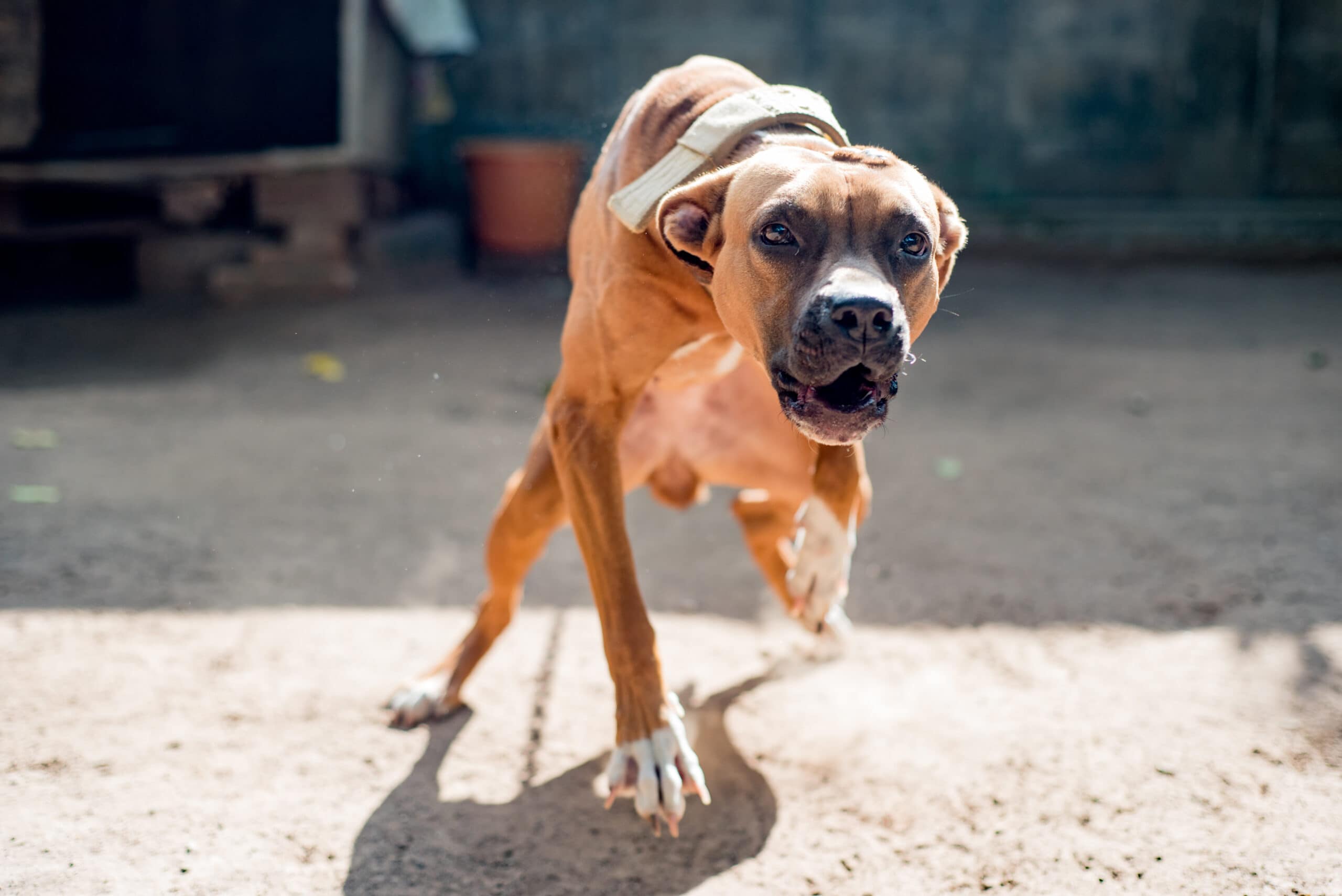
Fear barking may sound sharp, fast, or intense. A fearful dog may hide, crouch, pull away, pin its ears back, or keep its tail low.
Punishing this type of barking can make the fear worse. The dog may learn that scary events bring even more trouble.
Attention seeking
If barking often leads to petting, food, play, or a door opening, the dog may repeat it. Even telling the dog to stop can reward the behavior because the dog receives attention.
This does not mean your pitbull is being stubborn or spiteful. It means the behavior has produced a result in the past.
Separation distress
A pitbull that barks mainly when left alone may have separation anxiety or another form of isolation distress. Other signs can include pacing, drooling, scratching doors, destructive chewing, or accidents indoors.
A camera can help you see what happens after you leave. If the barking begins within minutes and continues for a long time, speak with a veterinarian or qualified behavior professional.

What affects a pitbull’s barking habits?
Breed traits matter, but they are only one part of the picture. Genetics, early socialization, past experiences, and daily care can strongly affect how much a dog vocalizes.
Age
Puppies often bark because they are learning about the world. They may also bark when they need sleep, food, a bathroom break, or comfort.
Adolescent dogs can be especially noisy. Their energy rises, their attention span is still developing, and they may test which behaviors get results.
Older dogs may bark more if they experience pain, hearing loss, confusion, or changes in vision. A sudden increase in barking deserves a veterinary check.
Temperament
Some pitbulls are naturally quiet. Others are more alert or expressive. A confident dog may bark briefly and move on, while a nervous dog may continue barking after the trigger disappears.
Do not judge a dog’s expected behavior only by its label. Two dogs from the same litter can have very different voices and stress levels.
Socialization
Early, positive exposure to people, dogs, sounds, surfaces, and places can help a pitbull respond calmly. Socialization does not mean forcing a dog to greet everyone.
A good approach is gradual exposure at a distance, paired with treats and praise. The goal is to teach the dog that new things are safe and manageable.
Exercise and mental work
Physical activity helps reduce excess energy. Mental work helps reduce frustration and gives the dog a useful task.
Helpful activities include:
• Sniff walks
• Short obedience sessions
• Food puzzle toys
• Hide-and-seek games
• Fetch with calm breaks
• Safe chewing items
Exercise alone may not solve barking. An exhausted dog can still bark from fear, pain, or separation distress.
Home environment
A pitbull that watches a busy sidewalk may bark more than one living in a quiet area. Windows, fences, doorbells, and nearby dogs can all act as triggers.
You can reduce visual triggers with curtains, window film, furniture placement, or a comfortable resting area away from the front door.
How to stop excessive barking
The best barking plan starts with finding the cause. Training works better when you change the reason behind the behavior instead of simply trying to silence the sound.
1. Keep a barking journal
Write down:
• What happened before the barking
• The time of day
• How long it lasted
• Your dog’s body language
• What stopped the barking
Patterns often appear within a few days. You may learn that your pitbull barks only at delivery drivers, only when alone, or mainly before dinner.
2. Meet basic needs first
Give your dog regular meals, bathroom breaks, sleep, exercise, and social contact. Many behavior problems become easier when the daily routine is stable.
Most adult dogs need plenty of rest. A dog that misses sleep may become irritable and reactive, much like an overtired child.
3. Teach a calm response
Begin in a quiet setting. When your dog is silent, calmly say a word such as “quiet,” offer a treat, and repeat the process.
Do not shout the word. Loud corrections can sound like barking to your dog and may increase excitement.
Later, practice around mild triggers. Reward your pitbull for looking at the trigger and then returning attention to you.
4. Reward quiet behavior
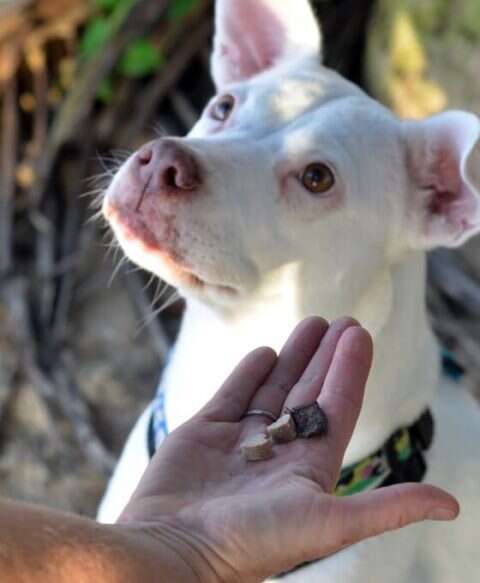
Notice quiet moments before your dog asks for attention. Give a treat, gentle praise, or a short play session when your pitbull rests calmly.
This teaches an important lesson: silence also works. You are not ignoring the dog; you are showing it what behavior earns a reward.
5. Manage common triggers
If your pitbull barks at the window, block the view. If the doorbell causes chaos, practice with a soft knock at a low volume.
Ask visitors to ignore the dog until it has settled. Reward calm behavior before allowing greetings.
6. Use positive reinforcement
Reward-based training is supported by modern animal behavior professionals and veterinary organizations. It builds clear communication without creating fear.
Avoid shock collars, harsh physical corrections, yelling, and intimidation. These methods may suppress sound for a moment, but they can increase anxiety and defensive behavior.
7. Do not reward demand barking
If your dog barks for food, wait for a brief quiet pause before giving the meal. If it barks for a toy, ask for a calm behavior such as sitting first.
Timing matters. Rewarding immediately after barking can teach your pitbull to bark longer or louder next time.
8. Get professional help when needed
Contact a veterinarian if barking begins suddenly, becomes extreme, or appears with pain, confusion, aggression, or changes in appetite.
A certified veterinary behaviorist or qualified positive-reinforcement trainer can help with severe anxiety, reactivity, and separation problems. Early help is often faster and kinder than waiting for the issue to grow.

Mistakes that can make barking worse
Many caring owners accidentally reinforce barking. The most common mistake is responding inconsistently.
For example, a dog may bark at the door. One day, the owner opens it. The next day, the owner yells. Another day, the owner gives a treat to make the dog stop. The mixed message makes the behavior harder to change.
Avoid these common errors:
• Expecting silence without teaching an alternative behavior
• Using punishment for fear-based barking
• Giving too little exercise or mental stimulation
• Leaving a distressed dog alone for long periods
• Allowing repeated barking at windows or fences
• Waiting until the dog is highly excited before training
• Assuming every bark has the same cause
A lesson I have seen often in dog training is that owners focus on the noise rather than the need beneath it. Once they identify the trigger, progress usually becomes much easier.

Are pitbulls good for quiet homes?
Pitbulls can be a good fit for a quiet home when the household can provide exercise, structure, training, and companionship. Many enjoy relaxing near their people after a walk or play session.
Still, no breed guarantees silence. A pitbull living in a busy apartment may bark at hallway sounds, while another may sleep peacefully through most daily noise.
Before adopting, ask about the dog’s history. A shelter or foster caregiver may know whether the dog barks when alone, reacts to other dogs, or settles well indoors.
Consider these questions:
• Can you provide daily walks and play?
• Can you train for several short sessions each day?
• Does your housing allow the dog?
• Do you have a plan for alone time?
• Can you manage barking during the adjustment period?
A calm home is possible, but it usually comes from preparation rather than luck.
Pitbull barking compared with other breeds
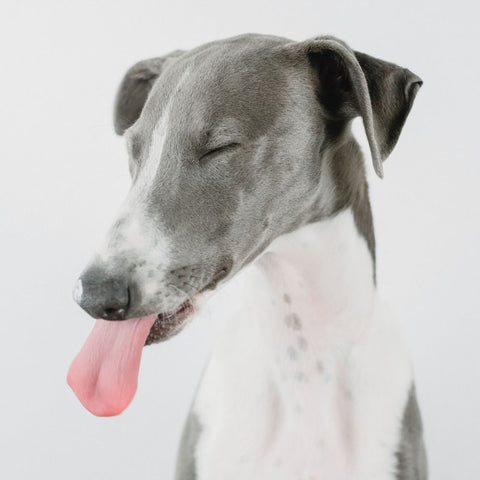
The question “do pitbulls bark a lot” often comes from comparisons with other dogs. Some small companion breeds, herding breeds, and terriers are more likely to bark due to alertness, high drive, or a history of responding to movement.
Pitbulls were historically developed from bull-and-terrier lines, but modern pitbull-type dogs are not all bred for the same purpose. They vary widely in size, energy, sensitivity, and vocal behavior.
Breed comparisons have limits. Individual temperament, training, environment, and health often predict barking better than a simple breed label.
It is also important not to confuse a deep bark with frequent barking. A pitbull may sound loud because of its voice, even when it barks less often than a smaller dog.

When barking may signal a health problem
A change in vocal behavior can be a health clue. Pain, cognitive decline, hearing changes, thyroid problems, and other medical issues may affect how a dog behaves.
Contact your veterinarian if your pitbull:
• Starts barking suddenly
• Barks at empty spaces or during the night
• Seems confused or restless
• Shows signs of pain
• Has trouble hearing or seeing
• Changes eating, drinking, or bathroom habits
• Becomes unusually clingy or withdrawn
Veterinary care is especially important for older dogs. Behavioral training cannot fix discomfort or disease, so medical causes should be considered first.

Frequently Asked Questions About Do Pitbulls Bark a Lot
Do pitbulls bark more than other dogs?
Pitbulls do not automatically bark more than other dogs. Their barking depends on personality, training, socialization, exercise, health, and the environment.
Are pitbulls quiet indoor dogs?
Many pitbulls are calm indoors after they receive enough exercise and attention. They may bark at door sounds, visitors, outdoor animals, or changes in their routine.
Do pitbull puppies bark a lot?
Pitbull puppies may bark more while they learn how to communicate and control their excitement. A steady routine, enough sleep, gentle training, and early socialization can help reduce unwanted barking.
How can I stop my pitbull from barking at people?
First, prevent repeated practice by blocking window views and managing door greetings. Then reward your dog for noticing people and staying calm, while slowly practicing around mild triggers.
Why does my pitbull bark when left alone?
Barking during alone time may result from boredom, frustration, or separation anxiety. Use a camera to observe the behavior and seek veterinary or professional behavior support if your dog shows panic or destructive actions.
Should I use a bark collar on my pitbull?
Bark collars are not the best first choice because they do not address the reason for barking and may increase fear or stress. Reward-based training, trigger management, and professional guidance are safer starting points.
Do pitbulls bark at night?
A pitbull may bark at night because of outdoor sounds, loneliness, anxiety, pain, or confusion. Check for medical and environmental causes before treating nighttime barking as simple disobedience.
Conclusion
So, do pitbulls bark a lot? Most do not bark constantly, but any pitbull can become noisy when it is bored, anxious, excited, afraid, or unwell. The most effective solution is to identify the trigger, meet the dog’s needs, manage the environment, and reward calm behavior.
With patience and consistent training, barking can become useful communication instead of a daily struggle. Track your dog’s patterns, start with small changes, and contact a veterinarian or qualified trainer when the problem feels beyond your control. Share your experience or explore more responsible dog-training resources to help your pitbull thrive.