How To Quiet A Barking Dog: Fast, Gentle Training Tips
Learn how to quiet a barking dog with gentle, proven training tips that address common triggers and encourage calm, lasting behavior.
Reward calm behavior, remove triggers, and teach a quiet cue instead of punishing your dog for barking.
Learning how to quiet a barking dog starts with finding the reason behind the noise. A dog may bark from fear, boredom, excitement, pain, loneliness, or a strong reaction to people and sounds. The best results come from calm training, fewer triggers, and rewards for silence. This guide explains how to quiet a barking dog safely, with simple steps that work in real homes.

Why Dogs Bark
Barking is normal dog behavior. It is one of the main ways dogs communicate with people and other animals. The goal is not to stop every bark. The goal is to reduce barking that is loud, repeated, or caused by stress.
Before you learn how to quiet a barking dog, try to identify the bark’s purpose. A sharp bark at the window is different from a soft whine when you leave the house.
Common reasons for barking include:
• Alert barking when your dog sees people, animals, cars, or birds
• Fear barking caused by strange sounds, new places, or unfamiliar people
• Excitement barking during play, walks, greetings, or feeding
• Demand barking when your dog wants food, attention, toys, or access to a room
• Boredom barking caused by too little exercise or mental activity
• Separation-related barking when your dog struggles to stay alone
• Territorial barking around the home, yard, or car
• Pain or illness that makes your dog restless or uncomfortable
Think of barking as an alarm. You cannot solve the problem well by yelling at the alarm. First, you need to know what set it off.
Check for Medical and Emotional Causes
A sudden change in barking deserves attention. If a quiet dog begins barking often, or an older dog becomes restless at night, schedule a veterinary checkup. Pain, hearing loss, vision changes, cognitive decline, and other health problems can affect vocal behavior.
Your veterinarian can also help rule out anxiety. Some dogs bark because they feel unsafe, not because they are being stubborn. Punishment may increase that fear and make the barking worse.
Contact a veterinarian if barking comes with:
• Limping, panting, shaking, or repeated licking
• Loss of appetite or unusual thirst
• Confusion, pacing, or nighttime restlessness
• Aggression, snapping, or attempts to escape
• Destructive behavior when left alone
• A sudden change in sleep, energy, or bathroom habits
Behavior problems can have several causes at once. For example, a dog may bark at the window because of territorial instinct and then continue from habit. A full plan must address both the trigger and the learned behavior.
Prepare Your Home Before Training
Training works faster when your dog has fewer chances to practice barking. Each long barking episode can strengthen the habit. Small changes to the home can lower the number of triggers your dog faces each day.
Start with the area where barking happens most often. If your dog barks through the front window, close the blinds or use a removable privacy film. If outside sounds cause barking, move the dog’s bed away from the door and use soft background noise.
Helpful changes include:
• Blocking views of sidewalks, driveways, and busy roads
• Moving furniture away from windows
• Using a fan, quiet music, or white noise to soften outdoor sounds
• Bringing outdoor dogs inside during busy times
• Adding a secure fence that blocks visual triggers
• Keeping treats near the common barking areas
• Giving your dog a calm resting space
Management is not a failure. It is like putting a raincoat on before a storm. It protects your dog while training builds better habits.
How to Quiet a Barking Dog Step by Step
1. Find the trigger
Write down what happens before the barking starts. Note the time, place, sound, person, animal, and your dog’s body language.
Look for patterns. Your dog may bark at delivery workers at noon, squirrels in the morning, or hallway sounds at night. A simple log can reveal more than guesswork.
2. Stay calm
Dogs often respond to human energy. Shouting can sound like barking to your dog, which may add excitement instead of quieting the noise.
Use a low, calm voice. Move slowly. Avoid chasing your dog or grabbing the collar unless safety requires it.
3. Interrupt without fear
When the first bark begins, gently call your dog’s name. You can also make a soft kiss sound or guide your dog away with a treat.
Do not use the interruption to scare your dog. The goal is to shift attention, not create a new fear.
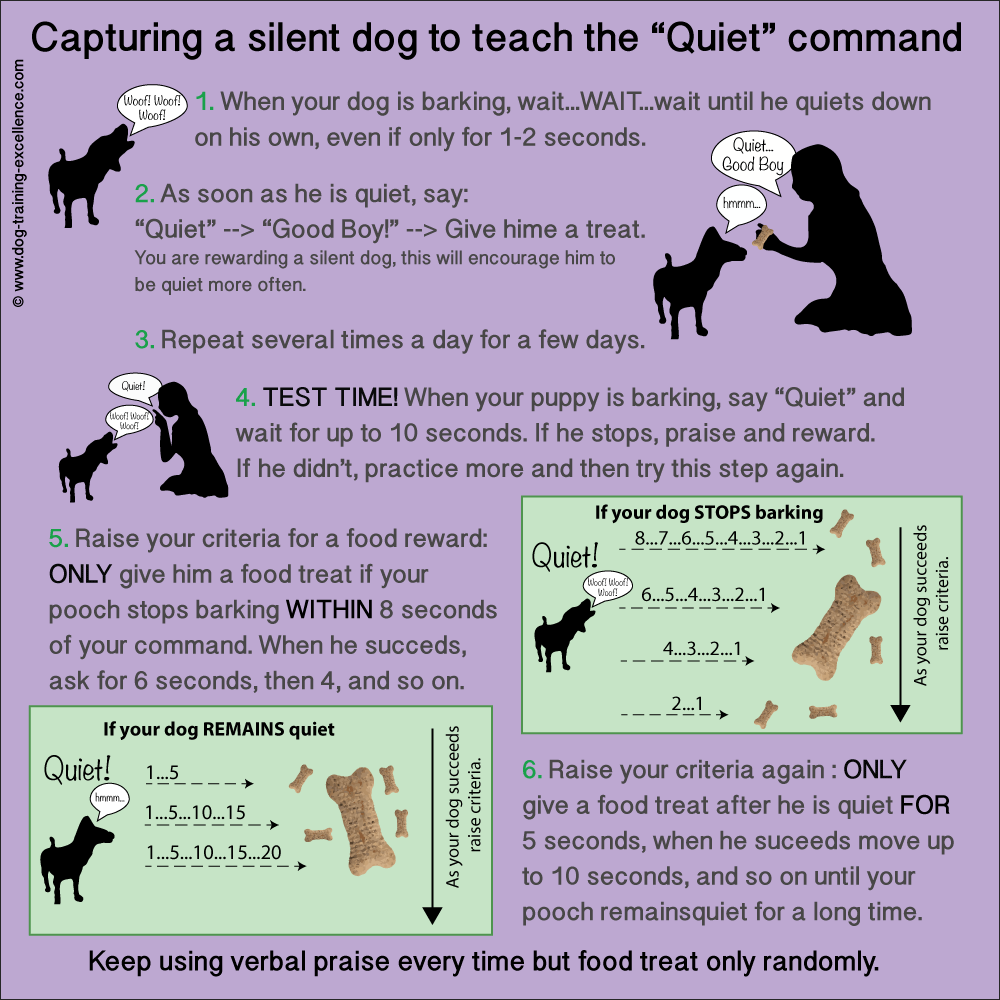
4. Reward the first moment of silence
The instant your dog pauses, offer a small treat and calm praise. At first, even one second of silence counts.
This is a key part of how to quiet a barking dog. Your dog learns that quiet behavior brings good things.
5. Add a quiet cue
Once your dog pauses reliably, say “quiet” in a calm voice just before the silence. Wait one or two seconds, then reward.
Practice in short sessions. After several days, slowly ask for three seconds, then five, and later ten seconds of silence.
6. Teach an alternate action
A dog needs to know what to do instead of bark. Teach your dog to go to a mat, sit, touch your hand, or look at you.
For example, when someone knocks, guide your dog to a mat. Reward your dog for staying there. With practice, the mat becomes a calm routine.
7. Repeat in easy settings
Begin indoors with few distractions. Then practice near a window, in the yard, and during controlled visits.
Do not begin with the biggest trigger. Training is easier when your dog can still think and accept treats.
Use Desensitization and Counterconditioning
Desensitization means exposing your dog to a trigger at a low level. Counterconditioning means pairing that trigger with something pleasant, such as food.
Suppose your dog barks at other dogs. Ask a friend with a calm dog to stand far away. The moment your dog notices the other dog without barking, give a treat. If barking starts, increase the distance.
Over time, your dog can learn that seeing another dog predicts safety and rewards. This process may take days, weeks, or months, depending on the dog and the strength of the fear.
Follow these rules:
• Keep the trigger far enough away for your dog to stay calm
• Use small, tasty treats
• Stop before your dog becomes overwhelmed
• Repeat often in short sessions
• Reduce distance very slowly
• Return to an easier step if barking increases
Flooding your dog with a strong trigger is not the same as careful exposure. Forced exposure can increase fear and make the problem harder to manage.

Manage Common Barking Triggers
Window barking
Block the view and reward your dog for moving away from the window. You can place a bed several feet from the glass and teach a “go to bed” cue.
Practice when the street is quiet. Later, add mild distractions, such as a family member walking past the window.
Doorbell barking
Record your doorbell or ask a friend to knock softly. Play the sound at a low volume, then give a treat while your dog stays calm.
Repeat until the sound becomes less exciting. Then practice with a real knock. Keep sessions short and ask visitors to ignore your dog until the dog settles.
Leash barking
Leash barking often comes from fear, frustration, or excitement. Create more space from other dogs and reward your dog for looking at you.
Avoid tight leash corrections. A tight leash can increase stress and may make another dog seem more threatening.
Yard barking
Do not leave your dog outside alone for long periods if the yard is a barking hotspot. Supervise outdoor time and call your dog inside before barking becomes intense.
Give your dog a job, such as finding treats in the grass or practicing recalls. A dog with a task is less likely to spend the whole time patrolling the fence.
Night barking
Check for outside sounds, wildlife, discomfort, and changes in your dog’s routine. Make sure your dog has water, a comfortable bed, and a quiet sleep area.
If nighttime barking is new or persistent, speak with a veterinarian. Older dogs may bark at night because of pain, confusion, or changes in their sleep cycle.

Give Your Dog Enough Exercise and Enrichment
Physical exercise helps, but it is not the only answer. A tired dog may still bark if the barking comes from fear or separation distress.
Use a mix of movement and brain work. Many dogs enjoy sniff walks more than fast walks because sniffing gives them useful mental activity.
Try these options:
• A daily sniff walk
• Food puzzles
• Short obedience sessions
• Hide-and-seek with treats
• Safe chew toys
• Scent games
• Fetch with planned pauses
• Training for simple tricks
Aim for activities that fit your dog’s age, breed, health, and energy level. A young herding dog may need more structured work than an older companion dog.
Avoid using intense exercise as the only solution. Overstimulation can make some dogs more restless. The best routine leaves your dog relaxed, not frantic.
Teach Calm Greetings
Many dogs bark when people come home. They may jump, spin, whine, and bark because greetings are exciting.
Ask visitors to wait quietly while your dog settles. Reward four paws on the floor, a sit, or a brief pause in barking. If your dog becomes too excited, guide the dog to a calm room for a short break.
You can practice with family members before asking guests to help. Have someone step outside, knock, and enter several times. Reward calm behavior each time.
Do not reward barking with immediate attention, petting, or access to the guest. Wait for a small pause, then provide the greeting. This teaches your dog that calm behavior opens the door to social contact.

Choose Training Tools Carefully
Treats, toys, gates, leashes, privacy film, and white noise can support a training plan. Tools should reduce stress and make good behavior easier.
Reward-based training is widely supported by veterinary behavior professionals. It teaches the behavior you want without adding fear or pain.
Avoid tools designed to punish barking, including shock collars and harsh correction devices. These may stop noise for a moment, but they can increase fear, anxiety, or aggression. They also do not teach your dog what to do instead.
A citronella collar may interrupt some dogs, but an interruption alone does not solve the cause. It may also create stress for sensitive dogs. If you are considering any bark-control device, discuss it with a qualified veterinary behavior professional first.
The safest plan is usually simple:
• Prevent repeated exposure to the trigger
• Reward quiet behavior
• Teach an alternate action
• Increase exercise and enrichment
• Get professional help when needed
Mistakes That Can Make Barking Worse
Learning how to quiet a barking dog also means knowing what not to do. Many common reactions accidentally reward barking or increase stress.
Avoid these mistakes:
• Yelling, because your dog may view it as participation
• Giving a treat during active barking, because timing may reward the noise
• Waiting too long to intervene, after your dog is already overwhelmed
• Using punishment for fear-based barking
• Allowing barking sometimes but correcting it at other times
• Leaving a barking dog outside alone for hours
• Expecting silence after one training session
• Punishing growling, which can remove an important warning signal
Consistency matters. If barking gets attention on Monday but not Tuesday, your dog may bark harder and longer. This is similar to a slot machine: uncertain rewards can make a behavior very persistent.
Reward small improvements. A dog that settles in 30 seconds instead of five minutes is making progress.

When to Contact a Professional
Some barking problems need more than basic home training. A certified professional can observe your dog, identify triggers, and create a safer plan.
Seek help when:
• Your dog shows fear or aggression
• Barking happens during panic or escape attempts
• Your dog damages doors, windows, or crates
• Barking continues for long periods when alone
• Training causes more stress
• Neighbors complain despite consistent effort
• You feel unsafe handling the situation
Look for a reward-based trainer or a veterinary behavior specialist. Ask what methods they use and whether they rely on pain, fear, or intimidation. A good professional should explain the plan clearly and respect your dog’s welfare.
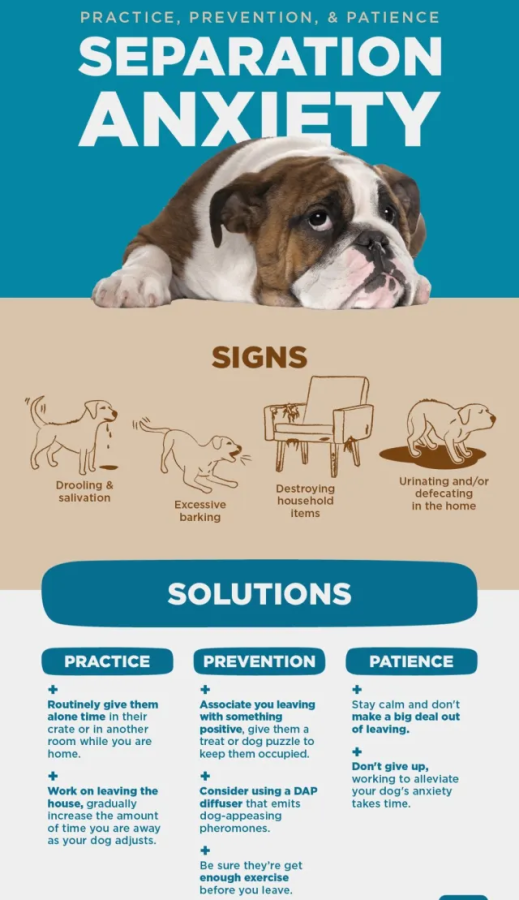
Separation anxiety deserves special care. It may require gradual alone-time training, environmental changes, and sometimes medication prescribed by a veterinarian. Do not force a panicked dog to “get used to it.” Panic is not disobedience.
A Simple Seven-Day Training Plan
A short plan can make the process feel manageable. Keep each session calm and brief.
Day one: Observe
Record when barking happens and what triggers it. Do not try to fix every barking episode at once.
Day two: Reduce triggers
Close blinds, move the bed, add background sound, and prepare treats. Make calm behavior easier to notice.
Day three: Reward silence
Call your dog away from mild triggers. Reward every short pause before the barking becomes intense.
Day four: Add the quiet cue
Say “quiet” just before your dog pauses. Reward at once.
Day five: Teach a replacement behavior
Practice “go to bed,” “sit,” or “look at me.” Reward your dog for completing the action.
Day six: Practice with mild distractions
Use a soft knock, a distant passerby, or a low-volume recording. Stop before your dog becomes upset.
Day seven: Review progress
Note what improved and what still needs work. Repeat the easier steps instead of rushing ahead.
Progress is rarely a straight line. A loud day does not erase earlier learning. Dogs, like people, have better and worse days.
How long does it take to quiet a barking dog?
Some dogs improve within days when the trigger is simple and training is consistent. Fear, separation anxiety, and long-term habits may take several weeks or months.
The timeline depends on the cause, the dog’s health, the environment, and how often barking is practiced.
Is it okay to ignore a barking dog?
Ignoring can work for attention-seeking barking if your dog is safe and you reward quiet behavior. It is not suitable for panic, pain, fear, or barking that may disturb neighbors for long periods.
Should I yell “quiet” at my dog?
Yelling often adds noise and excitement. Say “quiet” once in a calm voice, then reward the first pause.
What can I do when my dog barks at strangers?
Increase distance, block the view, and reward your dog for looking at you or moving to a mat. Do not force greetings, especially if your dog appears afraid.
Will more exercise stop my dog from barking?
Exercise can reduce boredom and excess energy, but it may not solve fear, pain, territorial behavior, or separation anxiety. Combine exercise with trigger management and reward-based training.
Are bark collars safe?
Some bark collars may suppress noise without fixing the cause, and aversive collars can increase fear or aggression. Use safer training methods first and ask a veterinarian or qualified behavior professional for guidance.
Why does my dog bark more when I leave?
Your dog may be showing separation-related distress. Record the behavior if possible, avoid long absences during training, and seek professional help if your dog panics, escapes, or destroys objects.
Conclusion
The most effective way to quiet a barking dog is to understand the cause, reduce triggers, reward silence, and teach a calm alternative. Avoid yelling and painful tools, since fear can make barking worse. Start with one trigger, practice for a few minutes each day, and celebrate small gains.
With patience and a clear plan, your dog can learn that quiet behavior is safe and rewarding. Try the first step today, track your progress, and explore trusted training resources or professional support if the barking continues.

Pet Care Writer & Researcher
Daniel writes practical guides on daily care, feeding, and safety, turning complex topics into simple, actionable advice.