How To Stop Dog Barking At Night Time: Quick Calm Tips
Learn proven strategies on how to stop dog barking at night time—gentle training, environment fixes, and tools to restore your sleep.
Teach clear cues, fix sleep triggers, and use calm training to stop nighttime barking.
I’ve worked with many dogs and owners to reduce noisy nights. This guide shows practical steps, training plans, and home fixes that help you learn how to stop dog barking at night time. I blend experience with simple, science-backed advice so you can try solutions tonight and build lasting change.

Why dogs bark at night
Understanding how to stop dog barking at night time starts with knowing why dogs bark. Barking is normal. It is how dogs alert, ask, or react to stress.
Common nighttime causes include:
- Attention seeking. Dogs learn barking wins your response.
- Alarm or fear. Strange sounds, lights, or animals trigger alarms.
- Boredom and excess energy. A dog left awake or unstimulated will vocalize.
- Separation anxiety. Some dogs cry or bark when away from family.
- Medical issues. Pain or cognitive decline can cause night noise.
Knowing the cause helps you pick the right fix. Treating the reason matters more than silencing the sound.

Identify triggers and rule out medical causes
To stop dog barking at night time, first check health and environment. Visit a vet if barking is new or sudden. Pain, ear issues, or cognitive problems often show as sudden night barking.
Do this quick check:
- Watch and record when barking starts. Note sounds or events nearby.
- Check sleep schedule. Are walks or playtimes early enough?
- Rule out pain signs. Limping, licking, or changes in appetite need a vet.
This step saves wasted training time. Fixing a medical issue often stops the barking fast.

Immediate steps you can take tonight
If you need to stop dog barking at night time tonight, try these simple moves. They won’t replace training but can calm your dog now.
Try these short-term fixes:
- Offer a long walk or play session before bed to burn energy.
- Provide a chew or puzzle toy to focus attention quietly.
- Move the dog to a quieter room away from outside noise or lights.
- Use white noise or soft music to mask triggers.
- Avoid shouting. Respond calmly to avoid rewarding the bark.
These steps can reduce immediate barking and set the stage for training.

Training techniques that work long-term
Long-term success to stop dog barking at night time comes from consistent training. Use positive methods that teach alternate behaviors.
Basic training tools:
- Teach a quiet cue. Reward silence after a cue like “quiet” for 1–3 seconds, then build duration.
- Reinforce a place or bed cue. Reward staying calm on a mat at night.
- Ignore attention barking. Walk away or close the door until the dog is quiet.
- Use gradual desensitization for fear triggers. Play recordings at low volume and reward calm.
Training must be short and daily. Ten minutes twice a day beats one long session. Track progress and reward small wins.

PAA-style questions
Why does my dog suddenly bark more at night?
A sudden change can mean medical pain, hearing loss, or new environmental triggers. Check with your vet and monitor what coincides with the change.
Can I use anti-bark collars to stop night barking?
Some devices help in specific cases, but they can harm trust if used incorrectly. Try training and environment changes first, and consult a professional if considering devices.
How long before training reduces night barking?
You can see small changes in two weeks with daily practice, and solid results often take 6–12 weeks. Consistency matters most.

Environmental fixes and routines
Environment and routine are powerful to stop dog barking at night time. Small changes often make big differences.
Helpful tweaks:
- Adjust lighting. Close curtains to block outside motion.
- Secure windows and gates to reduce sight triggers.
- Create a consistent bedtime routine with calm cues.
- Feed earlier in the evening so digestion doesn’t keep the dog awake.
- Provide a comfortable den-like bed to reduce anxiety.
A steady routine helps the dog predict sleep time and lowers alertness.
Devices and tools: pros and cons
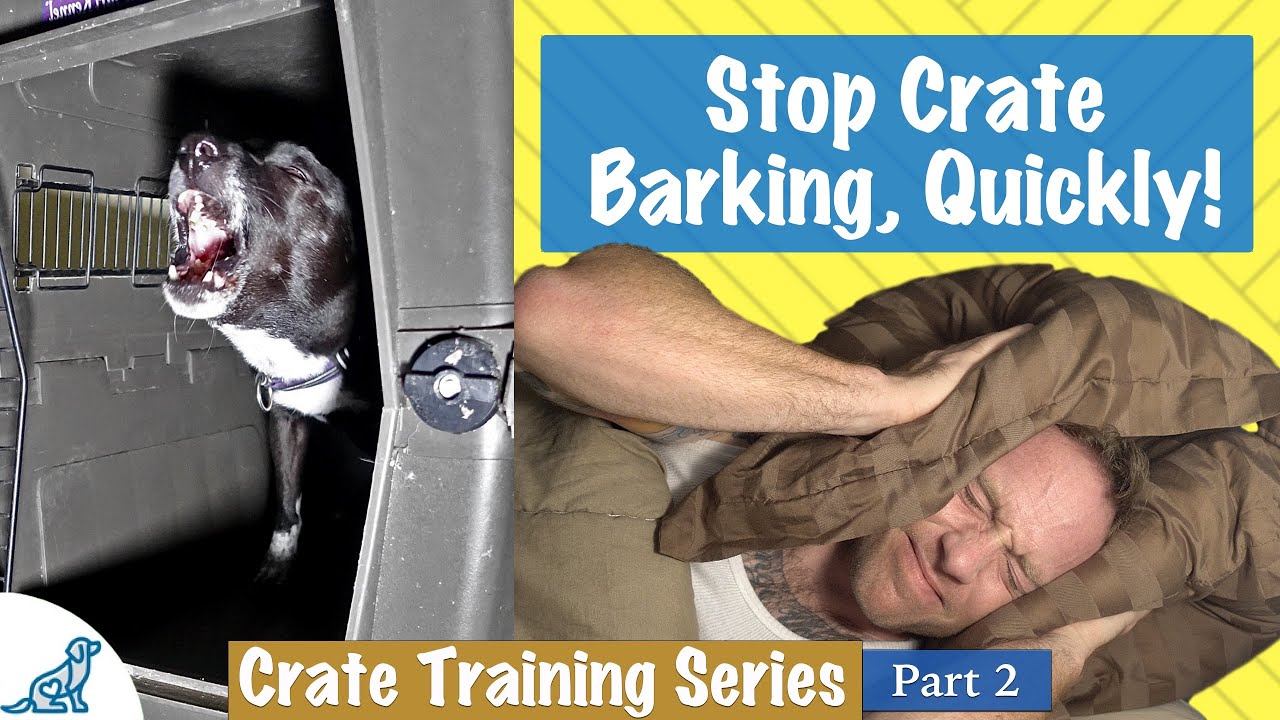
Tools can support efforts to stop dog barking at night time, but they are not magic. Use them carefully.
Options and notes:
- White noise machines. Good for masking triggers and gentle to use.
- Motion-activated lights outside. Reduce nocturnal animal visits.
- Calming pheromone diffusers. They can soothe some dogs.
- Remote training or anti-bark devices. Use only with expert guidance.
Assess each tool for your dog’s needs. Tools add support, not replacement for behavior work.
:strip_icc()/stop-your-dog-from-barking-3877988-v5-TT-350f8d51e1c24802bce9a0430dec82a8.jpg)
When to get professional help
If you cannot stop dog barking at night time, a pro can help. Seek help when barking continues despite consistent training and fixes.
When to consult:
- Barking linked to separation anxiety or intense fear.
- Sudden onset after medical clearance.
- If training stalls or progress reverses.
A certified trainer or veterinary behaviorist can design a plan and guide you through tough cases.
Personal experience and lessons learned
My work with many families taught clear lessons about how to stop dog barking at night time. I once helped a terrier that barked at every car door slam. Simple moves changed that habit.
What I learned:
- Start with health checks. One dog barked more because of an ear infection.
- Reward silence more than punish noise. Positive gains last.
- Small routines beat complex systems. A 15-minute walk and puzzle toy often solved nights.
- Track progress. Notes on triggers and times reveal patterns.
Mistakes I made: I tried tech fixes before training. That slowed long-term success. Focus on basics first.
Frequently Asked Questions of how to stop dog barking at night time
How can I stop my dog barking at night for attention?
Give attention only when your dog is calm. Ignore barking and reward quiet behavior to teach that silence gets attention.
Is it bad to let a dog bark at night sometimes?
Occasional barking is normal. Persistent or stressful barking signals a problem and should be addressed with training or a vet check.
Can exercise reduce night barking?
Yes. A good evening walk and play reduce excess energy and lower the chance of barking at night.
Are anti-bark collars humane for nighttime use?
Many collars can stress dogs if used improperly. Try reward-based training and environmental fixes before using aversive devices.
What if my dog barks at wildlife at night?
Block visual triggers with curtains, use white noise, and reduce outside attraction like bird feeders. Training calm responses also helps.
Conclusion
You can reduce and often stop dog barking at night time with a clear plan. Start with health checks, identify triggers, use short-term fixes tonight, and build training routines for long-term change. My best advice is to be patient and consistent—small, steady steps lead to quiet nights.
Take action now: try one immediate fix tonight, pick one training cue to practice daily, and note progress. If you see no change, reach out to a trainer or vet for tailored help. Leave a comment about your dog’s situation or share what worked for you.

Pet Care Writer & Researcher
Daniel writes practical guides on daily care, feeding, and safety, turning complex topics into simple, actionable advice.