How To Stop Demand Barking: Quick Training Tips
Learn how to stop demand barking with simple training, reward timing, and consistency—calm your dog fast with humane, proven steps.
Stop demand barking by removing rewards, teaching calm alternatives, and practicing consistent, short sessions.
I’ve helped dozens of dog owners handle demand barking with clear, practical methods that work. This guide explains how to stop demand barking step by step, why dogs do it, and exactly what to train and avoid. You’ll get simple exercises, real-life tips from my experience, common mistakes, and when to call a pro. Read on to get calm, quiet, reliable results with your dog.
What is demand barking?
Demand barking is when a dog barks to get something now. It’s goal-oriented. The dog learns barking leads to attention, food, doors opening, or play.
Dogs use sound like a tool. Over time, the bark becomes a habit. Understanding this helps you change it.

Common causes of demand barking
- Lack of routine and structure. Dogs bark when needs are unclear.
- Reinforcement from owners. Any attention can reward barking.
- Boredom or excess energy. Dogs with unused energy will make noise.
- Anxiety or insecurity. Some dogs bark to manage stress.
- Learned behavior in multi-dog homes. One dog’s bark can cue others.
Each cause needs a matching fix. If you know why your dog barks, you can target training more effectively.

Why demand barking is a problem
Demand barking strains relationships and safety. It can lead to neighbor complaints and stress in the home. Left unchecked, it gets louder and more frequent.
Stopping demand barking improves focus and trust. Your dog learns calm ways to ask. That makes daily life easier for both of you.

Core strategy: how to stop demand barking
Follow a simple, consistent framework to stop demand barking. Use short training blocks and team consistency.
- Remove the reward. Stop giving what the dog wants when they bark.
- Ignore the bark. Turn away, avoid eye contact, and stay quiet until they stop.
- Reward silence. Praise and give rewards only when the dog is quiet for a few seconds.
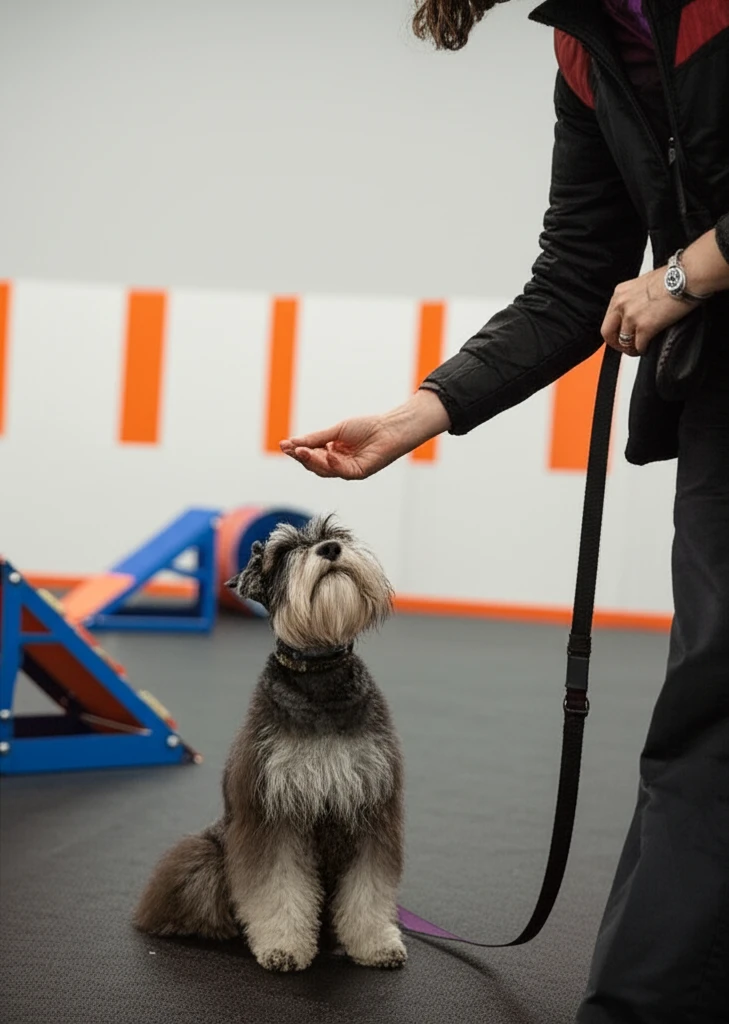
- Teach an alternate cue. Train a reliable “sit,” “place,” or “quiet” behavior to ask for things.
- Schedule needs. Set regular feeding, play, and potty times to reduce demand triggers.
- Increase exercise and enrichment. A tired dog barks less.
- Use time-outs correctly. Calmly remove the dog to a quiet space for a short period after repeated barking.
- Avoid yelling. Yelling feels like attention and can sound like joining the bark.
- Train impulse control. Work on “wait” and delayed gratification drills.
Consistency is the key to stop demand barking. Everyone in the house must follow the rules.

Step-by-step training plan to stop demand barking
Start small. Practice these steps five to ten minutes a day.
- Baseline and triggers
- Note when barking happens. Write triggers down. This helps make a plan.
- Teach an alternative
- Train “sit” or “place.” Reward calm behavior instead of barking.
- The ignore-and-reward loop
- Ignore every bark. When quiet returns, mark it and reward immediately.
- Add a cue for quiet
- Say “quiet” as soon as they stop. Reward. Repeat until cue works.
- Gradually increase demands
- Ask for longer quiet periods before rewarding. Build slowly.
- Train in real situations
- Practice during meals, at the door, and before play. Simulate real triggers.
- Reward the right thing every time
- If the dog barks, delay the reward further. Don’t let one person undo progress.
Repeat daily. Short and consistent beats long and rare.

Practical exercises and examples
Try these concrete drills to stop demand barking.
- Quiet cue drill
- Wait for a short silence. Say “quiet,” reward instantly. Repeat. Add duration slowly.
- Sit-for-access drill
- Ask for “sit.” Give food or pet only when sitting. No sit, no access.
- Delayed-release drill
- Hold an item just out of reach. Ask for calm behavior, then release. Increase time.
- Desensitization to triggers
- Introduce trigger at low intensity. Reward calm. Raise intensity only when calm stays.
- Enrichment swaps
- Replace attention with puzzle feeders, chew toys, or short games to lower demand barking.
Real example from my work: I had a Labrador that barked at me for dinner. We taught “go to mat” and delayed feeding by five seconds after quiet. In two weeks the barking dropped by 80%.

Management tools and environment tweaks
These reduce practice opportunities for the bark.
- Use puzzle feeders and slow bowls to prevent begging barks.
- Create a designated calm spot like a mat or crate.
- Provide regular walks and play to cut energy.
- Block access to high-trigger zones like counters or windows.
- Use baby gates for controlled time-outs.
Tools support training but don’t replace it. Use them while you work on behavior change.

When to seek professional help
Call a trainer or behaviorist if barking is intense, linked to fear, or paired with aggression. Persistent barking despite consistent training also signals help. Professionals can assess medical, behavioral, or anxiety issues.
A vet check is wise if barking changes suddenly. Pain, cognitive decline, or sensory loss can drive noise.

Common mistakes to avoid
- Responding with attention. Any attention can reward barking.
- Inconsistency across household members.
- Long training sessions that fatigue the dog.
- Punishing the bark with yelling or harsh corrections.
- Not addressing exercise and enrichment needs.
Avoid these and progress will be faster.
Frequently Asked Questions of how to stop demand barking
What exactly causes demand barking?
Demand barking is learned behavior. Dogs discover barking gets results like attention, food, or access, and they repeat it.
Can a dog be trained not to bark at all?
No. Barking is normal. The goal is to reduce unwanted demand barking and teach polite ways to ask.
How long before I see results?
With consistent training, you can see changes in one to three weeks. Big habits may take months for steady improvement.
Should I use a bark collar to stop demand barking?
Bark collars can mask the sound but don’t teach alternatives. Use them only with professional guidance and as a last resort.
My dog barks only at me. How do I stop that?
Establish clear rules and rewards. Ignore barking, reward quiet, and teach an alternate behavior like “sit” for the thing they want.
Is ignoring always safe?
If barking is linked to fear or aggression, ignoring may not be safe. Consult a professional for those cases.
Conclusion
Stopping demand barking means changing what your dog gets for barking and teaching a calm way to ask. Use short, consistent training sessions, remove rewards when they bark, and reward silence and alternative behaviors. Be patient—small wins add up fast.
Try one method this week: pick a trigger, ignore the bark, and reward the first quiet moment. Track progress and adjust as you go. If you found this helpful, try the drills, share your results, or ask a question below — I’ll help you troubleshoot the next steps.

Pet Care Writer & Researcher
Daniel writes practical guides on daily care, feeding, and safety, turning complex topics into simple, actionable advice.