Why Does My Dog Bark At Animals On TV: Causes And Fixes
Why does my dog bark at animals on TV? Learn the reasons behind this behavior and discover simple ways to help your dog stay calm.
Dogs bark at animals on TV because moving images trigger instinct, excitement, confusion, or a learned response.
If you wonder, “Why does my dog bark at animals on TV?” you are seeing a normal mix of canine senses, emotion, and habit. Dogs may react to sounds, motion, smells they expect but cannot find, or the urge to warn you. This guide explains the behavior and shows you how to help your dog watch TV calmly.
Why does my dog bark at animals on TV?
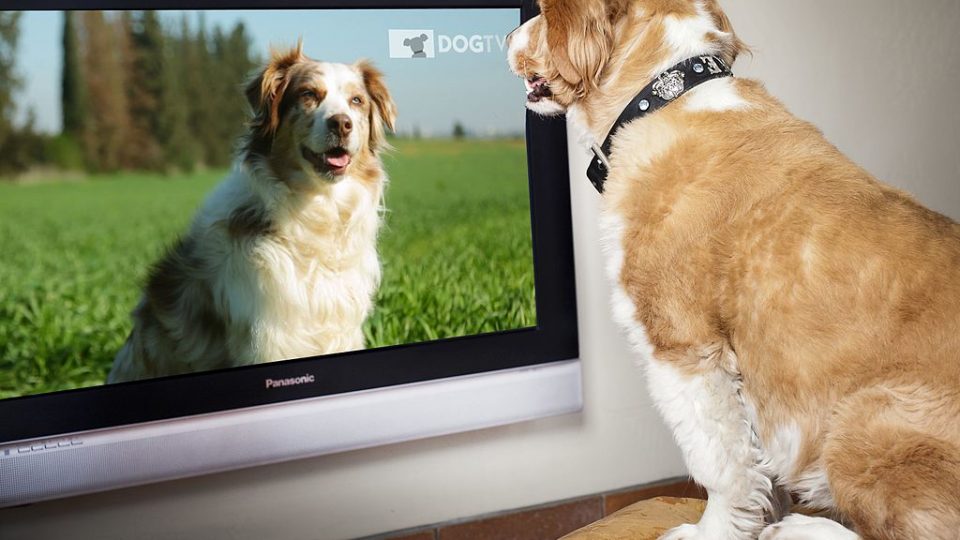
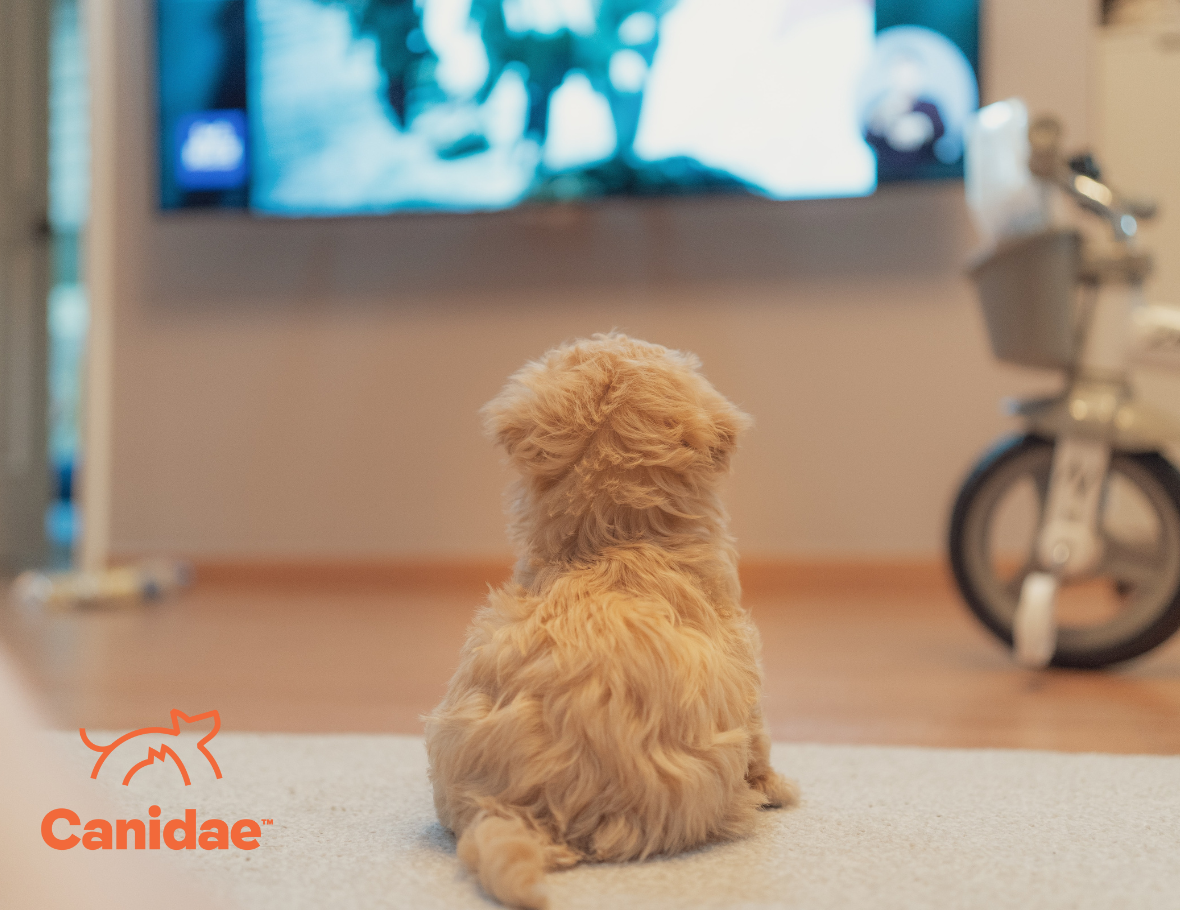
Dogs do not watch television in the same way people do. They notice movement, sound, contrast, and familiar animal shapes. A barking dog, running squirrel, or flying bird may look like a real visitor entering the room.
For some dogs, the TV is like a window with strange rules. An animal appears, vanishes, and never leaves through the door. Your dog may not understand this pattern, even if the images seem clear to you.


Common reasons include:
• Prey drive: Fast-moving animals can trigger the instinct to chase.
• Alert behavior: Your dog may bark to warn you about a possible intruder.
• Social response: A dog on screen may seem like another dog that needs an answer.
• Frustration: Your dog can see or hear an animal but cannot reach it.
• Excitement: Action, music, and sudden movement can raise arousal.
• Confusion: Some dogs cannot tell that the animal is only an image.
• Learned behavior: If barking leads to attention, the habit can grow stronger.
The answer to “Why does my dog bark at animals on TV?” often includes more than one cause. A herding breed may react to motion, while a fearful dog may respond to the sound of barking. Your dog’s age, breed, history, and daily stress level all matter.
How dogs see and hear television
A dog’s vision differs from human vision. Dogs generally see fewer colors, with blue and yellow standing out more clearly than red and green. They also detect movement well, which helps them notice an animal running across a screen.


Older television sets may have looked like flickering pictures to some dogs. Modern high-refresh screens usually appear more natural, but the experience still varies. A dog with poor vision may rely more on sound than sight.
Hearing is often the bigger trigger. Dogs can hear higher frequencies than people and may notice small sounds in a television soundtrack. A distant bark, bird call, squeak, or rustle can draw a strong response.
Dogs also use smell to understand events. Television provides no scent, which creates a confusing mismatch. Your dog may hear and see a possible animal but find no smell in the room. That gap can lead to barking, searching, or repeated checking.
A study of canine visual behavior found that dogs can recognize animal images on screens, though interest differs from dog to dog. A screen does not need to look perfectly real to create a reaction. Movement and sound may be enough.
The main types of barking at animals on TV
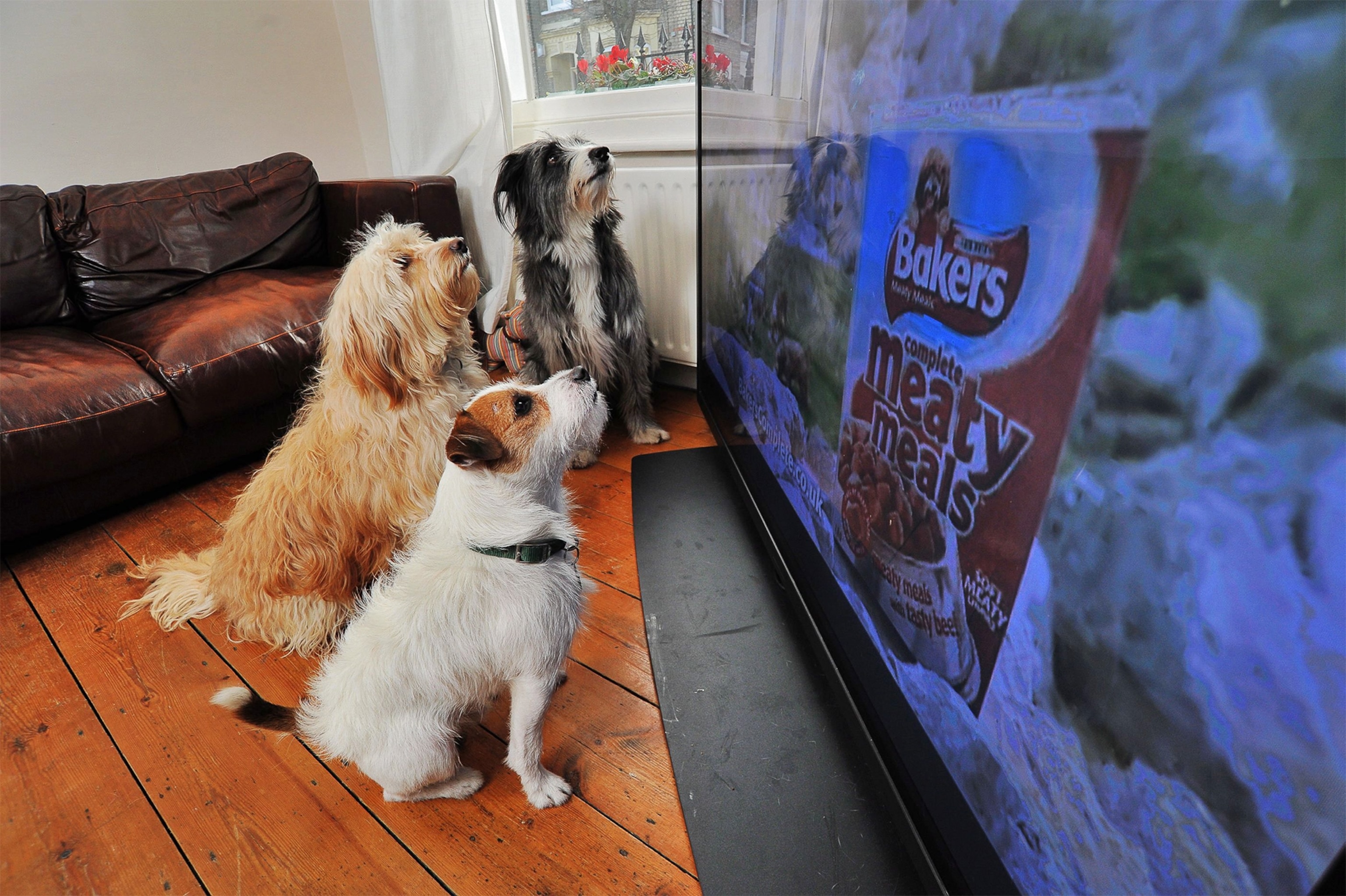
Not every bark means the same thing. Watch your dog’s full body, not just the noise. Tail position, ears, posture, and movement can reveal whether your dog feels excited, worried, or ready to chase.
Alert barking
Alert barking is often sharp and repeated. Your dog may stand tall, face the screen, and glance at you. This can mean, “There is something here. Should I handle it?”
A dog that alerts at animals on TV may also bark at people near the home, sounds outside, or animals in the yard. The TV becomes one more part of the dog’s watch duty.
Playful or social barking
A loose body, wagging tail, soft eyes, and play bows suggest excitement or social interest. Your dog may bark at a dog on screen as if inviting it to interact.
Some dogs bring a toy to the TV. Others run behind the screen to find the animal. These actions often show curiosity rather than fear.
Fear-based barking
A fearful dog may crouch, tuck the tail, pin the ears back, lick the lips, or move away while barking. The bark may sound high or frantic.
Fear can worsen if people laugh, shout, or force the dog to stay near the screen. Give your dog space and lower the intensity at once.
Frustration or chase barking
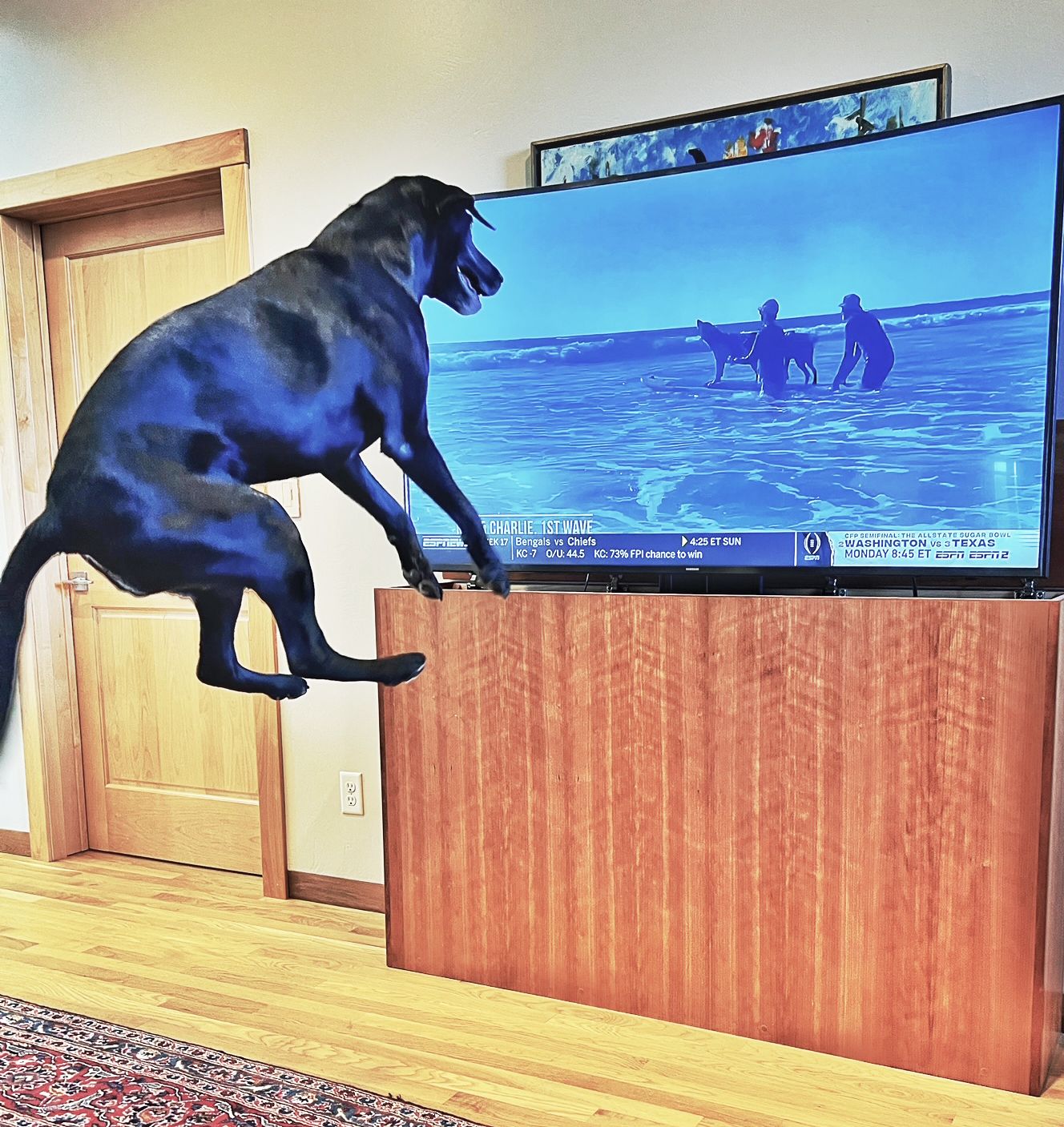
A dog with strong prey drive may lunge, whine, pace, or snap at the screen. Fast scenes with squirrels, cats, rabbits, or birds often cause this response.
This is not always aggression. It may be an inability to complete a chase. Still, a frustrated dog can damage a screen or redirect a bite toward a nearby person or pet.



Why breed and personality can affect the reaction
Breed traits can shape how a dog responds to television. Herding breeds may track movement closely. Terriers may react strongly to small animals. Scent hounds may focus on sound and then search the room when no smell appears.
Breed is only one factor. A calm Labrador may ignore a barking dog on screen, while a mixed-breed dog with a past of noise sensitivity may react at once. Individual learning and temperament often matter more than breed labels.
Past experiences also influence barking. A dog that has chased squirrels outdoors may view a squirrel on TV as a clear target. A rescue dog with a history of alarm may treat every sudden sound as a possible threat.
Age can play a role, too. Puppies may bark from curiosity and poor impulse control. Older dogs may respond more to sound if vision or hearing changes alter the way they process television.
The best question is not only “Why does my dog bark at animals on TV?” Ask what happens before, during, and after the bark. This simple pattern can reveal the cause.
How to stop your dog from barking at animals on TV
You do not need to stop every bark. A short alert is normal. The goal is to prevent a long, stressful pattern and teach your dog a calmer choice.
1. Lower the trigger
Start with easy viewing conditions. Turn down the volume and choose calm nature scenes instead of fast action. Sit farther from the screen or place your dog behind a baby gate.
If your dog reacts to certain animals, skip those programs for now. Training works best when your dog stays below the point of panic or intense excitement.
2. Reward calm behavior
Keep small, tasty treats near the sofa. When an animal appears and your dog stays quiet, mark the moment with a calm word such as “yes,” then give a treat.
At first, reward even one second of silence. Over time, wait for two seconds, then five. This teaches your dog that calm behavior earns good things.
3. Teach a replacement behavior
Give your dog another job. Useful choices include:
• Looking at you
• Touching your hand with the nose
• Going to a mat


• Holding a toy
• Sitting quietly
Practice the behavior away from the TV first. Once your dog knows it well, use it when a mild animal scene appears.
4. Use gradual exposure
Play a quiet animal video at a very low volume for a few seconds. Feed treats while your dog remains calm. Turn the video off before barking begins.
Repeat this process over several days. Increase only one factor at a time, such as volume, distance, or movement. If barking starts, make the next session easier.
5. Meet daily exercise needs
A bored or under-stimulated dog may react more strongly to television. Walks, sniffing games, training, food puzzles, and safe play can lower unused energy.
Mental work matters as much as physical exercise. Ten minutes of scent work may help some dogs settle better than a quick walk around the block.
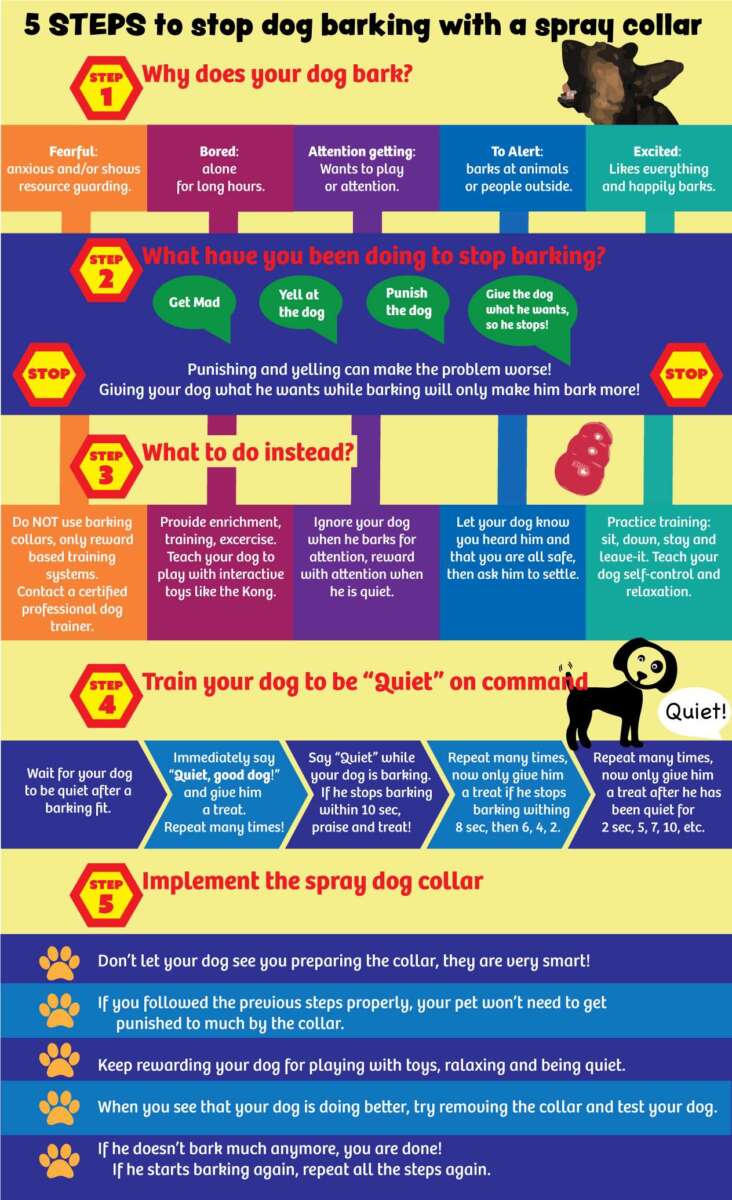
6. Avoid punishment
Yelling can sound like you are joining the barking. Shock collars and harsh corrections may increase fear and can damage trust. Reward-based training is safer and supported by modern veterinary behavior guidance.
What to do during a barking episode
When your dog barks at animals on TV, stay calm. Speak softly and avoid rushing toward the screen. Your reaction can add energy to the moment.
Try these steps:
-
Pause or change the program.
-
Call your dog in a cheerful voice.
-
Guide your dog to a mat or another room.
-
Offer a chew, toy, or scatter a few treats on the floor.
-
Wait for the body to relax before turning the TV back on.
Do not drag your dog toward the screen. Do not hold the muzzle shut. These actions may stop the sound briefly, but they do not teach calm behavior.
If your dog cannot respond to its name, take treats, or move away, the trigger is too strong. Increase distance, reduce volume, or stop the session. A calm reset is more useful than forcing your dog to “face” the TV.

Common mistakes dog owners make
Many owners accidentally reward barking without meaning to. They may pet the dog, pick it up, laugh, or offer food after a loud episode. The dog can learn that barking makes something interesting happen.
Another mistake is starting with difficult videos. A full-volume clip of wolves chasing prey is not a good first lesson. Begin with quiet, slow movement and build gradually.
Inconsistent rules can also slow progress. If barking is allowed during the day but punished at night, your dog receives mixed signals. Use the same calm response each time.
Some people assume that a dog who barks at animals on TV is aggressive. That conclusion is too broad. Barking can show play, fear, frustration, alertness, or simple excitement.
Finally, avoid relying only on distraction. Distraction can help in the moment, but long-term improvement comes from changing the emotional response and rewarding an alternative behavior.

When barking at TV may signal a bigger problem
Occasional barking is usually not a concern. Seek professional help if the behavior is intense, sudden, or spreading to many daily situations.
Contact a veterinarian if your dog also shows:
• Sudden confusion
• New fear of normal sounds
• Trouble seeing or hearing
• Repeated pacing
• Aggression toward people or pets
• Loss of sleep
• Compulsive searching behind the TV
Pain, sensory changes, and medical conditions can affect behavior. A veterinary check is especially important for an older dog with a new reaction.
A qualified, reward-based trainer or veterinary behaviorist can help with severe cases. Look for professionals who explain their methods clearly and avoid fear, pain, or intimidation.
There are limits to what television training can show. A dog may behave well at home but react outdoors to a real squirrel or dog. Screen behavior is only one part of the larger picture.

A simple seven-day training plan
A short plan can make the process easier to follow. Keep each session brief and stop while your dog is still calm.
Days one and two
Choose a quiet video with slow animal movement. Keep the volume low and place your dog far from the screen. Reward your dog for looking at the screen and then looking back at you.
Days three and four
Add a little more movement or sound if your dog stays relaxed. Ask for a simple behavior, such as sitting or going to a mat. Reward quickly.
Days five and six
Practice with a slightly harder scene. Use short sessions of one to three minutes. Give your dog a break between sessions.
Day seven
Test a normal program for a short time. Keep treats ready and pause the program at the first sign of rising stress. Do not increase difficulty just because one session goes well.
Progress is not always steady. A bad day does not mean training failed. Sleep, pain, weather, visitors, and missed exercise can all change your dog’s response.
Why does my dog bark at animals on TV but ignore real animals?
Television and real life provide different signals. The screen offers sharp movement and sound but no scent, direct contact, or normal body language. Some dogs find this mismatch more exciting than meeting a real animal.
A real animal may also be farther away or move in a less dramatic way. Television producers often use close shots, quick cuts, and loud sounds that increase the response.
Can dogs tell that animals on TV are not real?
Some dogs appear to understand that television is different, while others respond as if the animals are real. Dogs vary in vision, learning, past experience, and interest in screens.
Even a dog that knows the image is not real may bark from excitement or habit. Recognition does not always stop an emotional response.
Should I let my dog watch animal videos?
You can let your dog watch if the experience stays calm and does not cause stress. Choose low-volume content, supervise your dog, and stop when you see stiff posture, frantic barking, pacing, or repeated lunging.
Television should not replace walks, sniffing, play, training, or social contact. It is entertainment, not a complete form of enrichment.
Frequently Asked Questions About Why Does My Dog Bark at Animals on TV
Why does my dog bark at animals on TV but not at people?
Animal movement and sounds may trigger stronger instincts than human scenes. Fast motion, barking, squeaking, and running can activate alertness or prey drive.
Is it normal for a dog to bark at animals on TV?
Yes, occasional barking is common. It becomes a concern when your dog cannot settle, damages the screen, shows fear, or redirects aggression toward people or pets.
How can I stop my dog from barking at animals on TV at night?
Lower the volume, choose calm programs, and keep your dog farther from the screen. Reward quiet behavior and turn the TV off if your dog becomes highly aroused.
Do puppies bark at animals on TV more than adult dogs?
Puppies often react more because they have less impulse control and less experience with screens. Gentle training can help them learn that the images do not require a chase or warning.
Should I punish my dog for barking at animals on TV?
Punishment is not recommended because it can increase fear and excitement. Instead, remove the trigger, guide your dog to a calm behavior, and reward silence.
Can anxiety cause my dog to bark at animals on TV?
Yes. A dog may bark because the sounds or images feel threatening or confusing. Look for signs such as crouching, tucked tail, trembling, hiding, or rapid pacing.
Why does my dog bark at animals on TV and run behind the screen?
Your dog may be searching for the animal or trying to complete a social or chase response. Block access to the back of the TV for safety and redirect your dog with treats or a toy.
Conclusion
The question “Why does my dog bark at animals on TV?” has several answers. Your dog may react to motion, sound, prey drive, social signals, fear, confusion, or a habit that has been rewarded.
Watch your dog’s body language, reduce the trigger, reward calm choices, and train in small steps. Avoid yelling and punishment, and speak with a veterinarian or qualified behavior professional if the reaction is severe or new.
With patience, the TV can become a quiet part of your dog’s routine instead of a daily source of alarm. Try one gentle training session this week, and share what your dog reacts to most.

Pet Care Writer & Researcher
Daniel writes practical guides on daily care, feeding, and safety, turning complex topics into simple, actionable advice.