Who To Call About A Barking Dog: Your Best Options
Who to call about a barking dog? Learn the best steps, local contacts, and practical solutions to resolve ongoing noise complaints quickly.
Call your local animal control office first, unless the barking signals danger or an urgent safety problem.
Knowing who to call about a barking dog can save time, reduce stress, and prevent a small dispute from becoming a feud. The right contact depends on the cause, the time, your local noise rules, and whether anyone faces immediate danger. This guide explains your options, what to document, and how to make a calm, effective report.

Who to Call About a Barking Dog
In most U.S. communities, animal control or local code enforcement is the best first contact for an ongoing barking complaint. These offices handle nuisance animals, local noise rules, and welfare concerns.
The exact agency may have a different name. It could be called:
• Animal control
• Code enforcement
• Community services
• Neighborhood services
• The local humane enforcement office
• The nonemergency police line
Search your city or county website for “barking dog complaint” or “animal noise complaint.” Many agencies provide an online form. Others ask you to call during office hours.
If you rent, contact your landlord or property manager as well. Your lease may ban repeated noise or explain the steps for making a complaint. A homeowners association may also enforce community rules.
The key is to start with the office that can legally investigate the problem. Calling the wrong department may delay help and frustrate everyone involved.
When to Call Animal Control
Animal control is usually the right answer to who to call about a barking dog when the noise is repeated, severe, or linked to possible neglect.
Animal control may help with:
• Barking that continues for long periods
• A dog left outside without proper care
• A dog that appears sick, injured, or unsafe
• A dog that escapes or roams freely
• Aggressive behavior near people or pets
• Local violations involving animal care or nuisance noise
Many animal control offices follow a set process. An officer may contact the owner, inspect the situation, issue a warning, or require steps to reduce the noise.
Some offices cannot act on a single short barking event. They may need a pattern, a witness statement, or a recording. Rules also vary by city. In one town, barking may be a noise violation after a certain time. In another, the rule may focus on unreasonable or continuous noise.
When asking who to call about a barking dog, check your local rule before assuming the dog owner broke the law. A report is stronger when it matches the wording used in the local code.

When to Call the Police
Call 911 only when the barking comes with an immediate threat to life or safety. Examples include a dog attacking someone, a person in danger, or a violent event at the property.
For a serious but nonurgent issue, use the police department’s nonemergency number. This may be suitable when:
• You hear a possible break-in
• A dog is actively attacking another animal
• A person appears trapped or injured
• The owner is threatening you during a dispute
• The disturbance is severe and happening right now
Police usually do not handle ordinary barking complaints as their main duty. They may direct you to animal control or code enforcement. Still, a barking dog can sometimes reveal a larger safety issue, so trust your judgment.
Do not enter the neighbor’s yard or attempt to restrain the dog yourself. Keep a safe distance and give dispatchers clear facts. Explain what you hear, where it is happening, how long it has continued, and whether anyone is at risk.

When to Call Your Landlord or Property Manager
If you live in an apartment, condo, or rental home, your landlord may be one of the best answers to who to call about a barking dog. Most leases include quiet enjoyment rules and limits on disruptive behavior.
Send your complaint in writing. Include:
• Your name and unit number
• The dog’s location, if known
• The dates and times of the barking
• How long each episode lasts
• How the noise affects sleep, work, or daily life
• Copies of recordings or prior messages
A landlord may speak with the tenant, send a written notice, inspect the unit, or begin a lease enforcement process. The landlord may also tell you to report the matter to animal control.
Be fair and specific. “The dog is always barking” is less useful than “The dog barked from 11:40 p.m. to 12:25 a.m. on Tuesday.” Clear details help property staff see a pattern.
When to Contact a Homeowners Association
A homeowners association, or HOA, may handle barking under its nuisance, quiet hours, or pet rules. Review the association’s governing documents before filing a complaint.
An HOA may ask for:
• A written statement
• A barking log
• Audio or video evidence
• Dates of earlier attempts to resolve the issue
• Information about the home and dog involved
An HOA can often issue notices or fines if its rules allow them. However, an HOA is not a substitute for animal control during an emergency. It may also lack authority over public streets, animal cruelty, or dangerous behavior.
If you are unsure who to call about a barking dog in an HOA community, ask the management company for the formal complaint process. Follow it closely. A complaint that ignores the required process may be closed without action.
Should You Speak With the Dog Owner First?
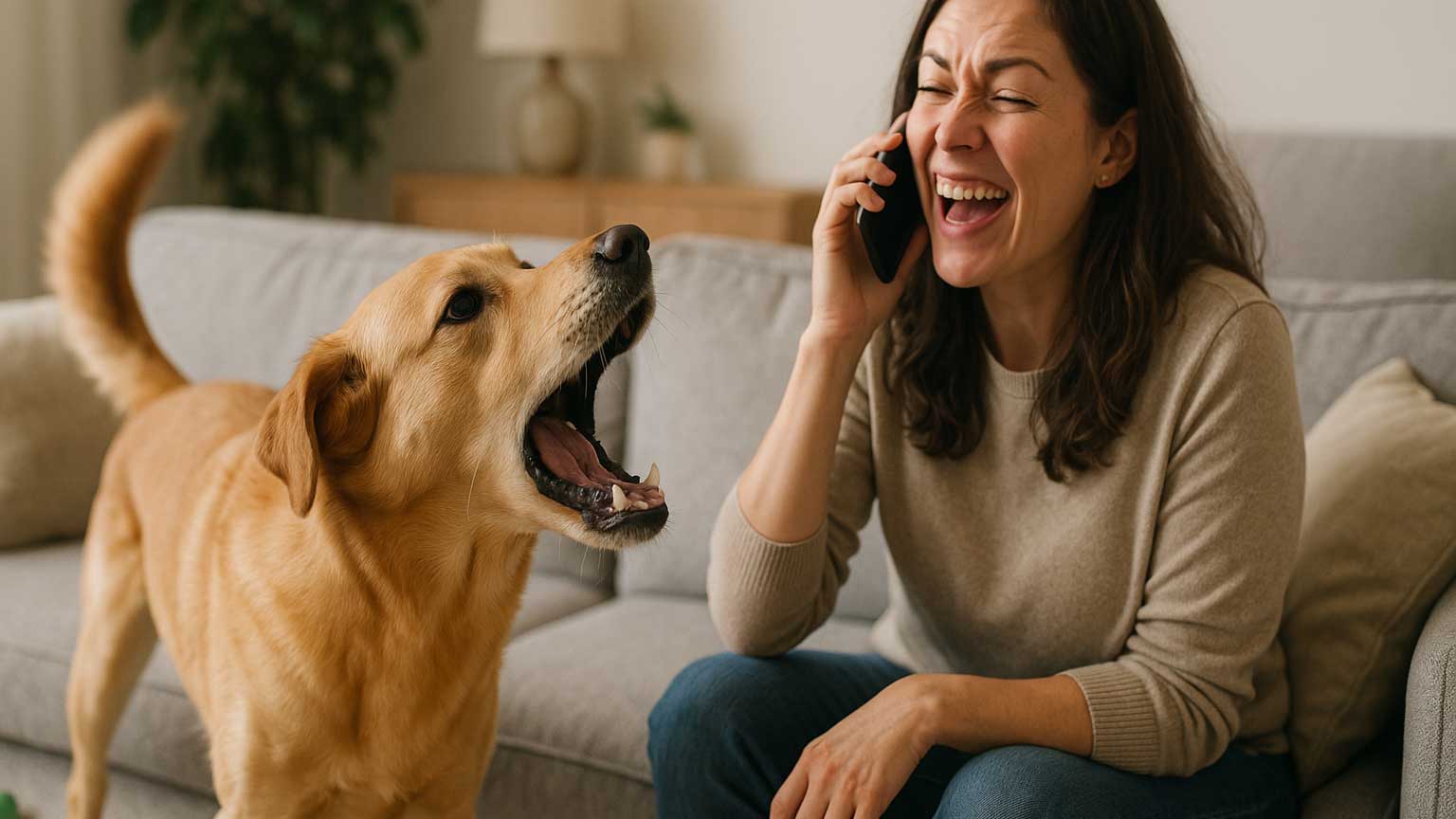
A polite conversation is often the fastest solution, especially when the owner does not know the dog is barking. Dogs may bark when their owners leave, when wildlife passes by, or when they hear sounds inside a shared wall.
Choose a calm time. Do not approach the owner while you are angry or while the dog is loose. You might say:
“Hi, I wanted to let you know that your dog has been barking for long periods when you are away. It has happened several nights this week. I thought you might not know.”
This approach focuses on the behavior rather than attacking the person. It also gives the owner a chance to explain. The dog could have separation anxiety, pain, fear, or a new trigger.
Skip direct contact if the neighbor has acted aggressively, threatened you, or owns a dog that presents a clear danger. In that situation, use written communication, a landlord, animal control, or the nonemergency police line.

How to Document a Barking Dog Complaint
Good records can make the difference between a vague complaint and an actionable report. Think of a barking log as a simple map of the problem.
Record:
• The date
• The start and end time
• The total length of the barking
• Whether it was constant or in repeated bursts
• Where the sound came from
• The effect on your household
• Any contact with the owner or property manager
Short recordings can support your report, but follow your state and local privacy rules. Record the sound from your own property. Do not trespass, point cameras into private areas, or provoke the dog to create evidence.
Do not exaggerate. If the barking lasted 18 minutes, write 18 minutes. Accurate records build trust and help officials compare your report with those from other residents.
When deciding who to call about a barking dog, ask the agency what proof it needs. Some offices require a sworn statement. Others may ask multiple neighbors to report separately.
What Causes Excessive Barking?
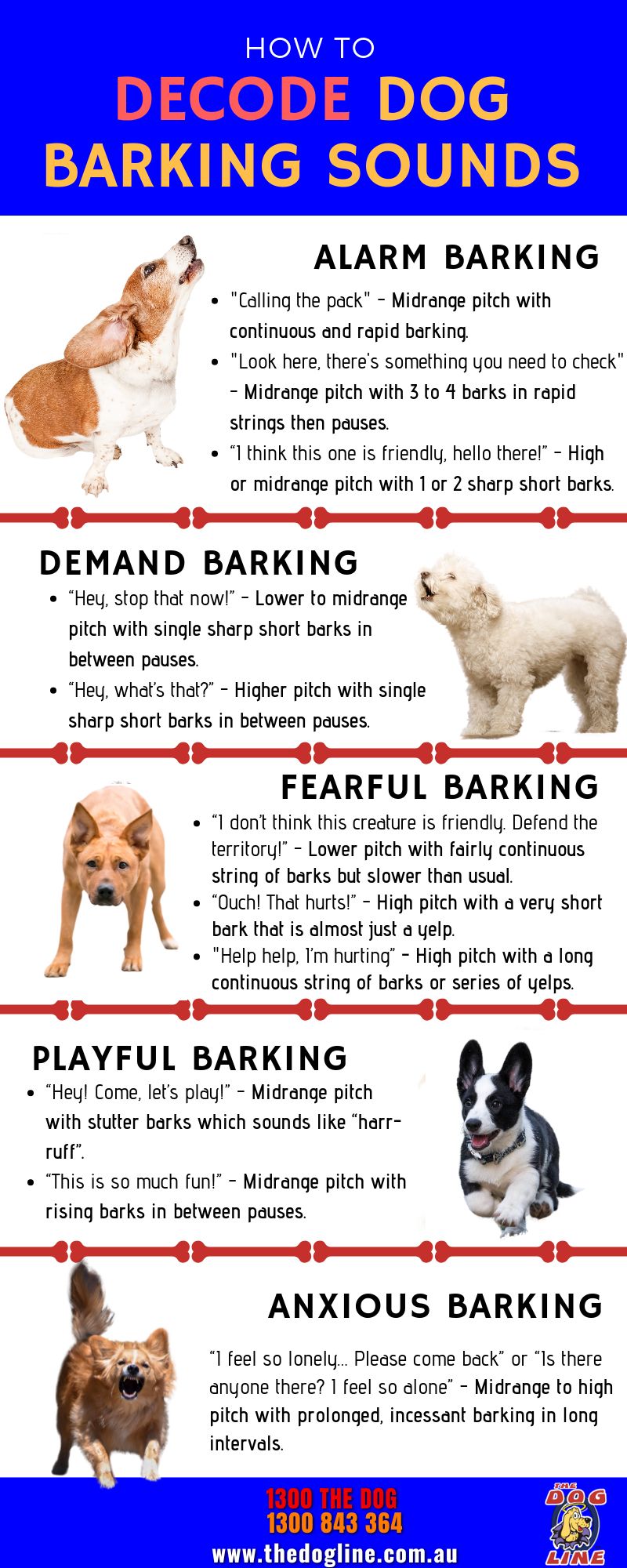
Barking is normal dog communication. Excessive barking usually points to a need, trigger, or learned habit rather than simple “bad behavior.”
Common causes include:
• Separation anxiety when the owner leaves
• Fear of people, traffic, storms, or other animals
• Boredom or a lack of exercise
• Territorial behavior
• Pain or illness
• Hunger, thirst, heat, or cold
• A dog reacting to sounds that people cannot hear
• Reinforcement, when barking gets attention or access to something
This matters because the best solution depends on the cause. A trainer may help with fear or habit. A veterinarian may help when pain or illness is involved. More exercise and enrichment may help a bored dog.
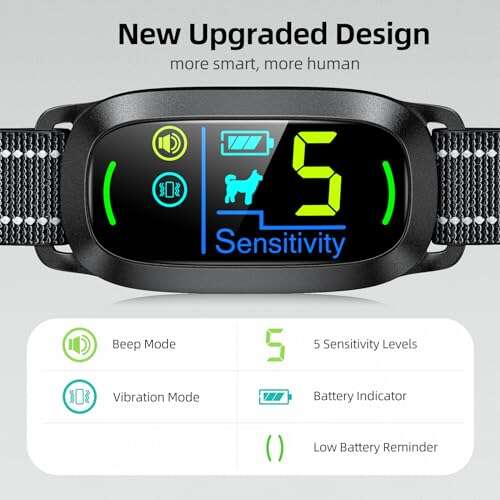
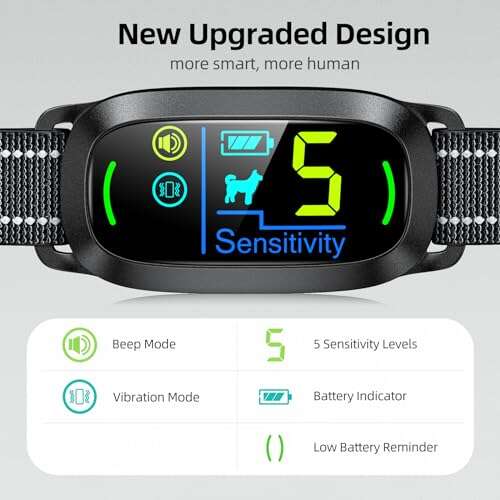
Punishment alone can make fear worse. Shock devices and harsh corrections may also increase stress or aggression. A qualified reward-based trainer can help the owner change the behavior safely.
What to Say When Making a Complaint
When you call, stay calm and give facts in a clear order. The person taking the report may need to enter your information into a case system.
Explain:
- Where the dog is located
- When the barking happens
- How long the pattern has continued
- Whether you contacted the owner
- Whether the dog appears neglected or dangerous
- What evidence you have
- What outcome you are requesting
Ask for the case number, the next step, and the expected response time. Write down the employee’s name if the agency provides it.
You may ask whether your identity will remain confidential. Do not assume it will. Some public records laws may require disclosure of complaint information, and an officer may need your statement to support enforcement.
If the agency does not respond, follow up politely. Provide new dates and times rather than sending the same message many times. A clear update is easier to process.
What Not to Do About a Barking Dog
A barking dog can test anyone’s patience. Still, certain actions can put you, the dog, or the neighborhood at risk.
Avoid:
• Yelling at the dog from a fence or window
• Throwing objects into the yard
• Using a laser, horn, or other device to scare the dog
• Entering the property
• Posting accusations with the owner’s address online
• Threatening the owner
• Calling 911 for a routine noise complaint
• Filing false or exaggerated reports
These actions can worsen the barking and turn a noise problem into a legal or personal conflict.
One common mistake is waiting for weeks while keeping no records. Another is making a heated complaint that focuses on the owner’s personality. Officials can act more easily when they receive dates, times, recordings, and specific safety facts.
A Practical Escalation Plan
Use a step-by-step plan instead of making random calls. This keeps your response fair and creates a useful record.
-
Listen for a pattern. Note the times, length, and type of barking.
-
Check local rules. Search your city or county website for animal noise rules.
-
Speak with the owner if it feels safe. Explain the problem in a calm way.
-
Contact your landlord or HOA if their rules apply.
-
Report repeated barking to animal control or code enforcement.
-
Use the police nonemergency line for an urgent disturbance or safety concern.
-
Call 911 only for an immediate threat, attack, injury, or crime in progress.
-
Follow up with your case number and updated records.
This plan answers who to call about a barking dog while allowing the least harmful solution to come first. It also helps agencies see that you acted reasonably.
What Happens After You Report a Barking Dog?
The response depends on local law and the quality of the evidence. An agency may contact the owner, visit the property, issue a notice, or ask for more information.
Some agencies use a warning-first approach. Others require a formal complaint before an officer can act. A city may also require the barking to continue for a specific period or occur during protected quiet hours.
Possible outcomes include:
• Advice to the owner
• A written warning
• A required plan to control the noise
• A citation or fine
• A court hearing
• A welfare investigation
• No action because the evidence does not meet the local rule
The process may feel slow. Enforcement officers must balance your right to peace with the owner’s rights and the limits of local law. An agency may also have a backlog, especially during busy seasons.
If the barking is linked to neglect, injury, or extreme outdoor conditions, mention those facts clearly. A welfare concern may receive a different response from a standard nuisance complaint.
Personal Lessons From Barking Dog Disputes
A lesson I often share is that timing matters more than volume. A short, calm conversation or well-written report usually works better than an angry confrontation at midnight.
Another useful lesson is to describe the impact without making claims you cannot prove. Say that the noise woke your child three times. Do not claim that the owner “never cares” unless you have facts that support it.
I have also seen people contact several agencies at once, hoping one will respond faster. That can create duplicate reports and confusion. Start with the correct office, keep the case number, and escalate only when the facts justify it.
The best result is not always a fine. Sometimes the owner moves the dog indoors, adds exercise, works with a trainer, or treats a health problem. The goal is lasting quiet and a safe dog, not simply punishment.
How to Choose the Right Contact
Use this quick guide when deciding who to call about a barking dog:
• Call animal control for repeated nuisance barking, animal welfare concerns, roaming, or dangerous dog behavior.
• Call code enforcement for local noise violations or neighborhood nuisance rules.
• Call your landlord for barking from another tenant in a rental property.
• Call your HOA for violations of community pet or noise rules.
• Call the police nonemergency line for a serious disturbance, threats, or an urgent issue outside animal control hours.
• Call 911 for an attack, immediate danger, serious injury, or a crime in progress.
If more than one issue exists, explain each one. A dog that barks all day is different from a dog left outside in extreme heat. A loose dog is different from a dog safely behind a fence. Specific facts lead to better decisions.
Frequently Asked Questions About Who to Call About a Barking Dog
Who should I call first about a neighbor’s barking dog?
Call local animal control or code enforcement for repeated barking. If you live in a rental or HOA community, also report the issue through the landlord or association’s complaint process.
Can I call the police about a barking dog?
You can call the nonemergency police line for an urgent disturbance, threat, attack, or safety issue. Call 911 only when there is an immediate danger to a person or animal.
What if animal control does not respond?
Ask for the case number and follow up with updated dates, times, and recordings. You can also contact code enforcement, your landlord, or the local government office that supervises animal control.
Can a barking dog complaint remain anonymous?
Policies vary by location. Some offices accept anonymous tips, while others need your name and statement to enforce a violation. Ask how your information will be used before filing the report.
How long must a dog bark before I can report it?
There is no single national time limit. Local rules may refer to continuous barking, repeated barking, unreasonable noise, or barking during quiet hours, so check your city or county code.
What if the barking dog may be neglected?
Call animal control or the local animal welfare agency and describe what you observed. Mention signs such as no water, extreme weather exposure, visible injury, severe thinness, or unsafe confinement.
Should I record a barking dog?
A short recording and a detailed log can help show the pattern. Record only from places where you have a right to be, and avoid filming private spaces or provoking the dog.
Conclusion
The best answer to who to call about a barking dog is usually local animal control or code enforcement. A landlord, HOA, or property manager may also help, while the police are appropriate for threats, attacks, or urgent safety concerns.
Start with calm communication when it is safe. Keep a precise log, follow local rules, and report facts instead of assumptions. With the right contact and clear evidence, you can protect your peace while giving the dog and owner a fair chance to solve the problem. Check your local agency’s complaint process today, and share your experience or questions in the comments.

Pet Care Writer & Researcher
Daniel writes practical guides on daily care, feeding, and safety, turning complex topics into simple, actionable advice.