
What Is A Barking Spider: Facts, Sounds & Safety
What is a barking spider? Learn why it makes loud sounds, where it lives, how dangerous it is, and what to do if you encounter one.
A barking spider is usually Australian slang for a fart, but it can also describe certain noisy spiders.
The phrase sounds like it belongs in a wildlife guide, yet its meaning depends on context. In everyday Australian English, a barking spider is a playful name for flatulence. In some regional or older uses, it may also describe a large spider that makes a faint noise by rubbing body parts together. This guide explains what is a barking spider, where the phrase came from, and how to tell which meaning someone intends.
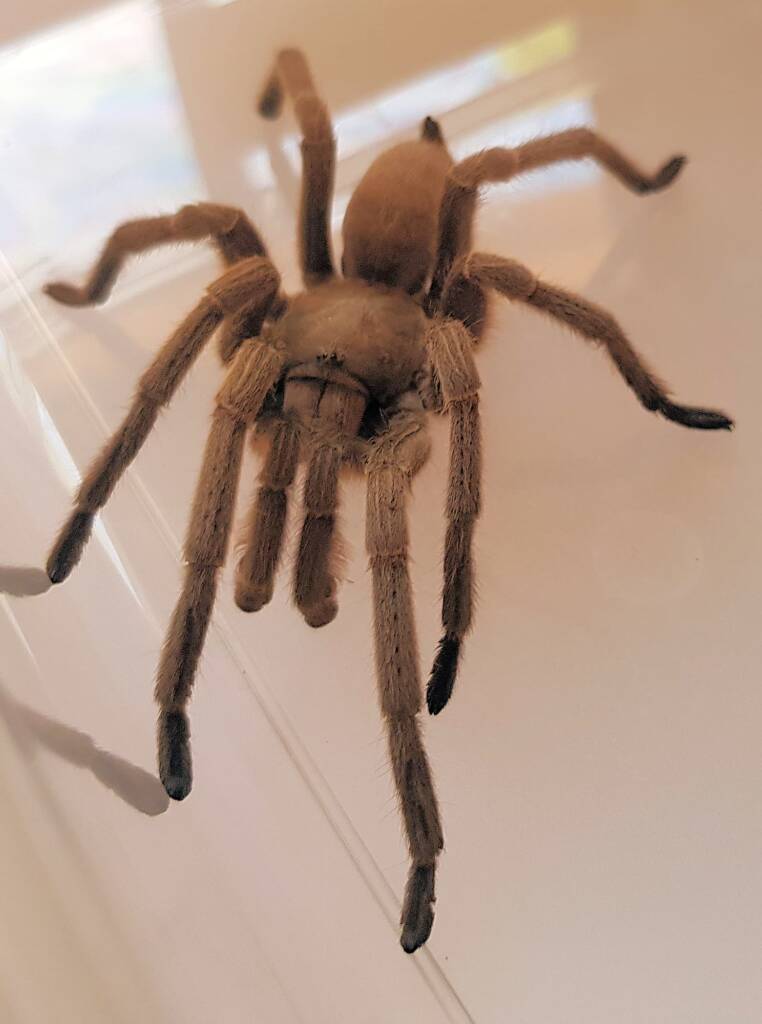
What is a barking spider?
What is a barking spider? Most often, it is a humorous Australian expression for passing gas. The phrase turns an ordinary body sound into a joke by comparing it with a dog’s bark.
A barking spider is not usually a specific spider species. It is mainly a slang term, much like saying “breaking wind” or “letting one go.” The expression is common in casual speech, family jokes, and Australian comedy.
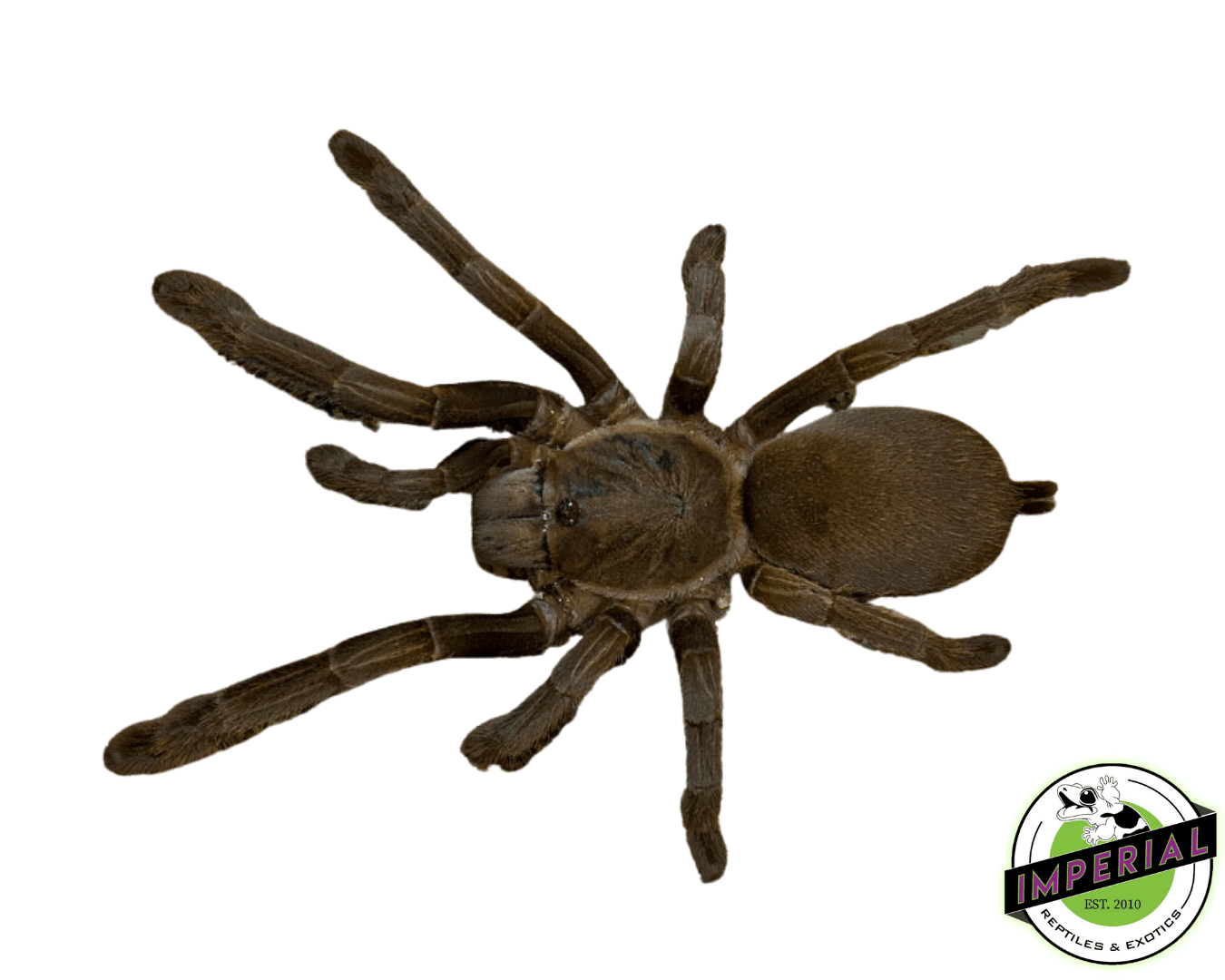
The phrase can also have a literal meaning. Some people use barking spider to describe large spiders that make sounds, especially tarantula-like spiders or whistling spiders. This use is less common than the slang meaning and may vary by region.
In simple terms:
• A barking spider usually means flatulence in Australian slang.
• It can sometimes mean a noisy or stridulating spider.
• It is not the accepted scientific name of one single species.

Why is flatulence called a barking spider?
The exact origin of barking spider is not fully certain. Like many slang expressions, it likely developed through wordplay, sound comparison, and a desire to use polite humor when discussing an embarrassing subject.
A fart can make a sudden noise, much like a dog barking. The word spider may add an extra layer of humor because it gives the invisible sound a funny imaginary source. Instead of admitting what happened, someone can jokingly blame a “barking spider.”
This kind of expression is called a euphemism. A euphemism replaces a direct or less comfortable word with a softer, funnier, or more indirect one. English has many examples, including:
• Passing gas
• Breaking wind
• Letting one rip
• Cutting the cheese
• Blowing off
Barking spider stands out because it is strongly linked with Australian English. It is often used to create a light moment rather than to describe a medical problem.

What is the literal spider meaning?
When people ask what is a barking spider in a wildlife context, they may be referring to a spider that produces a sound. Some large spiders can make a hiss, rasp, or faint stridulating noise by rubbing specialized body parts together.
This behavior is not the same as a dog’s bark. The sound may warn predators, threaten an attacker, or result from movement. It is usually quiet compared with a dog and may be difficult to hear outdoors.
The term can overlap with names such as:
• Whistling spider
• Barking spider
• Bird eating spider
• Australian tarantula
These common names can be confusing. Common names are not controlled in the same way as scientific names, so one name may describe different spiders in different places.
For accurate identification, experts use features such as body shape, eye arrangement, leg structure, habitat, and DNA. A photograph, location, and size estimate are often more useful than the nickname barking spider.

How do noisy spiders make sounds?
Some spiders use a process called stridulation. This happens when two body parts rub together, producing a vibration or sound. It is similar to running a fingernail over a rough surface.
In spiders, tiny bristles, ridges, or hardened surfaces may create the noise. The sound can serve as a warning. A spider may use it when a person, predator, or other animal gets too close.
Not every large spider can make an audible sound. Many spiders are nearly silent, and people may mistake rustling leaves or insect movement for a spider noise. Careful observation is important.
A noisy spider may show other defensive behaviors as well:
• Raising its front legs
• Exposing its fangs
• Rubbing its legs or mouthparts
• Moving quickly toward cover
• Remaining still until the threat passes
The sound is usually a warning, not an invitation to attack. Like a rattlesnake’s rattle, it can signal that the animal feels threatened.
Where is the term barking spider used?
The slang meaning of barking spider is most closely associated with Australia. You may hear it in informal conversation, jokes, comedy, or stories about travel and outdoor life.
It is not equally common in every English-speaking country. A person in the United States may understand the joke from context, but may not use the phrase naturally. In the United Kingdom, Canada, and New Zealand, related expressions may be more familiar.
Context makes the meaning clear:
• “The dog barked near the fence” refers to a real dog.
• “A barking spider escaped under the table” may refer to a funny fart joke.
• “This barking spider made a warning sound” probably refers to a real spider.
Australian slang often uses vivid images. A “drop bear,” for example, is a well-known fictional creature used in jokes about Australian wildlife. Barking spider fits the same playful style, although it can refer to a real type of body sound rather than a made-up animal.
Is a barking spider dangerous?
If someone uses barking spider as slang for flatulence, there is no danger from the phrase itself. Passing gas is a normal part of digestion. Most people pass gas several times a day because the gut produces gas as food is digested and swallowed air moves through the digestive system.
If the term refers to a real spider, the answer depends on the species. Large Australian spiders can look frightening, but appearance alone does not show how dangerous a spider is. Many avoid people and bite only when trapped, handled, or pressed against skin.
Never handle an unfamiliar spider with bare hands. Instead:
-
Keep children and pets away.
-
Do not poke, trap, or corner the spider.
-
Take a photo from a safe distance.
-
Contact a local wildlife expert or pest professional if identification is needed.
-
Seek medical care if a bite causes severe pain, breathing trouble, vomiting, muscle spasms, or rapidly spreading symptoms.
A spider bite should not be diagnosed from a nickname. If a bite occurs, the location and symptoms matter more than whether someone called the animal a barking spider.
How can you identify a real barking spider?
There is no single checklist for identifying a barking spider because the name does not point to one official species. Still, you can collect useful details without touching the animal.
Record the following:
• Your location and habitat
• The spider’s approximate body length
• Its color and markings
• Whether it has a heavy or slender body
• The shape and length of its legs
• Whether it made a sound
• The date, time, and weather
A clear photo can help an expert. Place a common object nearby for scale, but do not put the object next to the spider if doing so may disturb it.
Do not rely on online photos alone. Many huntsman spiders, wolf spiders, trapdoor spiders, and tarantula-like species can look similar. Professional identification is especially important when a bite has occurred.
One practical lesson is worth remembering: a nickname is a clue, not proof. The same mistake happens with common names such as “daddy longlegs,” which can refer to different animals in different regions.
Why do people use funny euphemisms?
People often use euphemisms when a direct word feels rude, embarrassing, or too personal. Flatulence is a normal body function, but many people still feel uncomfortable discussing it in public.
A funny phrase creates distance. Saying “a barking spider got loose” can make people laugh and reduce embarrassment. Humor works like a social cushion: it softens a topic that might otherwise feel awkward.
Still, humor has limits. A joke may be harmless among friends but unsuitable at work, in a medical setting, or around someone who feels uncomfortable. Good communication means reading the room.
When discussing digestive symptoms with a doctor, use direct language. Words such as gas, bloating, abdominal pain, and diarrhea help a medical professional understand the problem accurately.
Is frequent gas ever a health concern?
Gas is usually normal, but sudden or severe changes deserve attention. A person may produce more gas after eating beans, carbonated drinks, onions, certain sweeteners, or large amounts of fiber.
Other possible causes include lactose intolerance, constipation, irritable bowel syndrome, celiac disease, and some gut infections. These conditions cannot be confirmed from gas alone, so persistent symptoms should be assessed by a health professional.
Contact a doctor if gas comes with:
• Ongoing or severe abdominal pain
• Blood in the stool
• Unexplained weight loss
• Repeated vomiting
• Fever
• Persistent diarrhea or constipation
• A major change in bowel habits
There is no need to feel embarrassed. Doctors discuss digestive symptoms every day. Clear details help them separate ordinary gas from a condition that needs treatment.
Common mistakes about barking spiders
The biggest mistake is assuming that barking spider always means a real animal. In most casual Australian conversations, it is a humorous reference to flatulence.
Another mistake is assuming that every noisy spider is dangerous. Sound can be a defensive warning, but it does not automatically indicate medically significant venom.
Other common errors include:
• Treating barking spider as a formal scientific name
• Picking up a spider to check its identity
• Assuming all large spiders are tarantulas
• Using a slang phrase in a formal medical conversation
• Trusting a single online image for species identification
The safest approach is simple: use context for slang, and use expert identification for wildlife.
How to use barking spider in a sentence
Understanding the phrase is easier when you see both meanings in context.
Examples of the slang meaning:
• “Someone blamed a barking spider for the sound at dinner.”
• “The camping trip became funny when a barking spider appeared near the tent.”
Examples of the literal meaning:
• “The keeper explained that the barking spider could make a warning sound.”
• “The researcher recorded a faint rasp from the spider.”
These examples show why context matters. A conversation about digestion, jokes, or embarrassing sounds probably uses the slang meaning. A conversation about venom, habitats, or animal behavior probably uses the literal meaning.
Frequently Asked Questions About What Is a Barking Spider
What is a barking spider in Australian slang?
A barking spider is a humorous Australian term for flatulence. It compares the sound of passing gas with a dog’s bark.
Is a barking spider a real species?
Usually, no. Barking spider is not one accepted scientific species name, although some people use it as a common name for spiders that make defensive sounds.
Why do some spiders make noises?
Some spiders produce sound through stridulation, which means rubbing specialized body parts together. The sound may warn predators or other threats to stay away.
Are barking spiders dangerous?
The slang barking spider is harmless because it refers to gas. A real spider described by that name may bite if handled, so avoid touching unknown spiders and seek expert identification when needed.
Is barking spider a polite word for fart?
Yes. It is a playful euphemism, especially in Australian English. It is best used in casual settings where humor is appropriate.
How can I identify a spider called a barking spider?
Take a clear photo from a safe distance and note the location, size, color, and behavior. A local museum, wildlife expert, or pest professional can provide a more reliable identification than a nickname.
Conclusion
What is a barking spider? In most cases, it is Australian slang for flatulence. In a wildlife setting, it may describe a large spider that makes a warning sound, but it is not usually the formal name of one species.
The key lesson is to check the context before taking the phrase literally. Treat unfamiliar spiders with care, use direct language when discussing health, and rely on expert identification rather than colorful common names. If you found this explanation useful, explore more guides on Australian slang and spider safety, and share your own experience in the comments.

Pet Care Writer & Researcher
Daniel writes practical guides on daily care, feeding, and safety, turning complex topics into simple, actionable advice.


