Does Toy Poodle Bark A Lot: Causes And Quieting Tips
Does toy poodle bark a lot? Learn why Toy Poodles bark, what triggers them, and practical training tips to encourage quieter behavior.
Yes, Toy Poodles often bark a lot, but training and daily care can greatly reduce unnecessary barking.
If you are asking, “does toy poodle bark a lot,” the honest answer is that this tiny dog has a very big voice. Toy Poodles are bright, alert, social, and quick to notice every sound around them. With the right routine, exercise, training, and calm guidance, many can become quiet and well-mannered companions.

Does Toy Poodle Bark a Lot?
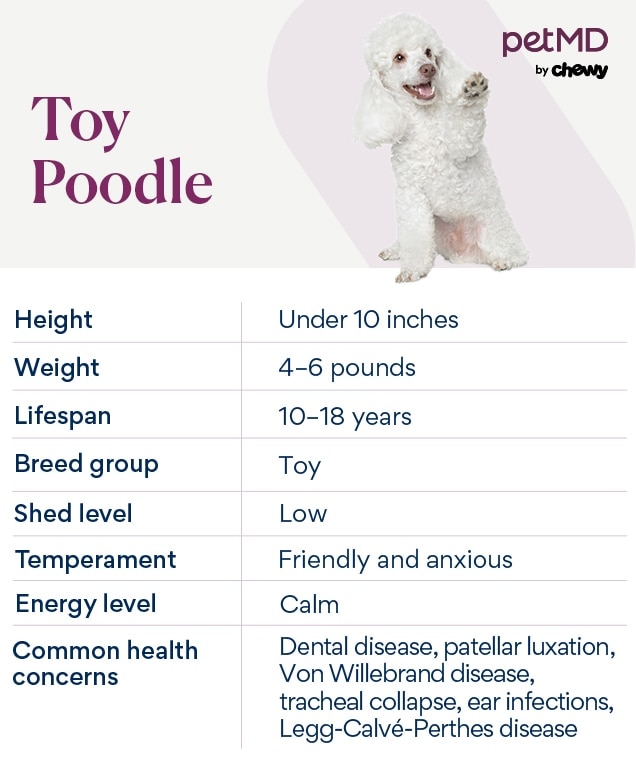
Yes, Toy Poodles can bark more than many other small dog breeds. However, barking levels vary from one dog to another. Genetics, early socialization, health, home life, and training all play a role.
Toy Poodles were bred from Poodles, a highly intelligent and alert breed. They often watch their surroundings closely. A passing person, doorbell, car, bird, or strange sound may seem important enough to report.
Their small size does not mean they have a small personality. A Toy Poodle may act like a tiny security guard in the home. This alert nature can be useful, but it can also become noisy if the dog learns that barking gets attention.
The better question is not only, “does toy poodle bark a lot?” It is also, “why is this Toy Poodle barking?” The cause often tells you how to solve the problem.

Why Do Toy Poodles Bark?
Toy Poodles bark for many reasons. Barking is a normal form of dog communication, so the goal is not to stop every sound. The goal is to understand the message and reduce barking that is excessive, fearful, or disruptive.
Common reasons include:
Alert barking
Toy Poodles often bark when they hear or see something unusual. They may bark at visitors, delivery drivers, neighbors, wildlife, or sounds outside the window.
This behavior is linked to their alert nature. Your dog may believe it is protecting the home. If you shout, the dog may think you are barking too, which can make the noise worse.
Attention-seeking
A Toy Poodle may bark because barking has worked before. If barking leads to petting, eye contact, food, play, or being picked up, the dog may repeat it.
Even saying “stop” can reward the behavior if your dog enjoys attention. To a social dog, negative attention may still feel better than being ignored.
Boredom
Toy Poodles are clever dogs. They need more than short bathroom trips. Without mental activity, they may bark, pace, chew, or search for something to do.
Puzzle toys, scent games, short training sessions, and safe play can help meet this need.
Fear or anxiety
Some Toy Poodles bark when they feel unsafe. They may react to loud sounds, unfamiliar people, other dogs, or being left alone.
Fear barking often comes with other signs, such as:
• Hiding or crouching
• Trembling
• Pacing
• Lip licking
• Trying to escape
• A stiff body or tucked tail
Punishment can increase fear. A calm plan that changes the dog’s emotional response works better.
Excitement
Toy Poodles may bark when they see a leash, toy, visitor, or favorite person. Excitement barking is common before walks or meals.
This type of barking usually improves when the dog learns that calm behavior earns access to what it wants.
Separation distress
Some Toy Poodles bark when left alone. The barking may begin soon after you leave and continue for much of the absence.
Other signs can include scratching doors, destructive chewing, accidents, drooling, or frantic greetings. This may be separation anxiety rather than simple disobedience. A veterinarian or qualified behavior professional can help.
Pain or illness
A sudden increase in barking should never be ignored. Pain, hearing changes, vision loss, cognitive changes, or other health problems can affect behavior.
If your normally quiet Toy Poodle starts barking much more, schedule a veterinary checkup. Behavior changes can be an early sign that something is wrong.

Toy Poodle Barking Compared With Other Small Dogs
Many small breeds bark often, but each breed has a different reason for vocal behavior. Toy Poodles are usually alert and responsive because they are intelligent working dogs in a small body.
Some Toy Poodles bark less when they receive steady training and enough activity. Others may be naturally vocal. A dog’s individual personality matters more than breed labels alone.
Compared with some small companion breeds, Toy Poodles may be:
• Quick to notice changes in their environment
• Fast to learn both good and bad habits
• Sensitive to harsh voices or stressful homes
• Energetic despite their small size
• Very attached to their owners
This combination explains why the answer to “does toy poodle bark a lot?” is often yes, especially in homes with poor structure or frequent noise.
A quiet Toy Poodle is not always the result of luck. It may reflect early socialization, clear rules, enough sleep, regular exercise, and reward-based training.

How Much Exercise Does a Toy Poodle Need?
A Toy Poodle may be small, but it still needs daily physical and mental activity. Exercise helps release energy that could otherwise appear as barking.
Most healthy adult Toy Poodles benefit from short walks, indoor games, and training each day. Puppies, seniors, and dogs with health problems need a plan that fits their age and condition.
Useful activities include:
• Two or three short walks
• Gentle fetch with a soft toy
• Scent games around the home
• Food puzzles
• Basic obedience practice
• Safe play with a familiar dog
• Learning tricks such as touch, spin, or find it
Mental work can tire a Toy Poodle more than a long walk. Five minutes of focused training may be surprisingly effective.
Avoid overdoing exercise in hot weather. Toy breeds can also become tired or stressed more quickly than owners expect. Watch for heavy panting, weakness, stumbling, or a refusal to continue, and stop when needed.
How to Stop Excessive Toy Poodle Barking
Training works best when it is calm, consistent, and reward-based. The American Veterinary Society of Animal Behavior and many veterinary behavior experts recommend reward-based methods instead of fear or pain.
Use the following process.
1. Find the trigger
Write down when the barking starts. Note the time, location, sound, person, and what happens afterward.
For example, you may discover that your Toy Poodle barks only at people passing the front window. That information gives you a clear starting point.
2. Reduce access to the trigger
Close the curtains, use a window film, move furniture away from the window, or play soft background sound.
This is not giving up on training. It prevents your dog from practicing the unwanted behavior all day.
3. Teach a calm replacement
Teach a simple behavior such as “look,” “come,” “place,” or “quiet.” Practice when your dog is calm, not during the loudest barking episode.
Reward your Toy Poodle for looking at you, moving away from the window, or settling on a mat.
4. Reward quiet moments
Wait for a brief pause in barking. Then calmly give praise, a treat, or access to a favorite toy.
At first, reward one or two seconds of silence. As your dog improves, slowly expect longer quiet periods.
5. Use controlled practice
Ask a helper to make a gentle sound outside or approach the door from a distance. Reward calm behavior before the barking becomes intense.
Increase the challenge slowly. If your dog explodes into barking, the step was too difficult.
6. Stay consistent
Everyone in the home should follow the same rules. If one person rewards barking and another person ignores it, progress may be slow.
Consistency makes the lesson clear: calm behavior works, while frantic barking does not.

Mistakes That Can Make Toy Poodle Barking Worse
Many caring owners accidentally increase barking. This is easy to do because barking can be stressful, especially in an apartment or shared home.
Avoid these common mistakes:
• Shouting over the barking
• Using shock, spray, or harsh punishment
• Picking up the dog every time it becomes nervous
• Opening the door while the dog is barking
• Giving treats only after a long barking fit
• Leaving the dog alone for too many hours
• Letting the dog watch a busy window all day
• Expecting instant results
• Ignoring sudden behavior changes
A bark collar may suppress sound without fixing fear, boredom, or anxiety. Some devices can also increase stress. Speak with a veterinarian or qualified reward-based trainer before using any correction tool.
One practical lesson from behavior work is that timing matters. Rewarding calm behavior early is much easier than trying to calm a dog after it has been barking for ten minutes.
:strip_icc()/GettyImages-991139016-493253fd4ce344b4bd160b7c3a6703a5.jpg)
Socialization and Early Training
Early socialization can reduce fear-based barking. This means gently introducing a puppy to safe people, sounds, surfaces, handling, places, and well-mannered dogs.
Socialization does not mean forcing a puppy to greet everyone. A frightened puppy may learn that new experiences are dangerous. Keep each exposure short, positive, and easy enough for the puppy to stay relaxed.
Reward your puppy for noticing a new sound without reacting. For example, when your puppy hears a vacuum cleaner from another room, offer a treat while keeping the sound low and distant.
Basic cues can also help. Useful skills include:
• Sit
• Stay
• Come
• Leave it
• Touch
• Go to your mat
• Quiet
Training should feel like a game. Toy Poodles often enjoy learning, and regular practice can strengthen the bond between dog and owner.

When to Contact a Veterinarian or Behavior Expert
Some barking problems need more than home training. Contact your veterinarian if barking is sudden, intense, or linked with signs of pain or illness.
Professional help is also wise when your Toy Poodle:
• Panics when left alone
• Tries to bite people or dogs
• Cannot settle after seeing a trigger
• Damages doors or windows
• Shows repeated fear
• Barks for hours
• Has sleep, appetite, or bathroom changes
• Becomes aggressive during handling
A veterinarian can check for medical causes. A certified veterinary behaviorist or qualified reward-based trainer can then create a behavior plan.
Be careful with online advice that promises a silent dog in one day. Barking is behavior, and behavior changes take time. The best plan addresses the cause rather than only hiding the sound.

Frequently Asked Questions About Does Toy Poodle Bark a Lot
Are Toy Poodles naturally noisy dogs?
Toy Poodles are often vocal because they are alert, smart, and sensitive to changes around them. Still, good socialization, exercise, and training can greatly reduce unnecessary barking.
Do Toy Poodles bark more than miniature Poodles?
There is no rule that every Toy Poodle barks more than every Miniature Poodle. Toy Poodles may seem noisier in some homes because their small size, close attachment, and alert nature make their barking more noticeable.
How can I teach my Toy Poodle to be quiet?
Teach a calm cue such as “quiet” and reward short pauses in barking. Also remove triggers, provide daily enrichment, and avoid shouting, since loud responses may encourage more barking.
Do Toy Poodles bark when left alone?
Some Toy Poodles bark when alone because of boredom, frustration, or separation distress. If barking comes with panic, destruction, or escape attempts, ask a veterinarian or behavior professional for help.
Will getting a Toy Poodle puppy prevent barking problems?
A puppy can still develop barking habits, but early socialization and training can lower the risk. Choose calm rewards, give the puppy enough rest, and prevent repeated barking at windows, doors, and outdoor sounds.
Are Toy Poodles good for apartments?
Toy Poodles can live well in apartments when their exercise, training, and mental needs are met. Their barking may disturb neighbors if the dog is bored, anxious, or allowed to rehearse alert barking all day.
Conclusion
So, does toy poodle bark a lot? Often, yes, but frequent barking is not unavoidable. Toy Poodles usually bark because they are alert, bored, excited, fearful, seeking attention, or struggling when alone.
Start by finding the trigger. Then reduce exposure, reward calm behavior, provide daily mental activity, and use gentle training. Never ignore a sudden change in barking, since health problems can affect behavior.
With patience and a steady routine, your Toy Poodle can learn that it does not need to announce every sound. Apply these steps one at a time, speak with your veterinarian when needed, and explore more reward-based dog training resources for lasting progress.

Pet Care Writer & Researcher
Daniel writes practical guides on daily care, feeding, and safety, turning complex topics into simple, actionable advice.