Can Animal Control Take My Dog For Barking: What To Know
Can animal control take my dog for barking? Learn your rights, local noise laws, possible penalties, and steps to resolve complaints quickly.
Yes, animal control may take your dog for barking, but usually only after repeated complaints and legal notice.
If you are asking, “can animal control take my dog for barking,” the answer depends on your city, county, and the facts of the case. Most agencies try warnings, mediation, and fines before removing a dog. Still, serious or ongoing noise complaints can lead to a court order, seizure, or other legal action. This guide explains what may happen, what your rights are, and how to protect your dog.
Can animal control take my dog for barking?
Yes, animal control can sometimes take a dog for barking. However, barking alone does not usually mean an officer can immediately remove your pet. The agency must follow local nuisance laws and its own enforcement process.
Most local laws treat excessive barking as a public nuisance. The key issue is not one short barking episode. Officials usually look at the length, timing, frequency, and effect of the noise.
Animal control may take action when:
• Your dog barks for long periods without a break.
• The barking happens late at night or very early in the morning.
• Several neighbors file written complaints.
• You ignore warnings or notices.
• The barking violates a court order or local noise code.
• The dog appears neglected, unsafe, or dangerous for another reason.
In many cases, the first step is a warning. An officer may contact you, explain the complaint, and ask you to reduce the noise. If the barking continues, you may receive a formal notice, citation, or hearing date.
The answer to “can animal control take my dog for barking” is therefore not a simple yes or no. Removal is possible, but it is usually the last step in a longer process.

What happens after someone reports a barking dog?
A complaint does not automatically prove that your dog broke the law. Animal control or code enforcement staff often need evidence that the barking is excessive under local rules.
The process may include these steps:
-
A neighbor reports the barking to animal control, police, or code enforcement.
-
The agency records the complaint and checks whether it meets local requirements.
-
An officer may call, visit, or send a written warning.
-
The complainant may need to keep a noise log, submit recordings, or sign a statement.
-
You may receive a nuisance notice or citation.
-
The agency may hold a hearing or offer a compliance period.
-
Continued violations may lead to fines, court action, or impoundment.
Rules vary widely. One city may require two signed complaints from different homes. Another may measure the sound with a meter. Some areas focus on the time of day, while others focus on repeated or unreasonable noise.
A neighbor’s personal dislike of your dog is not always enough. The complaint normally must show that the barking affects the reasonable use of nearby property or violates a specific ordinance.
When people ask, “can animal control take my dog for barking,” they often picture an officer arriving without warning. That can happen in an emergency, but it is not the usual path for a standard nuisance complaint.

When is barking considered excessive?
Normal dog sounds are usually not illegal. Dogs bark to alert, play, greet people, guard territory, or respond to stress. The law generally targets unreasonable barking, not every bark.
Excessive barking may involve:
• Barking for hours at a time.
• Barking every day for weeks.
• Repeated barking that prevents sleep.
• Barking triggered by every passerby.
• Barking when the owner is away.
• Constant barking in a shared apartment or townhouse setting.
• Loud barking during protected quiet hours.
Many local codes use terms such as “unreasonable,” “persistent,” or “disturbing.” These terms can feel vague, but they allow officials to consider the full situation.
For example, ten minutes of barking after a delivery may not support a case. Barking for four hours each night may be very different. The same conduct can also be treated differently in a rural area, a dense city, and an apartment complex.
The cause matters too. A dog with separation anxiety may bark because it panics when alone. A dog tied outside may bark from boredom, fear, heat, or lack of shelter. Solving the cause can help more than simply shouting at the dog.
If you are wondering, “can animal control take my dog for barking,” ask for the exact local definition of a nuisance. Do not rely only on a neighbor’s description or a general internet answer.

Can animal control remove a dog without warning?
Sometimes, but ordinary barking complaints usually involve notice before removal. Immediate seizure is more likely when there is a serious safety or welfare concern.
An agency may remove a dog without a long warning process if officials believe the dog:
• Poses an immediate danger.
• Is being abused or severely neglected.
• Has seriously injured a person or another animal.
• Is abandoned.
• Is kept in unsafe conditions.
• Is subject to a court order.
• Must be held under a specific quarantine rule.
A barking case may become more serious if the dog is also loose, aggressive, without shelter, or repeatedly involved in attacks. In that situation, barking may be only one part of the enforcement case.
In many jurisdictions, officers need legal authority to enter private property. They may need your consent, a warrant, an emergency exception, or an administrative order. Do not physically block an officer or create a confrontation. Instead, remain calm and ask for the reason, agency name, case number, and written paperwork.
If animal control takes your dog, ask where the dog is being held, how to request a hearing, what fees apply, and the deadline for reclaiming the dog. Deadlines can be short.
So, can animal control take my dog for barking without first warning me? It is possible in limited situations, but a routine nuisance case normally follows a notice and enforcement process.

What rights do dog owners have?
Your rights depend on state law, local ordinances, and the type of action involved. Still, dog owners often have basic procedural protections.
These may include:
• The right to receive notice of a violation.
• The right to know the complaint or ordinance involved.
• The right to challenge a citation.
• The right to attend an administrative hearing.
• The right to present evidence and witnesses.
• The right to seek the return of an impounded dog.
• The right to appeal a decision in some cases.
Ask the agency for its barking-dog ordinance and enforcement policy. Read the parts about notice, hearings, penalties, impoundment, and appeal deadlines.
Keep copies of every letter, email, citation, and message. Write down the date and time of each phone call. If an officer visits, record the officer’s name and badge or employee number when possible.
You can also request evidence under your state’s public-records rules. Some agencies may have complaint forms, sound recordings, officer notes, photographs, or inspection reports. Access rules differ, and some records may be withheld to protect a complainant’s privacy.
If your dog is seized or you face a large fine, speak with a local lawyer who handles municipal, animal, or housing law. A short legal consultation may prevent a costly mistake.
The question “can animal control take my dog for barking” should always be followed by another question: “What process must my local agency follow?”
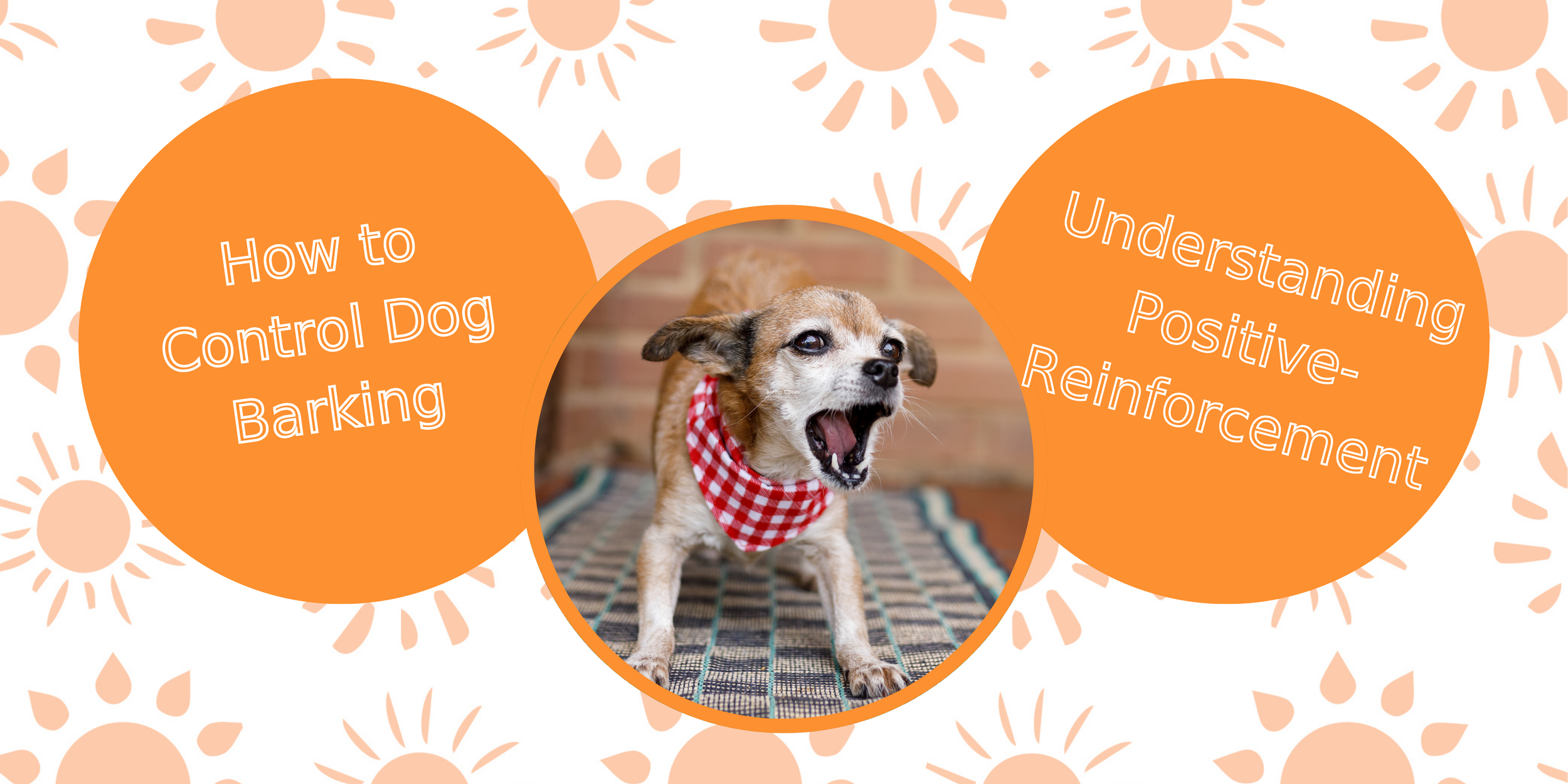
How can you stop a barking complaint?
The fastest solution is to reduce the barking and show that you are taking reasonable steps. Do not wait for a formal citation before acting.
Start with this plan:
-
Find the trigger. Watch for people, cars, wildlife, other dogs, boredom, fear, pain, or being left alone.
-
Visit a veterinarian. Pain, hearing loss, aging, and illness can change a dog’s behavior.
-
Keep a barking diary. Note the time, length, trigger, and what stopped the barking.
-
Limit outdoor exposure. Bring your dog inside during busy times or when neighbors are sleeping.
-
Block visual triggers. Use curtains, privacy film, fencing, or a different resting area.
-
Add exercise and mental work. Walks, scent games, food puzzles, and training can reduce idle barking.
-
Teach a quiet cue. Reward a pause instead of yelling over the dog.
-
Use a qualified trainer. Choose reward-based training and avoid harsh punishment.
-
Tell the agency what you are doing. A calm progress update can help show good faith.
-
Communicate with neighbors. Ask for specific times and triggers, if it is safe to do so.
Never use a shock collar, tight restraint, or bark device without professional advice. Some tools can increase fear and aggression. Leaving a dog tied outside for long periods can also worsen the problem and create welfare concerns.
A useful approach is to treat barking like a smoke alarm. The sound is the symptom. The real issue may be fear, loneliness, poor sleep, pain, or a strong territorial response.

What evidence can help your case?
Evidence can help both the owner and the complainant. A clear record is more useful than a heated argument.
Helpful evidence may include:
• A dated barking log.
• Short recordings from inside and outside your home.
• Veterinary records.
• Training invoices or class records.
• Notes from a behavior professional.
• Copies of emails to animal control.
• Photos of fencing, shelter, and supervision.
• Statements from neighbors who do not experience a problem.
Recordings should show the date and time when possible. Do not trespass on a neighbor’s property or secretly enter private areas to gather evidence. Privacy and recording laws vary by state.
Do not edit a recording in a way that changes its meaning. Keep the original file and make a copy for your records. If the case reaches a hearing, organized evidence can make your explanation more credible.
You should also ask what evidence the agency relies on. Some cases are based on complaint logs. Others involve officer observations, sound measurements, or sworn statements.
In my experience reviewing nuisance disputes, one common mistake is waiting until the hearing to collect proof. By then, owners may remember the general pattern but not the exact dates. A simple diary started today is much stronger than a vague statement that “the dog barely barks.”
Can a landlord or homeowners association act too?
Yes. A landlord, condominium board, or homeowners association may have separate rules about pets and noise. These rules can apply even when animal control takes no action.
Your lease or community documents may prohibit:
• Repeated noise.
• Disturbances during quiet hours.
• Unattended pets that disturb others.
• Certain breeds or numbers of animals.
• Pets that create a health or safety issue.
A landlord may send a lease violation notice. An association may issue fines or require a hearing. In serious cases, a housing provider may begin eviction or seek an injunction, depending on local law.
Animal control and housing enforcement are separate systems. Winning one does not always end the other. For example, animal control may close a barking complaint, but a landlord could still claim that the noise violates the lease.
Respond in writing and keep your tone polite. Ask for the specific rule, dates, and evidence. Offer a reasonable plan to correct the problem.
If you rent, act early. A trainer’s letter, veterinary evaluation, or documented improvement plan may help show that you are addressing the issue rather than ignoring it.
What should you do if animal control contacts you?
Take the contact seriously, even if you believe the complaint is unfair. Ignoring a warning can turn a manageable problem into a formal case.
Use this approach:
• Listen without arguing.
• Ask which ordinance applies.
• Request the complaint number and written notice.
• Ask what action will close the case.
• Learn the deadline for a response or hearing.
• Start reducing the barking at once.
• Keep all communication professional.
• Contact a lawyer if seizure, criminal charges, eviction, or a major fine is threatened.
You do not have to admit that your dog violated the law. You can say that you want to understand the concern and work toward a solution.
If an officer wants to enter your home, calmly ask whether entry is required and under what authority. Do not lie, threaten anyone, hide the dog, or move the dog to another location to avoid lawful enforcement.
If your dog is impounded, ask about the release process immediately. You may need proof of ownership, vaccination records, a license, payment, or a hearing request. Missing the deadline can make reclaiming the dog much harder.
Can animal control take my dog for barking after I refuse to cooperate? Refusing lawful instructions can increase the risk of penalties, but you still have the right to ask questions and seek legal advice.
What mistakes should dog owners avoid?
A few common reactions can make a barking dispute worse.
Avoid these mistakes:
• Yelling at the dog for long periods. Your dog may think you are joining the barking.
• Blaming the neighbor publicly. This can turn a noise issue into a personal conflict.
• Ignoring certified letters or hearing notices.
• Using unsafe punishment devices.
• Giving false information to an officer.
• Letting the dog bark outside while you are away.
• Assuming that one quiet day ends the case.
• Failing to renew the dog’s license or vaccinations.
• Missing an impoundment or appeal deadline.
One case pattern appears again and again: the owner focuses on whether the neighbor is being unreasonable, while the agency focuses on whether the noise continues. Even when the complaint feels unfair, behavior change and good records are usually the strongest practical defense.
You can also ask a neutral person to observe the situation. A trainer, veterinarian, or trusted neighbor may notice triggers that you miss. An outside view can turn a frustrating mystery into a clear training plan.
Frequently Asked Questions About Can Animal Control Take My Dog for Barking
Can animal control take my dog for barking at night?
Yes, it may do so if the barking violates local quiet-hour or nuisance rules. Most agencies first use warnings, notices, or fines, but continued violations can lead to a hearing, court order, or impoundment.
How many complaints are needed before animal control acts?
There is no national number. Some local laws require one verified complaint, while others require multiple written complaints or evidence showing a repeated disturbance.
Can my neighbor make a false barking complaint?
A neighbor can report a concern, but a complaint alone does not always prove a violation. Keep a barking log, save relevant recordings, and request the evidence used by the agency.
Will animal control take my dog if it barks once in a while?
Usually not. Occasional barking is normal, and enforcement generally targets persistent, unreasonable, or severe noise.
What should I do if animal control threatens to seize my dog?
Ask for the legal reason, written notice, case number, and hearing or appeal deadline. Contact a local animal-law or municipal-law attorney quickly if seizure is threatened.
Can I get my dog back after animal control takes it?
Often, yes, but the process varies. You may need to prove ownership, pay fees, show vaccination or licensing records, and request a hearing before a strict deadline.
Conclusion
So, can animal control take my dog for barking? It can happen, but removal is usually not the first response to a normal noise complaint. Local law, the seriousness of the barking, prior warnings, evidence, and your response all matter.
Act early by finding the cause, visiting a veterinarian, using reward-based training, limiting outdoor barking, and keeping careful records. Read every notice, meet every deadline, and seek local legal help if your dog faces seizure or you face a serious penalty.
The best protection is prompt, calm action. Check your city or county barking ordinance today, make a practical behavior plan, and share your experience or questions in the comments.

Pet Care Writer & Researcher
Daniel writes practical guides on daily care, feeding, and safety, turning complex topics into simple, actionable advice.