Best Bark Collars For Pitbulls: Top Picks For Safe Control
Find the best bark collars for pitbulls with safe, effective options for training and quiet walks. Compare features and choose the right fit.
The best bark collars for pitbulls use smart detection, gentle correction, strong fit, and clear training support.
A strong, lively pitbull can bark at dogs, cars, squirrels, or every sound near the fence. That noise can tire your family and upset neighbors, even when your dog means no harm. The best bark collars for pitbulls can help break that habit when paired with calm training. I look for secure straps, useful sensitivity settings, weather protection, and a warning mode before any stronger correction. A collar should guide your dog, not scare or hurt them. This guide compares popular options and explains which model may fit your dog, home, and training plan best.
FAFAFROG Smart Bark Collar

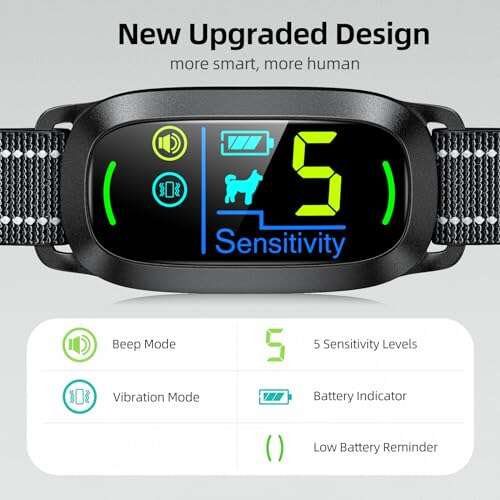
The FAFAFROG rechargeable bark collar is a simple choice for owners who want a compact device with several training steps. It offers five sensitivity levels and uses beep and vibration signals to interrupt barking. That matters with pitbulls because a loud bark can trigger a collar too often if sensitivity is set too high. I would begin at the lowest useful setting and watch your dog’s response.
The collar is made for small, medium, and large dogs, but fit matters more than the breed label. Place the sensor area against the front of the neck, while keeping enough room for two fingers. The rechargeable design saves money on disposable batteries and makes regular use easier. It is best used for short training periods, not as an all-day answer to boredom, fear, or separation stress.
Pros:
- Five adjustable sensitivity levels help reduce false triggers
- Beep and vibration modes support lower-stress training
- Rechargeable design avoids frequent battery replacement
- Adjustable strap can fit many pitbull sizes
- Compact design is less bulky than many remote systems
- Useful for owners who want automatic bark control
Cons:
- It does not include a remote for commands from a distance
- Fit and sensor contact need regular checking
- Very vocal dogs may need extra training beyond the collar
2-in-1 Bark and Shock Collar

This 2-in-1 collar combines automatic bark control with a remote that reaches up to 4,500 feet under suitable conditions. That range can help during yard work, obedience practice, or recall drills. The remote lets you respond to a command from a distance instead of waiting for the dog to bark. Still, I would use the beep and vibration settings first and avoid shock unless a qualified trainer gives clear guidance.
Pitbulls are often strong, active dogs, so a flimsy collar can shift during play. This type of system may suit an owner who wants one device for both barking and basic training. The long range sounds impressive, but walls, trees, hills, and other signals can reduce real-world distance. Use the collar as a communication tool, reward quiet behavior, and remove it after training.
Pros:
- Combines bark control and remote training in one system
- Advertised long range supports work in larger yards
- Beep and vibration offer lower-level training choices
- Can support recall, place, and leave-it practice
- One collar may replace separate training equipment
- Useful for active owners who train outdoors
Cons:
- Shock features require careful, informed handling
- Remote systems take more time to learn than automatic collars
- Actual range may vary with terrain and interference
Oliry Five-Mode Bark Collar

The Oliry bark collar offers five training modes for owners who want more control over how the device responds. Multiple modes can be useful when one dog ignores a beep while another finds it distracting. I prefer starting with sound, then trying vibration only if the dog understands the lesson. A pitbull should never need a harsh setting simply because the dog has a strong body.
This model is listed for small, medium, and large dogs, so owners should measure the neck before ordering. A good collar stays snug without pressing into the skin or limiting normal movement. The broad size range may make it appealing for a growing young dog, though you should inspect the strap as the dog matures. Quiet rewards, play, and clear cues will make the collar more effective.
Pros:
- Five modes give owners a gradual training path
- Adjustable design may fit a range of dog sizes
- Sound-first training can reduce reliance on stronger corrections
- Simple automatic operation needs no handheld remote
- Useful for owners managing nuisance barking at home
- Multiple settings help adapt to different temperaments
Cons:
- Owners must test sensitivity to prevent false activation
- Automatic collars cannot correct barking caused by anxiety alone
- Dogs with thick neck fur may need careful sensor placement
Koguzl Two-Pack Bark Collars
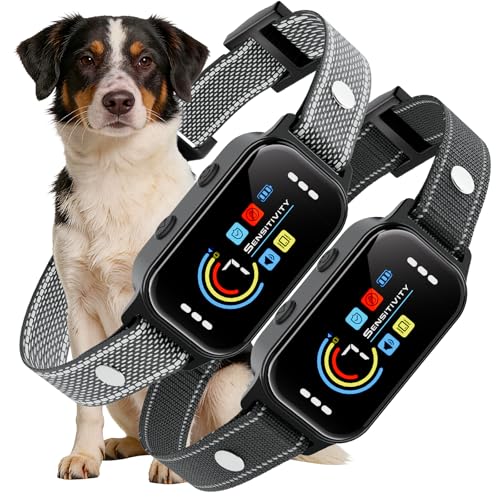
The Koguzl two-pack stands out for homes with two dogs or owners who want a spare collar ready to use. It lists seven sensitivity levels and five training modes, giving more room to fine-tune the response. That range may help when a collar reacts to nearby dogs, loud play, or street sounds. I would adjust one collar at a time so you can learn what works for each dog.
The listed 11-to-120-pound range covers many dogs, including most pitbull types. However, weight alone does not prove a perfect fit, because neck shape and coat thickness also matter. A two-pack can offer good value, but both units still need charging, cleaning, and safe storage. Never place collars on two dogs and assume they will solve a shared barking problem without finding the trigger.
Pros:
- Two collars suit multi-dog households
- Seven sensitivity levels allow fine adjustment
- Five modes support gradual bark training
- Broad listed weight range may fit many pitbulls
- Spare unit reduces downtime during charging
- Automatic operation works without a remote control
Cons:
- Two units mean twice the charging and cleaning work
- Dogs may need different settings despite sharing the same pack
- Owners should not use it to mask fear or distress
Rechargeable Beep, Vibration, and Shock Collar
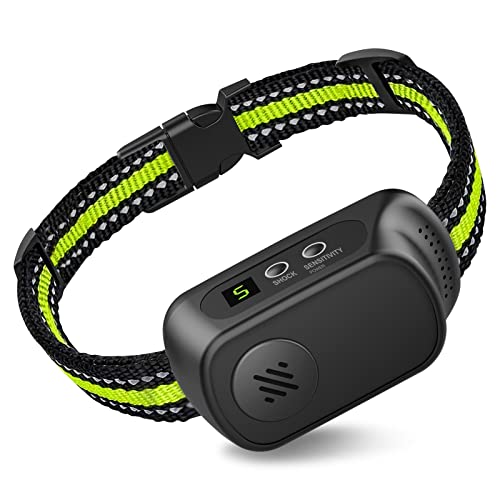
This rechargeable collar gives owners three broad ways to interrupt barking: beep, vibration, and shock. It also lists five adjustable sensitivity levels, which can help reduce activation from another dog nearby. I see the main value in its sound and vibration options, not in using the strongest correction. Any electrical correction carries a duty to use the lowest effective level and to stop if the dog shows fear or stress.
The rechargeable battery makes this collar convenient for regular training. Before each session, check the charge, strap, contact points, and skin under the collar. Pitbulls can be muscular and energetic, but they still need a collar that feels comfortable and does not rub. This model may work for an experienced handler who understands timing, yet a first-time owner may prefer a beep-and-vibration-only collar.
Pros:
- Rechargeable battery supports repeated training sessions
- Five sensitivity levels help tailor bark detection
- Beep and vibration provide milder starting options
- Automatic response can work when the owner is busy
- Broad dog-size claim may suit many household breeds
- Simple controls are useful for basic home training
Cons:
- Shock mode may be unsuitable for sensitive dogs
- Contact points can irritate skin if the fit is wrong
- It does not replace exercise, enrichment, or behavior work
Smart 8-Level Bark Collar

This smart bark collar is listed for dogs from 8 to 150 pounds and includes eight sensitivity levels. It also offers three beep and vibration modes. Those numbers give owners plenty of room to start low and make small changes instead of jumping to an intense setting. For a strong pitbull, that measured approach is far better than assuming a powerful dog needs a powerful correction.
The wide size range may appeal to owners who want one collar for a puppy that will grow into a larger adult. Still, the strap must stay centered as the neck changes. A barking dog may need a short period of supervised practice before wearing the collar near the fence or porch. I recommend pairing each quiet pause with praise, a treat, or a calm release from the trigger.
Pros:
- Eight sensitivity levels allow detailed adjustment
- Three beep and vibration modes support sound training
- Listed range covers very small and very large dogs
- Rechargeable smart design reduces battery waste
- May suit a growing dog when fit is checked often
- Strong choice for owners who want many settings
Cons:
- Many settings may confuse new users
- Large size claims do not replace a neck measurement
- Dogs with fear-based barking need a behavior plan
FESTYLES AI Detection Bark Collar

The FESTYLES collar uses smart bark detection and offers seven sensitivity levels. Its beep and vibration design suits owners who want to focus on humane interruption. The IP67 waterproof rating is helpful for dogs that play in wet grass, walk in light rain, or splash through shallow water. I still would not leave any electronic collar on during swimming unless the product instructions clearly allow it.
Smart detection can reduce some false triggers, but no collar can understand every situation perfectly. A dog may bark because of pain, fear, loneliness, or a nearby threat. Find the cause before you raise the setting. This model could fit a pitbull owner who wants weather resistance, sound and vibration, and a more modern automatic system in one small device.
Pros:
- AI-style bark detection may help limit false activations
- Seven sensitivity levels support careful setup
- Beep and vibration modes encourage lower-stress training
- IP67 protection suits wet outdoor conditions
- Rechargeable design is convenient for frequent use
- Useful for owners who prefer no shock mode
Cons:
- Smart detection may still respond to unusual sounds
- Water resistance does not always mean safe for swimming
- It cannot treat separation anxiety or fear
2-in-1 Smart Collar With 3,300-Foot Remote

This 2-in-1 system combines automatic bark control with a remote rated for up to 3,300 feet. It lists five sensitivity levels and an IP67 waterproof design. That mix may appeal to pitbull owners who train in a yard, use recall games, or need a collar for more than barking. The remote also helps you mark a quiet moment or redirect attention before barking becomes a long burst.
Remote training works best when the dog already knows the cue. Pressing a button without teaching the meaning can create confusion. I would begin with praise, treats, and the lowest response that gets attention. Because this system includes shock capability, it deserves extra care and may not be the right choice for a nervous dog or an owner without training experience.
Pros:
- Combines bark control with remote training
- 3,300-foot advertised range suits many outdoor spaces
- Five sensitivity levels allow gradual setup
- IP67 protection supports use in wet conditions
- Beep and vibration can come before stronger options
- Useful for owners teaching recall and focus
Cons:
- Remote training requires good timing and clear cues
- Shock capability may not fit every dog or handler
- Real range can change with buildings and terrain
KJKZO Three-Mode Bark Collar

The KJKZO bark collar keeps the control layout simple with three modes and seven sensitivity levels. Its carrot-orange color is easy to spot, which helps when the collar rests in grass or a dark room. A simple device can be a good match for owners who do not want a remote or a long list of complex controls. I would use the lowest sensitivity that notices your dog’s bark without reacting to every household noise.
The product is listed for small, medium, and large dogs. As with all broad-size collars, measure your dog and check the contact area before use. A collar should not sit too loose, yet it should never pinch or rub. This option may provide solid everyday value for a pitbull with alert barking, especially when the owner also uses exercise and reward-based training.
Pros:
- Seven sensitivity levels support a careful starting point
- Three modes keep operation easy to understand
- Bright color improves visibility during outdoor use
- Automatic design needs no separate remote
- Rechargeable format suits regular training
- May offer good value for basic bark control
Cons:
- Fewer modes offer less flexibility than some rivals
- Bright housing may show dirt more quickly
- It may not help barking linked to serious distress
IP67 Remote Dog Training Collar
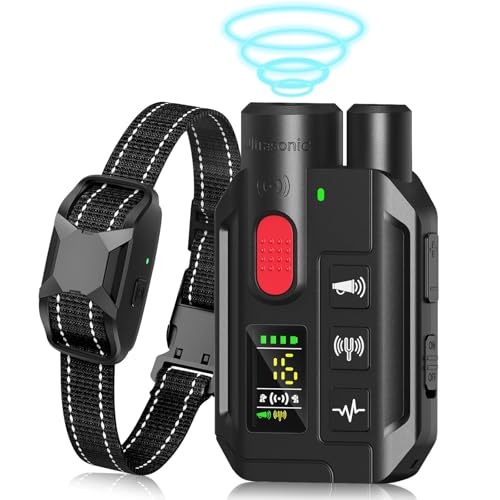
This remote collar lists a 2,000-foot range and IP67 water protection. It is designed for small, medium, and large dogs, so it may appeal to owners who want a flexible training tool for a pitbull. A remote lets you act before barking grows loud, which can be useful during fence training or outdoor distractions. It also gives you more control than an automatic collar when you can see the trigger.
Remote collars demand calm, consistent handling. Teach the dog what each beep or vibration means, then reward the correct choice. Do not press buttons repeatedly or use the device when you feel angry. The waterproof rating can help with rain and wet grass, but the unit still needs cleaning and inspection after outdoor use.
Pros:
- 2,000-foot advertised range supports outdoor practice
- Remote control allows timely redirection
- IP67 protection helps in wet weather
- May support barking, recall, and basic obedience work
- Suitable for owners who prefer hands-on training
- Broad size listing may fit many pitbulls
Cons:
- Remote timing takes practice for good results
- Shock functions require responsible use
- Range may be lower around walls, trees, and buildings
What Makes the Best Bark Collars for Pitbulls?
The best bark collars for pitbulls are not simply the strongest collars. They should detect barking with reasonable accuracy and offer a low-level warning first. A good model should also stay secure during movement without rubbing the neck. I give extra weight to sound, vibration, adjustable sensitivity, battery life, and weather protection.
Fit is the first safety check. Measure the dog’s neck and compare it with the product range. The collar should sit high on the neck, with the sensor touching the skin through the coat, but you should still fit two fingers underneath. Check the neck after each early session for redness, pressure marks, or hair loss.
Smart bark detection can help, but it is not magic. A collar may react to another dog, a child’s shout, or a hard play session. Start with low sensitivity and supervise the first several uses. If the collar activates often when your dog is quiet, remove it and change the setting or choose another model.
How I Compare Bark Collars for Strong Dogs
I look at five basic points when comparing the best bark collars for pitbulls. First, I check how many sensitivity levels and training modes the product offers. Second, I look for a secure strap and a size range that matches the dog’s actual neck. Third, I consider charging, water protection, remote range, and daily ease of use.
I also separate bark control from behavior care. Barking can warn, greet, demand attention, show excitement, or signal fear. The American Veterinary Medical Association and other veterinary behavior experts support humane training and advise owners to address the cause of unwanted behavior. A collar can interrupt a habit, but it cannot replace exercise, enrichment, veterinary care, or a qualified behavior plan.
Finally, I consider the owner’s skill. An automatic beep-and-vibration collar is usually easier for a new user. A remote collar may offer more control but also creates more room for poor timing. If you choose a product with shock capability, use sound and vibration first, follow the manual, and ask a qualified trainer for help.
How to Use a Bark Collar Safely
Introduce the collar slowly. Let your dog sniff it, then offer a treat. Put it on for a few minutes while your dog rests indoors. This small step can prevent the collar from feeling like a sudden punishment.
Next, identify the bark trigger. It may be a window, fence, doorbell, passing dog, or lack of activity. Keep your dog below the point of wild excitement. When your pitbull notices the trigger and stays quiet, mark that moment with praise or a treat.
Use the collar only for a planned session at first. Remove it when the session ends, and never leave it on for long periods without checking the skin. Rotate the position slightly if the instructions allow it. Do not use a bark collar on a puppy, sick dog, injured dog, or fearful dog without veterinary advice.
If barking increases, your dog hides, freezes, yelps, pants heavily, or avoids you, stop using the device. Those signs mean the method may be causing stress. A veterinary professional can help rule out pain, hearing changes, cognitive problems, or anxiety.
Best for Comparison
My Recommendation
For most owners, the FESTYLES model is the most balanced choice among these best bark collars for pitbulls. Its seven sensitivity levels, beep and vibration modes, rechargeable design, and IP67 protection support simple, lower-stress use. It is best for a pitbull that barks at normal home or yard sounds and whose owner will also reward quiet behavior.
The FAFAFROG is a good simple pick for owners who want five sensitivity levels without a remote. The Koguzl two-pack makes more sense for two dogs or as a spare. Owners who need recall or distance work may prefer a remote model, but they should understand timing before using stronger settings.
| Best for | Why |
|---|---|
| Everyday home bark control | FESTYLES offers seven levels, beep, vibration, and water protection. |
| Two-dog homes | Koguzl includes two collars and five training modes. |
| Remote outdoor training | The 4,500-foot 2-in-1 collar offers long-range control and bark features. |
Tips for Reducing Pitbull Barking
Give your dog a job before asking for quiet. A brisk walk, scent game, tug session, or short obedience lesson can lower extra energy. Mental work often helps more than simply letting a dog run around the yard.
Block easy triggers when possible. Close the lower part of a fence, use window film, or move a bed away from the front door. If a dog cannot watch every passerby, the dog has fewer reasons to sound the alarm.
Teach a quiet cue in a calm room. Let your dog bark once or twice, say “quiet” in a soft voice, and place a treat near the nose. When the dog stops to sniff, reward that pause. Repeat in short sessions, then practice near mild distractions.
Never reward demand barking by opening the door, giving food, or starting play at the loudest moment. Wait for a short quiet pause. With time, your dog learns that calm behavior opens the door to good things.
Use a vet or behavior specialist when barking comes with lunging, panic, biting, pacing, destruction, or escape attempts. These signs may point to fear or anxiety rather than a simple habit. The best bark collars for pitbulls work best as one small part of a full plan.
FAQs Of best bark collars for pitbulls
Are bark collars safe for pitbulls?
A properly fitted collar used for short, supervised sessions may be safe for many adult dogs. Start with beep or vibration, use low sensitivity, and inspect the neck often. Stop if your dog shows fear, pain, or skin irritation.
What type of bark collar is best for a pitbull?
A collar with accurate detection, adjustable sensitivity, secure fit, and beep or vibration modes is usually the best starting point. The dog’s temperament matters more than breed strength. A remote collar may suit skilled handlers, while an automatic model is simpler for home use.
Can a bark collar stop separation anxiety?
No. A bark collar may interrupt noise, but it does not treat separation anxiety. Anxiety needs a plan that may include gradual alone-time training, enrichment, veterinary care, and help from a qualified behavior professional.
How tight should a bark collar be?
It should be snug enough for the sensor to touch the neck but loose enough for two fingers to fit under the strap. Check the fit during movement and after training. Recheck often if your dog has a thick coat or is still growing.
Can my pitbull wear a bark collar all day?
I do not recommend all-day use. Use the collar during short training periods, remove it afterward, and check the skin. Never use it as a substitute for supervision, exercise, training, or solving the cause of barking.
Final Verdict: Which Should You Buy?
For most homes, the FESTYLES collar is my top pick among the best bark collars for pitbulls. It offers seven settings, beep, vibration, rechargeability, and IP67 protection without requiring a remote.
Choose a collar that fits well, start gently, and pair it with reward-based training. The best bark collars for pitbulls guide quiet behavior; they do not replace care, exercise, or expert help.

Pet Care Writer & Researcher
Daniel writes practical guides on daily care, feeding, and safety, turning complex topics into simple, actionable advice.