Do Dogs Bark When They Are In Pain: Signs To Know
Do dogs bark when they are in pain? Learn the warning signs, other vocal cues, and when your dog needs prompt veterinary care.
Yes, do dogs bark when they are in pain, but many dogs stay quiet.
A dog’s bark can be a warning, a plea, or simply a response to stress. Knowing why do dogs bark when they are in pain requires looking beyond sound and checking posture, movement, appetite, breathing, and behavior. This guide explains the signs that matter, common causes, when to call a veterinarian, and how to respond safely.
Do dogs bark when they are in pain?
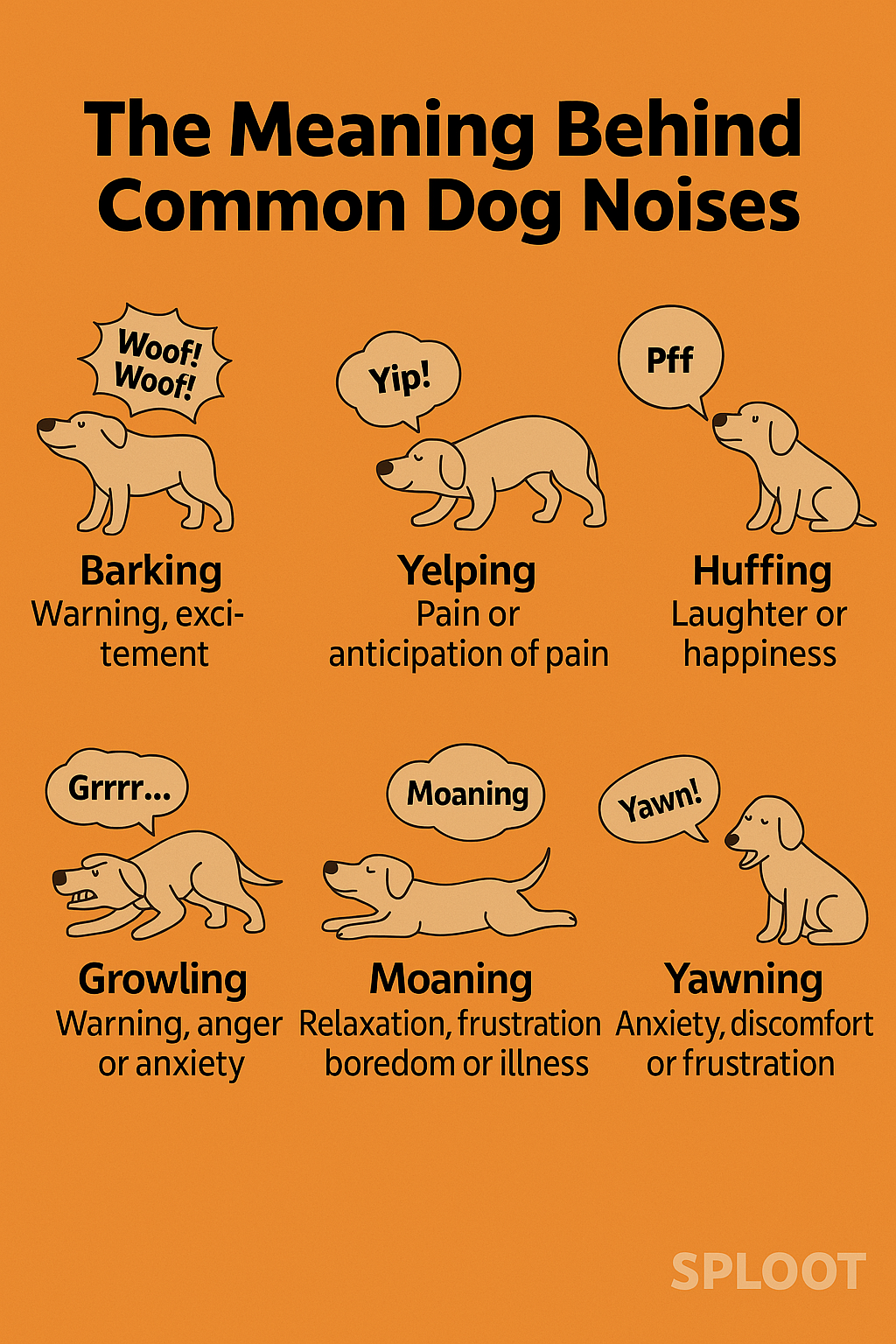
Yes, some dogs bark, whine, yelp, growl, or cry when they hurt. Vocal sounds may happen during movement, touch, eating, urination, or rest. A dog may also bark because pain makes them scared, restless, or more reactive.
However, do dogs bark when they are in pain every time? No. Some dogs become very quiet. Others hide, sleep more, or try hard to act normal. Dogs often mask pain because of instinct, fear, or their close bond with people.
Pain sounds may be:
• A sharp yelp after a jump or sudden movement
• Repeated whining while lying down
• A low growl when someone approaches a sore area
• Barking when touched, lifted, or moved
• Crying at night because the dog cannot get comfortable
A bark alone cannot prove that pain is present. Think of it as one clue in a larger puzzle.

How pain can change a dog’s bark
Pain may change both the sound and timing of a dog’s vocal behavior. A normally quiet dog may bark more. A normally talkative dog may stop making noise.
The bark may sound:
• Higher or sharper than usual
• More urgent and repeated
• Soft, weak, or strained
• Linked to movement or handling
• Combined with whining, panting, or restlessness
Some dogs bark at their owners because they want help. Others bark at family members because pain lowers their patience. A friendly dog may growl when a child touches a painful joint. This does not always mean the dog has become aggressive. It may mean the dog feels threatened and needs space.
Do dogs bark when they are in pain from every type of injury? Not always. A mild stomach ache may cause restlessness and lip licking rather than barking. A broken bone may cause a loud yelp at first, followed by silence and stillness.
Watch for a pattern. When did the sound start? What happens before it? Does the dog bark when standing, walking, eating, or being touched? These details help a veterinarian find the cause.
Other signs of pain in dogs
Many painful dogs show physical or behavior changes before they vocalize. The American Veterinary Medical Association and veterinary pain experts advise owners to watch for changes from the dog’s normal habits.
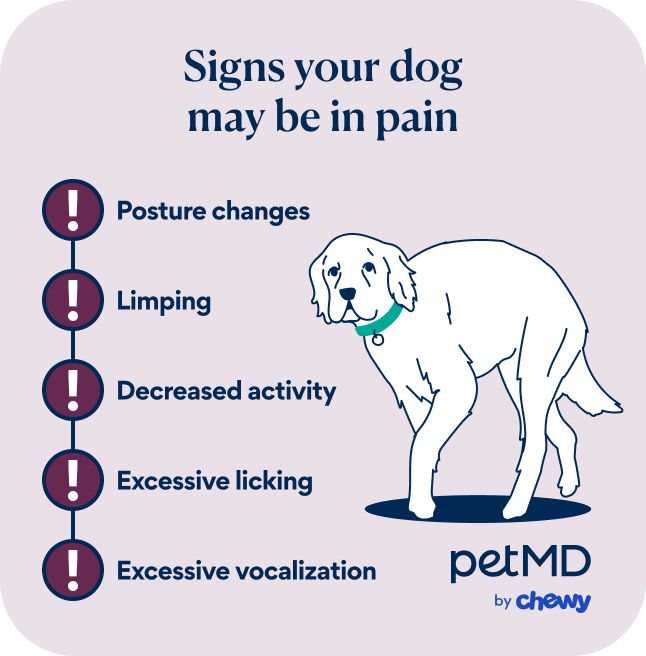
Common signs include:
• Limping or refusing to walk
• Difficulty standing, climbing stairs, or jumping
• A hunched back or lowered head
• Trembling, shaking, or tense muscles
• Fast breathing or heavy panting at rest
• Restlessness and frequent position changes
• Hiding or avoiding family members
• Loss of appetite or trouble chewing
• Licking, chewing, or guarding one body area
• Sleeping more or seeming unable to sleep
• Accidents in the house
• Dilated pupils, flattened ears, or a tucked tail
• Sudden irritability or unusual aggression
The key is a change from normal. Some breeds pant often. Some dogs are naturally quiet. Your dog’s usual behavior gives the best comparison.
A useful home check is to observe without touching. Watch your dog walk, lie down, rise, eat, drink, and turn around. Do not press a sore area or force movement just to test for pain.

Why dogs may bark when they hurt
Understanding the cause can make the behavior easier to read. A painful dog may bark for several reasons.
They want help
Dogs cannot point to a sore tooth or aching hip. Barking may be their way of getting your attention. The sound may stop when you approach, but that does not mean the pain is gone.
They feel afraid
Pain can make normal events feel unsafe. A dog with back pain may fear being picked up. A dog with an ear infection may react when someone reaches toward its head.
They are frustrated
A dog may want to go outside, eat, play, or climb onto the couch but cannot do so comfortably. Barking may express frustration rather than a direct pain response.
They are protecting a painful area
A growl or bark can serve as a warning. It tells others to stop moving closer. Punishing this warning can remove an important signal and increase the risk of a bite.
They are confused or restless
Some painful dogs pace, stare, or vocalize at night. This can occur with severe discomfort, medication effects, age-related changes, or illness. A new nighttime pattern deserves a veterinary call.
Do dogs bark when they are in pain because they want attention? Sometimes, but labeling the behavior as attention-seeking can be risky. A sudden change should be treated as a possible health issue until a veterinarian rules one out.
Common causes of pain that may lead to barking
Pain can come from a sudden injury or a gradual illness. Common causes include:
• Arthritis and other joint problems
• Sprains, strains, or torn ligaments
• Cuts, bruises, and broken nails
• Dental disease, cracked teeth, or oral infections
• Ear infections
• Skin infections, hot spots, or allergic irritation
• Stomach pain, constipation, or intestinal blockage
• Urinary infections or bladder stones
• Back and neck problems
• Pancreatitis or other internal illness
• Post-surgery pain
• Cancer and other serious diseases
Small dogs may cry when lifted because of neck or back pain. Large senior dogs may bark when trying to stand because of arthritis. A dog with dental pain may bark when eating hard food or refuse treats altogether.
Never assume that a dog is “just getting old.” Aging is normal, but pain is not something a dog should simply endure. Modern veterinary care can often improve comfort and mobility.

When barking means your dog needs urgent care
Some signs require immediate veterinary help. Call an emergency clinic or your veterinarian at once if your dog has:
• Trouble breathing or blue, gray, or very pale gums
• Collapse, severe weakness, or inability to stand
• A swollen or tight abdomen
• Repeated vomiting or retching without producing vomit
• Heavy bleeding or a serious wound
• A suspected broken bone
• A severe injury, fall, or vehicle accident
• Sudden paralysis or loss of coordination
• Seizures or extreme confusion
• Straining to urinate or no urine output
• Uncontrolled crying with severe distress
• Possible poisoning or medication ingestion
Do dogs bark when they are in pain from a life-threatening problem? They may, but they may also become silent or collapse. Sound level is not a reliable measure of danger.
If your dog has a swollen belly, breathing trouble, collapse, or a major injury, do not wait to see whether the barking stops. Keep the dog calm, avoid food and human medication, and contact emergency veterinary care.

What to do if you think your dog is hurting
Start with calm observation. Move children and other pets away, then give your dog a quiet place to rest.
Follow these steps:
- Look for obvious danger, such as bleeding, a trapped limb, or breathing trouble.
- Record when the behavior began and what makes it better or worse.
- Take a short video if the behavior is safe to capture.
- Check whether your dog can walk, eat, drink, urinate, and rest normally.
- Call your veterinarian for advice, especially if the change is sudden.
- Follow the prescribed treatment and monitor for improvement.
Do not force your dog to stand or examine a painful body part. Even a gentle dog may bite when frightened or hurt. Use a leash or carrier when transporting the dog, and support the body without twisting the neck or spine.
Never give ibuprofen, naproxen, acetaminophen, or other human pain medicine unless a veterinarian specifically instructs you to do so. These drugs can cause poisoning, stomach ulcers, kidney failure, liver damage, or death in dogs.
Veterinary pain care may include safe medication, dental treatment, rest, physical therapy, weight support, surgery, or treatment for an underlying disease. The right choice depends on the cause, age, breed, health history, and current medicines.

How veterinarians assess pain
A veterinarian will consider your description, the dog’s behavior, and the physical examination. Your video can be very helpful because some dogs act differently in a clinic.
The appointment may include:
• Questions about appetite, movement, sleep, and bathroom habits
• A gentle examination of the joints, muscles, spine, abdomen, ears, and mouth
• Temperature, heart rate, breathing rate, and gum checks
• Blood tests or urine tests
• X-rays or other imaging when needed
• A pain assessment based on behavior and body language
Veterinary teams may use pain scoring tools to track changes over time. These tools look at posture, facial expression, movement, interaction, and response to touch. No single test can measure every type of pain, so the owner’s observations matter.
Be honest about the dog’s daily life. Mention small changes, such as taking longer to lie down or leaving food in the bowl. These details can help reveal chronic pain that is easy to miss.
How to reduce stress while your dog recovers
Comfort and safety can support healing, but they do not replace medical care.
Try the following:
• Provide a soft, supportive bed in a quiet area
• Use rugs or mats on slippery floors
• Block stairs if the dog is weak or unsteady
• Keep food and water within easy reach
• Use a harness instead of pulling on the neck
• Follow exercise limits from the veterinarian
• Keep children from climbing on or hugging the dog
• Watch for changes in appetite, breathing, stool, urine, and movement
• Give only medicines prescribed for that dog
A simple daily log can help. Write down the dog’s pain signs, meals, medication times, walks, sleep, and bathroom habits. This makes it easier to notice improvement or decline.
One common mistake is waiting for dramatic crying. Chronic pain often looks like less play, slower movement, or a dog that no longer wants to climb onto the bed. Early attention can prevent a small problem from becoming a major one.

Frequently asked questions about do dogs bark when they are in pain
Do dogs bark when they are in pain at night?
They can. Night barking may result from pain, restlessness, anxiety, medication effects, or age-related confusion. A new or repeated nighttime change should be discussed with a veterinarian.
Do dogs bark when they are in pain from arthritis?
Some dogs bark, whine, or growl when arthritis makes standing or walking difficult. Others become quiet and avoid stairs, jumping, and play, so reduced activity can be just as important as vocalization.
Can a dog be in pain without barking?
Yes. Many dogs hide pain or show only subtle signs, such as panting, hiding, limping, appetite loss, or trouble settling. Silence does not mean a dog is comfortable.
Should I touch my dog to find the painful area?
Do not press, squeeze, or move a suspected injury. Watch your dog without touching first, and let a veterinarian perform a safe examination.
Can I give my dog human pain medicine?
No, not unless a veterinarian gives clear instructions for a specific medicine and dose. Several common human pain relievers are toxic to dogs.
How do I know if barking is pain or normal communication?
Look for a sudden change and other signs, such as limping, restlessness, panting, guarding, or appetite loss. If the bark occurs during movement or touch, pain becomes more likely, but only a veterinary evaluation can confirm the cause.
Conclusion
Do dogs bark when they are in pain? They can, but barking is only one possible warning. Some dogs whine, growl, or cry, while others hide pain through silence, restlessness, reduced activity, or changes in appetite.
Pay attention to what is different from your dog’s normal behavior. Keep your dog safe, avoid human pain medicine, record useful observations, and contact a veterinarian when pain is sudden, severe, or persistent. If your dog’s behavior has changed, take that signal seriously and seek professional guidance today.

Pet Care Writer & Researcher
Daniel writes practical guides on daily care, feeding, and safety, turning complex topics into simple, actionable advice.