
Why Does My Dogs Bark Sound Hoarse: Causes And Care
Why does my dogs bark sound hoarse? Learn common causes, warning signs, and safe steps to help your dog recover quickly.
Your dog’s bark may sound hoarse from over barking, throat irritation, infection, allergies, or a problem with the larynx.
If you are wondering, “why does my dogs bark sound hoarse,” the change can be mild and short-lived, but it can also signal a painful throat or airway issue. A careful look at your dog’s other signs, recent activities, age, and breed can help you judge what to do next. This guide explains the most common causes, warning signs, home care steps, and when a veterinarian should examine your dog.
What a hoarse bark sounds like
A hoarse bark may sound raspy, weak, rough, breathy, or deeper than normal. Some dogs seem to “lose their voice” after barking for hours. Others make a dry cough or a strange throat-clearing sound along with the bark.
The bark comes from air moving through the larynx, also called the voice box. Swelling or irritation in this area can change how the vocal cords move. It is much like how your voice becomes rough after shouting at a sports game.
When asking why does my dogs bark sound hoarse, first think about timing. Did the change begin after boarding, daycare, a long car ride, a stressful event, or a night of barking? A sudden change after heavy vocal use often points to irritation, but it should still improve with rest.
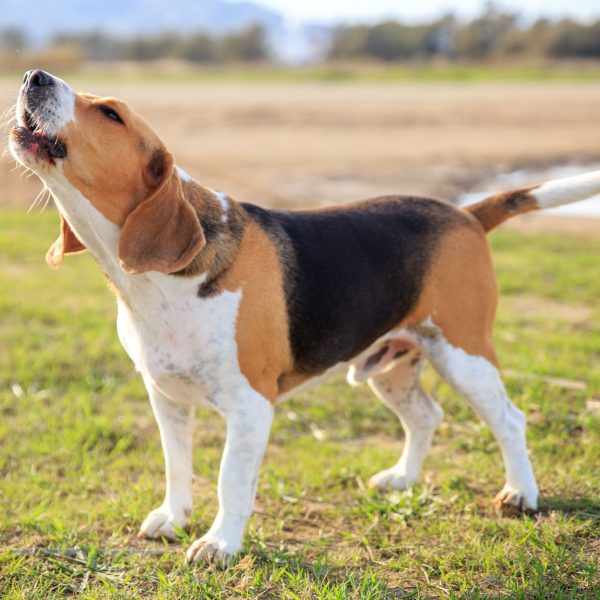
Common reasons your dog’s bark sounds hoarse
There is no single answer to why does my dogs bark sound hoarse. Several conditions can affect the throat, vocal cords, lungs, or upper airway.
Excessive barking
Long periods of barking can strain the larynx. This is common after a dog spends time guarding a window, reacting to visitors, or staying in a kennel near many barking dogs.
The voice may sound rough for one to three days. Your dog may still eat, drink, play, and breathe normally. In that case, quiet time and good hydration may help the throat recover.
Laryngitis
Laryngitis means inflammation of the larynx. It can result from excessive barking, inhaled dust, smoke, chemical fumes, or an infection.
A dog with laryngitis may have:
• A hoarse or weak bark
• A dry cough
• Trouble swallowing
• More throat clearing
• Mild tiredness
Laryngitis can occur with respiratory infections, including illnesses that spread in boarding or daycare settings.
Kennel cough and other respiratory infections
Kennel cough is a common name for infectious tracheobronchitis. It can cause a harsh, dry cough that sounds like a honk. Some dogs also develop a hoarse bark because the throat and voice box are inflamed.
Dogs may catch respiratory infections in boarding facilities, dog parks, grooming salons, shelters, and daycare centers. Signs can appear several days after exposure. A mild case may improve, but puppies, older dogs, and dogs with health problems need closer watching.
Allergies and irritants
Pollen, mold, dust, perfume, smoke, air fresheners, and cleaning products can irritate a dog’s airway. Allergies may also cause sneezing, watery eyes, itchy skin, or repeated licking of the paws.
If your dog’s bark became hoarse after a home renovation, a new air freshener, or time near wildfire smoke, remove the irritant and improve air flow. Never expose a dog to cigarette smoke or strong fumes.
Something stuck in the throat
Grass blades, sticks, bones, rawhide pieces, and toys can injure or block the throat. A dog with a foreign object may gag, drool, paw at the mouth, swallow often, or refuse food.
Do not reach deep into your dog’s throat. You may push the object farther down or get bitten. A veterinarian should handle suspected throat injuries or obstructions.
Laryngeal paralysis
Laryngeal paralysis occurs when the larynx does not open well during breathing. It is more common in older dogs and some large breeds, including Labrador Retrievers, Golden Retrievers, and Saint Bernards.
A changed bark can be an early sign. Other signs include noisy breathing, exercise intolerance, gagging, heat intolerance, and collapse. This condition can become urgent, especially in hot weather or during exercise.
A growth or injury near the voice box
Less common causes include polyps, tumors, nerve problems, and trauma to the neck. These problems are more likely when hoarseness lasts for weeks, keeps returning, or comes with weight loss, swallowing problems, or breathing changes.
A lasting voice change does not always mean cancer. Still, it deserves a veterinary exam because only testing can identify the cause.

When a hoarse bark is an emergency
A hoarse bark alone is often not an emergency. Breathing trouble is different. Seek urgent veterinary care if your dog has any sign that air is not moving normally.
Watch for:
• Fast or difficult breathing
• Blue, gray, pale, or white gums
• Loud wheezing or harsh breathing
• Open-mouth breathing while resting
• Collapse or extreme weakness
• Repeated choking or gagging
• Swelling of the face or throat
• Heavy drooling with trouble swallowing
• Inability to keep water down
• Sudden distress after chewing a toy, bone, or stick
Heat can make airway problems worse. Move your dog to a cool area and avoid exercise while you contact a veterinarian. Do not force food, water, or medication if your dog is struggling to breathe or swallow.
One practical lesson is easy to remember: a bark change matters less than the way your dog breathes. If the chest moves with effort, the neck stretches out, or the gums change color, do not wait to see if the bark returns to normal.

What to do at home for a mild hoarse bark
If your dog is bright, breathing normally, and eating and drinking well, simple care may support recovery. These steps do not replace veterinary advice, but they can reduce further irritation.
-
Limit barking and excitement. Close the blinds if your dog barks at people or animals outside.
-
Offer fresh water. Hydration helps keep throat tissues moist.
-
Use a harness instead of a neck collar. Pulling on the throat can worsen irritation.
-
Keep the air clean. Avoid smoke, sprays, perfumes, dust, and strong cleaning fumes.
-
Use a cool-mist humidifier if the indoor air is dry. Keep the device clean to prevent mold and bacteria.
-
Skip strenuous exercise for a few days. Heat and hard breathing can irritate the airway.
-
Record a short video. A video of the bark, cough, or breathing can help your veterinarian.
Do not give human cough medicine, pain medicine, or leftover antibiotics. Products that are safe for people may harm dogs. Some cough syrups contain xylitol, which is highly toxic to dogs.
If you are still asking why does my dogs bark sound hoarse after two or three days of quiet rest, call your veterinarian. Also call sooner if your dog has a cough, fever, nasal discharge, poor appetite, or low energy.

How veterinarians find the cause
Your veterinarian will ask when the hoarseness began and whether your dog was recently around other dogs. Expect questions about barking, coughing, vomiting, swallowing, exercise, heat exposure, medications, and possible contact with smoke or chemicals.
The vet may examine the mouth, throat, nose, lungs, heart, and lymph nodes. They may also watch your dog breathe and listen for unusual sounds.
Possible tests include:
• Chest or neck X-rays
• Blood tests
• Swabs for respiratory infections
• A careful throat examination
• Sedated examination of the larynx
• Ultrasound or advanced imaging in complex cases
A larynx exam may be needed when laryngeal paralysis, a foreign object, or a mass is suspected. The best test depends on your dog’s signs. Not every dog needs every test.
Treatment may include rest, medication for inflammation, antibiotics when a bacterial infection is likely, cough relief, allergy control, or surgery for certain airway disorders. Antibiotics do not treat most viral infections, so they should be used only when prescribed.

How long should a hoarse bark last?
The answer depends on the cause. Mild irritation from barking may improve within a few days. A respiratory infection may take longer, even when the dog otherwise seems well.
Contact your veterinarian if the bark does not improve within several days, becomes worse, or returns often. A persistent hoarse bark can point to laryngeal disease, chronic irritation, nerve problems, or another condition that needs treatment.
Puppies, senior dogs, flat-faced breeds, and dogs with heart or lung disease deserve extra care. Their breathing can worsen faster than expected.
When people ask why does my dogs bark sound hoarse, they often want to know whether the voice will return. In many mild cases, it does. The key is to protect the airway, watch for changes, and avoid assuming that every hoarse bark is harmless.
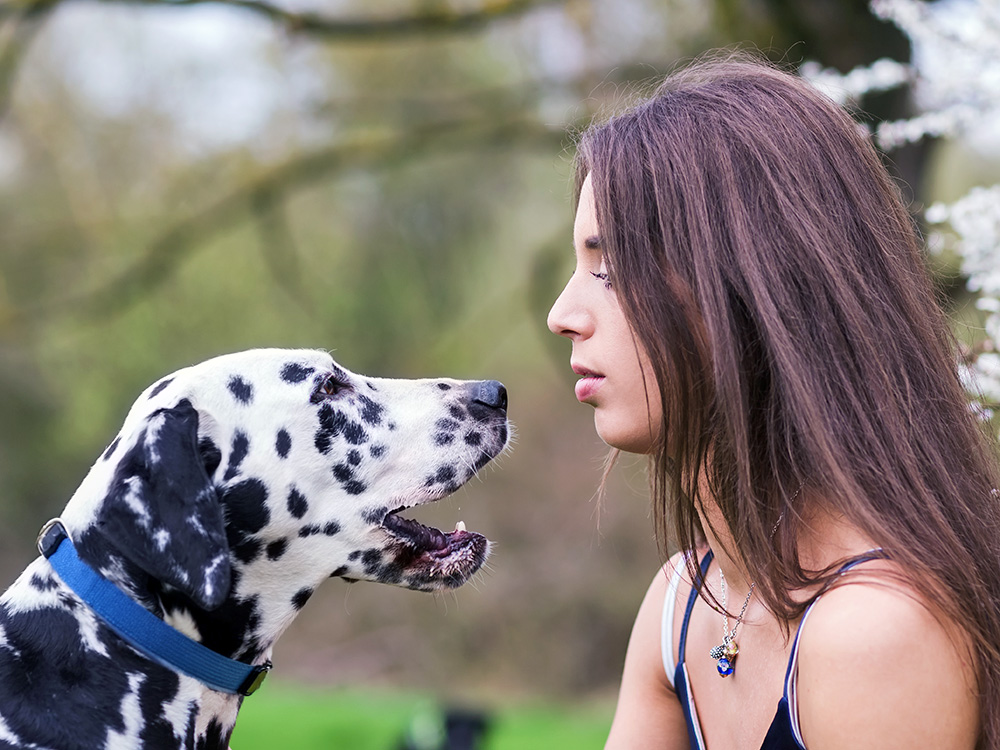
Prevention tips for future bark changes
You cannot prevent every throat problem, but you can lower several common risks.
• Keep vaccines current based on your veterinarian’s advice.
• Limit close contact with coughing dogs.
• Use a well-fitted harness for dogs that pull.
• Keep smoke, vaping products, sprays, and harsh fumes away from pets.
• Store bones, small toys, and chew items safely.
• Avoid leaving a dog outside for long periods of barking.