Do Papillons Bark A Lot: Barking Facts And Tips
Do Papillons Bark A Lot? Learn why they bark, what triggers it, and practical tips to help your Papillon stay calm and quiet.
Yes, Papillons can bark often, but training and daily enrichment can greatly reduce noisy behavior.
So, do Papillons bark a lot? The honest answer is that this small, bright breed often has a big voice. Papillons bark to alert, greet, play, demand attention, or respond to sounds. With the right routine, early socialization, and reward-based training, most Papillons can learn when to stay quiet.
Do Papillons bark a lot?
Yes, Papillons may bark more than many owners expect. They are alert toy dogs with quick minds and strong reactions to movement, sounds, and changes around the home.
However, barking habits vary from dog to dog. One Papillon may bark at every delivery truck. Another may stay fairly quiet but bark during play or when left alone. Genetics, training, exercise, socialization, health, and home life all play a role.


Papillons were not bred to be silent lap dogs. They are active companion dogs that notice small details. Their sharp hearing and fast response can make them excellent watchdogs, but it can also make them noisy if their needs are not met.
The key lesson is simple: barking is normal communication, but constant barking is often a sign that something needs attention.
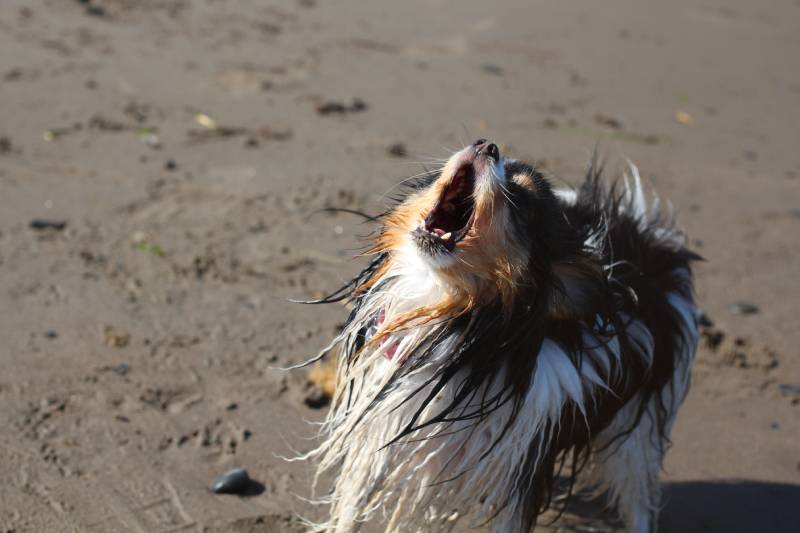
Why do Papillons bark so much?
To understand do Papillons bark a lot, it helps to understand what the barking means. A Papillon rarely barks without a reason, even when that reason seems small to you.
Common causes include:
• Alert barking: Your Papillon may bark when someone comes to the door, a car passes, or a neighbor makes noise.
• Excitement: Some Papillons bark during games, greetings, walks, or training.
• Attention seeking: If barking leads to petting, food, eye contact, or play, the dog may repeat it.
• Boredom: A smart dog with too little activity may create its own entertainment.
• Fear or stress: Loud sounds, strangers, new places, and other dogs can trigger defensive barking.
• Frustration: A Papillon may bark when it cannot reach a toy, see outside, or greet someone.


• Separation distress: Barking may occur when the dog is left alone for too long.
• Pain or illness: A sudden change in vocal behavior can signal discomfort or a health problem.
A useful rule is to watch what happens before and after the bark. The event before the bark is the trigger. The result after the bark may be the reward. This simple pattern can reveal why the behavior continues.

Are Papillons naturally vocal?
Papillons are often more vocal than their tiny size suggests. They are alert, active, and highly responsive to people. Their intelligence helps them learn quickly, but it also means they can learn unwanted habits quickly.
A Papillon may bark because it has discovered that barking works. For example, barking at the window may make a person approach the window. Barking at dinner may produce a small treat. From the dog’s view, the behavior has a clear result.
This does not mean Papillons are bad dogs or that they cannot live in an apartment. It means owners should provide clear rules and steady training. A quiet behavior must become just as rewarding as a noisy one.
Breed tendencies are only part of the picture. A well-socialized Papillon with regular exercise may be calmer than a poorly trained dog of a naturally quiet breed.

How much barking is normal for a Papillon?
There is no exact number of barks that defines normal behavior. A few alert barks at a visitor are usually normal. Barking for long periods at every sound may point to stress, boredom, or a learned habit.
Consider these questions:
• Does your dog stop when the trigger is gone?
• Can your dog respond to its name during barking?
• Does barking happen only in certain situations?
• Is the behavior new or suddenly worse?


• Does your dog show fear, pacing, shaking, or destructive behavior?
A Papillon that barks briefly and settles may simply be communicating. A dog that cannot calm down may need a training plan or professional help.
Sudden barking deserves extra care. Dental pain, hearing changes, vision loss, skin problems, and other medical issues can alter behavior. A veterinarian should check any dog with a sharp or unexplained change in vocal habits.

Do Papillons bark more in apartments?
Papillons can bark in apartments, but apartment living does not automatically create a barking problem. The main issue is how much access the dog has to triggers and how well the dog can relax.
An apartment Papillon may hear hallway steps, elevators, doors, voices, and outdoor traffic. These sounds can feel like a constant stream of news. If the dog reacts to every sound, the barking may become a daily habit.
You can lower the noise by:
• Placing the dog’s bed away from the front door.
• Using curtains or frosted window film to block visual triggers.
• Playing soft background sound during busy times.
• Teaching a quiet cue before barking becomes intense.
• Giving the dog a food puzzle during predictable noise periods.
• Keeping exercise and rest on a steady schedule.
Many apartment dogs bark less when they know what to expect. A predictable routine acts like a calm map for a sensitive dog.


How to stop a Papillon from barking
Training works best when it addresses the cause. Simply shouting “quiet” may add more noise because your dog may think you are joining the alert.
Use these steps:
- Identify the trigger
Write down when barking occurs. Note the time, location, sound, and what your dog does next. A short log can show patterns that are easy to miss.
- Prevent repeated practice
Close the blinds, move the dog away from the door, or use a baby gate when needed. Every long barking session gives the habit more strength.
- Teach an alternative behavior
Ask for a sit, eye contact, or a move to a bed. Reward the behavior quickly with a small treat or calm praise.
- Add a quiet cue
When your Papillon pauses, say “quiet” in a calm voice. Wait for a brief silence, then reward it. Slowly increase the quiet time.
- Reward calm moments
Give attention when your dog rests quietly. Many owners focus only on barking and forget to reward peace.
- Practice at a low level
If a door sound causes barking, begin with a very soft recording or a gentle knock. Reward calm behavior before the dog becomes upset.
- Stay consistent
Everyone in the home should follow the same rule. If barking sometimes earns food and sometimes earns silence, the dog may bark more persistently.
Reward-based training is widely recommended by veterinary behavior professionals. Punishment can increase fear and may make barking worse, especially when the cause is anxiety.
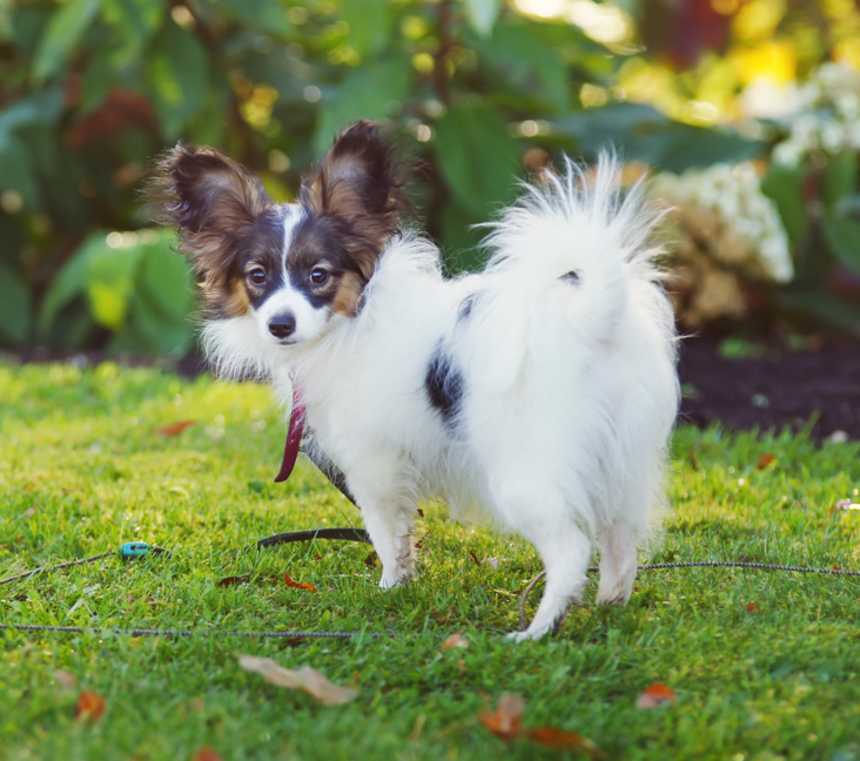
Exercise and enrichment for a quieter Papillon
Exercise can help answer the question, do Papillons bark a lot when they are bored? A tired body and active mind often make it easier for a dog to settle.
Papillons are small, but they are not low-energy decorations. Many enjoy brisk walks, scent games, trick training, and short play sessions.
Try a mix of:
• Two or more short walks each day.
• Five-minute training sessions.
• Treat searches around a safe room.
• Puzzle feeders and slow feeders.
• Gentle fetch or toy games.
• Basic agility exercises suited to the dog’s health.
• Calm chewing with a safe, veterinarian-approved chew.
Mental work can be as useful as physical exercise. Asking a Papillon to learn “touch,” “place,” or “find it” gives the brain a healthy task.
Do not exercise a dog until it is frantic. The goal is balanced activity, not exhaustion. Puppies, senior dogs, and dogs with joint or heart problems need plans suited to their age and health.

Socialization and barking control
Early socialization can reduce fearful barking. It teaches a puppy that people, sounds, surfaces, and places do not always signal danger.
Good socialization is gradual and positive. Let your Papillon observe new things from a safe distance. Offer treats for calm behavior. Move closer only when the puppy remains relaxed.
Avoid forcing a fearful dog to greet strangers. A crowded dog park or busy sidewalk may overwhelm a small, sensitive breed. Calm exposure is more useful than intense exposure.
Adult Papillons can also learn new responses. Progress may take longer, but age does not make training hopeless. A patient plan can replace “bark first” with “look at my owner first.”
A common mistake is allowing a puppy to bark at people through a window because it seems harmless. That behavior can become a strong adult habit. It is easier to guide the response early than to undo months of practice.

Barking linked to separation anxiety
Some Papillons bark when left alone because they feel distressed, not because they are stubborn. Other signs may include pacing, scratching doors, drooling, house soiling, or destructive behavior.
If barking begins soon after you leave, record the first 30 minutes with a camera. This can help show whether your dog settles or remains upset.
Helpful steps may include:
• Practicing very short absences.
• Returning before panic begins.
• Keeping departures calm and boring.
• Providing a safe resting area.
• Using enrichment that the dog already enjoys.
• Asking a veterinarian or qualified behavior professional for help.
Do not use a crate as a cure for separation anxiety without guidance. A crate can provide safety for some dogs, but confinement may increase panic in others.
Severe separation distress often needs a structured behavior plan. In some cases, a veterinarian may discuss medication along with training. This is not a failure. It can help the dog learn while reducing overwhelming fear.
When barking may signal a health problem
Barking is not always a training issue. Contact a veterinarian if your Papillon suddenly becomes much louder, more restless, or unusually quiet.
Health-related warning signs include:
• Barking with limping, trembling, or sensitivity to touch.
• Nighttime vocalizing in an older dog.
• Confusion or staring into space.
• Changes in appetite, thirst, or sleep.
• Repeated licking or scratching.
• Coughing, breathing trouble, or weakness.
• Barking that begins after an injury or major change.
Small dogs can develop dental disease, and mouth pain may affect mood and behavior. Older dogs may also experience hearing loss, vision changes, or cognitive decline.
A behavior plan cannot fix untreated pain. A health check is the safest first step when the pattern changes suddenly.
Can you live peacefully with a barking Papillon?
Yes. Many Papillons live happily with families, children, seniors, and apartment neighbors. The best results come from realistic expectations and early guidance.
A Papillon may never become completely silent. That is not the goal. The goal is a dog that can notice a trigger, respond briefly, and settle when asked.
Before bringing one home, consider whether you can provide:
• Daily interaction and mental activity.
• Patient, reward-based training.
• Clear household rules.
• Time for socialization.
• A plan for visitors and alone time.
• Veterinary care when behavior changes.
If you want a dog that never alerts, a Papillon may not be the best match. If you want a clever, lively companion and are willing to train, its vocal nature can be manageable.
Frequently Asked Questions About Do Papillons Bark a Lot
Do Papillons bark more than other small dogs?
Papillons can be quite vocal compared with some small companion breeds. Their alert nature and quick response to sounds often make them frequent barkers, but training and temperament create major differences.
Can you train a Papillon to stop barking?
You can reduce excessive barking, but no healthy dog should be expected to never bark. Identify the trigger, prevent repeated practice, teach a calm alternative, and reward quiet behavior.
Are Papillons good apartment dogs if they bark?
Papillons can be good apartment dogs when they receive exercise, enrichment, and consistent training. Window control, background sound, and door training can also reduce reactions to hallway and street noise.
Why does my Papillon bark at everything?
Your Papillon may be alert, bored, fearful, excited, or seeking attention. Track the trigger and the result of each barking episode, then use that pattern to guide training.
Do Papillon puppies bark a lot?
Papillon puppies may bark while exploring their world, seeking attention, or reacting to new sounds. Early socialization and rewards for calm behavior can prevent frequent puppy barking from becoming a lasting habit.
Should I punish my Papillon for barking?
Punishment can increase fear and may make barking worse. Reward-based training is usually safer and more effective because it teaches the dog what to do instead.
Is a barking Papillon unhappy?
Not always. Barking is normal communication, but nonstop barking can suggest stress, boredom, fear, or a health problem. Look at the full body language and consider a veterinary check if the behavior changes.
Conclusion
So, do Papillons bark a lot? They can, especially when they are bored, excited, worried, or reacting to sounds. Their small size does not reduce their alert nature, but thoughtful training can make a major difference.
Focus on the reason behind the bark, reward calm behavior, provide daily mental work, and avoid harsh punishment. If barking starts suddenly or comes with signs of pain or anxiety, contact a veterinarian.
With patience and a clear plan, you can enjoy the Papillon’s bright personality without letting barking run the household. Try one calm-training exercise today, and share your experience with other Papillon owners.

Pet Care Writer & Researcher
Daniel writes practical guides on daily care, feeding, and safety, turning complex topics into simple, actionable advice.