Do Hound Dogs Bark A Lot: What Owners Should Know
Do hound dogs bark a lot? Learn why hounds vocalize, which breeds bark most, and practical ways to manage excessive barking.
Yes, hound dogs often bark, bay, howl, and whine more than many other dog breeds.
If you are asking, “Do hound dogs bark a lot?” the honest answer is often yes, but the amount depends on the breed, age, training, health, and daily routine. Hounds were bred to use their voices while tracking prey, so their loud calls are not random. This guide explains why hounds vocalize, which types are noisier, and how to reduce unwanted barking without fighting their natural instincts.

Why do hound dogs bark a lot?
Hound dogs were bred to track animals over long distances. Hunters often needed to hear a dog through thick woods or across open land. A loud bark, bay, or howl helped the dog share its location and keep people aware of the chase.


This history explains why hound dogs bark a lot. Their voices are part of their work, not simply a bad habit. Trying to silence every sound can be unfair and may create stress.
Hounds also have sharp senses. A rabbit, squirrel, passing car, or strange smell can quickly grab their attention. Once excited, some hounds keep barking until the trigger is gone.
Common reasons for hound barking include:
• Alerting you to people, animals, or sounds
• Showing excitement before a walk or meal
• Calling to other dogs
• Feeling bored or lonely
• Chasing scents or movement
• Protecting a home or yard
• Feeling afraid or unsure
• Seeking attention


A hound’s bark may sound different from the bark of a small companion dog. Many hounds use a deep, ringing bay. Others howl, whine, yodel, or make soft grumbles. These sounds can carry far, even when the dog is not barking constantly.

Which hound breeds are the most vocal?
Not every hound is equally noisy. Breed purpose matters. Dogs bred for group hunting may be more likely to call out, while independent scent hounds may stay quiet until they find an interesting scent.
Some commonly vocal hounds include:
Beagles
Beagles are famous for their loud bay and cheerful howl. They often bark when they smell something exciting or want to join family activity. A bored Beagle may also bark, dig, or search for a way out of the yard.
Coonhounds
Coonhounds can have deep, powerful voices. Their bay was made to travel through forests, so nearby neighbors may hear them clearly. They often become vocal when they find a scent or feel isolated.
Bloodhounds
Bloodhounds are known for their remarkable noses and deep voices. They may not bark at every small sound, but their bay can be very loud when they become interested in a trail.
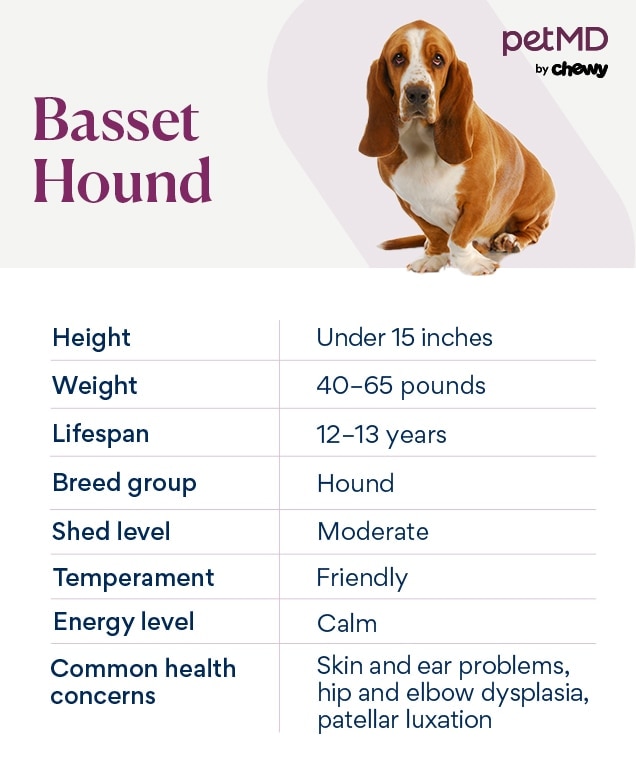
Basset Hounds
Basset Hounds often use a low, dramatic howl. They may bark when they want food, attention, or access to a family member. Their calm look can be misleading because their voice has great power.
Dachshunds
Dachshunds are small hounds with bold personalities. They were bred to pursue animals underground, so they often bark at movement, visitors, and sounds near the home.
Greyhounds
Greyhounds are often quieter than scent hounds. Many prefer to rest for much of the day. Still, an individual Greyhound may bark from excitement, stress, boredom, or separation.
Breed gives you a useful clue, but it does not predict every dog. Two Beagles from the same litter may have very different voices and habits.

Do hound dogs bark more than other dogs?
Hound dogs often bark or howl more than quiet companion breeds, but “more” can mean different things. Some hounds make frequent short barks. Others stay quiet for hours and then produce a long, loud bay when they detect a scent.
Terriers, herding breeds, and guard dogs can also be very vocal. A Border Collie may bark during intense activity. A German Shepherd may bark at a perceived threat. A hound may bark because a scent has switched on its tracking instincts.
The key difference is often the reason for the sound. Hounds were selected to communicate during a hunt. Their voices tend to be strong, clear, and persistent.


A dog’s noise level also depends on:
• Genetics
• Early socialization
• Exercise
• Mental stimulation
• Home location
• Noise from neighbors or traffic
• Time spent alone
• Pain or illness
This is why the question “Do hound dogs bark a lot?” has no single answer for every dog. It is better to ask what causes the barking and how often it happens.

What is the difference between barking, baying, and howling?
Understanding hound sounds can help you respond in the right way. A bark is usually short and sharp. A bay is longer, deeper, and often has a musical rise and fall. A howl is a long call that may be aimed at other dogs or triggered by a sound.
Here is a simple guide:
• Barking: A short sound used for alerting, excitement, fear, or attention.


• Baying: A deep, ringing call often linked to scent tracking.
• Howling: A long call that may express social contact, stress, or excitement.
• Whining: A soft, high sound linked to need, worry, pain, or frustration.
• Yodeling: A quick, changing sound found in some hound breeds.
A hound may use several sounds in one event. For example, a Beagle may bark when it sees a rabbit, bay when it follows the scent, and howl when it cannot reach the trail.
Do not assume every loud sound is a behavior problem. Some vocal behavior is normal communication. The goal is to control unsafe or disruptive noise while allowing healthy expression.
Common reasons a hound dog barks
Scent and prey drive
A fresh scent can act like a message written in invisible ink. Your hound may smell an animal that you cannot see. The dog may bark, pull, pace, and search because its tracking system is fully active.
This is common in Beagles, Coonhounds, Foxhounds, and Bloodhounds. A fenced yard may not solve the problem if the dog can smell wildlife nearby.
Boredom
A hound with little to do may create its own entertainment. Barking at birds, passing cars, or leaves can become a daily game.
Long walks help, but simple physical exercise is not always enough. Scent games, food puzzles, and short training sessions can tire a hound’s mind.
Separation distress
Some hounds bark when left alone. The noise may begin soon after the owner leaves and continue for a long time. Other signs can include pacing, scratching doors, drooling, or accidents in the home.
This may point to separation anxiety rather than ordinary boredom. Punishment can make the fear worse.
Attention seeking
If barking regularly brings food, eye contact, play, or a door opening, the dog learns that noise works. Even telling the dog to stop can reward the behavior because the dog receives attention.
Teaching a quiet behavior and rewarding it early is often more effective than repeating “no.”
Fear and alarm
A hound may bark at strangers, storms, fireworks, or unfamiliar objects. Fear barking often comes with a stiff body, tucked tail, lowered posture, or attempts to hide.
A calm distance from the trigger is safer than forcing the dog to approach it. A veterinarian or qualified behavior professional can help if fear is strong.
Pain or illness
A sudden increase in barking deserves attention. Ear disease, joint pain, stomach trouble, age-related confusion, or other health problems can change a dog’s behavior.
If your hound suddenly becomes noisy, restless, or withdrawn, arrange a veterinary check. Training cannot fix a medical problem.

How to stop a hound dog from barking so much
You may not stop every bark, but you can often reduce needless barking. Start by finding the pattern.
Keep a simple record for several days:
-
Write down the time of each barking event.
-
Note what happened just before it began.
-
Record how long it lasted.
-
Check what ended the barking.
-
Look for patterns involving food, visitors, wildlife, or being alone.
Once you know the trigger, choose a clear plan.
Teach a quiet cue
Wait for a short pause in the barking. Say “quiet” in a calm voice, then give a small treat. Repeat this many times when the dog is relaxed.
Do not shout the cue. Loud voices can sound like barking and may increase excitement. Reward the pause, not the noise.
Reduce visual triggers
If your hound barks at people or animals outside, block the view with curtains, privacy film, or a solid fence. Keep the dog away from windows during busy times.
This is management, not failure. Preventing repeated practice makes training easier.
Use scent games
Scent work gives a hound a safe way to use its best skill. Hide treats in boxes, scatter kibble in grass, or use a simple scent trail indoors.
Begin with easy searches. Increase the challenge as your dog learns. Ten focused minutes can be more useful than a long walk with no mental work.
Reward calm behavior
Notice your dog when it is resting quietly. Give gentle praise, a treat, or a chew. Many owners only react when the dog makes noise, which can cause quiet behavior to go unnoticed.
Calm behavior grows when it pays well.
Improve alone-time skills
Leave for short periods and return before your dog becomes distressed. Increase the time slowly. Give a safe food toy before leaving, but do not use it as a substitute for a full behavior plan.
If your dog panics, consult a veterinarian or certified behavior professional. Separation problems often need a careful program.
Avoid harmful methods
Shock collars, yelling, and punishment may stop sound for a moment, but they can increase fear or frustration. They may also hide warning signs without changing the cause.
Reward-based training is safer and supported by modern veterinary behavior guidance. It teaches the dog what to do instead.

Daily habits that help keep hound barking under control
A steady routine can make a large difference. Hounds often do best when they know when they will eat, walk, rest, and interact with people.
Try to provide:
• A daily walk that allows safe sniffing
• Short scent games or food puzzles
• Basic training for five to ten minutes
• Safe play with suitable toys
• A quiet resting area
• Enough sleep
• Supervised outdoor time
• Regular social contact
Do not rely on intense exercise alone. A dog can become physically fit without becoming calm. Mental work helps drain the need to investigate every smell and sound.
Also check the home setting. A hound near a busy sidewalk may bark more than the same dog in a quiet home. White noise, closed windows, and planned rest periods can reduce outside stimulation.
In my experience reviewing common dog behavior patterns, one mistake appears again and again: people wait until the hound is fully excited before trying to train. Begin when the dog notices a trigger but can still eat and think. That small window is where learning happens.
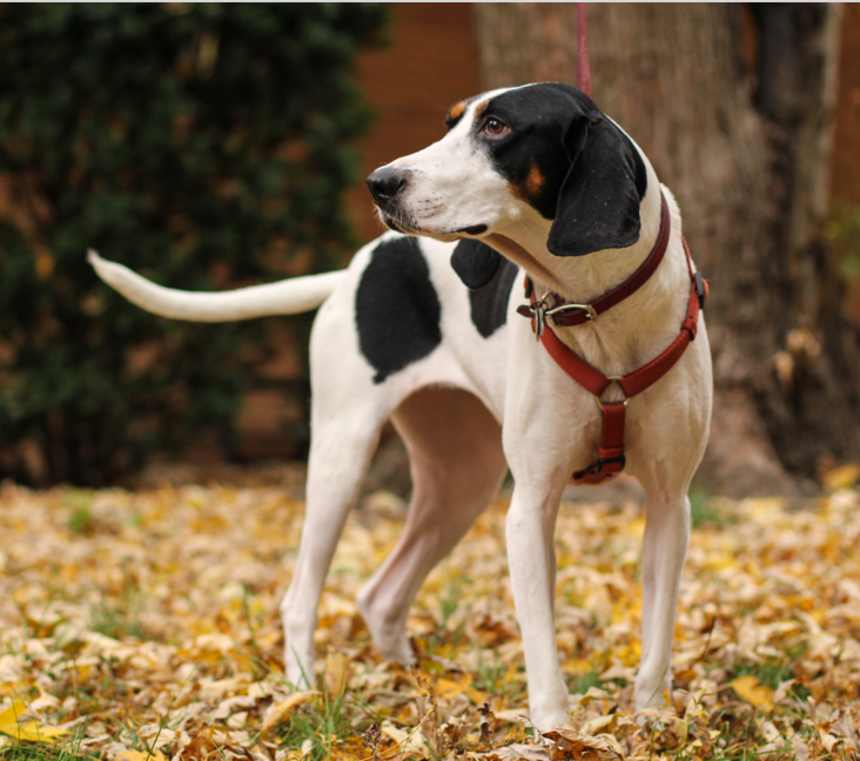
Are hound dogs good for apartments?
Some hounds can live well in apartments, but noise and exercise needs must be considered first. A calm Greyhound may be easier in an apartment than a highly vocal Beagle or Coonhound.
Apartment living may work when the dog receives:
• Daily walks and sniff time
• Training for hallway and door sounds
• Regular mental enrichment
• Enough rest
• Careful management of barking triggers
A large home does not automatically solve barking. A hound with access to a big yard may still bark at wildlife, follow scents, or feel lonely. The quality of the routine matters more than square footage.
Before adopting, listen to the adult dog’s natural voice if possible. Ask a rescue group or breeder how often the dog barks when alone, excited, or outdoors.
When hound barking may signal a problem
Normal vocal behavior has a clear trigger and ends when the situation changes. Problem barking may be sudden, extreme, or linked with distress.
Contact a veterinarian if barking comes with:
• A sudden behavior change
• Restlessness or confusion
• Limping or trouble rising
• Loss of appetite
• Excessive thirst
• Ear scratching
• Signs of pain
• Nighttime confusion in an older dog
Seek professional behavior help when your hound barks for hours, harms itself, cannot settle, or shows aggression. A qualified professional can check health, fear, environment, and training history together.
There is no universal number of “acceptable” barks. The right goal is a safe, calm dog and a home routine that works for both the family and the animal.
Frequently Asked Questions: Do Hound Dogs Bark a Lot?
Do all hound dogs bark a lot?
No. Hound breeds vary widely, and individual dogs vary even more. Scent hounds often bay or howl, while some Greyhounds and quieter individuals may rarely vocalize.
Why do hound dogs bark at night?
Hounds may bark at wildlife, outdoor sounds, scents, loneliness, or changes in their surroundings. Sudden nighttime barking in an older dog can also signal pain or confusion and should be discussed with a veterinarian.
Can you train a hound dog not to bark?
You can reduce unwanted barking, but completely removing vocal behavior is not realistic for most hounds. Reward-based training, trigger management, exercise, and scent work usually work better than punishment.
Are Beagles louder than other hound dogs?
Beagles are often very vocal because they use barking, baying, and howling during scent work. However, a Coonhound, Bloodhound, or Basset Hound may produce a deeper and more powerful voice.
Is barking a sign that a hound dog is unhappy?
Not always. Barking can show excitement, alertness, or interest in a scent. It is more concerning when it comes with fear, panic, destructive behavior, pain, or an abrupt change from normal habits.
How much exercise does a vocal hound need?
The right amount depends on breed, age, health, and temperament. Most hounds need daily movement plus mental work, such as sniff walks, food puzzles, and short training games.
Should I use a bark collar on my hound?
Bark collars are not a good first choice because they may increase fear and do not address the cause of barking. Start with veterinary advice, reward-based training, and changes to the dog’s environment.
Conclusion
Do hound dogs bark a lot? Many do, especially when they smell prey, feel bored, hear a strange sound, or spend too much time alone. Their barking, baying, and howling come from useful hunting traits, so the goal is not to erase their voice. It is to understand the trigger and teach better habits.
Give your hound daily sniff time, mental challenges, calm training, and a steady routine. Track sudden changes, and ask a veterinarian or behavior expert for help when barking seems linked to pain or distress. With patience and the right plan, you can enjoy life with a hound without letting the household become a nonstop chorus. Share your hound’s breed and barking pattern, and explore more reward-based training resources for practical next steps.

Pet Care Writer & Researcher
Daniel writes practical guides on daily care, feeding, and safety, turning complex topics into simple, actionable advice.