What Is The Healthiest Dog Food To Buy: Smart Guide
Find out what is the healthiest dog food to buy, with expert tips on ingredients, nutrition, and choosing the best option for your pet.
The healthiest dog food to buy is a complete, balanced recipe matched to your dog’s age, size, health, and lifestyle.
Choosing the healthiest dog food to buy is less about finding the most expensive bag and more about checking nutrition, safety, and fit. After reviewing pet food labels, veterinary nutrition guidance, and common feeding mistakes, I’ve found that a simple, evidence-based approach works best: start with your dog, then judge the food.
What Makes Dog Food Healthy?
Healthy dog food provides all the nutrients your dog needs in the right amounts. It should support strong muscles, healthy skin, steady energy, digestion, and a healthy immune system.
The healthiest dog food to buy should include a nutritional statement showing that it is “complete and balanced” for your dog’s life stage. This statement means the food meets established nutrient standards set for dogs.
Look for food made for one of these life stages:
• Growth and reproduction for puppies and pregnant or nursing dogs
• Adult maintenance for most healthy adult dogs
• All life stages for food designed to meet both puppy and adult needs
• Senior dogs, when the recipe is suitable for an older dog’s health needs
A healthy recipe should also provide enough protein, fat, vitamins, minerals, and energy. The exact balance matters more than one trendy ingredient.
For example, chicken, beef, lamb, fish, or turkey can all provide useful protein. A food with salmon is not automatically healthier than one with chicken. Your dog’s tolerance, calorie needs, and medical history matter more.
How to Read a Dog Food Label
A dog food label can feel like a wall of small print. You do not need to understand every word to make a smart choice. Focus on the key details first.
1. Find the nutritional adequacy statement
This is one of the most important parts of the package. It should say that the food is complete and balanced for a specific life stage.
Avoid using food labeled only for “intermittent or supplemental feeding” as your dog’s main diet. These products may be useful as treats or toppers, but they may not contain every required nutrient.
2. Check the calorie content
Two foods can look similar but contain very different amounts of calories. The label should list calories per cup, can, or kilogram.
Calorie information helps you avoid overfeeding. Extra weight can increase the risk of joint problems, diabetes, breathing issues, and heart strain.
3. Review the guaranteed analysis
The guaranteed analysis usually lists:
• Crude protein
• Crude fat
• Crude fiber
• Moisture
These numbers are useful, but they do not tell the whole story. A food with higher protein is not automatically the best choice for every dog. A dog with kidney disease, for example, may need a carefully planned diet from a veterinarian.
4. Check the feeding directions
Feeding charts are starting points, not strict rules. Your dog may need more or less food based on age, activity, metabolism, body shape, and health.
Measure meals with a standard measuring cup or kitchen scale. Free-feeding can make weight control much harder.
5. Look for company quality information
A responsible manufacturer should be able to answer questions about:
• Where ingredients come from
• Who formulates the food
• Whether a qualified nutrition expert helps create the recipe
• What quality tests are performed
• How the company handles recalls
The healthiest dog food to buy should come from a company that is open about its process. Clear answers do not guarantee perfection, but silence can be a warning sign.
:strip_icc()/Spruce-best-dog-food-at-walmart-4173197-a02410eb5618412b8495e0eaba6420a8.jpg)
The Best Types of Dog Food
There is no single best format for every dog. Dry food, wet food, fresh food, and prescription diets can all be healthy when properly formulated.
Dry dog food
Dry food is convenient, easy to store, and often less expensive per meal. It can also make portion control simple.
However, dry food is not a substitute for dental care. Kibble alone does not reliably remove plaque from a dog’s teeth. Regular brushing and professional dental care may still be needed.
Wet dog food
Canned food contains more water than dry food. This can help dogs that drink little or need more moisture in their diet.
Wet food may also appeal to picky eaters. The drawbacks include a higher cost, shorter storage life after opening, and the need to measure calories carefully.
Fresh or refrigerated dog food
Fresh food may use gently cooked ingredients and can be appealing to owners who prefer food that looks more like a home-cooked meal. Some fresh diets are complete and balanced, while others are not.
Do not assume that “fresh,” “natural,” or “human-grade” means nutritionally complete. Always check the label for a proper adequacy statement.
Freeze-dried or raw food
Freeze-dried and raw diets can carry risks. Raw meat may contain bacteria such as Salmonella, Listeria, or E. coli. These germs can affect dogs and people, especially young children, older adults, pregnant people, and those with weak immune systems.
Freezing or freeze-drying does not remove every food safety risk. If you choose this type of diet, discuss it with your veterinarian and follow strict handling rules.
Prescription veterinary diets
Prescription diets are made for specific medical needs. They may support dogs with allergies, kidney disease, urinary problems, diabetes, or digestive disorders.
These diets should be used with veterinary guidance. A store-bought food that sounds similar may not provide the same nutrient profile or clinical benefit.
Choosing the Healthiest Dog Food for Your Dog’s Needs
The healthiest dog food to buy depends on your dog’s individual profile. Start by writing down these details:
• Age
• Breed or expected adult size
• Current weight
• Body condition
• Activity level
• Known allergies
• Digestive issues
• Medical conditions
• Current medications
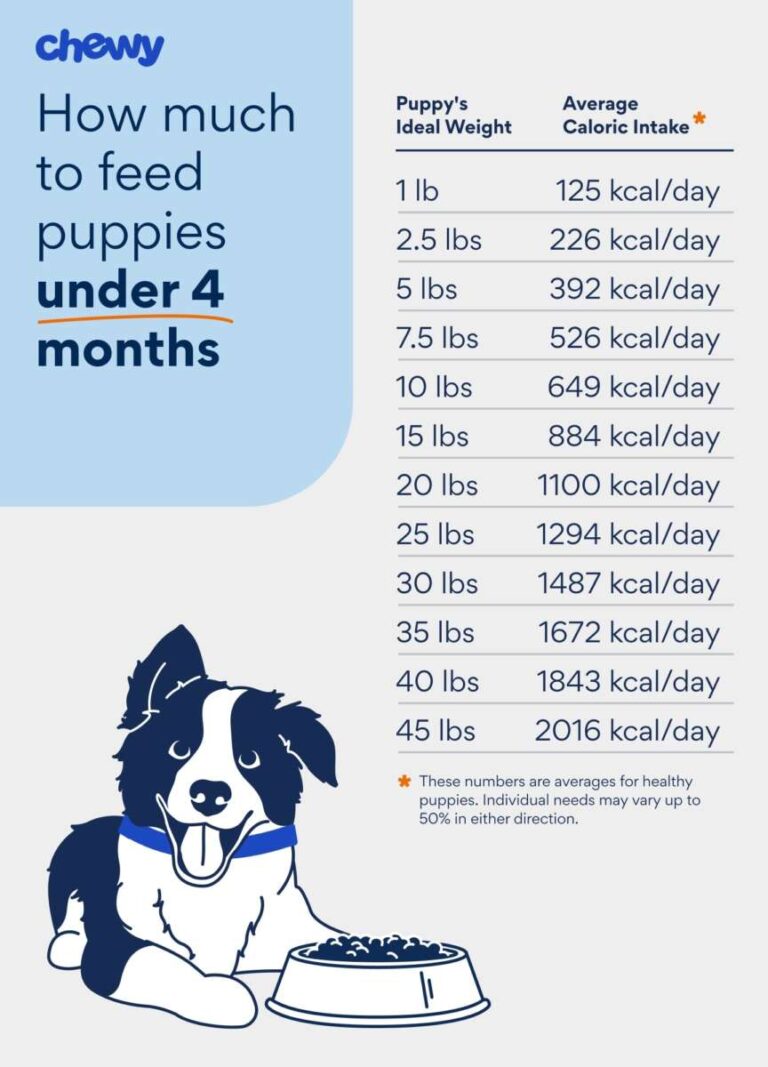
Puppies
Puppies need food that supports fast growth. Large-breed puppies need special attention because excess calories and improper mineral balance can affect bone development.
Choose a food labeled for growth or for all life stages. If your puppy will weigh more than about 50 pounds as an adult, ask your veterinarian about a large-breed puppy formula.
Adult dogs
Most healthy adult dogs do well on a complete and balanced adult maintenance food. Their calorie needs can vary widely.
A working border collie may need far more energy than a small dog who spends most of the day resting. Watch body condition instead of relying only on the feeding chart.
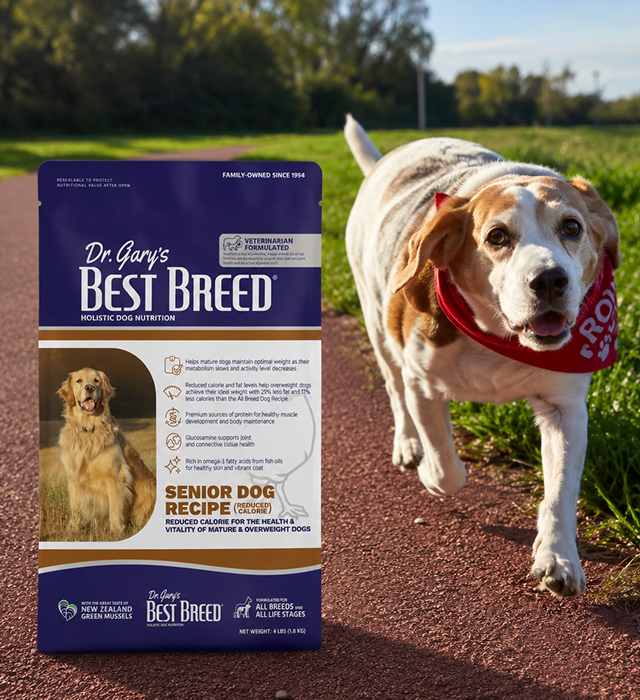
Senior dogs
Older dogs do not all need the same diet. Some need fewer calories, while others lose weight and need more energy or extra support.
A senior dog may also develop kidney, liver, dental, joint, or digestive problems. Ask your veterinarian before making a major diet change, especially if your dog has lost weight or thirst has increased.
Dogs with allergies
True food allergies are less common than many owners think. Dogs may also have environmental allergies, fleas, or skin infections that look like food allergies.
Common food triggers can include beef, dairy, chicken, and wheat, but any protein can cause a reaction. A veterinarian may recommend a controlled elimination diet. Changing foods at random often delays a clear diagnosis.
Overweight dogs
For weight loss, calorie control matters most. Foods marketed as “light” can help, but your dog still needs the correct portion.
Reduce treats, table scraps, and high-calorie chews. A healthy weight allows your dog to move, play, and age more comfortably.
Ingredients: What Should You Look For?
Ingredients are listed by weight before cooking. This detail can make the list look confusing because water-rich ingredients weigh more than concentrated ingredients.
A healthy ingredient list may include:
• A named animal protein, such as chicken, turkey, beef, or salmon
• Whole grains, vegetables, or other carbohydrate sources
• Essential fats
• Vitamins and minerals
• Fiber sources that support digestion
Animal protein can be valuable, but the first ingredient alone does not prove that a food is superior. A recipe is more than its first three ingredients.
By-products are not automatically bad. Organ meats such as liver and heart can provide important nutrients. The word “by-product” does not mean unsafe waste.
Grains are also not automatically harmful. Rice, oats, barley, and corn can provide energy, nutrients, and fiber. Most dogs digest properly cooked grains well.
Be careful with marketing terms such as:
• Natural
• Holistic
• Premium
• Superfood
• No fillers
These terms may sound reassuring, but they do not fully describe nutrient quality. The healthiest dog food to buy should be judged by its complete formula, safety process, and suitability for your dog.
Grain-Free Dog Food: Is It Healthier?
Grain-free food is not automatically healthier. Most dogs can digest grains, and grains can be useful sources of carbohydrates, fiber, fatty acids, and nutrients.
A concern arose after reports of diet-associated heart disease in dogs eating some grain-free diets and diets high in peas, lentils, chickpeas, or potatoes. The relationship is complex and has not been explained in every case.
This does not mean every grain-free food causes heart disease. It does mean you should not choose grain-free food simply because it sounds cleaner or more natural.
If your dog has no diagnosed grain problem, ask your veterinarian whether there is a clear reason to avoid grains. Do not remove major ingredients based only on online trends.
:strip_icc()/sps-tier-3-primary-best-dog-foods-ahuang-019-a2d580d08b3448919fb068d26edfc8e8.jpeg)
How Much Should You Feed Your Dog?
Even the healthiest dog food to buy can cause problems when served in excess. Calories matter more than the size of the bowl.
Use this simple process:
-
Start with the food label’s daily recommendation.
-
Divide the daily amount into meals.
-
Count treats and chews as part of the daily calories.
-
Check your dog’s weight and body shape every two to four weeks.
-
Adjust portions slowly when needed.
A dog at a healthy weight should have ribs that are easy to feel but not sharply visible, except in naturally lean breeds. From above, you should see a waist. From the side, the abdomen should slope upward behind the ribs.
Treats should generally provide no more than 10 percent of daily calories. Small pieces of a regular diet can work well as training rewards.
Changing Your Dog’s Food Safely
A sudden food change can lead to loose stools, gas, vomiting, or refusal to eat. Transition gradually over about seven days.
Try this schedule:
• Days 1 and 2: 75 percent old food and 25 percent new food
• Days 3 and 4: 50 percent old food and 50 percent new food
• Days 5 and 6: 25 percent old food and 75 percent new food
• Day 7: 100 percent new food
Some dogs need two weeks or more. Go slower if your dog has a sensitive stomach.
One mistake I often see is changing food, treats, supplements, and chews all at once. If the dog develops diarrhea, the cause becomes hard to identify. Change one thing at a time when possible.
Contact a veterinarian if your dog has repeated vomiting, bloody diarrhea, severe weakness, dehydration, or refuses food. Puppies, seniors, and dogs with chronic disease need faster attention.

Common Dog Food Buying Mistakes
Many well-meaning owners make the same errors. Avoiding them can improve your dog’s health without spending more money.
Choosing by price alone
Cheap food is not always poor quality, and expensive food is not always better. Price can reflect packaging, marketing, ingredients, manufacturing, or retailer costs.
Judge the food by its nutrition statement, calories, company standards, and fit for your dog.
Trusting marketing more than evidence
Words such as “ancestral,” “detox,” and “immune boosting” can sound powerful. They do not replace proof that the diet is complete and balanced.
Feeding too much
Overfeeding is one of the most common diet problems. A few extra bites each day can add up over months.
Adding many supplements
A complete diet usually does not need a long list of supplements. Too much vitamin D, calcium, or certain minerals can be harmful.
Ask your veterinarian before adding fish oil, joint products, vitamins, or herbal products.
Making homemade food without a recipe
Home-cooked diets can work, but they must be carefully balanced. Meat and rice alone do not provide all the nutrients a dog needs.
Use a recipe created for your dog by a board-certified veterinary nutrition specialist. Follow it exactly, including supplements.
A Practical Checklist for Buying Dog Food
Use this checklist in the store or while shopping online:
• Is the food complete and balanced?
• Is it made for your dog’s life stage?
• Does it provide clear calorie information?
• Can your dog digest it well?
• Does the company explain its quality control?
• Is the protein suitable for your dog?
• Can you feed the correct portion?
• Does your veterinarian support the choice?
• Is the food available consistently?
• Does your dog maintain a healthy weight on it?
The healthiest dog food to buy is one you can feed safely and consistently. A food that works well for your dog is usually a better choice than a fashionable food that causes digestive trouble or weight gain.
Frequently Asked Questions About the Healthiest Dog Food to Buy
What is the healthiest dog food to buy for most dogs?
The healthiest dog food to buy for most dogs is a complete and balanced recipe made for their life stage. Choose a product from a transparent manufacturer and adjust the portion to maintain a healthy body weight.
Is wet food healthier than dry food for dogs?
Neither type is always healthier. Wet food provides more moisture, while dry food is convenient and often easier to measure; both can support good health when nutritionally complete.
Should dogs eat grain-free food?
Most dogs do not need a grain-free diet. Grain-free food may be appropriate in limited cases, but discuss the choice with your veterinarian because some grain-free and legume-heavy diets have been linked with reports of heart disease.
What ingredients should I avoid in dog food?
Avoid foods that are not complete and balanced for regular feeding, products with unclear instructions, and diets that your dog cannot tolerate. Do not reject an ingredient only because of its name; the full nutrient profile and your dog’s response matter more.
Is expensive dog food better?
Expensive dog food is not automatically better. A moderately priced food can be an excellent choice if it is complete, balanced, safe, calorie-appropriate, and suitable for your dog.
Can dogs eat homemade food every day?
Dogs can eat homemade food every day only when the recipe is properly balanced for their needs. Meat, rice, and vegetables alone usually do not provide enough essential vitamins and minerals.
Conclusion
The healthiest dog food to buy is not the one with the loudest label or highest price. It is a complete and balanced diet that matches your dog’s age, size, activity, health, and calorie needs.
Read the nutritional statement, check calories, measure portions, and watch your dog’s body condition. Avoid sudden diet changes, treat marketing claims carefully, and ask your veterinarian for help when allergies, chronic disease, or weight problems are involved.
Use this guide the next time you shop, compare two suitable foods, and choose the one your dog can thrive on. For more practical pet nutrition guidance, explore trusted veterinary resources or share your dog’s feeding experience in the comments.

Pet Care Writer & Researcher
Daniel writes practical guides on daily care, feeding, and safety, turning complex topics into simple, actionable advice.