What Type Of Food Does Dog Eat: Best Feeding Guide
What type of food does dog eat? Learn the best diet choices, healthy ingredients, feeding tips, and foods to avoid for a happy, healthy pet.
Dogs eat complete, balanced food made from animal protein, healthy fats, carbohydrates, vitamins, and minerals.
Knowing what type of food does dog eat is more than choosing between kibble and canned food. A dog’s age, size, health, activity level, and food sensitivities all affect the best diet. This guide explains the main dog food types, safe human foods, feeding habits, portion tips, and common mistakes so you can make a smart choice with confidence.
:max_bytes(150000):strip_icc()/11-human-foods-dogs-can-eat-and-5-they-shouldnt-color01-18549b5534c4402b8641c1c60d33b9b2.jpg)
What Type of Food Does Dog Eat?
Dogs can eat several types of food, as long as the diet is safe, complete, and suitable for their needs. Most healthy dogs do well on commercial food that meets recognized nutritional standards.
The main choices include:
• Dry dog food, also called kibble
• Wet or canned dog food
• Fresh, gently cooked dog food
• Freeze-dried or dehydrated food
• Carefully planned homemade diets
• Veterinary prescription diets for specific health needs
The best option is not always the most expensive one. A simple diet with the right nutrients can support a dog better than a costly food that does not match its age or health.
Dogs are omnivores. This means they can use nutrients from both animal and plant sources. Still, dogs need a diet that provides enough protein, fat, vitamins, minerals, and water.
Look for a statement on the package that says the food is complete and balanced for your dog’s life stage. In the United States, this statement usually follows standards set by the Association of American Feed Control Officials, or AAFCO.

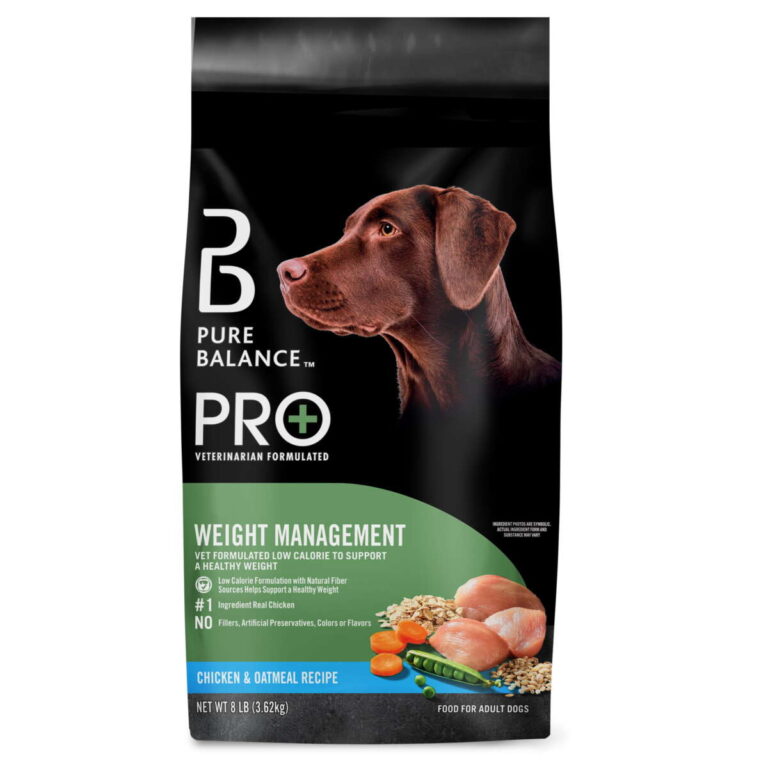
Dry Dog Food: Kibble
Dry dog food is one of the most common answers to the question, “What type of food does dog eat?” Kibble is easy to store, simple to measure, and often less costly than other choices.
Good dry food can provide complete nutrition. It may also help reduce some surface plaque through chewing, although kibble alone does not replace tooth brushing or professional dental care.
When choosing kibble, check these points:
• The food is complete and balanced for the correct life stage.
• The label clearly lists feeding directions.
• The company has qualified nutrition experts and strong quality checks.
• The food suits your dog’s size, activity, and health needs.
• The package includes a clear ingredient list and contact information.
Kibble is not automatically better because it contains grains, and it is not automatically worse because it contains grains. Most dogs can digest properly cooked grains. Grain-free food is usually not needed unless a veterinarian identifies a specific reason.
Some dogs find dry food boring or hard to chew. Adding a small amount of warm water can soften it and improve its smell. However, softened food should not sit out for long because moisture allows bacteria to grow.
:strip_icc()/people-food-for-puppies-2804770-hero-58d5ffa7c4784604b5088d8fcf41fed7.jpg)
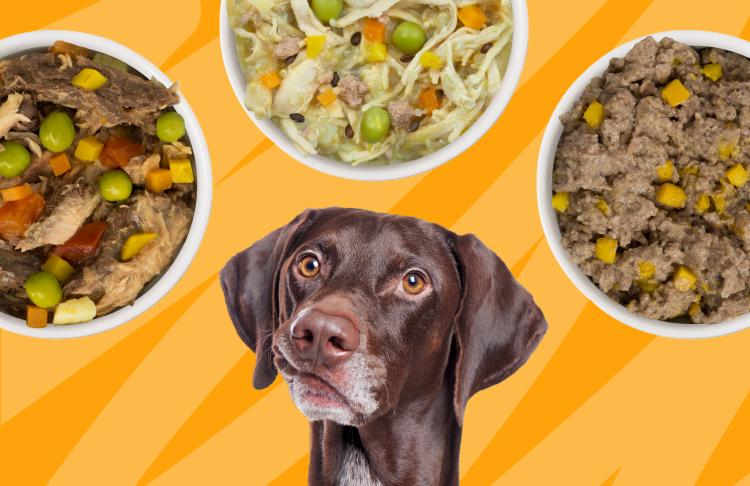
Wet and Canned Dog Food
Wet dog food contains more water than kibble. This makes it useful for dogs that drink little, have dental pain, or prefer soft textures.
Canned food often smells stronger, which can help picky eaters. It can also make meals easier for older dogs with sore teeth. The main limitation is that wet food costs more per calorie and spoils faster after opening.
After opening a can, cover it and refrigerate it. Use it within the time stated on the label or by your veterinarian. Throw away food that has been left at room temperature for several hours.
When comparing wet food, compare calories rather than the number of cans. A small can may contain fewer calories than a cup of dry food. Feeding the wrong amount can slowly lead to weight gain.
Wet food can be fed alone or mixed with kibble. If you mix the two, reduce the amount of kibble so the total meal still matches your dog’s calorie needs.
Fresh, Cooked, Freeze-Dried, and Dehydrated Food
Fresh dog food is usually gently cooked and kept chilled or frozen. It may use ingredients such as meat, rice, vegetables, and added vitamins and minerals.
Freeze-dried and dehydrated foods remove water from the ingredients. Some are ready to serve, while others need water added first. These foods can be useful for travel, but they may cost more than standard kibble.
The key question is not whether food looks fresh. The key question is whether it is complete and balanced. A meal that looks healthy may still lack calcium, iodine, vitamin D, or other vital nutrients.
Read the preparation directions carefully. Some freeze-dried products are complete diets, while others are only meal toppers. A topper should not replace a full meal unless a veterinary nutrition professional confirms that it is balanced.
Fresh food also needs safe handling. Wash your hands, clean bowls, keep chilled food cold, and avoid leaving meals out for long periods.
Homemade Food for Dogs
Homemade food can be part of a dog’s diet, but it should not be planned by guesswork. Meat and rice may look balanced, yet this simple mix often lacks important nutrients.
A properly designed homemade diet usually needs exact amounts of:
• Animal or plant protein
• Fat
• Calcium
• Essential fatty acids
• Vitamins and minerals
• Calories
A veterinary nutritionist can create a recipe for your dog’s age, weight, breed, and medical needs. Follow the recipe closely. Swapping ingredients or skipping supplements can change the nutritional balance.
Homemade diets may help in special cases, such as a confirmed food allergy or a medical condition. They can also help owners control ingredients. However, they require time, careful measuring, and safe storage.
One mistake I often see in feeding discussions is treating “natural” as a synonym for “complete.” Natural ingredients can still create an incomplete diet. Think of nutrition like building a house: meat may be the walls, but vitamins and minerals are the wiring and foundation.
Can Dogs Eat Human Food?
Some human foods are safe for dogs in small portions. They should be plain, cooked, and free from harmful seasonings.
Safer choices include:
• Plain cooked chicken or turkey without bones
• Lean cooked beef
• Cooked eggs
• Plain pumpkin
• Carrots
• Green beans
• Apple pieces without seeds or core
• Blueberries
• Plain rice
• Plain oatmeal
Treats and table food should usually stay under 10% of daily calories. The remaining calories should come from a complete and balanced dog food.
Avoid foods that can poison or harm dogs:
• Chocolate and cocoa
• Grapes and raisins
• Onions, garlic, and chives
• Xylitol, a sweetener found in some gum and baked goods
• Alcohol
• Caffeine
• Macadamia nuts
• Raw yeast dough
• Cooked bones
• Very fatty or heavily seasoned foods
If your dog eats a dangerous food, contact a veterinarian or animal poison service right away. Do not wait for symptoms to appear.
How Much Food Should a Dog Eat?
The right amount depends on body weight, age, activity, metabolism, and health. Package feeding charts provide a starting point, but they are not perfect for every dog.
Two dogs of the same weight may need different portions. A young working dog may burn far more calories than a calm older dog.
Use these steps to find a practical feeding amount:
-
Start with the package guide for your dog’s ideal weight.
-
Measure each meal with a standard measuring cup or kitchen scale.
-
Count treats, chews, toppers, and table scraps.
-
Check your dog’s body shape every two to four weeks.
-
Adjust portions slowly if weight changes.
A healthy dog should have a visible waist when viewed from above. You should be able to feel the ribs under a thin layer of fat, but the ribs should not sharply protrude.
Puppies, pregnant dogs, nursing dogs, and highly active dogs need special feeding plans. Puppies also need food made for growth, while adult dogs need food made for maintenance.
Feeding Puppies, Adult Dogs, and Senior Dogs
Life stage affects what type of food does dog eat and how much nutrition the dog needs.
Puppies
Puppies need more calories and key nutrients for growth. Choose food labeled for puppies or for all life stages. Large-breed puppies may need diets with controlled calcium and energy levels to support steady bone growth.
Young puppies often eat three or four small meals each day. As they grow, most can move to two meals daily under veterinary guidance.
Adult Dogs
Adult dogs need food for maintenance. Their diet should support a healthy body weight, strong muscles, skin, and normal digestion.
Many adult dogs do well with two meals a day. Regular meal times can make it easier to notice changes in appetite or digestion.
Senior Dogs
Senior dogs may need fewer calories but still need high-quality protein. Some need diets that support joints, kidneys, heart health, or dental comfort.
There is no single diet for every senior dog. A veterinary checkup can help determine whether a change in food is useful.
Raw Food Diets: Benefits and Risks
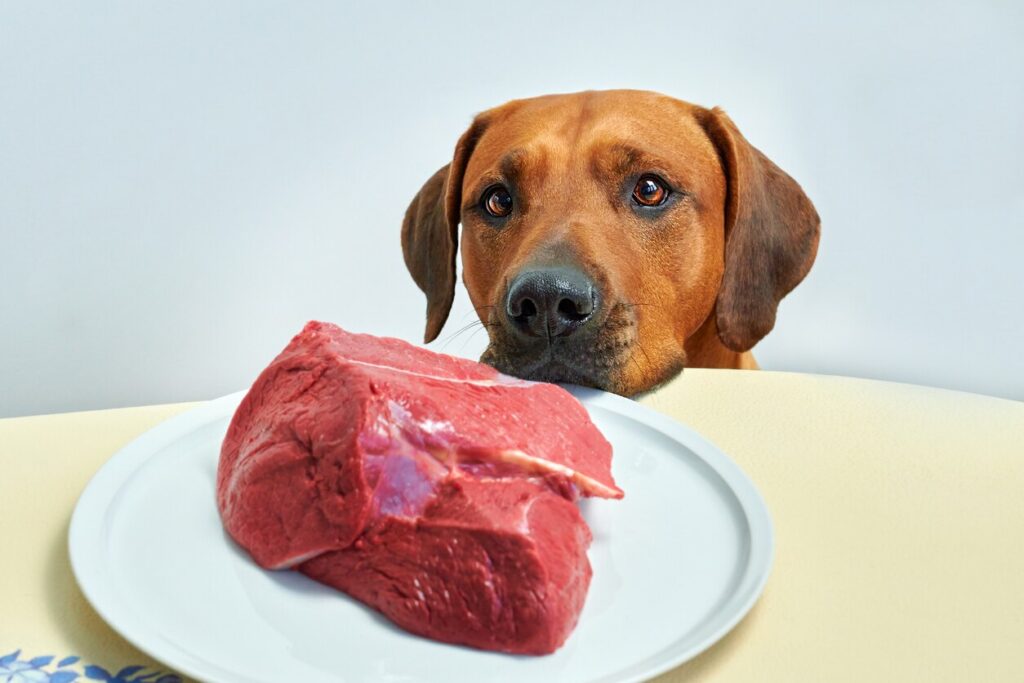
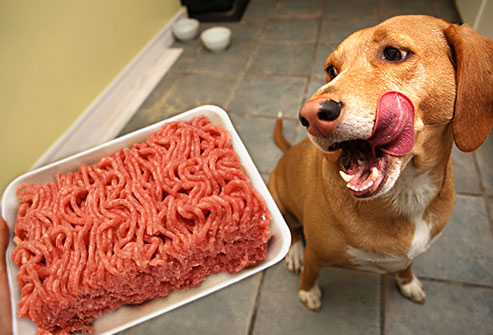
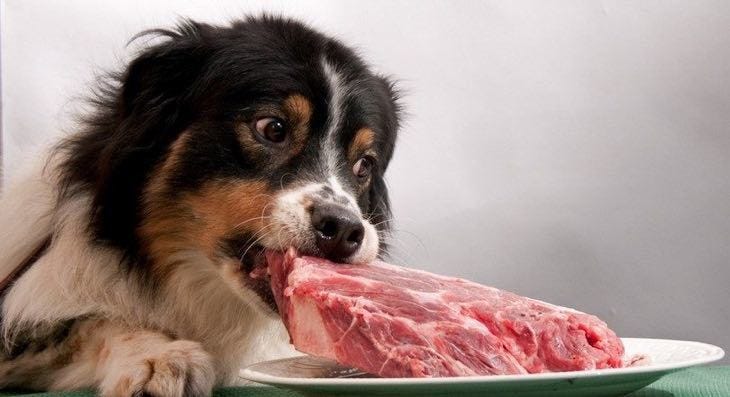
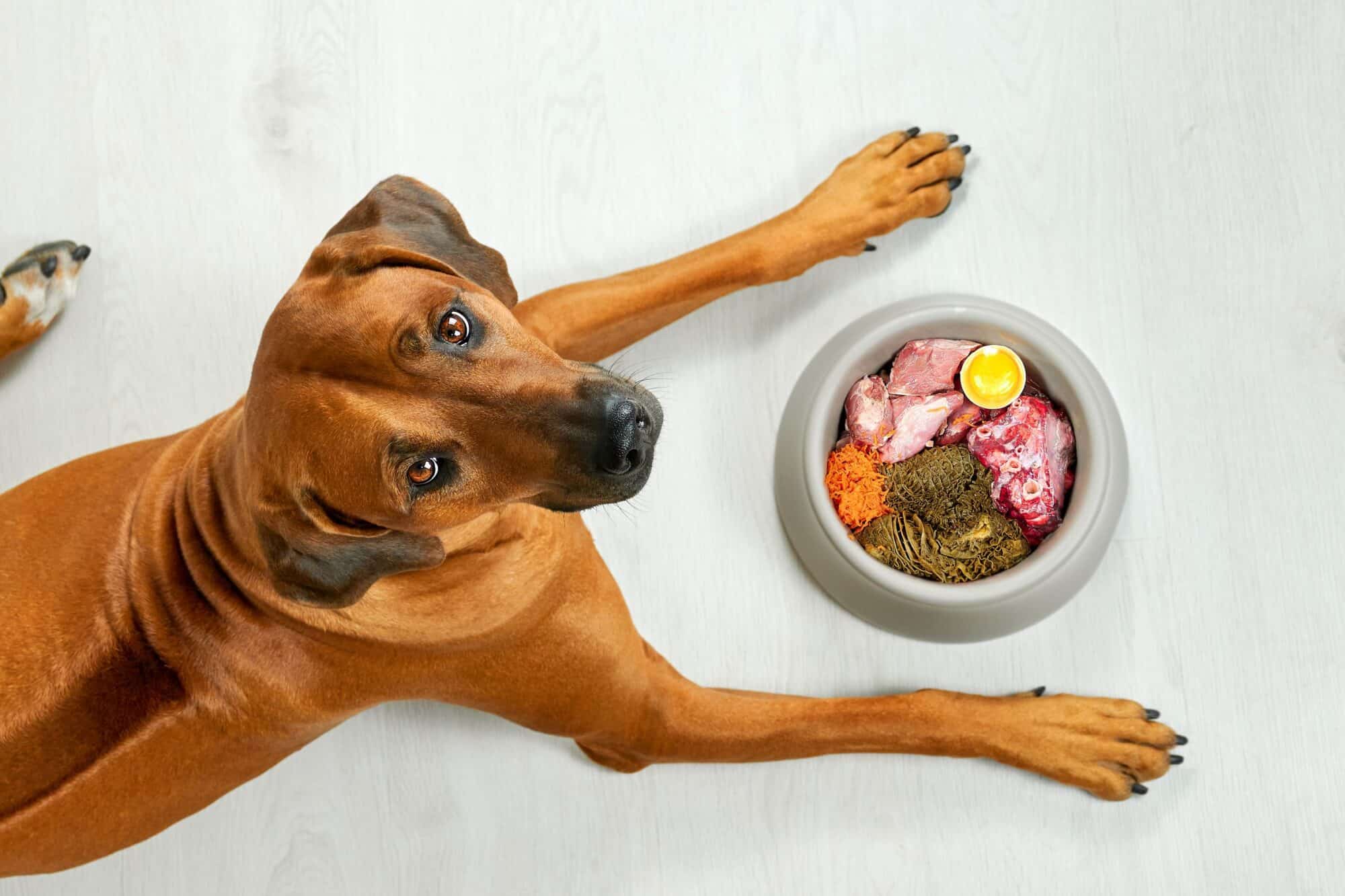
Raw diets may include uncooked meat, bones, organs, eggs, or vegetables. Some owners choose them because they prefer less processed food or believe raw meals reflect a dog’s natural past.
However, raw diets carry risks. Uncooked meat can contain bacteria such as Salmonella, E. coli, or Listeria. These germs can affect dogs and people, especially children, older adults, pregnant people, and those with weak immune systems.
Raw bones may break teeth or cause choking, blockage, or digestive injury. Raw diets can also become nutritionally incomplete if they are not carefully formulated.
Major veterinary and public health groups warn about the food safety and nutrition risks of raw feeding. If you are considering a raw diet, discuss it with a veterinarian or a board-certified veterinary nutritionist first.
Freezing meat does not remove every harmful germ. Good kitchen hygiene lowers risk, but it does not make raw food risk-free.
How to Change Your Dog’s Food Safely
A sudden diet change can cause vomiting, loose stool, gas, or refusal to eat. Most dogs do better with a gradual transition over about seven days.
Try this simple plan:
-
Days 1 and 2: Feed about 75% old food and 25% new food.
-
Days 3 and 4: Feed about 50% old food and 50% new food.
-
Days 5 and 6: Feed about 25% old food and 75% new food.
-
Day 7: Feed the new food alone if your dog is doing well.
Sensitive dogs may need a slower change. If vomiting continues, your dog has repeated diarrhea, or your dog stops eating, contact a veterinarian.
Do not change food during a stressful event unless necessary. Moving, boarding, illness, and travel can already affect digestion.
Common Dog Feeding Mistakes to Avoid
Even caring owners can make feeding errors. Small mistakes can become serious when repeated every day.
Avoid these common problems:
• Giving too many treats
• Measuring food by eye
• Switching diets too quickly
• Feeding cooked bones
• Sharing greasy leftovers
• Assuming every “premium” food is complete
• Ignoring changes in thirst, appetite, stool, or weight
• Leaving food out all day for a dog that overeats
• Using supplements without veterinary advice
One practical habit helps greatly: keep a simple feeding record. Write down the food brand, portion, treats, stool quality, weight, and any symptoms. This record can help your veterinarian find patterns faster.
If your dog has diabetes, kidney disease, pancreatitis, allergies, or another medical condition, diet changes should be guided by a veterinarian.
Frequently Asked Questions About What Type of Food Does Dog Eat
What type of food does dog eat every day?
Most dogs can eat a complete and balanced commercial diet made for their life stage. This may be dry kibble, wet food, fresh cooked food, or a combination of these options.
Can dogs eat only dry food?
Yes, many dogs can eat only complete and balanced dry food. They still need constant access to clean water, and some dogs may benefit from wet food for hydration or easier chewing.
Is homemade food better for dogs?
Homemade food is not automatically better. It can work well when a veterinary nutritionist creates the recipe and the owner follows it accurately, including required supplements.
Can dogs eat meat every day?
Dogs can eat plain, cooked meat as part of a balanced diet. Meat alone does not provide every nutrient a dog needs, so it should not replace complete dog food unless the full diet is professionally formulated.
Are grains safe for dogs?
Most dogs can safely eat properly cooked grains such as rice, oats, and barley. Grain-free food is not needed for most dogs, and diet choices should be based on individual health needs.
How often should a dog eat?
Many adult dogs do well with two meals per day. Puppies may need three or four meals, while some medical conditions require a different schedule recommended by a veterinarian.
What food should dogs never eat?
Dogs should never eat chocolate, grapes, raisins, onions, garlic, xylitol, alcohol, caffeine, macadamia nuts, or raw yeast dough. Cooked bones and very fatty foods can also cause serious problems.
Conclusion
The answer to what type of food does dog eat depends on the dog, not just the label on the bag. A complete and balanced diet that fits your dog’s age, size, activity, health, and taste is usually the best starting point.
Dry food, wet food, fresh food, and carefully prepared homemade diets can all work when they provide the right nutrients. Feed measured portions, introduce changes slowly, limit treats, and ask your veterinarian for help when your dog has special needs.
Start by checking your dog’s current food label and body condition today. Then choose one practical improvement, such as measuring meals or replacing unsafe table scraps, and explore trusted veterinary nutrition resources for your next step.

Pet Care Writer & Researcher
Daniel writes practical guides on daily care, feeding, and safety, turning complex topics into simple, actionable advice.