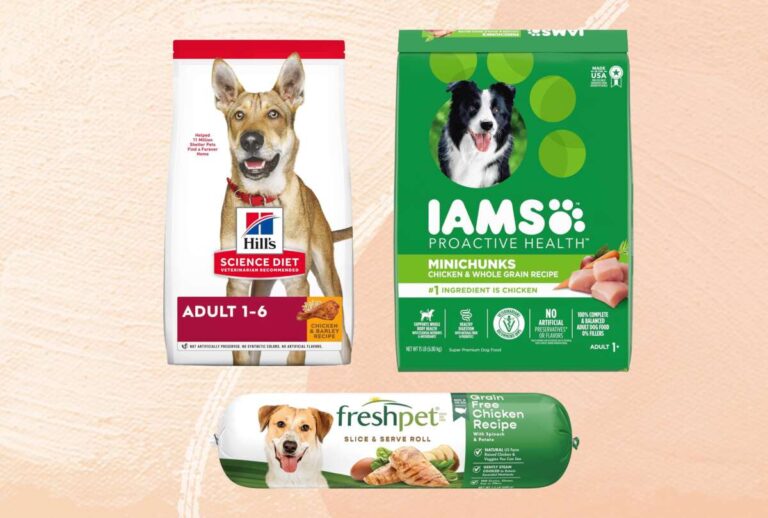
What Is The Healthiest Dog Food In The World: Guide
Learn what is the healthiest dog food in the world, compare quality ingredients, and choose a nutritious diet that supports your dog’s long-term health.
The healthiest dog food in the world is a complete, balanced diet made for your dog’s age, size, health, and lifestyle.
There is no single food that suits every dog. The healthiest dog food in the world depends on nutrient quality, safety, digestibility, and your pet’s unique needs. This guide explains how to choose wisely, read labels, compare diets, avoid marketing traps, and build a feeding plan that supports a long, active life.
What Makes Dog Food Healthy?
The healthiest dog food in the world must provide all essential nutrients in the right amounts. Dogs need protein, fat, carbohydrates, vitamins, minerals, water, and essential fatty acids. However, the best balance changes with age, breed size, activity, and health.
A healthy dog food should meet established nutritional standards for the correct life stage. Look for a label that says the food is “complete and balanced” for growth, adult maintenance, or all life stages. This statement means the food has passed recognized nutrient standards or feeding tests.
Good dog food should also be safe and easy for your dog to digest. A long ingredient list does not always mean better food. In fact, some simple recipes offer excellent nutrition when they use the right ingredients and are carefully formulated.
Key signs of a strong diet include:
• A named animal protein, such as chicken, turkey, beef, lamb, fish, or egg
• A suitable level of protein and fat for your dog
• Essential nutrients, including calcium, phosphorus, zinc, copper, and vitamins
• Omega-3 fatty acids from fish oil or another tested source
• Clear feeding directions
• Quality control and company contact information
• Nutritional adequacy for your dog’s life stage
The healthiest dog food in the world is not always the most expensive food. Price can reflect ingredients, testing, packaging, or marketing. It does not guarantee that a formula is right for your dog.
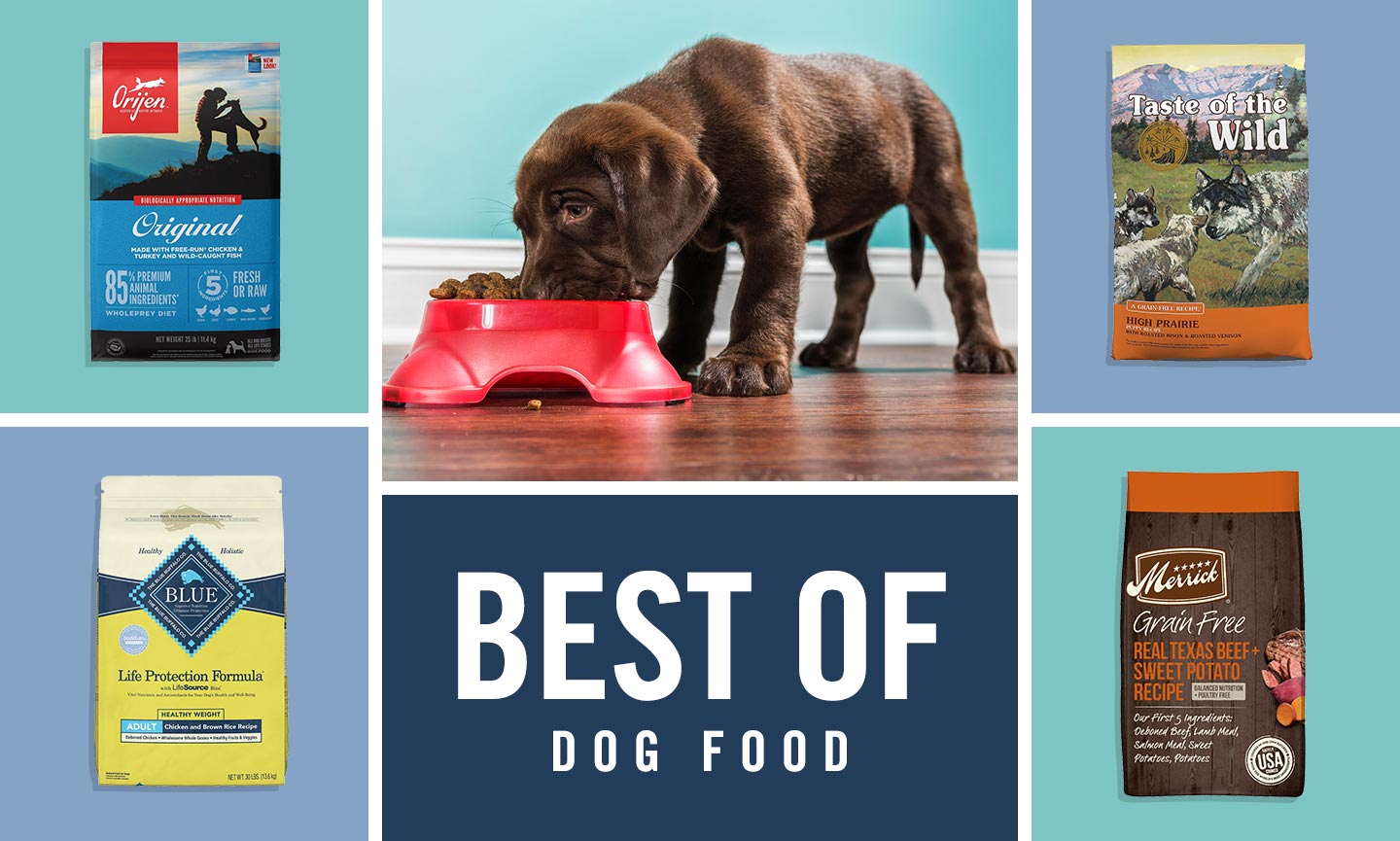
The Best Ingredients for a Healthy Dog Diet
Ingredients matter, but they must be judged as part of the full recipe. Dogs can use nutrients from animal and plant foods. What matters most is the final nutrient profile and how well your dog does on the food.
Protein
Protein supports muscles, skin, organs, hormones, enzymes, and immune function. Puppies, active dogs, and pregnant dogs often need more protein than older or less active dogs.
Choose foods that list clear protein sources. Examples include:
• Chicken
• Turkey
• Beef
• Fish
• Lamb
• Eggs
• Animal meals, such as chicken meal or fish meal
Meat meals are not automatically poor ingredients. A named meal can be a concentrated source of protein because much of its water has been removed.
Healthy fats
Fat provides energy and helps the body absorb vitamins A, D, E, and K. It also supports skin, coat, brain, and immune health.
Useful fat sources include fish oil, chicken fat, flaxseed, and named animal fats. Fish oil can provide EPA and DHA, two omega-3 fats that may support the skin, joints, brain, and heart.
Carbohydrates and fiber
Carbohydrates can provide energy and support digestion. Dogs do not need a specific grain, but many dogs digest grains well. Rice, oats, barley, corn, and wheat can be safe and useful when properly cooked and included in a balanced recipe.
Fiber supports regular bowel movements and healthy gut bacteria. Sources may include beet pulp, pumpkin, peas, carrots, chicory root, or other plant fibers.
Vitamins and minerals
A balanced diet must contain the right levels of calcium, phosphorus, iron, iodine, copper, selenium, and other nutrients. Too little or too much can cause health problems.
This is one reason homemade diets can be risky. A bowl of meat and rice may look wholesome, but it can lack calcium, iodine, vitamin D, or other key nutrients.
:strip_icc()/Iamsdogfood-261c2fbb59e24851a097cad5be8dec77.jpeg)
Dry, Wet, Fresh, Raw, or Homemade: Which Is Healthiest?
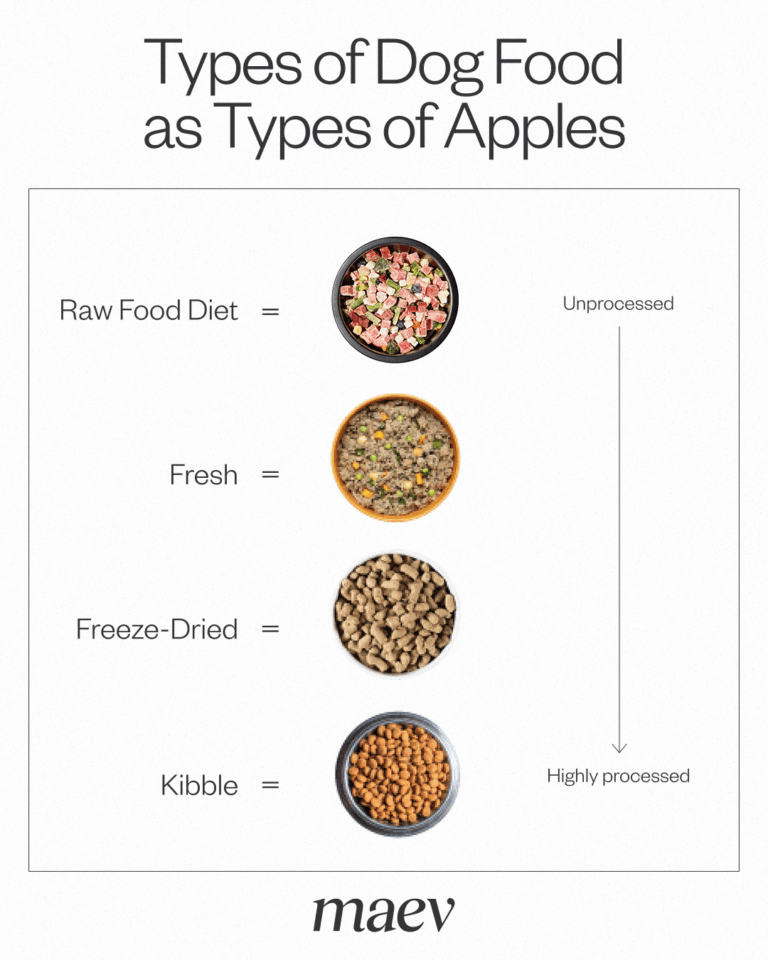
The healthiest dog food in the world can come in several forms. Dry kibble, canned food, fresh food, and properly prepared homemade diets can all work when they are complete and balanced.
Dry dog food
Dry food is convenient, affordable, easy to store, and simple to measure. Many high-quality dry foods include animal protein, fiber, vitamins, and minerals in a tested formula.
Dry food does not clean teeth by itself. Some dental diets may reduce plaque because of their texture, but ordinary kibble is not a replacement for brushing or professional dental care.
Wet dog food
Wet food contains more water than dry food. This can help dogs that drink little, have dental pain, or need a softer meal. It may also appeal to picky eaters.
The main drawbacks are higher cost, shorter storage after opening, and the need to measure calories carefully. Wet food can be more calorie-dense than it appears.
Fresh and gently cooked food
Fresh food may use visible meats, vegetables, grains, and supplements. It can be a good choice when the recipe is complete and balanced and the company follows strong safety controls.
Do not assume that “fresh” means nutritionally complete. Ask whether the recipe was created or reviewed by a qualified veterinary nutrition professional and whether the finished food is tested.
Raw food
Raw diets are popular, but they carry risks. Uncooked meat may contain bacteria such as Salmonella, Listeria, or E. coli. These germs can affect dogs and people, especially children, older adults, pregnant people, and anyone with a weak immune system.
Freezing does not remove every risk. Bones can also break teeth or cause choking and intestinal injury. Current veterinary guidance generally recommends careful consideration before feeding raw food.
Homemade food
A homemade diet can work under professional guidance. It should use a recipe designed for your dog, not a general internet recipe.
The safest approach is to work with a board-certified veterinary nutritionist. Use a kitchen scale, follow the recipe exactly, and avoid making frequent ingredient swaps.
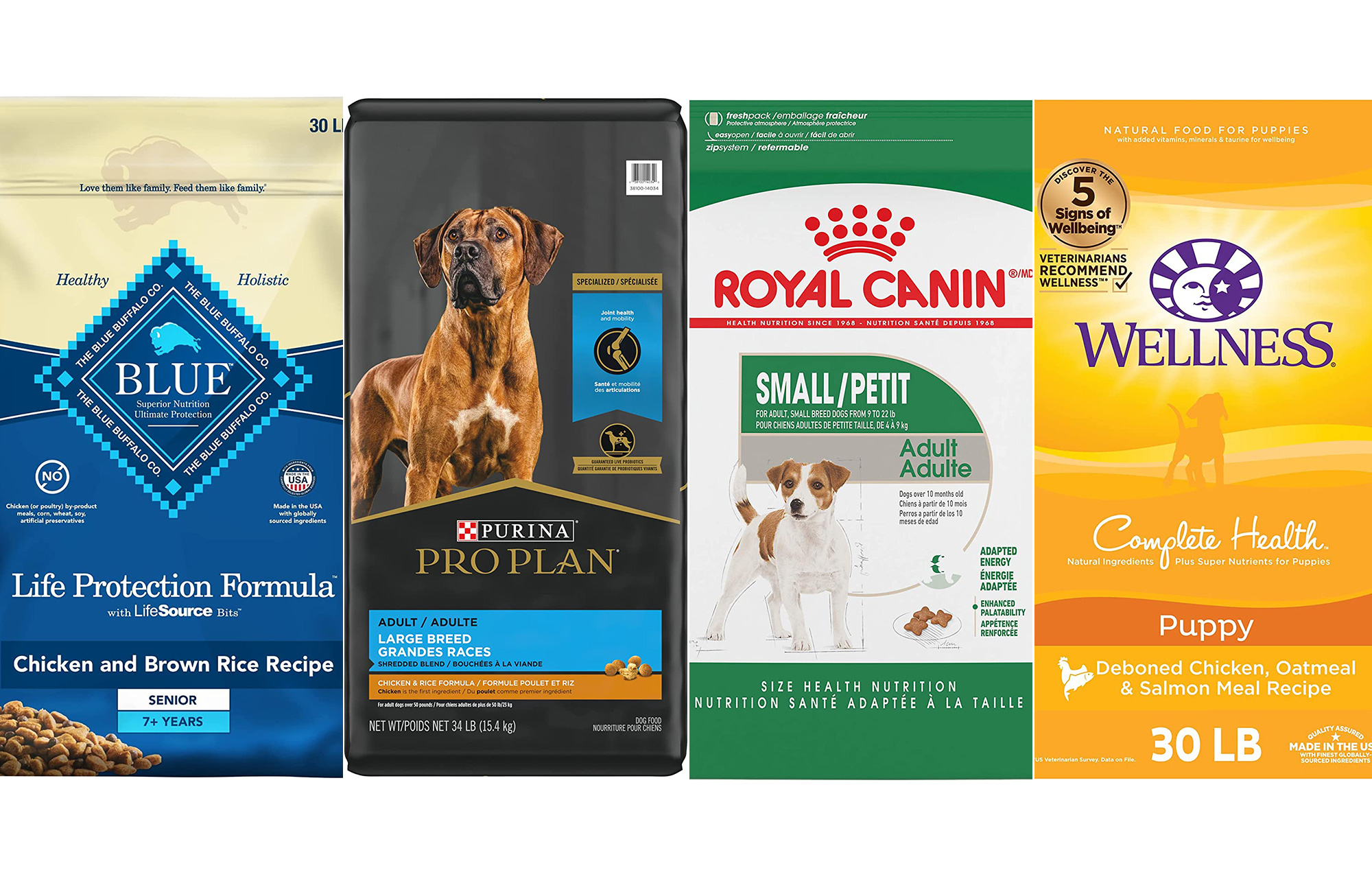
How to Read a Dog Food Label
Learning to read the label is one of the best ways to find the healthiest dog food in the world. Marketing words often attract attention, but the nutritional adequacy statement gives more useful information.
Check these parts of the package:
1. Nutritional adequacy statement
Find language showing that the food is complete and balanced for a specific life stage. A puppy needs a growth diet. An adult dog usually needs an adult maintenance diet.
Large-breed puppies need food made for controlled growth. Excess calcium or calories can harm developing bones.
2. Calorie content
Calories are usually listed as kilocalories per cup, can, or kilogram. Feeding amounts on the package are only a starting point.
Adjust portions based on body condition, weight changes, activity, and treats. Two dogs of the same weight may need different calories.
3. Ingredient list
Ingredients appear by weight before cooking. Ingredients with more water may appear higher on the list than dry ingredients. This means the first ingredient alone cannot prove that a food is superior.
Look for clear ingredient names and a formula that matches your dog’s needs. Avoid judging food by one ingredient or one trendy claim.
4. Guaranteed analysis
This section lists minimum crude protein and crude fat, plus maximum crude fiber and moisture. It helps you compare products, but it does not show the full quality of the recipe.
For a fair comparison between wet and dry food, moisture must be considered. A veterinarian or pet nutrition expert can help with dry-matter calculations.
5. Manufacturer details
A trustworthy company should provide clear contact information and answer questions about nutrient testing, manufacturing, and quality control. Transparency matters more than flashy packaging.
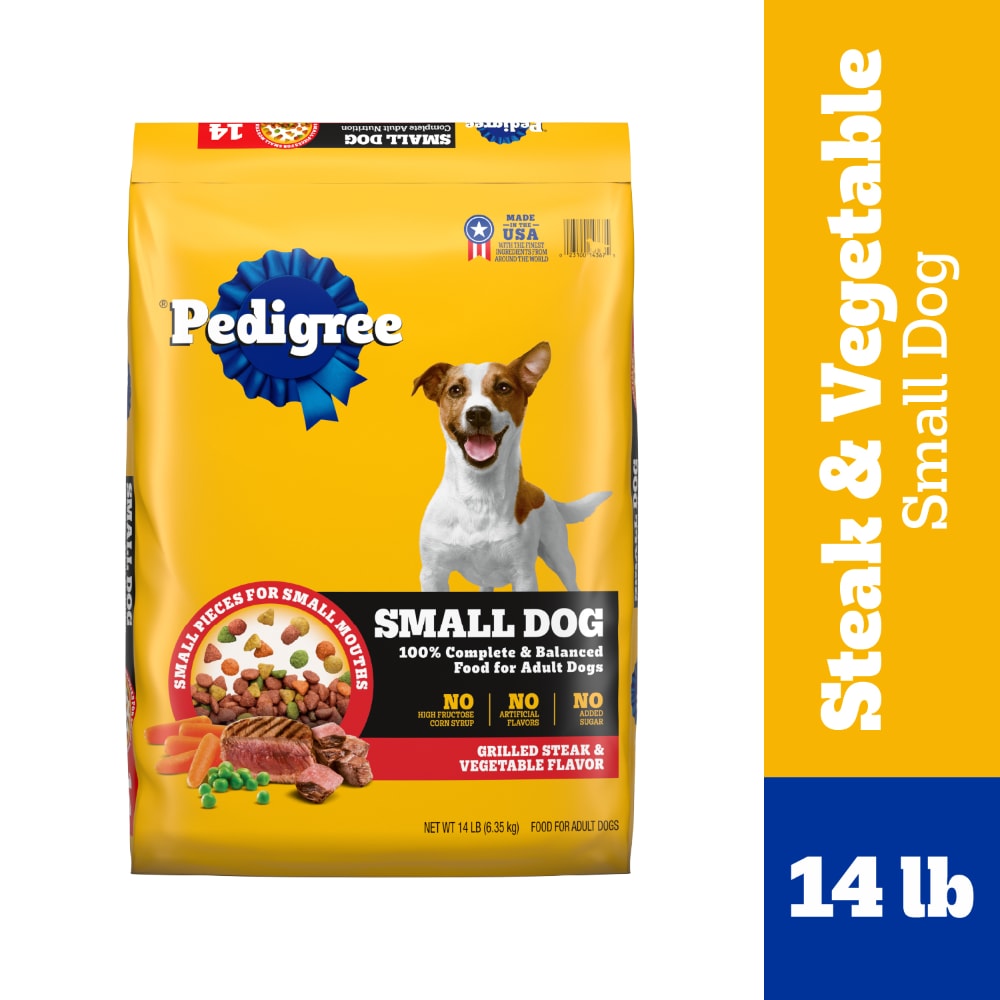
How to Choose the Healthiest Dog Food for Your Dog
The healthiest dog food in the world for one dog may cause problems for another. Start with your dog, not the label.
Consider age
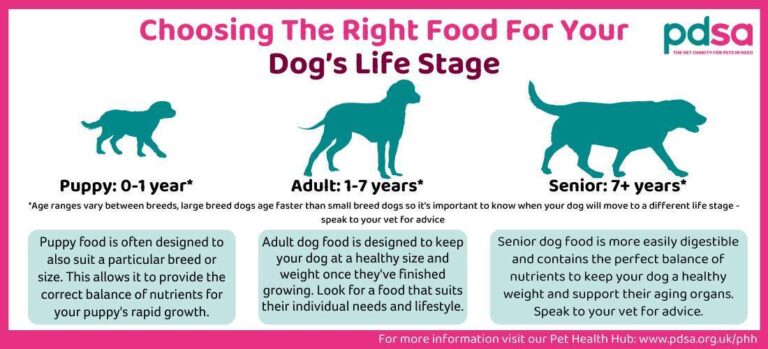
Puppies need nutrients for growth. Adult dogs need maintenance nutrition. Senior dogs may need fewer calories, though not every senior dog needs a special formula.
Large-breed puppies need extra care because rapid growth can stress developing joints. Choose a food labeled for large-breed growth when appropriate.
Consider size and activity
A working dog may need more calories than a quiet companion dog. Small breeds may need smaller kibble and more calories per pound. Large breeds may benefit from formulas that support joint health and steady growth.
Watch body condition rather than relying only on the scale. You should be able to feel your dog’s ribs under a thin layer of fat, and the waist should be visible from above.
Consider health conditions
Dogs with kidney disease, diabetes, pancreatitis, allergies, urinary problems, or digestive disease may need veterinary diets. These diets often control specific nutrients in ways that ordinary food cannot.
Do not change a therapeutic diet without veterinary advice. A well-meaning food switch can make a medical problem worse.
Consider allergies and intolerances
True food allergies are less common than many owners think. Common triggers include beef, dairy, chicken, and wheat, but any protein can cause a reaction.
Signs may include itchy skin, repeated ear infections, vomiting, diarrhea, or excessive licking. A proper elimination diet under veterinary guidance is more reliable than random food changes.
Consider your dog’s response
Your dog’s stool, coat, energy, weight, appetite, and comfort offer useful clues. A good diet usually produces firm stools, stable weight, healthy skin, and normal energy.
Still, these signs do not replace veterinary care. Some illnesses cause few early symptoms.
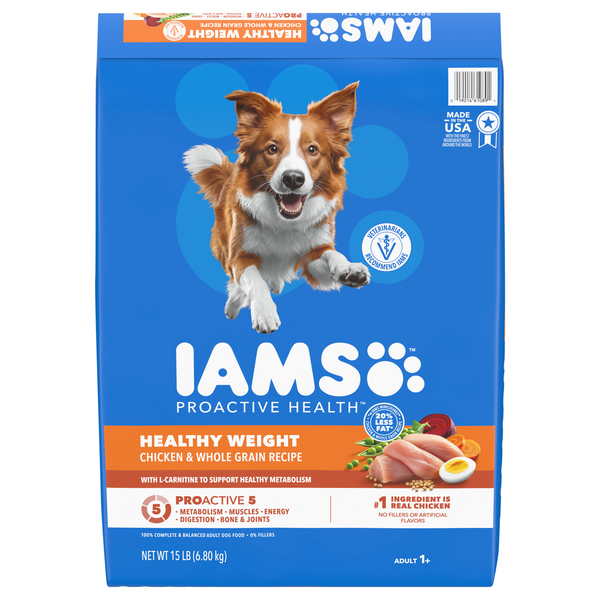
Foods and Claims to Treat With Caution
Many food claims sound impressive but can confuse pet owners. The healthiest dog food in the world should be selected by evidence, not fear or fashion.
Be cautious with these claims:
• “Human-grade” does not automatically mean complete and balanced
• “Natural” has no single meaning that proves superior nutrition
• “Premium” and “holistic” may be marketing terms
• “Grain-free” is not automatically healthier
• “By-product” does not always mean low quality
• “No fillers” can create fear around useful ingredients
Grain-free diets deserve special care. Grains are not required for every dog, but they are safe and nutritious for many dogs. Some grain-free foods use large amounts of peas, lentils, chickpeas, or potatoes.
Veterinary researchers have investigated a possible link between some diets and canine dilated cardiomyopathy. The issue is complex, and no single ingredient explains every case. Talk with your veterinarian before choosing a grain-free diet without a medical reason.
Also avoid foods with toxic ingredients. Dogs should not eat chocolate, grapes, raisins, onions, garlic, xylitol, alcohol, or large amounts of macadamia nuts.
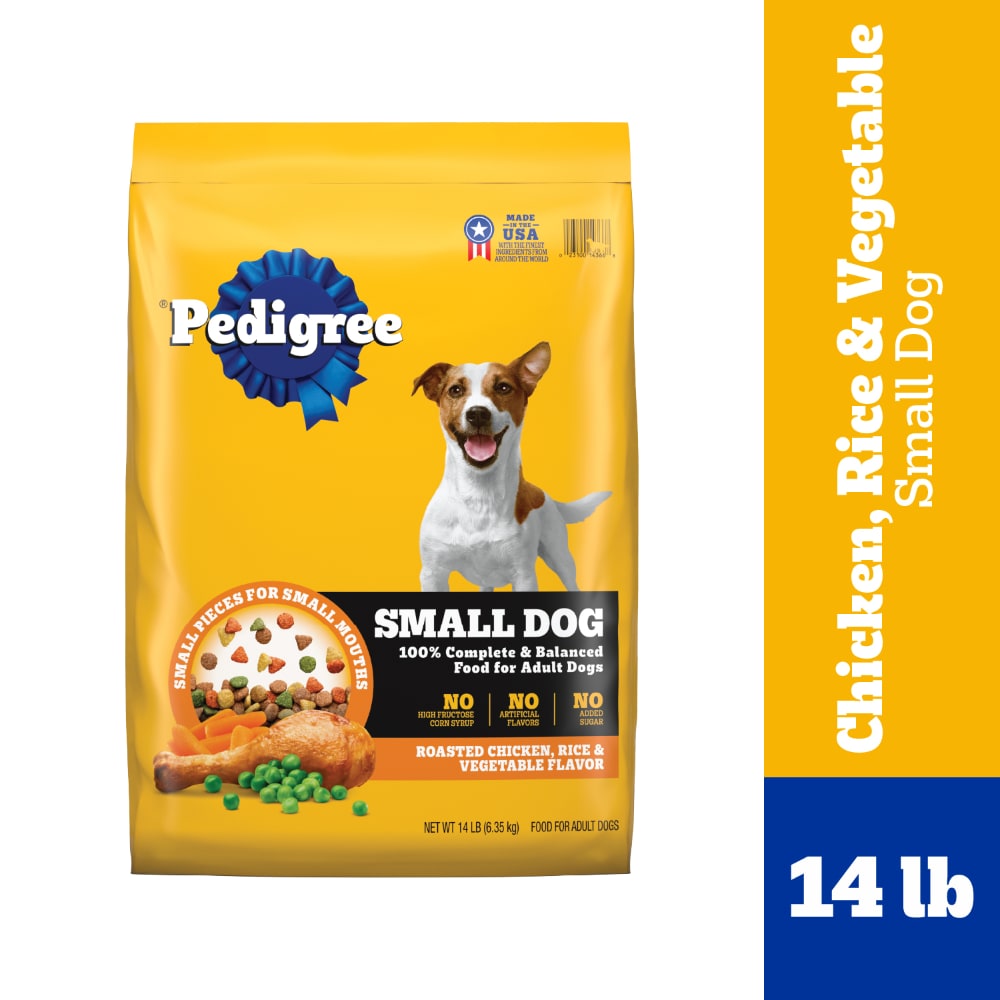
Common Feeding Mistakes to Avoid
Even the healthiest dog food in the world can cause problems when fed in the wrong amount or handled poorly.
Overfeeding
Extra calories can lead to obesity. Obesity increases the risk of arthritis, diabetes, breathing problems, heart strain, and reduced quality of life.
Measure meals with a standard cup or, better yet, a kitchen scale. “Just one more scoop” adds up quickly.
Too many treats
Treats should usually provide no more than 10 percent of daily calories. The remaining 90 percent should come from a complete and balanced diet.
Small pieces of cooked lean meat, carrots, or commercial treats can work. Reduce meal portions when treats increase.
Changing food too fast
A sudden switch can cause diarrhea or vomiting. Change food over about seven days:
-
Feed mostly the old food with a small amount of the new food.
-
Slowly increase the new food over several days.
-
Return to a slower transition if your dog develops loose stool.
Dogs with sensitive stomachs may need an even slower change.
Ignoring storage and hygiene
Keep dry food in its original bag inside a cool, dry place. Seal the bag well and wash food bowls often. Refrigerate opened wet food and follow the package storage guidance.
Wash your hands after handling raw meat or raw pet food. Clean preparation surfaces to reduce the risk of spreading bacteria.
Trusting online advice alone
Pet forums can offer helpful experiences, but they cannot diagnose your dog. A recipe that helped one dog may harm another.
When symptoms continue, seek veterinary care rather than trying one food after another.

A Practical Way to Find the Right Food
Choosing the healthiest dog food in the world becomes easier when you use a simple process.
-
Write down your dog’s age, weight, breed size, activity level, and medical history.
-
Ask your veterinarian whether your dog needs a special nutrient profile.
-
Select a complete and balanced food for the correct life stage.
-
Compare calories per cup, can, or serving.
-
Review the company’s quality control and nutrition information.
-
Introduce the new food gradually.
-
Track body weight, stool quality, appetite, coat, and energy.
-
Recheck the plan after two to four weeks.
One practical lesson is worth remembering: do not change food based on one bad stool or one attractive advertisement. Look for patterns. In everyday feeding, consistency makes it much easier to understand what helps or harms your dog.
If your dog refuses food, vomits repeatedly, has bloody diarrhea, loses weight, or becomes very tired, contact a veterinarian promptly.
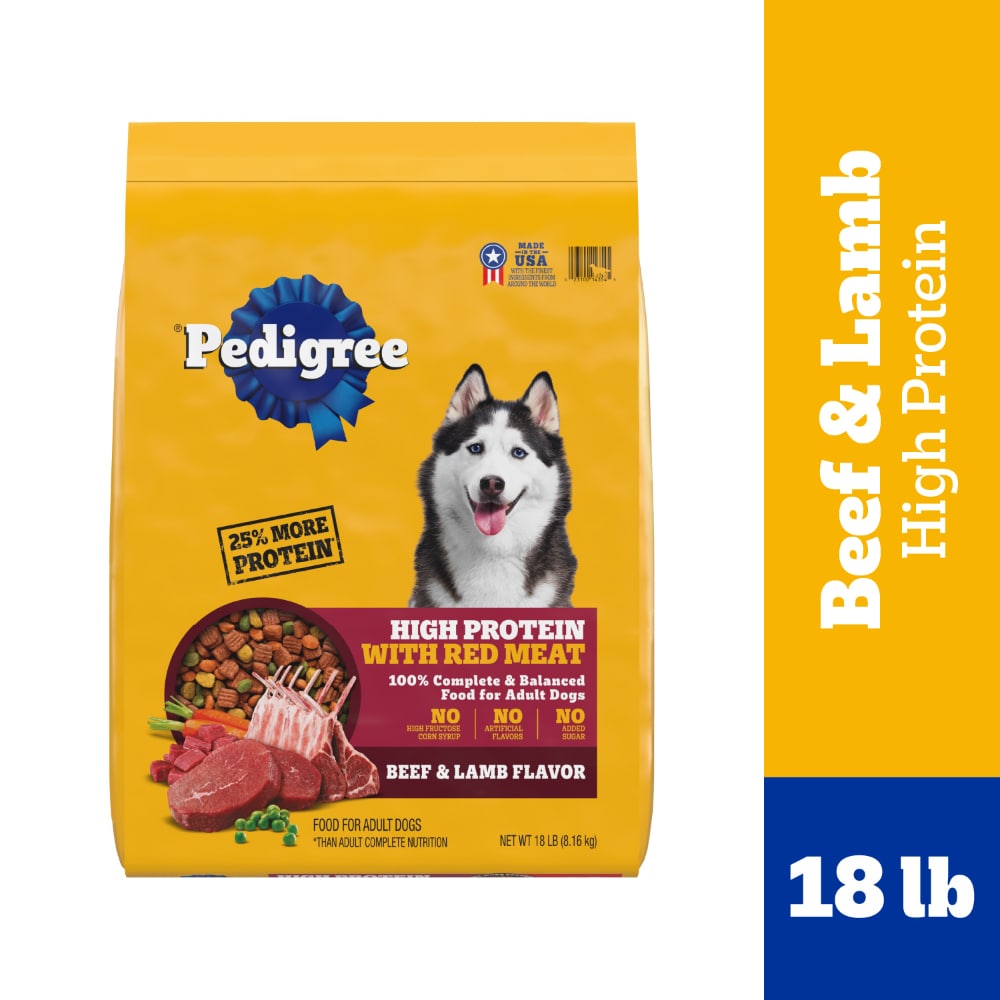
Is Expensive Dog Food Always Better?
The healthiest dog food in the world is not defined by its price. Expensive food may include carefully sourced ingredients or advanced testing, but a moderately priced food can also meet high nutritional standards.
Focus on these factors:
• Nutritional adequacy
• Calorie control
• Digestibility
• Safety testing
• Manufacturer transparency
• Suitability for your dog
A costly food that causes diarrhea is not a good choice for that dog. A less expensive food that supports healthy weight, firm stools, energy, and a shiny coat may be the better option.
Your veterinarian can help you compare foods without relying on brand reputation alone.
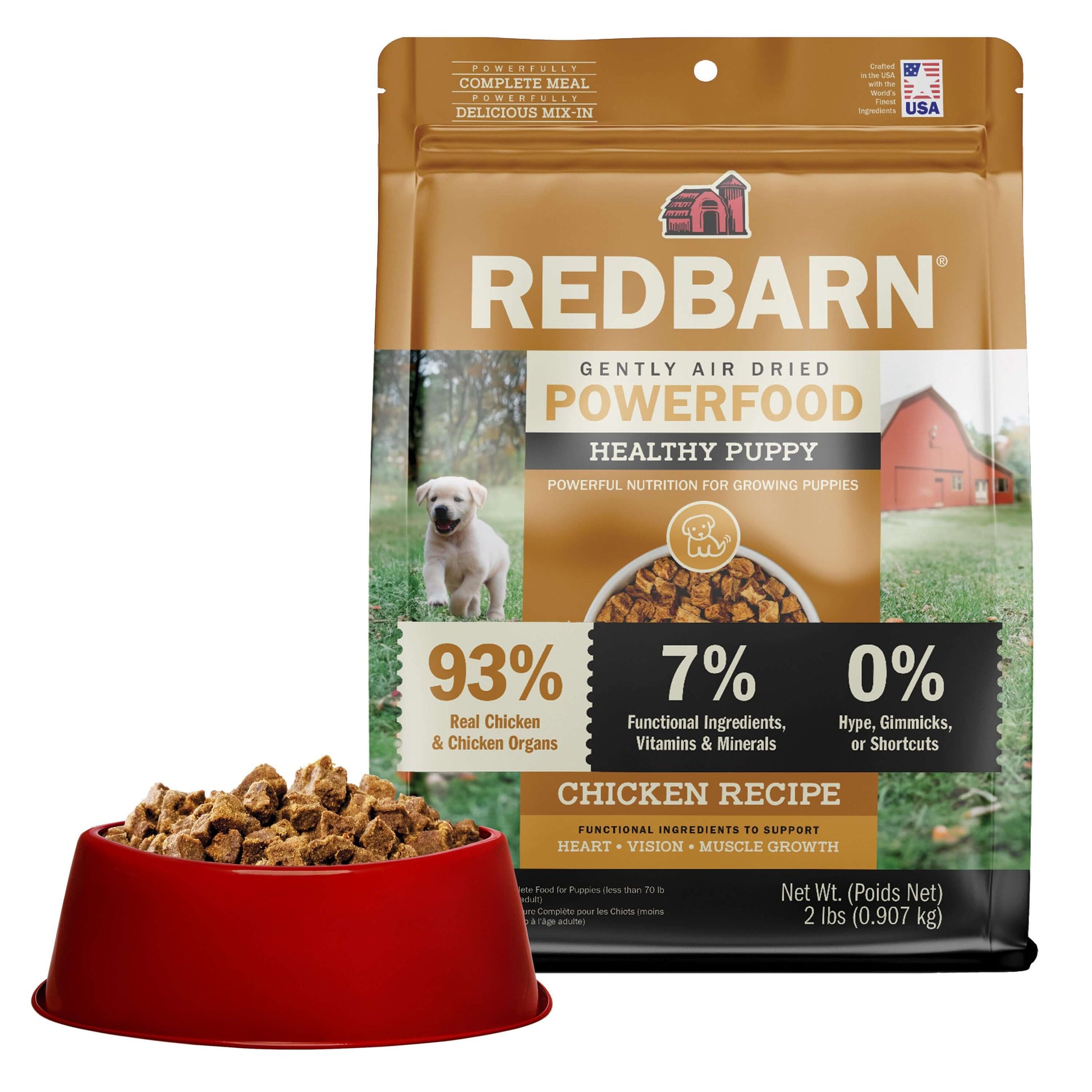
Frequently Asked Questions About the Healthiest Dog Food in the World
What is the healthiest dog food in the world for most dogs?
The healthiest dog food in the world for most dogs is a complete and balanced formula made for their life stage and calorie needs. Choose a food from a company with strong quality control, then monitor your dog’s weight, stool, skin, and energy.
Is wet food healthier than dry dog food?
Neither is always healthier. Wet and dry foods can both provide excellent nutrition when they are complete and balanced, although wet food offers more water and dry food is often easier to store and measure.
Is grain-free food the healthiest dog food in the world?
No. Grain-free food is not automatically healthier, and most dogs do not need to avoid grains. Discuss grain-free diets with your veterinarian, especially because some diet-related heart concerns have been investigated.
Can dogs eat homemade food every day?
Dogs can eat homemade food every day only when the recipe is complete and balanced for their needs. Work with a veterinary nutrition professional because simple meat-and-rice recipes often lack important vitamins and minerals.
How do I know if my dog’s food is working?
Healthy signs include stable weight, firm stools, normal appetite, good energy, and healthy skin and coat. Ongoing itching, vomiting, diarrhea, weight loss, or low energy calls for veterinary advice.
How often should I change my dog’s food?
You do not need to change food if your dog is healthy and doing well on a complete and balanced diet. If a change is needed, transition slowly over about seven days unless your veterinarian gives different advice.
Conclusion
The healthiest dog food in the world is the food that is safe, complete, balanced, suitable for your dog, and fed in the right amount. Look beyond labels such as “natural,” “premium,” or “grain-free.” Check the nutritional adequacy statement, calorie content, company transparency, and your dog’s real response.
Start with your veterinarian, make changes slowly, and track simple signs such as weight, stool, appetite, energy, and skin health. Use this guide to compare options with confidence, and share your questions or feeding experience with a trusted pet professional.

Pet Care Writer & Researcher
Daniel writes practical guides on daily care, feeding, and safety, turning complex topics into simple, actionable advice.