What Is The Best Nutritional Dog Food: Healthy Picks
What is the best nutritional dog food? Compare key ingredients, healthy formulas, and expert tips to choose the right meal for your dog.
The best nutritional dog food is complete, balanced, life-stage appropriate, and made with safe, quality ingredients.
Choosing the best nutritional dog food is not about finding the most expensive bag or the trendiest ingredient list. It means matching your dog’s food to their age, size, health, activity, and personal needs. This guide explains how to read pet food labels, compare diets, avoid common marketing traps, and make a choice supported by veterinary nutrition guidance.
What Is the Best Nutritional Dog Food?
The best nutritional dog food is one that provides complete and balanced nutrition for your dog’s specific life stage. It should contain the right levels of protein, fat, vitamins, minerals, and essential nutrients.
A good food should also be safe, digestible, and suitable for your dog’s health. A young puppy, an active adult, and an older dog may all need different nutrition.
The best nutritional dog food is not the same for every dog. Think of it like shoes: the best pair depends on the person wearing them. Your dog’s ideal food depends on their body, lifestyle, and medical history.
Look for these key qualities:
• A complete and balanced nutritional statement
• Appropriate calories for your dog’s size and activity
• High-quality protein from clearly named sources
• Proper nutrition for your dog’s life stage
• Safe manufacturing and quality control
• Good digestion, healthy stool, and steady body weight
• A food your dog enjoys and can eat without problems
The Association of American Feed Control Officials, commonly called AAFCO, sets nutritional profiles used on many dog food labels in the United States. A food that meets an AAFCO nutritional standard is generally a stronger choice than one that only uses vague claims such as “natural” or “premium.”
How to Choose the Best Nutritional Dog Food
Start with your dog, not the marketing on the package. A bright label may show fresh meat and vegetables, but it does not tell you whether the food is balanced or right for your pet.
Use this simple process when comparing foods.
1. Check the nutritional adequacy statement
The nutritional adequacy statement is one of the most important parts of a dog food label. It should explain whether the food is complete and balanced for:
• Growth
• Maintenance
• All life stages
• A specific health need, when prescribed by a veterinarian
For most healthy adult dogs, choose a food labeled complete and balanced for adult maintenance. Puppies need food made for growth. Large-breed puppies may need special nutrient levels to support steady bone development.
2. Match the food to your dog’s life stage
Life stage affects calorie needs, protein needs, mineral balance, and feeding amounts.
Puppy food supports growth and development. Adult food helps maintain a healthy weight and strong muscles. Senior food may contain fewer calories, more fiber, or added nutrients, although there is no single senior diet that suits every older dog.
Pregnant or nursing dogs have special needs. They often need a food designed for growth or all life stages, but your veterinarian should guide the choice.
3. Consider your dog’s activity level
A working dog may need more calories than a relaxed house dog. An active Border Collie, hunting dog, or agility dog can burn energy quickly. A less active dog may gain weight on the same food.
Calorie needs can vary even among dogs of the same breed. Watch your dog’s body condition, energy, stool, and weight instead of relying only on the feeding chart.
4. Choose a suitable protein source
Protein helps build and repair muscles, skin, hair, and other tissues. Named animal proteins such as chicken, turkey, beef, lamb, fish, or egg are common in dog food.
Dogs can also use plant proteins. However, the total diet must provide the right amount and balance of essential amino acids. The ingredient list alone cannot show the full nutritional value of the food.
5. Review calories and feeding amounts
Two foods may look similar but contain very different calorie levels. Check the label for calories per cup, can, or gram.
Feeding charts are starting points, not strict rules. Measure meals with a standard cup or kitchen scale, then adjust based on your dog’s weight and body shape.
What Ingredients Should Good Dog Food Contain?
A quality dog food can contain many different ingredients. The most important question is whether the complete recipe supplies balanced nutrition.
Protein
Protein supports muscle, organs, immune function, skin, and coat health. Puppies, active dogs, and pregnant dogs may need more protein than many adult dogs.
A named protein near the start of the ingredient list can be a useful sign, but ingredients are listed by weight before cooking. Meat contains water, so its position can change after processing.
Fat
Fat provides concentrated energy and helps the body absorb vitamins A, D, E, and K. It also supports the skin, coat, brain, and normal cell function.
Look for named fat sources such as chicken fat, fish oil, or sunflower oil. Omega 3 fatty acids from fish oil may support skin, coat, and joint health, but the right amount depends on the full diet.
Carbohydrates and fiber
Dogs can digest cooked carbohydrates. Rice, oats, barley, potatoes, peas, and other carbohydrate sources can provide energy and help form kibble.
Fiber supports bowel health and stool quality. Too much fiber, however, may reduce calorie density or cause digestive upset in some dogs.
Vitamins and minerals
Dogs need many vitamins and minerals in precise amounts. Calcium and phosphorus help support bones, while zinc, copper, iodine, and selenium support other body systems.
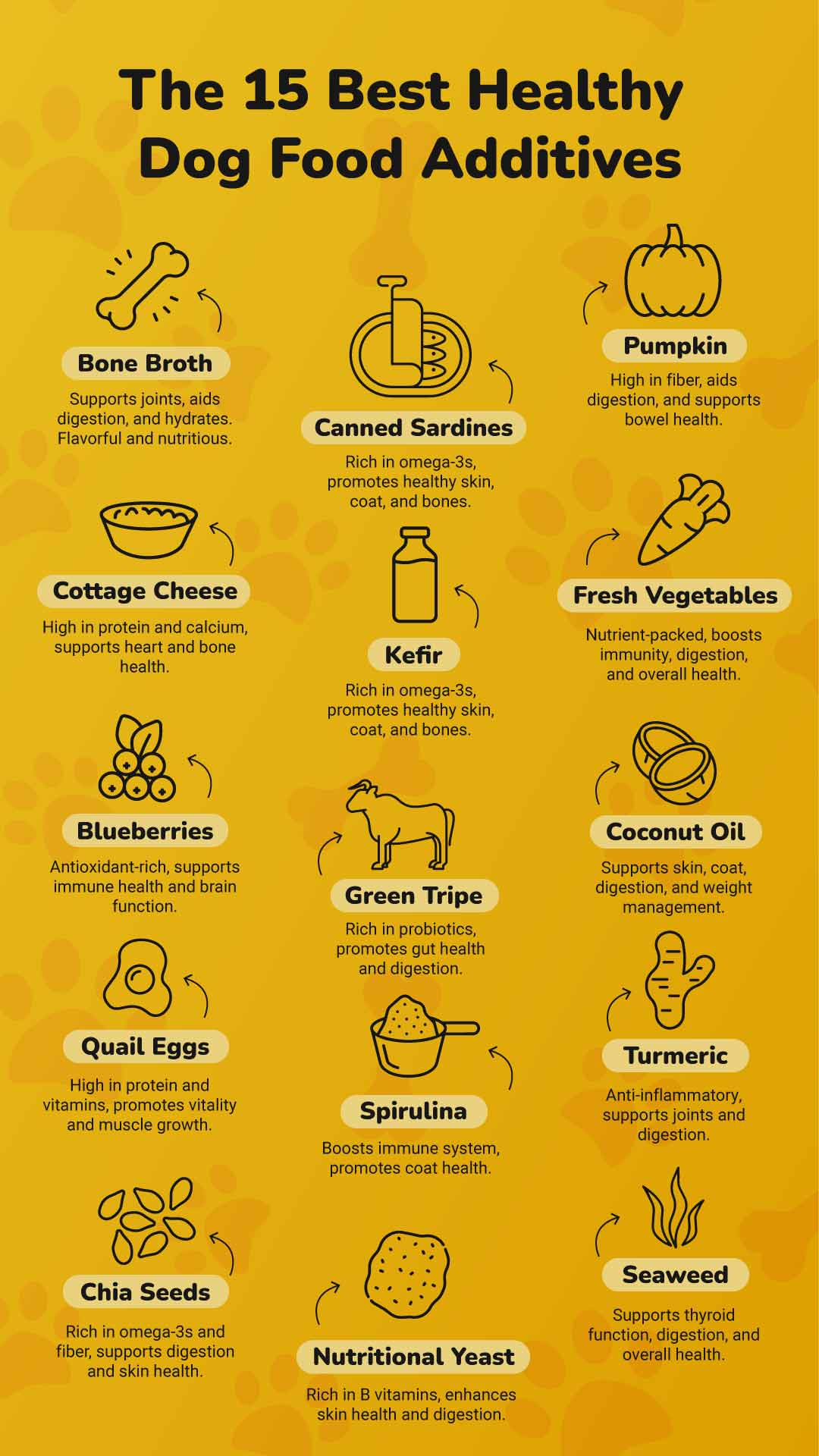
A homemade diet can become unbalanced without expert formulation. Adding supplements to commercial food may also create excesses. Only add supplements when your veterinarian recommends them.
Water
Fresh water is part of good nutrition. Wet food contains more water than dry food, but every dog still needs access to clean drinking water throughout the day.
Dry Food, Wet Food, or Fresh Food?
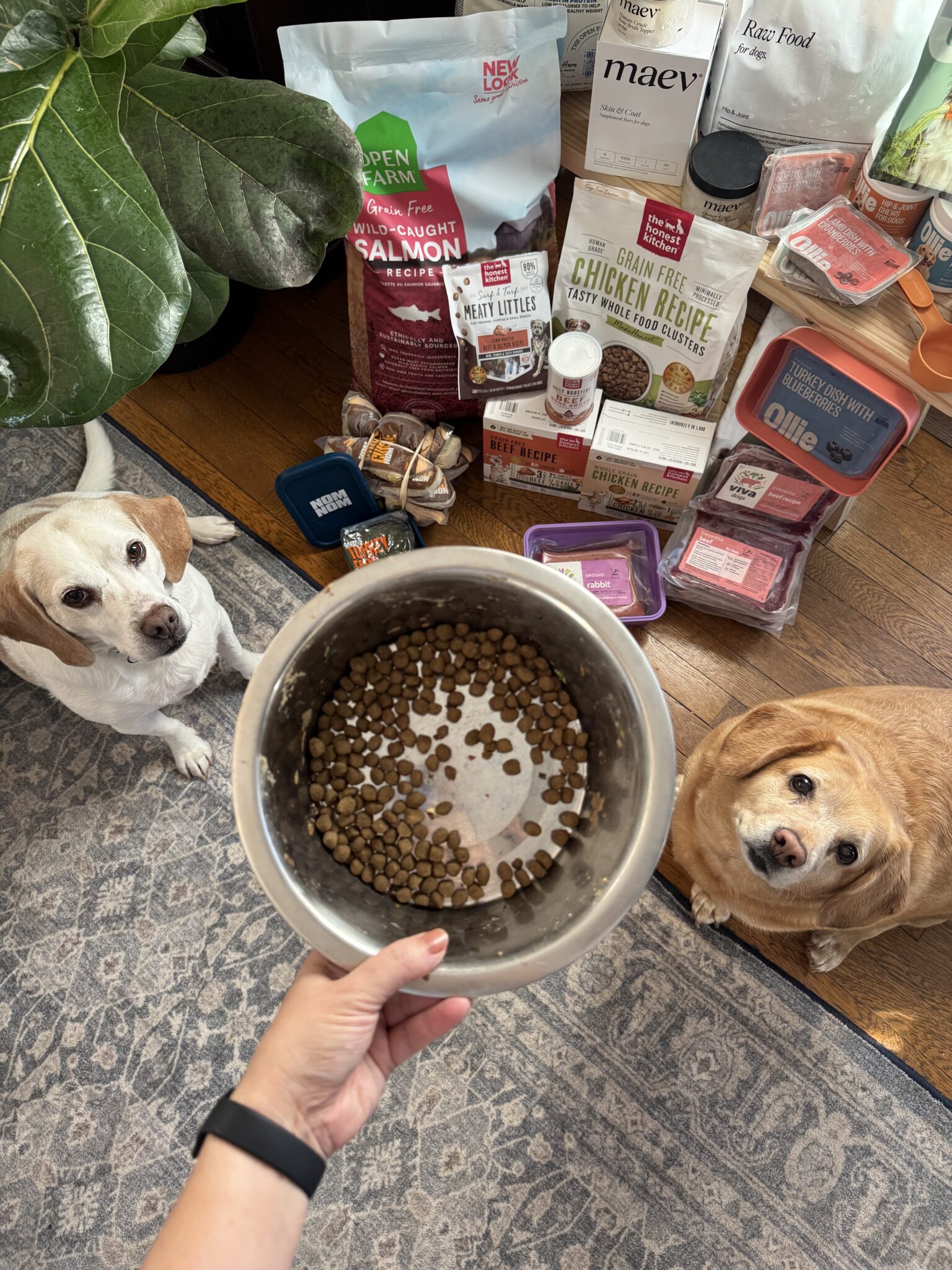
The best nutritional dog food may be dry, wet, fresh, or a combination. The format matters less than the nutrient balance, safety, calories, and fit for your dog.
Dry dog food
Dry food is convenient, easy to measure, and often less expensive per meal. It can work well for many healthy dogs.
Dry kibble is not a substitute for dental care. Some diets may help reduce plaque, but ordinary kibble does not reliably clean a dog’s teeth.
Wet dog food
Wet food contains more moisture and may appeal to picky eaters. It can be useful for dogs with poor appetite or dental pain.
It is often more expensive and can spoil faster after opening. Refrigerate unused portions and follow the storage instructions on the label.
Fresh or refrigerated food
Fresh food may use gently cooked ingredients and can be highly appealing. Still, “fresh” does not automatically mean complete, balanced, or better.
Check the nutritional adequacy statement and storage directions. Some fresh diets need careful refrigeration, while others may have a shorter shelf life.
Raw food
Raw diets carry food safety risks for dogs and people. Harmful bacteria may include Salmonella, Listeria, and certain strains of E. coli. Raw diets can also lack balanced calcium, vitamins, or other nutrients if not carefully formulated.
The best nutritional dog food should protect the whole household. Speak with a veterinarian before feeding raw food, especially if children, older adults, pregnant people, or anyone with a weak immune system lives at home.

How to Read a Dog Food Label
Dog food labels can feel confusing, but a few sections provide useful information.
Ingredient list
Ingredients are listed by weight before processing. The first few ingredients can help you understand the recipe, but they do not tell the whole story.
Do not reject a food just because it contains grains, byproducts, or ingredients with unfamiliar names. Byproducts can provide valuable nutrients, and grains can supply energy, fiber, vitamins, and minerals.
Guaranteed analysis
The guaranteed analysis lists minimum crude protein and crude fat, plus maximum crude fiber and moisture. These numbers help you compare products, but they do not show the quality or digestibility of each nutrient.
Wet food often appears lower in protein because it contains more water. For a fair comparison, you may need to compare nutrients on a dry matter basis.
Calorie statement
Calories are usually listed as kilocalories per cup, can, or kilogram. This information helps prevent overfeeding.
Treats count too. Try to keep treats and extras to about 10 percent or less of daily calories unless your veterinarian advises otherwise.
Manufacturer information
A trustworthy company should provide clear contact details and answer questions about ingredients, calories, testing, and quality control.
The best nutritional dog food usually comes from a manufacturer with strong safety systems, trained nutrition experts, and reliable testing.

Dog Food Marketing Claims to Question
Pet food marketing can make ordinary differences sound dramatic. Learn to separate useful facts from emotional language.
Words such as “premium,” “holistic,” and “natural” may have limited value. “Natural” can have a specific regulatory meaning in some cases, but it does not guarantee complete nutrition or superior quality.
“Human-grade” refers to production and handling standards. It does not automatically mean the recipe is better for your dog.
“Byproduct-free” is not always a benefit. Animal byproducts can include nutrient-rich organs. The important issue is whether the final food is safe and complete.
“Grain-free” is not required for most dogs. Dogs can digest grains, and many dogs eat grain-inclusive foods without trouble. Grain-free diets have also been investigated in reports of diet-associated heart disease, although the issue is complex and research continues.
Do not remove an ingredient because of an online trend. If your dog has a suspected allergy, work with a veterinarian rather than changing foods repeatedly.
Common Dietary Needs in Dogs
Some dogs need more than a standard maintenance diet. A veterinarian can help identify the right nutritional plan.
Weight management
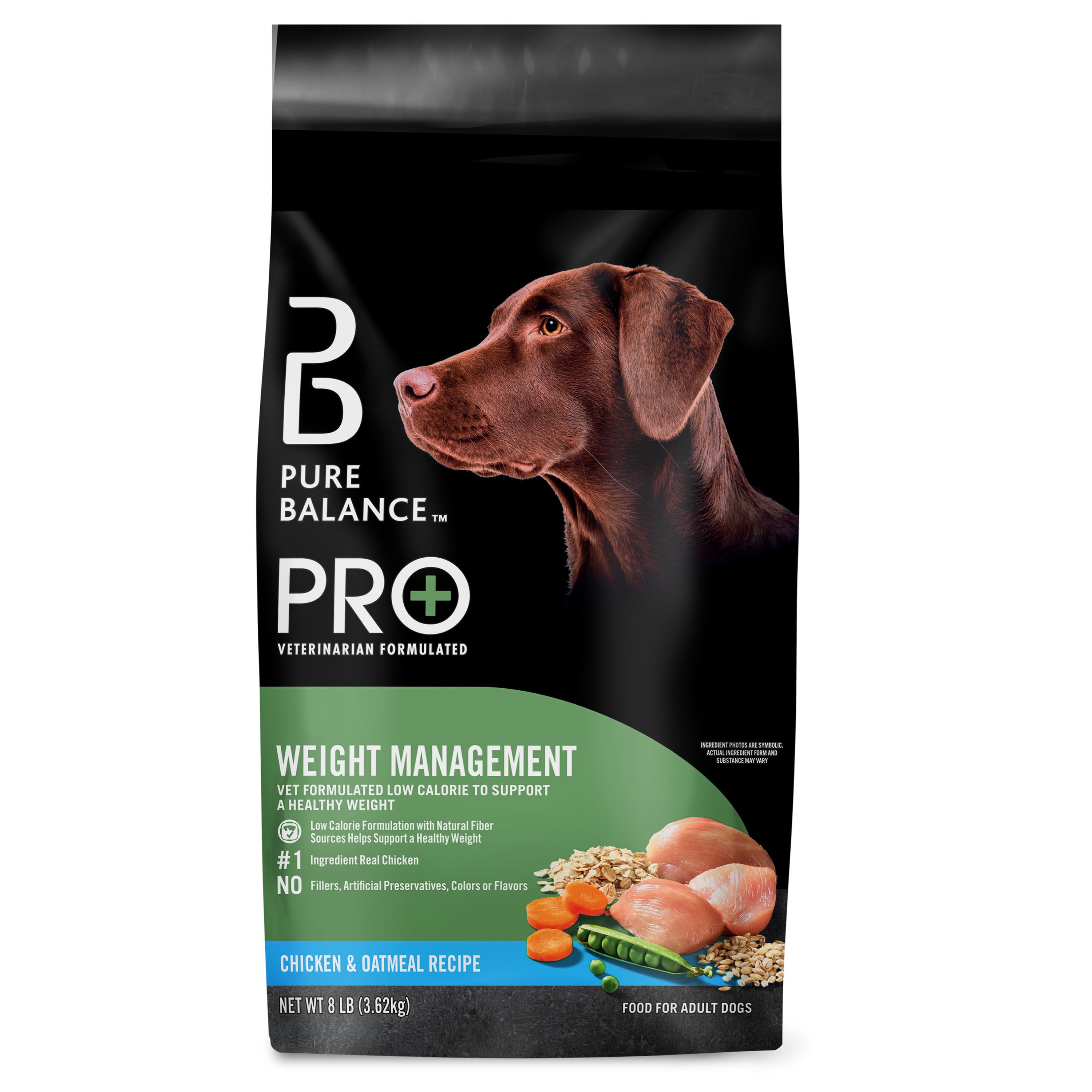
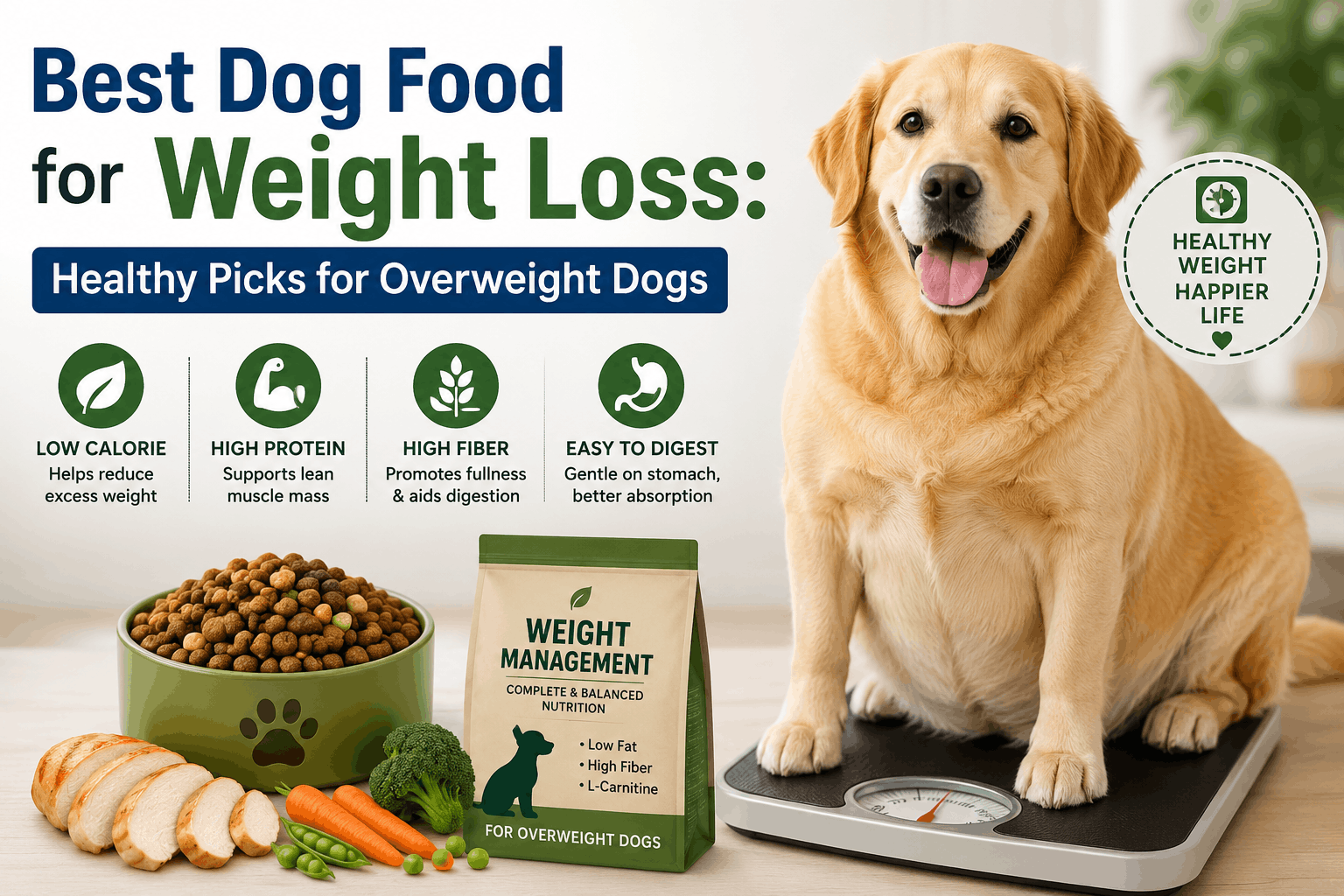
Extra weight can increase stress on joints, heart function, and mobility. Weight-control food may contain fewer calories and more fiber, but portion size still matters.
Use your dog’s body condition, not just the number on the scale. You should be able to feel the ribs under a thin layer of fat, and your dog should have a visible waist when viewed from above.
Food allergies
True food allergies are less common than many owners think. When they occur, common triggers may include beef, dairy, chicken, or other proteins.
A veterinary elimination diet is the most reliable way to investigate a food allergy. Store-bought “limited ingredient” foods may contain trace amounts of other proteins during manufacturing.
Sensitive stomach
Dogs with sensitive digestion may benefit from a highly digestible food with a consistent recipe. Sudden changes, fatty table scraps, and too many treats can all cause stomach problems.
Vomiting, diarrhea, blood in stool, weight loss, or poor appetite deserves veterinary attention. Food alone may not solve an underlying illness.
Kidney, liver, heart, or urinary disease
Medical conditions often require precise changes in protein, phosphorus, sodium, minerals, or calories. Prescription veterinary diets are formulated for these needs.
Do not use a therapeutic diet without professional guidance. A food that helps one condition may be unsuitable for another.
How to Change Your Dog’s Food Safely
A slow transition can reduce gas, loose stool, and refusal to eat. Most dogs do well with a change over seven to ten days.
-
Feed about 75 percent old food and 25 percent new food for two to three days.
-
Move to about 50 percent old food and 50 percent new food for two to three days.
-
Feed about 25 percent old food and 75 percent new food for two to three days.
-
Serve the new food alone once your dog is comfortable.
Some dogs need a slower change. If your dog develops repeated vomiting, severe diarrhea, weakness, or refuses food, stop the transition and contact a veterinarian.
One mistake I often see in feeding plans is changing several things at once. If you add a new food, treats, supplements, and dental chews together, you will not know what caused a reaction. Change one major item at a time.
Practical Feeding Tips That Work
Small daily habits can make the best nutritional dog food work even better.
• Measure every meal instead of filling the bowl by eye.
• Feed at regular times that fit your routine.
• Keep fresh water available.
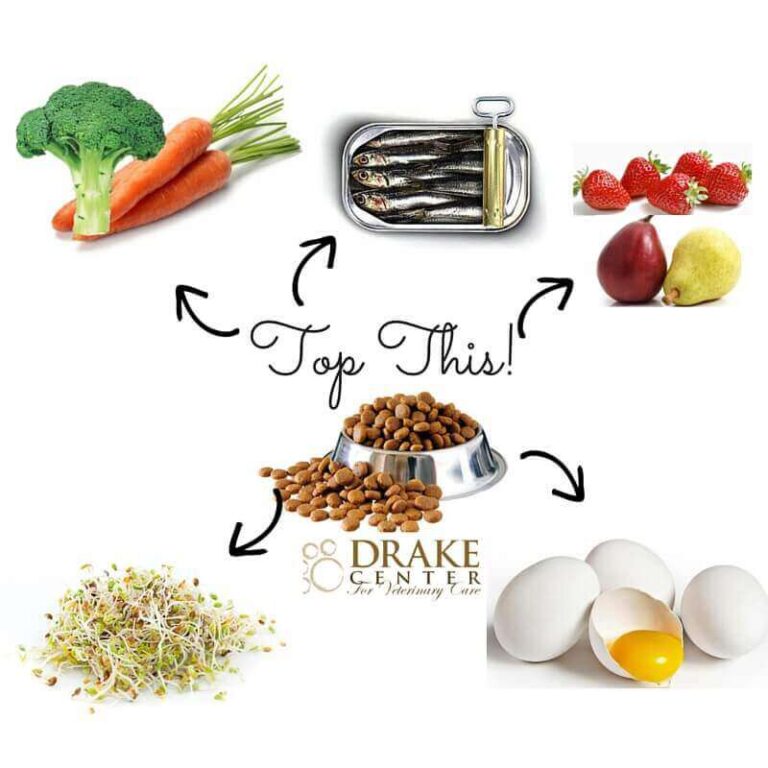
• Count treats, toppers, chews, and table food as part of daily calories.
• Store dry food in a cool, dry place in its original bag.
• Wash food and water bowls often.
• Record your dog’s weight and body condition each month.
• Ask your veterinarian to review the diet during routine visits.
If your dog eats too quickly, try a slow feeder or divide the daily amount into smaller meals. Avoid using food as the only way to show affection. A walk, game, or gentle grooming session can be just as rewarding.
How Often Should You Reassess Your Dog’s Food?
Review your dog’s food when their life changes. This may include reaching adulthood, becoming less active, gaining weight, developing a health problem, or starting a new medication.
Puppies may need several diet changes as they grow. Adult dogs may stay on the same food for years if they remain healthy and maintain a good body condition.
A food that worked last year may not suit your dog after surgery, illness, or a major change in activity. Nutrition is not a one-time decision. It is an ongoing part of preventive care.
Frequently Asked Questions About the Best Nutritional Dog Food
What is the best nutritional dog food for most healthy dogs?
The best nutritional dog food for most healthy dogs is a complete and balanced formula made for their life stage. Choose calories and portions that help your dog maintain a healthy body condition.
Is expensive dog food always better?
No. Price does not prove that a food is more nutritious or safer. Look for a complete nutritional statement, clear calorie information, suitable ingredients, and a manufacturer with strong quality controls.
Is grain-free dog food healthier?
Grain-free food is not automatically healthier. Most dogs can digest properly cooked grains, and grain-free diets are not needed unless a veterinarian identifies a specific reason.
Should dogs eat wet food or dry food?
Both can provide complete nutrition. Wet food adds moisture and may help picky eaters, while dry food is convenient and easy to measure. The best choice depends on your dog’s needs, preferences, budget, and dental health.
How do I know if a dog food is complete and balanced?
Look for an AAFCO nutritional adequacy statement on the label. It should say the food is complete and balanced for growth, adult maintenance, or all life stages.
Can I prepare the best nutritional dog food at home?
Home-prepared food can work when it is formulated by a board-certified veterinary nutritionist and followed carefully. Many homemade diets become deficient in calcium, vitamins, minerals, or essential fatty acids.
How much should I feed my dog?
Start with the feeding guide and calorie statement on the package. Then adjust the portion based on body condition, weight changes, activity, and veterinary advice.
Conclusion
The best nutritional dog food is complete, balanced, safe, and suited to your dog’s age, body, activity, and health. Focus on the nutritional adequacy statement, calorie content, portion size, manufacturer quality, and your dog’s real-world response.
Avoid choosing food based only on price, attractive packaging, or online trends. Track your dog’s weight, stool, energy, skin, and appetite, then review the diet with your veterinarian when needs change.
Use this guide to compare your dog’s current food today, measure meals carefully, and make changes slowly. For more practical pet nutrition guidance, explore trusted veterinary resources or share your feeding questions with your veterinarian.

Pet Care Writer & Researcher
Daniel writes practical guides on daily care, feeding, and safety, turning complex topics into simple, actionable advice.