What Is The Tastiest Dog Food: Flavor Guide
Find out what is the tastiest dog food for picky eaters, with expert tips on flavors, ingredients, and meals dogs love.
The tastiest dog food is usually moist, meat-rich, fresh, and matched to your dog’s personal taste.
Choosing the tastiest dog food is not only about picking the food with the strongest smell. Texture, moisture, protein sources, feeding habits, health needs, and ingredient quality all shape your dog’s appetite. This guide explains how to find a food your dog truly enjoys while still meeting sound nutrition standards.
What Makes Dog Food Taste Good?
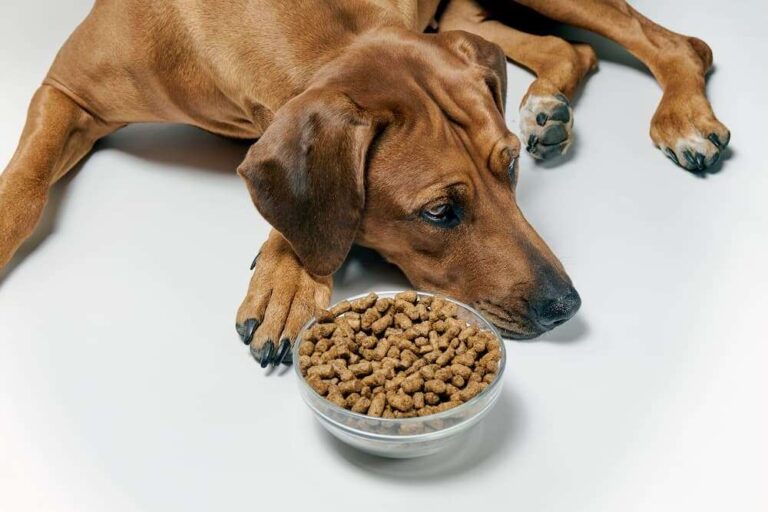
Dogs often enjoy food with a strong aroma, soft texture, and rich savory flavor. Their sense of smell is far stronger than ours, so smell can matter more than flavor alone.
The tastiest dog food for one pet may not appeal to another. A young Labrador may love crunchy chicken kibble, while an older Poodle may prefer soft lamb pâté. Dental pain, stress, illness, and past food experiences can also change a dog’s eating habits.
Several factors affect palatability:
• Moisture: Wet food often smells stronger and feels easier to chew.
• Animal protein: Chicken, beef, turkey, lamb, and fish can make food more appealing.
• Fat content: Healthy fats add flavor and aroma, but too much fat may upset some stomachs.
• Texture: Dogs may prefer pâté, chunks in gravy, shredded meat, or crunchy pieces.
• Food temperature: Slightly warming wet food can release more aroma.
• Familiarity: Dogs often enjoy flavors they have eaten safely before.
The tastiest dog food should still be complete and balanced for your dog’s life stage. A food can smell wonderful and still be a poor daily diet if it lacks key nutrients.
The Tastiest Dog Food Types
There is no single food that every dog will consider the tastiest dog food. However, some types are often more appealing than others.
Wet Dog Food
Wet food is a common favorite because it contains much more water than dry kibble. Its soft texture and strong smell may help attract picky eaters, senior dogs, and pets with dental problems.
Popular wet food textures include:
• Smooth pâté
• Chunks in gravy
• Shredded meat
• Stew-style recipes
Wet food has some limits. Once opened, it needs refrigeration and should not sit in the bowl for long. It also costs more per calorie than many dry foods.
Fresh or Gently Cooked Dog Food
Fresh dog food often has a noticeable meat smell and soft texture. Some recipes use gently cooked chicken, turkey, beef, or fish with vegetables and grains.
This type may be the tastiest dog food for pets that reject dry kibble. Still, check the label for a nutritional adequacy statement. The food should be complete and balanced, not simply a homemade-style meal.
Dry Kibble
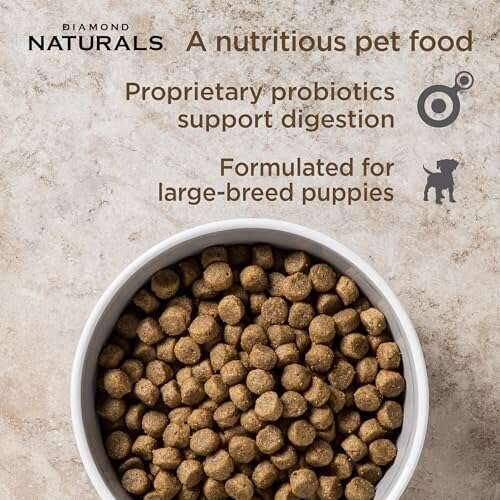
Dry food is convenient, affordable, and easy to store. Many dogs enjoy crunchy pieces, especially when the kibble has a savory coating.
Kibble can become less appealing if it is stale, stored in a warm place, or left open for weeks. Keep it in its original bag inside an airtight container, and wash the bowl often.
Freeze-Dried or Dehydrated Food
These foods often have a strong meat aroma. They can be served dry or rehydrated with water.
They may be highly appealing, but some products are calorie-dense. Follow the feeding guide closely, and wash your hands after handling raw or minimally processed ingredients.
Best Flavor Profiles for Picky Dogs
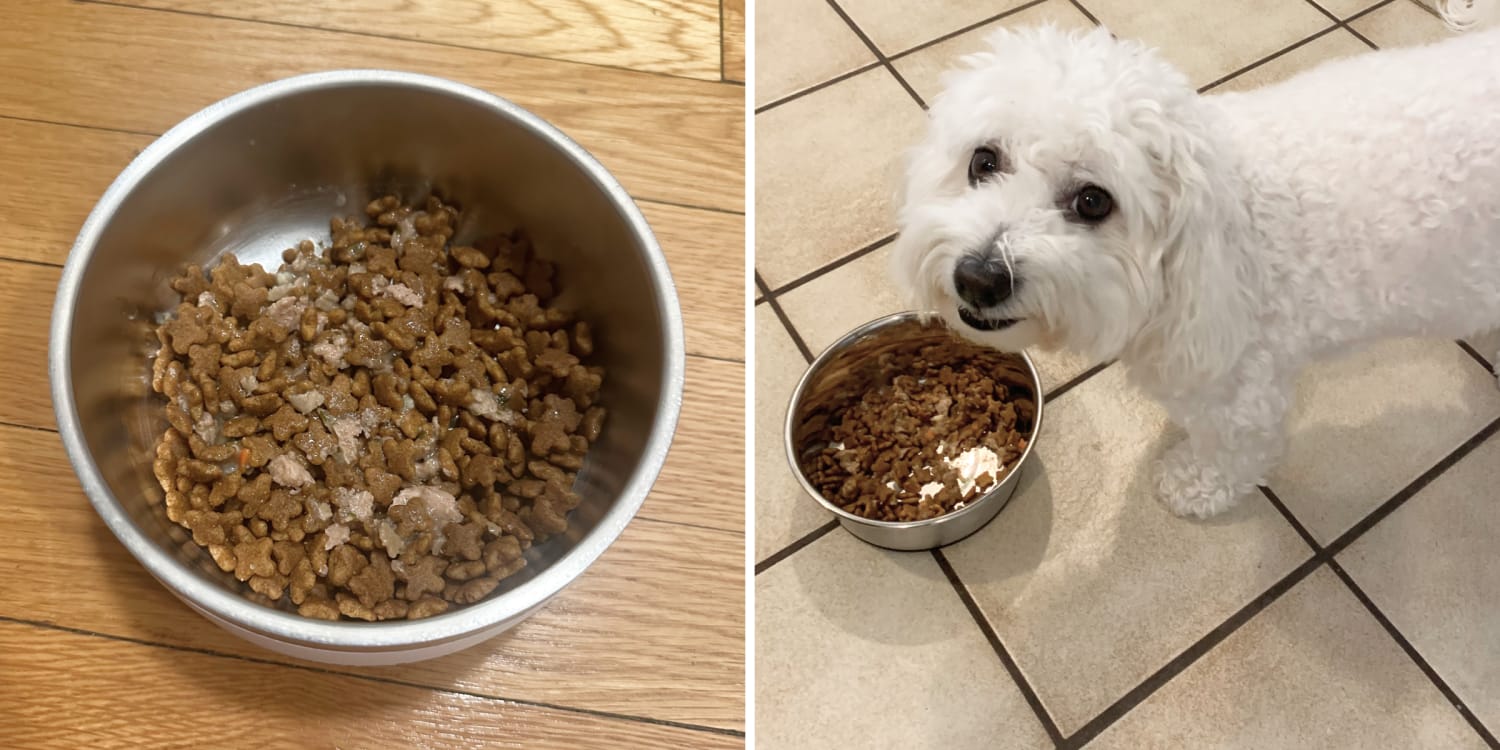
The tastiest dog food often uses a flavor that matches your dog’s past preferences. Start with familiar ingredients before trying unusual proteins.
Common choices include:
• Chicken: Mild, widely accepted, and often used in both kibble and wet food.
• Beef: Strong-smelling and rich, which many dogs enjoy.
• Turkey: A lighter option with a familiar taste.
• Lamb: Useful for variety, although it is not automatically better for allergies.
• Salmon or whitefish: Strong aroma and helpful omega-3 fats.
• Duck: Rich and flavorful, but often more expensive.
• Venison or rabbit: Novel proteins that may help add variety under veterinary guidance.
A dog that loves chicken may not enjoy fish. Another dog may ignore chicken but eat salmon with excitement. The tastiest dog food is often found through small, careful trials rather than guesswork.
Avoid changing flavors every day. Too much variety can cause loose stools and may teach a dog to hold out for something more exciting.
How to Choose the Tastiest Dog Food Safely
Taste matters, but nutrition comes first. Use this simple process to choose a food your dog will enjoy and tolerate.
1. Check the Nutritional Adequacy Statement
Look for wording that says the food is complete and balanced for a specific life stage. Puppies, adult dogs, pregnant dogs, and seniors can have different nutrient needs.
A product made only for intermittent or supplemental feeding should not replace a complete daily diet unless your veterinarian recommends it.
2. Match the Food to Your Dog
Consider your dog’s:
• Age
• Body size
• Activity level
• Weight
• Breed-related risks
• Dental health
• Allergies or food sensitivities
• Digestive history
The tastiest dog food for an active adult may contain more calories than an overweight dog needs. Portion size matters even when the ingredients look excellent.
3. Inspect the Packaging
Choose a product with an intact package, clear expiration date, and proper storage instructions. Avoid food that smells rancid, looks moldy, or has damaged packaging.
For canned food, do not use cans that are swollen, leaking, or badly dented near the seams.
4. Try a Small Package First
Do not buy a large case before your dog accepts the recipe. Offer a small amount beside the current food and watch both appetite and stool quality.
A tasty food is not a good choice if it causes vomiting, diarrhea, itching, or painful gas.
5. Transition Slowly
Change foods over about seven days:
-
Days 1 and 2: Serve about 75% old food and 25% new food.
-
Days 3 and 4: Serve half old food and half new food.
-
Days 5 and 6: Serve about 25% old food and 75% new food.
-
Day 7: Serve the new food alone if your dog is doing well.
Some sensitive dogs need a slower transition. If severe vomiting, bloody diarrhea, or marked weakness occurs, contact a veterinarian promptly.
:strip_icc()/Spruce-best-dog-food-for-allergies-4173781-024027f06d344cd8acf7267d38694fa3.jpg)
Tasty Dog Food Options by Situation
Different dogs need different solutions. A few practical changes may make the tastiest dog food more appealing without creating bad habits.
For Picky Eaters
Try a moist recipe with a familiar protein. You can also add a small amount of warm water to kibble to soften it and improve its smell.
Feed meals at set times. Put the bowl down for about 15 to 20 minutes, then remove it. This can help create a healthy routine.
For Senior Dogs
Older dogs may prefer soft food because it is easier to chew. A senior dog that suddenly avoids dry food may have dental pain, so a veterinary exam is wise.
Do not assume reduced appetite is simply part of aging. Kidney disease, pain, nausea, and other health problems can affect eating.
For Dogs With Sensitive Stomachs
Choose a simple recipe with a protein your dog has tolerated before. Avoid frequent treats, table scraps, and sudden food changes.
If stomach problems continue, ask your veterinarian about a therapeutic diet. The tastiest dog food is not useful if your dog cannot digest it well.
For Overweight Dogs
Look at calories per cup or can, not just the ingredient list. Measure meals with a kitchen scale or standard measuring cup.
A lower-calorie food can still taste good when it includes adequate protein and a pleasant texture. Treats should usually make up no more than about 10% of daily calories unless a veterinarian gives different advice.
For Dogs With Dental Problems
Soft food may be easier to eat, but it does not treat dental disease. Bad breath, bleeding gums, dropping food, or chewing on one side can signal a problem.
Professional dental care and regular home brushing are more reliable than choosing a special kibble alone.
How to Make Dog Food More Appealing
You can improve the appeal of the tastiest dog food with simple steps. Use these ideas in small amounts so you do not unbalance the diet.
• Add warm water: This can soften kibble and release its aroma.
• Use a measured topper: A spoonful of complete wet food may help, but count its calories.
• Warm wet food gently: Never serve it hot. Test the temperature before feeding.
• Keep bowls clean: Old oils and food residue can create unpleasant smells.
• Feed in a calm place: Noise, children, or other pets may reduce appetite.
• Use food puzzles: Some dogs enjoy the activity as much as the meal.
• Serve smaller meals: Three small meals may work better than one large meal for some dogs.
Avoid onions, garlic, grapes, raisins, chocolate, alcohol, xylitol, macadamia nuts, and cooked bones. These foods can be dangerous or life-threatening for dogs.
One lesson I have repeatedly seen when reviewing feeding routines is that owners often add too many toppers. The dog then waits for cheese, chicken, or broth instead of eating the balanced meal. A small, consistent topper works better than a growing pile of extras.
Ingredients and Labels: What Matters Most?
Many owners search for the tastiest dog food by reading the first ingredient. That can help, but it does not tell the whole story.
A food with chicken as the first ingredient may still be poorly balanced. Conversely, a food with grains may provide useful nutrients and be perfectly suitable for many dogs.
Look for:
• A complete and balanced statement
• A named animal protein
• Calorie information
• Feeding directions
• Manufacturer contact details
• Quality control information
• Clear storage instructions
Ingredient lists are useful, but they cannot measure overall digestibility, nutrient balance, or manufacturing quality by themselves. Marketing terms such as “premium,” “natural,” or “holistic” do not automatically prove that a food is healthier or tastier.
Veterinary nutrition experts often recommend judging the entire product, company transparency, feeding trials when available, and the needs of the individual dog. This approach is more reliable than choosing food based on one attractive ingredient.
:strip_icc()/Spruce-best-dog-food-at-walmart-4173197-a02410eb5618412b8495e0eaba6420a8.jpg)
Homemade Dog Food and Table Scraps
Homemade food can be very tasty, but a homemade diet is not automatically complete. Dogs need the right balance of protein, fat, vitamins, minerals, and essential fatty acids.
Common homemade diet mistakes include:
• Too much meat and not enough calcium
• Missing key vitamins and minerals
• Excessive fat
• Unbalanced organ meat
• Too many calories
• Unsafe ingredients
If you want to feed a homemade diet long term, work with a board-certified veterinary nutritionist. A small amount of plain cooked meat or vegetables may be used as a treat, but it should not replace a balanced diet.
Table scraps can also create begging, weight gain, and stomach upset. The tastiest dog food should be the main meal, while extras remain limited and intentional.
Signs Your Dog Likes and Tolerates a Food
A dog enjoying dinner is only one part of the picture. Look for signs that the food works well over time.
Positive signs include:
• Eager but calm eating
• Firm, regular stools
• Stable body weight
• Healthy skin and coat
• Normal energy
• No repeated vomiting
• No persistent itching or ear problems
Watch for warning signs such as refusing food, sudden weight loss, chronic diarrhea, repeated vomiting, painful chewing, or excessive thirst. These signs need veterinary attention rather than a new flavor alone.
A dog may love the tastiest dog food but still gain weight if portions are too large. Check body condition regularly. You should be able to feel the ribs under a light layer of fat, and your dog should have a visible waist when viewed from above.
Common Mistakes When Finding the Tastiest Dog Food
Finding a food your dog loves can take patience. Avoid these common mistakes:
• Choosing only by smell: Strong aroma does not guarantee balanced nutrition.
• Changing food too fast: Sudden changes can trigger diarrhea.
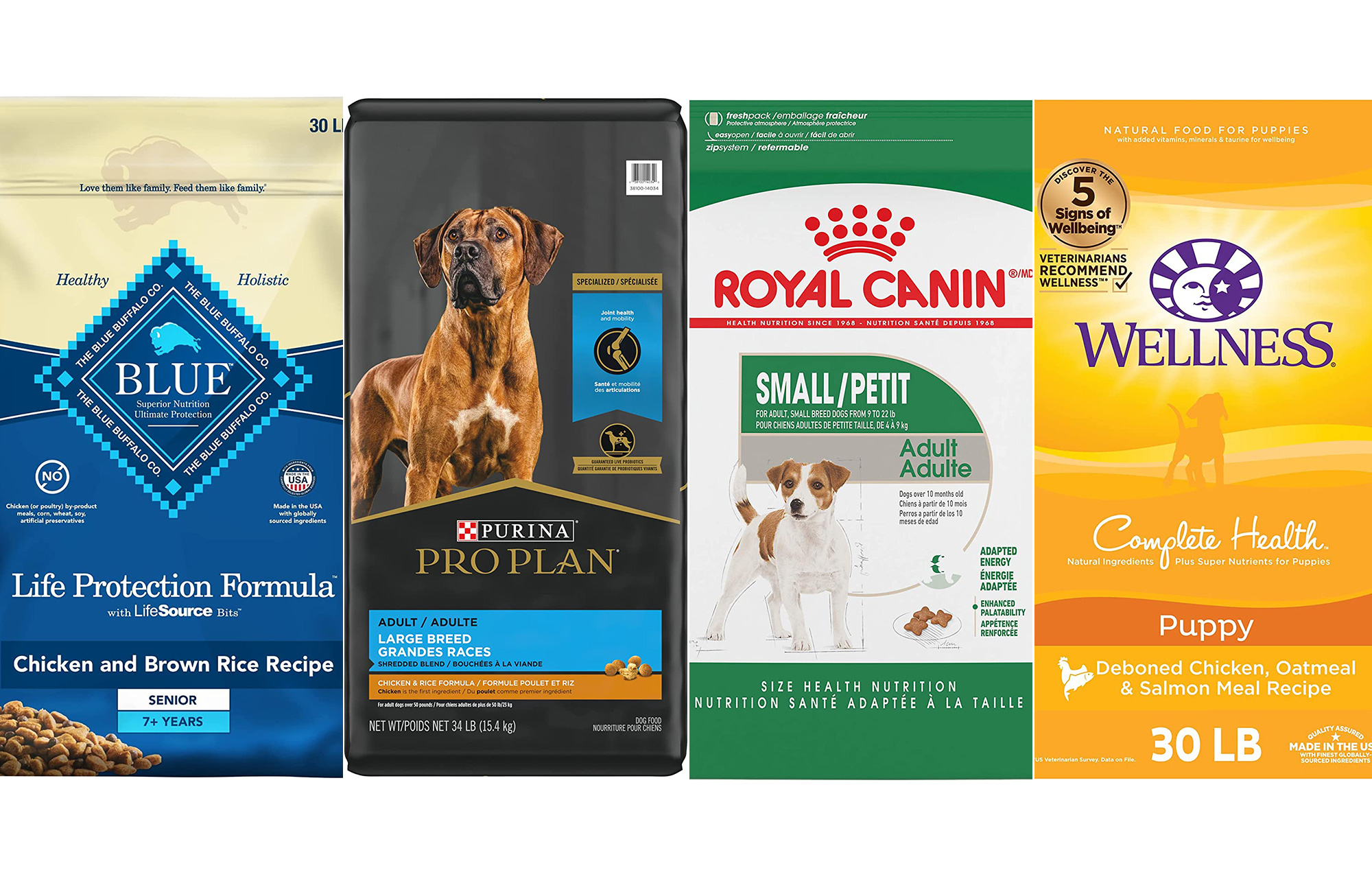
• Buying based on packaging: Photos and claims are not proof of quality.
• Ignoring calories: Rich foods can cause weight gain quickly.
• Offering too many treats: Dogs may reject regular meals while waiting for snacks.
• Assuming grain-free is better: Grain-free food is not needed for most dogs unless medically advised.
• Ignoring dental pain: Food refusal may signal a painful mouth.
• Storing food poorly: Heat, air, and moisture can reduce freshness.
In my experience reviewing feeding plans, the most successful approach is simple: choose a nutritionally sound food, test it slowly, measure portions, and watch the dog rather than the advertising. A calm process usually works better than chasing every new flavor.
Frequently Asked Questions About the Tastiest Dog Food
What is the tastiest dog food for most dogs?
Many dogs enjoy moist food with chicken, beef, turkey, or fish because it has a strong aroma and soft texture. Still, taste is personal, so the best choice is a complete and balanced food your dog eagerly eats and digests well.
Is wet food tastier than dry dog food?
Wet food often smells stronger and may be more appealing, especially to picky or older dogs. Dry kibble can also be highly palatable when it is fresh and contains an appealing flavor coating.
What can I add to dog food to make it tastier?
You can add warm water or a small, measured amount of complete wet food. Avoid unsafe table scraps and keep toppers within your dog’s daily calorie needs.
Why does my dog suddenly refuse its favorite food?
Sudden food refusal can result from dental pain, nausea, illness, stress, spoiled food, or a change in smell. If your dog refuses food for about 24 hours, or has other symptoms, contact your veterinarian.
Is fresh dog food the tastiest option?
Fresh food may be very appealing because of its moist texture and meat-like aroma. However, choose a recipe labeled complete and balanced, and compare calories before making it your dog’s main diet.
Can dogs eat the same food every day?
Yes, many dogs can eat the same complete and balanced food every day. Variety is optional, but any change should be gradual to reduce the chance of digestive upset.
How do I know if a dog food is healthy?
Check for a complete and balanced statement, suitable life-stage nutrition, clear calorie information, and a trustworthy manufacturer. Your veterinarian can help you choose a diet for allergies, disease, weight control, or other special needs.
Conclusion
The tastiest dog food is not one universal brand or recipe. It is a complete and balanced food with a flavor, texture, calorie level, and protein source that suit your individual dog.
Start with a small package, introduce it slowly, measure portions, and watch appetite, stools, weight, skin, and energy. If your dog’s appetite changes suddenly or health problems appear, speak with a veterinarian before making major diet changes.
Try these steps with your dog’s next meal, and share your experience or questions in the comments.

Pet Care Writer & Researcher
Daniel writes practical guides on daily care, feeding, and safety, turning complex topics into simple, actionable advice.