Can Dogs Have Almond Bark: Safety Facts And What To Do
Can dogs have almond bark? Learn why it may be unsafe, what symptoms to watch for, and when to contact your veterinarian.
No, dogs should not have almond bark because it may contain chocolate, xylitol, excess fat, and unsafe almonds.
If you are wondering, “can dogs have almond bark?” the safest answer is no. Almond bark is a human candy coating, not a dog treat, and its ingredients can harm dogs in several ways. The risk depends on the product, the amount eaten, your dog’s size, and whether it contains chocolate or xylitol. This guide explains what to do, which symptoms to watch for, and when to call a veterinarian.

What Is Almond Bark?
Almond bark is a sweet confectionery coating. Despite its name, many products do not contain much almond, and some contain no almonds at all. The name often refers to the way people use the coating to cover nuts, fruit, pretzels, cookies, and other snacks.
Commercial almond bark commonly contains:
- Sugar
- Vegetable fats
- Milk solids
- Cocoa or chocolate flavor
- Almond flavoring
- Real almonds in some products
- Emulsifiers and preservatives
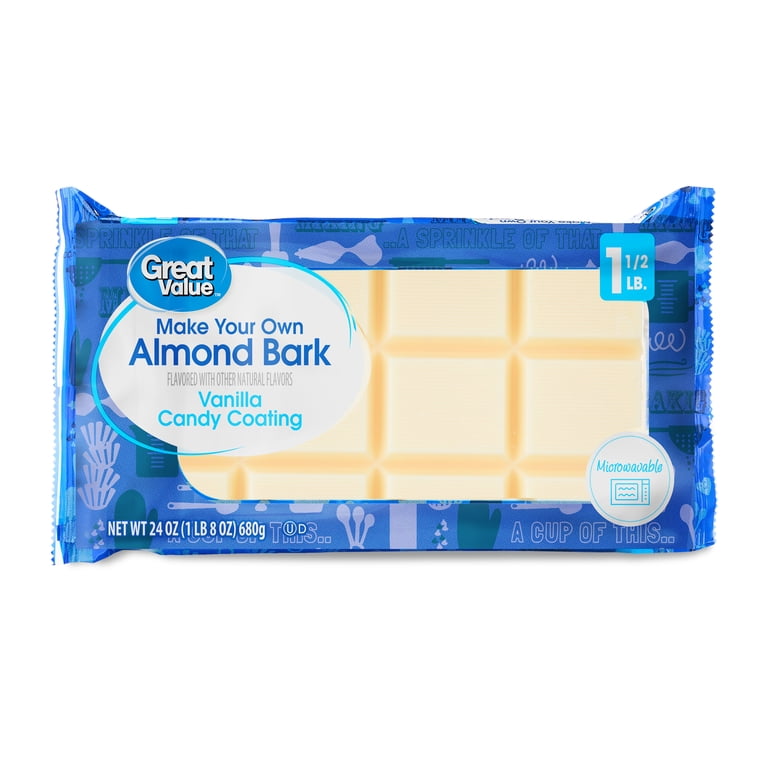
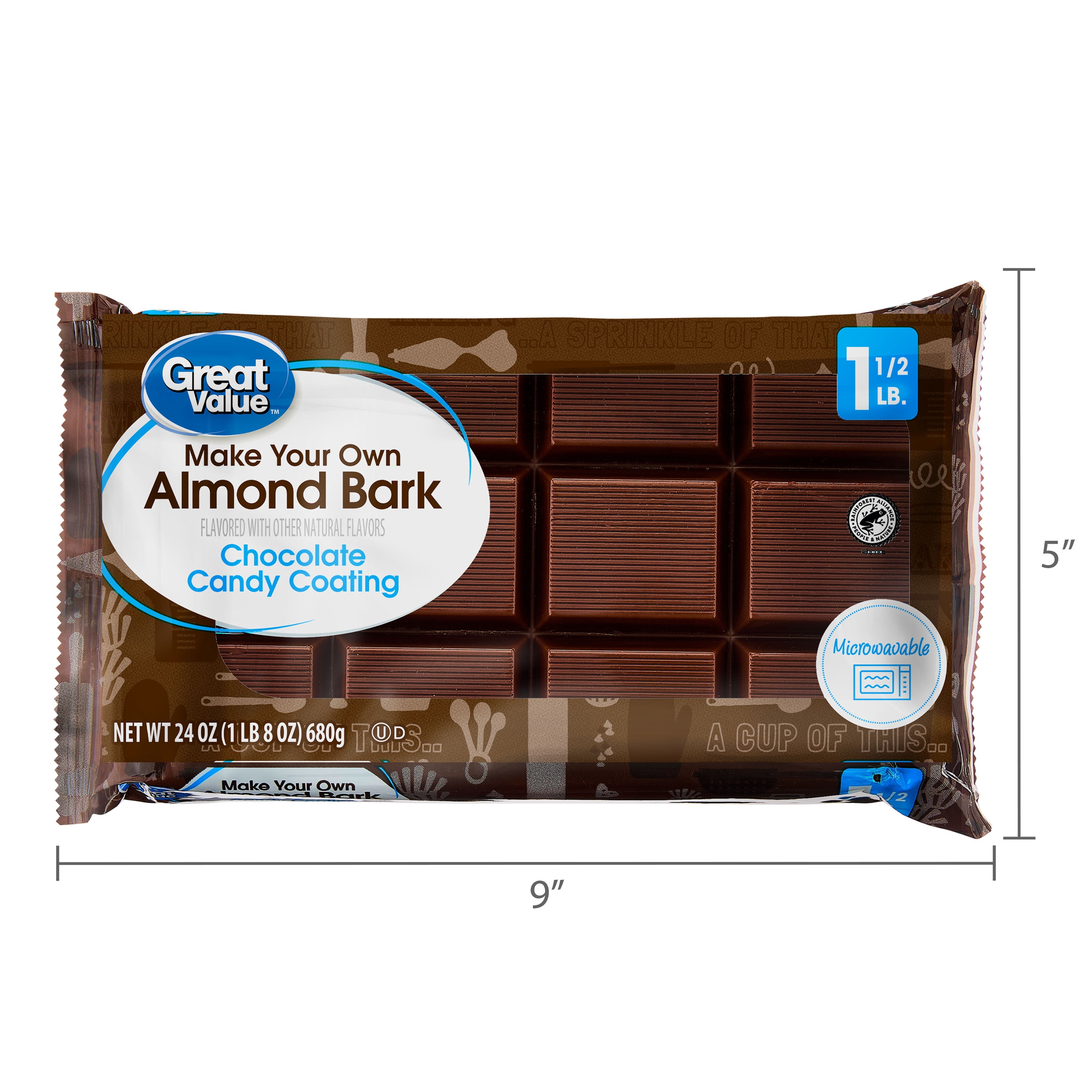
White almond bark may not contain cocoa. Chocolate or dark almond bark often does. That difference matters because cocoa contains theobromine and caffeine, which are toxic to dogs.
So, can dogs have almond bark if it is labeled “white”? It is still not a good choice. White coating may have a lower chocolate risk, but it can still cause stomach upset, choking, weight gain, or pancreatitis due to its high sugar and fat content. Some sugar-free products may also contain xylitol, a dangerous sweetener for dogs.
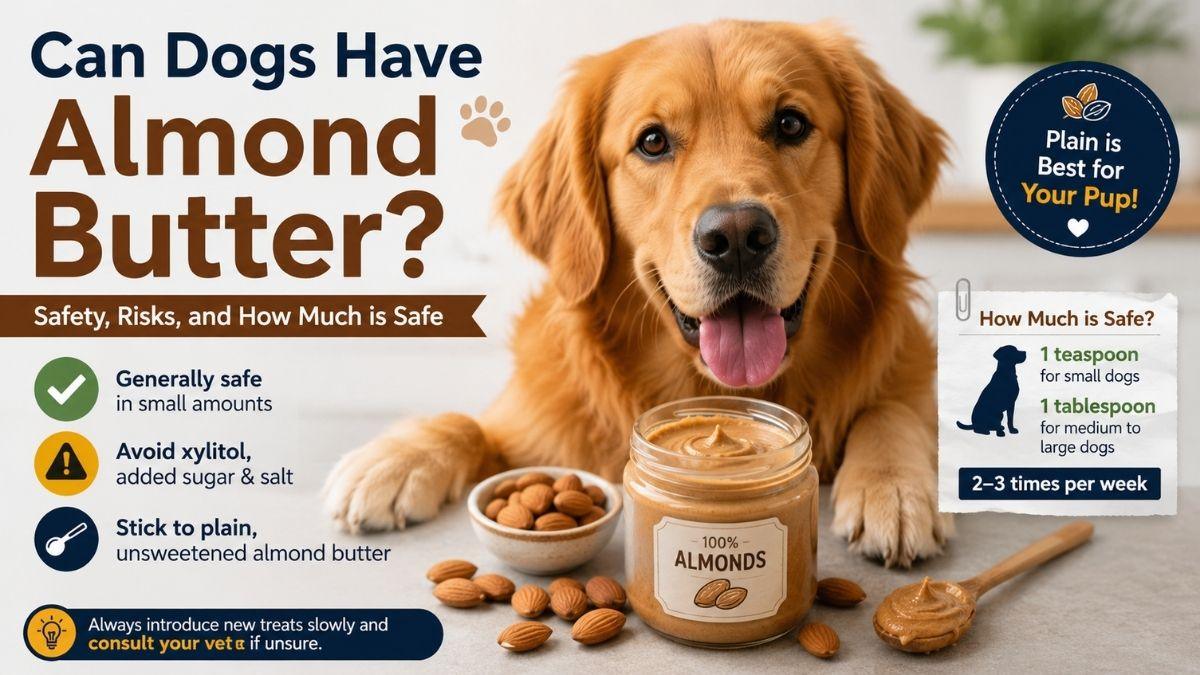
Can Dogs Have Almond Bark With Chocolate?
No. Chocolate almond bark can poison dogs because it may contain cocoa solids, theobromine, and caffeine. Dogs process these compounds much more slowly than people do, so the chemicals can build up in their system.
The danger rises with darker chocolate. In general:
- White chocolate contains very little theobromine but still has high fat and sugar.
- Milk chocolate contains more theobromine.
- Semisweet chocolate contains a higher amount.
- Dark chocolate and baking chocolate can be very dangerous in small amounts.
- Cocoa powder is especially concentrated.
The exact risk depends on your dog’s weight, the type of chocolate, and the amount eaten. A small dog may become seriously ill after eating a portion that causes only mild symptoms in a large dog.
Possible signs of chocolate poisoning include:
- Vomiting or diarrhea
- Restlessness or unusual excitement
- Fast breathing
- Increased thirst or urination
- Muscle tremors
- A rapid or irregular heartbeat
- Seizures
- Collapse
Signs may begin within a few hours, but they can take longer to appear. Do not wait for symptoms before asking for veterinary advice.

Why Almond Bark Is Unsafe for Dogs
The question “can dogs have almond bark?” involves more than chocolate. Even a product without cocoa can cause problems because of its other ingredients.
Chocolate and caffeine toxicity
Theobromine and caffeine stimulate a dog’s heart and nervous system. The body clears these compounds slowly, which allows toxic levels to develop.
A veterinarian may estimate risk by reviewing the product label, the amount eaten, and your dog’s weight. Do not rely on online dose charts alone. Product formulas vary, and mixed candies may contain more than one toxic ingredient.
Xylitol poisoning
Some sugar-free candies use xylitol, also called birch sugar. Xylitol can cause a dog’s blood sugar to drop quickly. It may also lead to severe liver injury.
Early signs can include:
- Weakness
- Shaking
- Loss of balance
* Vomiting - Extreme sleepiness
- Collapse
- Seizures
Xylitol poisoning is an emergency. Check the label at once, and contact a veterinarian or animal poison service if xylitol is listed or the ingredients are unclear.
High fat and sugar
Almond bark is rich in fat and sugar. A large amount can trigger vomiting, diarrhea, painful gas, or pancreatitis. Pancreatitis is inflammation of the pancreas and may cause severe belly pain, repeated vomiting, poor appetite, and weakness.
Even if the product contains no chocolate, its fat content makes it a poor snack for dogs.
Almonds and choking
Plain sweet almonds are not usually considered highly toxic to dogs, but they are still unsafe as a regular treat. Whole almonds can become a choking hazard or cause an intestinal blockage, especially in small dogs.
Seasoned, salted, or flavored almonds create extra concerns. Some products may include onion powder, garlic powder, or other ingredients that are harmful to dogs.

Can Dogs Have Almond Bark Without Chocolate?
It is still best to avoid it. The absence of chocolate lowers one risk, but it does not make almond bark healthy or safe.
White almond bark may cause trouble because of:
- Sugar and fat
- Milk ingredients
- Artificial sweeteners
- Whole almonds
- Large, hard pieces
- Added flavorings
A single tiny lick of plain white coating may not cause a serious problem in a healthy large dog. However, you should still check the label and watch the dog. A small dog, puppy, senior dog, or dog with diabetes or a history of pancreatitis may face greater risk.
The safest rule is simple: can dogs have almond bark? No, even when the coating looks like white chocolate.
What to Do If Your Dog Ate Almond Bark
If your dog ate almond bark, stay calm but act quickly. The package can help a veterinarian judge the risk.
Follow these steps:
- Remove the remaining almond bark from your dog’s reach.
- Find the package and read the full ingredient list.
- Note the product type, such as dark, milk, white, or sugar-free.
- Estimate how much your dog ate.
- Record when the eating occurred.
- Weigh your dog if possible.
- Call your veterinarian, an emergency animal hospital, or a pet poison service.
- Follow the professional advice you receive.
Do not make your dog vomit unless a veterinary professional specifically tells you to do so. Home remedies, salt, oil, and hydrogen peroxide can cause additional harm or delay proper care.
Seek urgent help if the almond bark contains chocolate, cocoa, caffeine, or xylitol. You should also call promptly if your dog ate a large amount, swallowed wrappers, or shows any symptoms.
A useful practical lesson is to keep the package instead of throwing it away. The label often gives the veterinary team more useful information than a guess about the candy’s appearance.

Symptoms to Watch for After Almond Bark Exposure
Symptoms vary based on the ingredients and amount eaten. Some dogs develop stomach problems first, while others show nervous system or heart-related signs.
Watch for:
- Vomiting
- Diarrhea
- Drooling
- Restlessness
- Panting
- Shaking
- Weakness
- Loss of coordination
- Abdominal pain
- Fast heartbeat
- Increased thirst
- Seizures
- Collapse
Chocolate-related symptoms may worsen over several hours. Fat-related pancreatitis may appear later, sometimes after the initial excitement has passed. This is why a dog that looks normal right after eating almond bark may still need professional advice.
Do not give extra food to “soak up” the candy. Food does not cancel out theobromine, caffeine, or xylitol.

How Veterinarians Treat Almond Bark Ingestion
Treatment depends on the product, dose, timing, and your dog’s condition. A veterinarian may recommend vomiting only when it is safe and useful. This decision is not suitable for every dog or every situation.
Possible veterinary care includes:
- Induced vomiting under professional supervision
- Activated charcoal in selected cases
- Intravenous fluids
- Medication for vomiting or tremors
- Heart-rate monitoring
- Blood glucose checks
- Treatment for abnormal heart rhythms
- Hospital observation
- Treatment for pancreatitis
Dogs with xylitol exposure may need rapid blood sugar support and liver monitoring. Dogs with chocolate exposure may need heart and nervous system monitoring.
Early advice often leads to simpler treatment. Waiting for severe symptoms can make care more difficult and costly.

Safer Treats Than Almond Bark
Dogs do not need candy to enjoy a special snack. Safer choices are simple, plain, and served in small portions.
Consider:
- Small pieces of carrot
- Plain cucumber
- Apple slices without seeds or core
- Blueberries
- Plain pumpkin
- Green beans
- A few pieces of cooked, unseasoned chicken
- Dog treats made for your dog’s size and age
- A small amount of xylitol-free peanut butter
Treats should not replace a complete and balanced dog food. They should also stay within a reasonable portion of your dog’s daily calories.
Always check peanut butter labels for xylitol. Avoid foods with chocolate, grapes, raisins, onions, garlic, macadamia nuts, or alcohol.
How to Prevent Dogs From Eating Almond Bark
Most accidental poisonings happen during normal household moments. Candy sits on a counter, a child drops a piece, or a dog finds an open bag during a holiday gathering.
These habits can reduce the risk:
- Store almond bark in a closed cabinet.
- Keep candy away from counters your dog can reach.
- Ask guests not to feed table scraps.
- Teach children that candy is not a dog treat.
- Use a sealed trash can.
- Keep wrappers and baking supplies off the floor.
- Check labels before sharing any human food.
- Save the product package if your dog eats something unusual.
During Halloween, Christmas, and baking season, be extra careful. Dogs often explore new smells, and almond bark can be easy to reach when people are busy.
Common Mistakes Dog Owners Make
One common mistake is assuming that “almond bark” is safe because it is not real chocolate. Some products contain cocoa, while others contain sweeteners that may be dangerous. The name alone does not tell you enough.
Another mistake is waiting for symptoms. Chocolate and xylitol poisoning can become serious before a dog looks very ill. Calling early does not mean your dog will automatically need emergency treatment; it gives a professional a chance to assess the risk.
A third mistake is guessing the amount. Even a rough estimate is helpful, but an exact package size and ingredient list are better. If the product was homemade, list every ingredient, including cocoa powder, chocolate chips, sweeteners, and nuts.
Can Dogs Have Almond Bark? Key Safety Facts
Here are the main points to remember:
- Can dogs have almond bark? No. It is not a safe treat.
- Chocolate almond bark may cause theobromine and caffeine poisoning.
- Sugar-free almond bark may contain xylitol.
- White almond bark can still cause stomach upset and pancreatitis.
- Whole almonds and wrappers can create choking or blockage risks.
- A dog that ate almond bark should be assessed based on the label, amount, weight, and timing.
- Never induce vomiting without veterinary direction.
- Early professional advice is safer than waiting for symptoms.
Frequently Asked Questions About Can Dogs Have Almond Bark
Can one small piece of almond bark hurt a dog?
It can, especially if the product contains dark chocolate, cocoa, or xylitol. Risk also depends on the dog’s size and health, so check the label and call a veterinarian for advice.
Can dogs have white almond bark?
Dogs should not eat white almond bark. It may contain less theobromine than dark chocolate, but its high fat and sugar content can still cause stomach upset or pancreatitis, and some products may contain xylitol.
What should I do if my dog ate chocolate almond bark?
Remove the product, save the package, and contact your veterinarian or an emergency animal hospital. Do not wait for symptoms or try to make your dog vomit unless a professional directs you.
Is almond bark the same as chocolate?
Not always. Almond bark is usually a confectionery coating made with sugar and vegetable fat, while some versions contain cocoa or chocolate ingredients; the label is the best way to identify the risk.
Are almonds poisonous to dogs?
Plain almonds are not usually considered a classic dog toxin, but they can cause choking, digestive upset, or an intestinal blockage. Salted, seasoned, or flavored almonds may contain additional harmful ingredients.
Can dogs have almond bark if it has no almonds?
No. The presence or absence of almonds does not make the coating safe. Sugar, fat, chocolate, caffeine, and xylitol can still create serious health risks.
Conclusion
Can dogs have almond bark? The safest answer is no. Chocolate, xylitol, high fat, sugar, almonds, and wrappers can all create problems, and the risk cannot be judged by appearance alone.
Keep almond bark stored out of reach, check the label if an accident happens, and contact a veterinary professional quickly when chocolate or xylitol may be involved. Share this guide with other dog owners, and explore more veterinarian-backed pet food safety advice to keep your dog healthy.

Pet Care Writer & Researcher
Daniel writes practical guides on daily care, feeding, and safety, turning complex topics into simple, actionable advice.