How To Stop A Beagle From Barking: Calm Training Tips
Learn how to stop a beagle from barking with positive training, proven calming techniques, and practical tips for a quieter, happier home.
Reward calm behavior, meet your beagle’s needs, and teach a quiet cue instead of punishing the bark.
Beagles are bright, social scent hounds with strong voices. Their barking may come from boredom, excitement, fear, alertness, or the need to communicate. Learning how to stop a beagle from barking starts with finding the cause, then using calm training, daily enrichment, and smart home routines. This guide explains what works, what to avoid, and when a veterinarian or qualified trainer can help.

Why Beagles Bark So Much
Beagles were bred to follow scent and alert people during a hunt. Barking, baying, and howling are part of their natural communication. This does not mean your beagle must bark all day, but it does mean total silence is not a realistic goal.
The key to learning how to stop a beagle from barking is to understand the reason behind the noise. A bark at the window needs a different solution than a bark caused by separation anxiety.
Common causes include:
• Alert barking when your beagle sees people, dogs, cars, or wildlife
• Attention barking when your beagle wants food, play, or contact
• Boredom caused by too little exercise or mental work
• Excitement during walks, greetings, or play
• Fear of sounds, strangers, storms, or unfamiliar places
• Frustration when your beagle cannot reach something interesting
• Separation distress when left alone
• Pain, illness, hearing loss, or age-related changes
Watch the setting, time, body language, and trigger. A loose body and wagging tail may show excitement. A stiff body, tucked tail, lip licking, or hiding may point to fear.

Rule Out Health and Stress Problems
A sudden change in barking deserves attention. If a normally quiet beagle begins barking at night, pacing, panting, or acting confused, schedule a veterinary checkup.
Pain can make a dog vocal. Dental disease, joint pain, stomach problems, vision loss, and hearing changes may alter behavior. Older dogs can also develop cognitive changes that affect sleep and vocal habits.
Your veterinarian can check for medical causes before you treat the problem as simple disobedience. This step matters because training cannot fix pain or severe distress.
Contact a veterinarian promptly if barking comes with:
• Loss of appetite
• Limping or sensitivity to touch
• Repeated pacing or trembling
• Sudden aggression
• Confusion or staring
• Excessive thirst or urination
• Vomiting, diarrhea, or breathing trouble
Stress also matters. A beagle that barks when alone may not be acting stubborn. It may be frightened. In that case, yelling or using a shock collar can increase fear and make the barking worse.

Meet Your Beagle’s Daily Needs
A tired beagle is often easier to train, but exercise alone is not enough. Beagles need to use both their bodies and their powerful noses.
Most healthy adult beagles benefit from daily walks, scent games, play, and short training sessions. The right amount depends on age, health, fitness, and temperament. Puppies need safe, age-appropriate activity, while older dogs may need shorter walks with more rest.
Try this daily plan:
• Take one slow “sniff walk” instead of rushing through the route.
• Hide small treats around a safe room and let your beagle find them.
• Use a food puzzle or stuffed rubber toy during quiet time.
• Practice basic cues for five minutes at a time.
• Play fetch or gentle tug in short sessions.
• Add rest after exercise so your beagle learns to settle.
Scent work can be especially useful. Letting a beagle sniff is like giving a child a good book. It uses the brain and can lower restless behavior.
One common mistake is creating an athlete who needs more and more exercise. Balance active time with calm activities. The goal is not to exhaust your dog every hour. The goal is to build a dog who can switch from activity to rest.

Teach a Reliable Quiet Cue
A quiet cue gives your beagle a clear job. Instead of only saying “no,” you teach your dog what to do next.
Start in a calm room. Wait for one or two barks, then say “quiet” in a soft, steady voice. Hold a small treat near your beagle’s nose. Most dogs pause to sniff. The moment the barking stops, mark the silence with “yes” and give the treat.
Repeat this process several times. At first, reward one second of quiet. Then slowly build to three, five, and ten seconds. Keep sessions short and end while your beagle is successful.
Follow these steps:
-
Find a mild trigger, such as a soft knock or a family member walking past.
-
Allow a brief bark.
-
Say “quiet” once.
-
Wait for a pause.
-
Reward the pause right away.
-
Increase the quiet time little by little.
Do not repeat “quiet, quiet, quiet” while your beagle keeps barking. That can teach your dog that barking makes the cue happen many times. Say it once, wait, and reset if needed.
Learning how to stop a beagle from barking requires timing. Reward the behavior you want within one or two seconds. If you wait too long, your beagle may think the reward is for jumping, pawing, or barking again.
Reward Calm Behavior Before Barking Starts
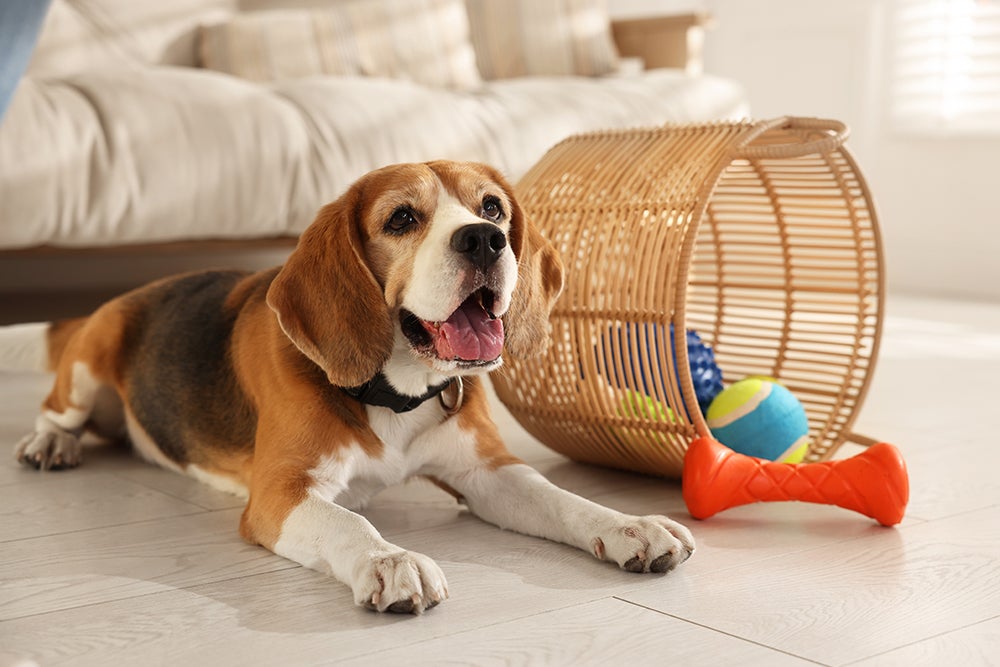
Prevention is often easier than correction. Notice when your beagle is calm and reward that choice. You can place a treat on the floor when your dog lies quietly on a mat, looks away from the window, or rests while you work.
This teaches an important lesson: calm behavior pays. Your beagle does not always need to perform a command to earn a reward. Quietly choosing rest should count, too.
Use a simple calm routine:
• Put a comfortable mat near you.
• Toss a treat onto the mat when your beagle steps on it.
• Reward sitting, lying down, and relaxed breathing.
• Give a chew or food toy for longer calm periods.
• Release your beagle before frustration begins.
You can also teach “go to your mat.” This is useful when guests arrive, food is being prepared, or delivery drivers come to the door.
In training cases I have observed, owners often wait until barking is intense before acting. By then, the dog is too excited to learn well. The better approach is to reward the first signs of calm and manage the trigger early.

Reduce Window and Door Barking
Many beagles bark at windows because they see movement and feel responsible for announcing it. Blocking the view is not a failure. It is good behavior management.
Use curtains, removable window film, baby gates, or furniture placement to limit access to busy windows. During delivery times, move your beagle to a quiet room with a food toy.
At the door, practice when no guest is waiting. Touch the handle, reward calmness, and step away. Then open the door slightly, reward quiet behavior, and close it. Build up in small steps.
When someone visits, ask the guest to ignore your beagle at first. Excited greetings can reward barking, jumping, and spinning. Give attention when your beagle has four paws on the floor and a quieter body.
Never force a fearful beagle to greet strangers. Let your dog choose distance. Pair the person with treats while keeping enough space for your beagle to stay relaxed.
Handle Barking for Attention
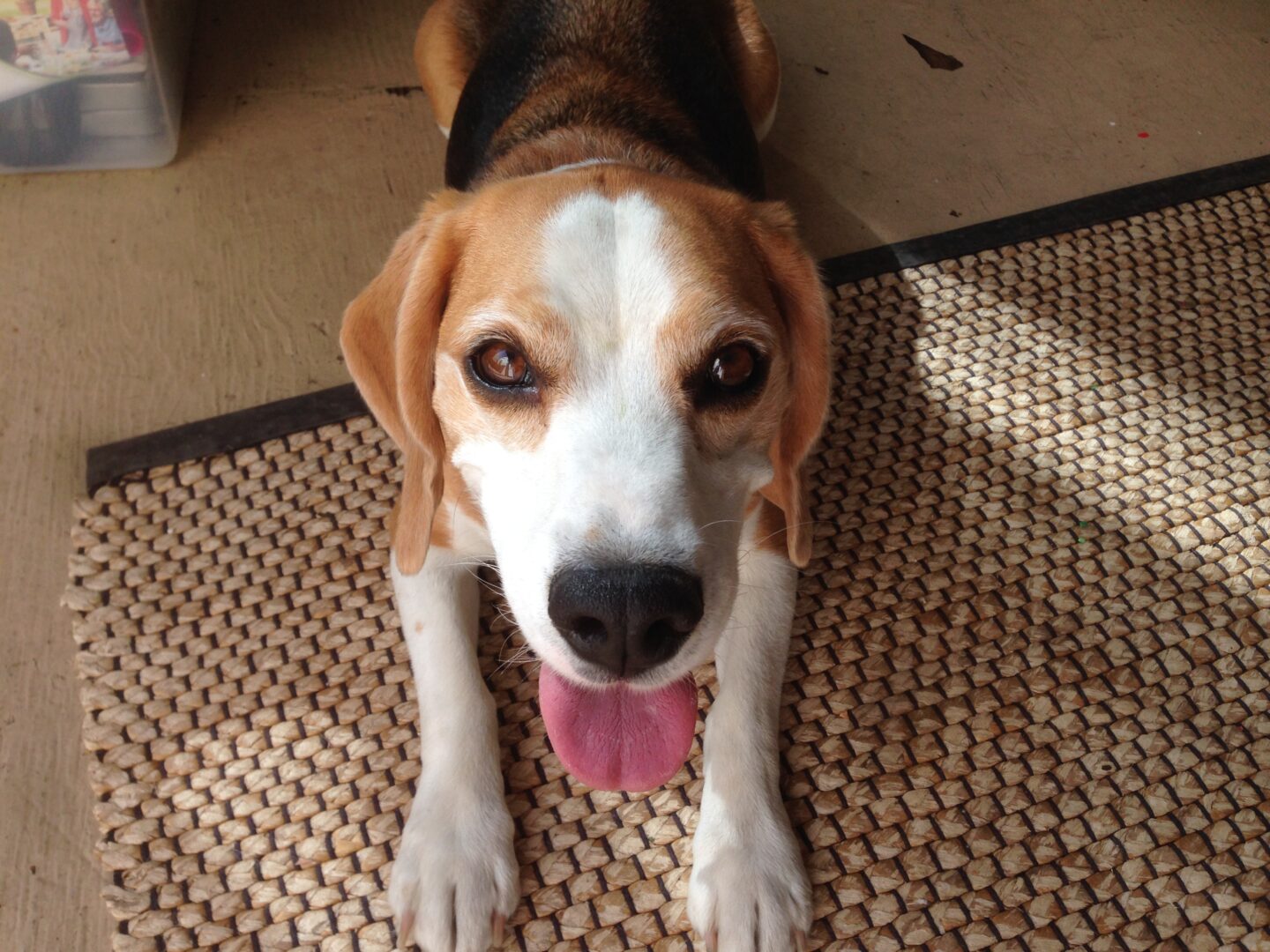
Attention barking works when it gets a reaction. Even eye contact, pushing your dog away, or shouting can feel rewarding to a social beagle.
If your beagle barks for attention and the situation is safe, turn away and wait for a pause. The instant your dog is quiet, offer attention or ask for a simple behavior such as sitting.
Be consistent. If barking earns a toy on Monday but not Tuesday, your beagle may bark harder and longer. This pattern is called an extinction burst. It can look like the training is failing, but the behavior may briefly become stronger before it fades.
Do not ignore barking linked to fear, pain, or panic. In those cases, provide support and seek professional help. Ignoring distress can make the emotional problem worse.

Address Barking When Your Beagle Is Alone
Barking during alone time may signal separation anxiety. Other signs include scratching doors, chewing near exits, drooling, pacing, accidents, or frantic greetings.
Use a phone camera to learn what happens after you leave. This can show whether your beagle barks for two minutes and settles or panics for the entire absence.
Begin with very short departures. Leave for a few seconds, return calmly, and repeat. Increase the time only when your beagle stays relaxed. If barking starts, the next practice session should be easier.
Helpful steps include:
• Exercise and toilet your beagle before leaving.
• Offer a safe food toy before you go.
• Keep departures and returns calm.
• Practice picking up keys without leaving.
• Use background sound to reduce outside noise.
• Avoid leaving your dog alone longer than it can manage.
Severe separation anxiety often needs a behavior plan from a veterinary behaviorist or qualified positive-reinforcement trainer. Medication may help some dogs, but only a veterinarian should prescribe it.
Use Desensitization and Counterconditioning
Desensitization means showing a trigger at a low enough level that your beagle can stay calm. Counterconditioning means pairing that trigger with something pleasant, such as tiny treats.
For example, if your beagle barks at other dogs, begin far away from a quiet dog. The moment your beagle notices the dog without barking, give a treat. When the dog disappears, the treats stop.
If your beagle barks, lunges, or refuses food, you are too close or the trigger is too strong. Increase distance and try again. Progress should be measured by calmer behavior, not by forcing close contact.
This method takes patience. It may require weeks or months for a strong reaction to improve. Short, successful sessions are safer and more useful than long sessions that end in a barking meltdown.
Avoid Methods That Can Make Barking Worse
Punishment may stop a sound for a moment, but it does not teach your beagle why the barking is a problem or what to do instead. Harsh corrections can also increase fear and frustration.
Avoid:
• Yelling or screaming
• Hitting, leash jerking, or alpha-style handling
• Shock or prong collars without expert guidance
• Muzzle use as a routine barking solution
• Spray bottles used to frighten your dog
• Punishing a growl without finding its cause
A growl is an early warning signal. Suppressing it can remove the warning without removing the fear. Reward-based training is recommended by major veterinary and animal behavior groups because it builds safer, clearer habits.
Anti-bark collars also have limits. They may interrupt sound but cannot teach calm behavior, and they can be especially risky for fearful dogs or dogs barking from separation distress.
Create a Simple Barking Training Plan
A written plan makes it easier to stay consistent. Choose one trigger first. Training every barking problem at once can overwhelm both you and your dog.
Use this four-week framework:
-
Week one: Record when, where, and why barking happens. Add exercise, sniffing, and window management.
-
Week two: Teach the quiet cue in a calm room. Reward calm behavior on a mat.
-
Week three: Practice with a mild version of one trigger. Keep sessions short.
-
Week four: Add small distractions and slowly increase the challenge.
Track useful details:
• Trigger
• Distance from the trigger
• Number of barks
• Recovery time
• Whether your beagle accepted food
• What helped your dog settle
Progress is not always a straight line. A storm, illness, poor sleep, or a busy day can cause more barking. Look for improvement over several weeks rather than judging one difficult afternoon.
When to Contact a Professional
Get help if your beagle bites, lunges, panics, cannot settle, or becomes aggressive around a trigger. Professional support is also wise when barking lasts for hours, disturbs neighbors, or continues despite consistent training.
Choose a trainer who uses reward-based methods and can explain each step clearly. Ask about credentials, experience with beagles, and how the trainer handles fear and separation problems.
A veterinary behaviorist can assess medical and emotional causes. This is especially important when barking is sudden, severe, or linked with anxiety.
Training has limits. Genetics, early experiences, health, and the home environment all affect results. You may reduce barking greatly without removing every bark, and that is a realistic success.
Frequently Asked Questions About How to Stop a Beagle From Barking
How long does it take to stop a beagle from barking?
Small improvements may appear within days, but lasting change often takes several weeks of steady practice. The time depends on the cause, the trigger, your beagle’s history, and how consistent the household is.
Should I ignore my beagle’s barking?
Ignore attention barking only when your dog is safe and calm enough to learn. Do not ignore barking caused by pain, fear, panic, or separation anxiety; address the cause and seek professional help when needed.
Do bark collars work for beagles?
A bark collar may interrupt barking, but it does not teach a better behavior or solve fear, boredom, or anxiety. Reward-based training and trigger management are safer long-term tools for most dogs.
Why does my beagle bark at everything outside?
Beagles may bark at outside sounds, animals, and movement because of alertness, excitement, or frustration. Limit the view, reward quiet observation, and practice around mild triggers from a safe distance.
Can more exercise stop a beagle from barking?
Exercise can reduce barking linked to boredom and excess energy, but it is not a complete cure. Beagles also need sniffing, food puzzles, training, rest, and help with emotional triggers.
How do I stop my beagle from barking when left alone?
Start with very short departures and increase alone time slowly while your beagle remains calm. If you see panic, destruction, drooling, or nonstop barking, contact a veterinarian or qualified behavior professional.
Conclusion
Learning how to stop a beagle from barking begins with understanding the reason for the noise. Meet your dog’s physical and mental needs, prevent repeated barking, reward calm behavior, and teach a quiet cue with patience.
Avoid shouting and harsh tools, especially when fear or separation anxiety is involved. Track small gains, practice often, and ask for expert help when the barking is sudden, intense, or linked to distress.
Start today with one trigger, one calm cue, and a few short training sessions. Your beagle does not need to become silent; your goal is a calmer, more settled way to communicate. Share your progress with your veterinarian or trainer, and explore more reward-based dog training resources for the next step.

Pet Care Writer & Researcher
Daniel writes practical guides on daily care, feeding, and safety, turning complex topics into simple, actionable advice.